
Investing in Tokyo Real Estate Guide for Foreigners

Complete guide to investing in Tokyo real estate as a foreigner. Learn the legal process, financing options, best neighborhoods, costs, taxes, and investment strategies for buying property in Tokyo.
Investing in Tokyo Real Estate: The Complete Guide for Foreigners
Tokyo real estate has captured the attention of international investors like never before. With a weakened yen making properties significantly more affordable for foreign buyers, record-low vacancy rates, and a legal framework that warmly welcomes overseas ownership, the Japanese capital offers one of Asia's most accessible property markets for foreigners. Whether you want to purchase an apartment for personal use, build a rental portfolio, or diversify your global holdings, this guide covers everything you need to know about investing in Tokyo real estate as a foreigner.
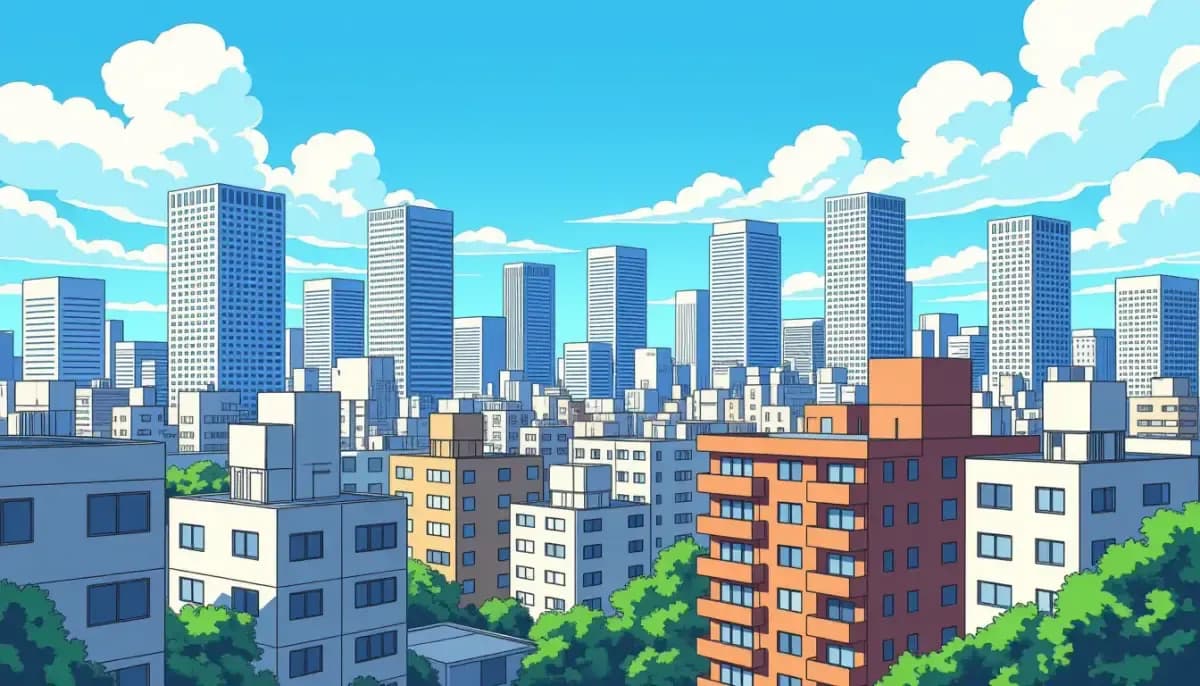
!Tokyo skyline with modern high-rise apartment buildings and investment opportunities for foreigners

Can Foreigners Buy Property in Tokyo?
Yes — and with remarkably few restrictions. Japan is one of the few countries in Asia where foreign nationals can purchase both land and buildings outright, without needing residency, citizenship, or special government approval. You could theoretically buy a Tokyo condominium on a tourist visa.
This open policy contrasts sharply with neighboring countries like China, Thailand, and Vietnam, which impose strict limits on foreign land ownership. In Japan, once your name appears on the official property register (登記簿, toukibo), you are the legal owner — full stop.
Key legal points:
- No foreign ownership quotas for condominiums or land
- No special permits or government approval required
- Property ownership does NOT grant residency or a visa — Japan has no "golden visa" tied to real estate
- Registration in Japan's Legal Affairs Bureau database provides full legal protection
- Non-residents can purchase and own property indefinitely
For a broader overview of financial planning in Japan, see our guide to Banking and Finance in Japan for Foreigners.
Tokyo Real Estate Market Overview 2025
Japan's real estate sector reached USD 436 billion in 2024 and is projected to expand to USD 557 billion by 2033. Tokyo sits at the epicenter of this growth.
Price Trends:
- Average new condominium in Tokyo's 23 wards: over ¥110 million (~$750,000 USD) in 2025
- Residential property price index rose 8.14% year-over-year in January 2025
- Mid-market rents in Tokyo's 23 wards increased 6.4% year-over-year in Q4 2024
- Luxury properties (over ¥60 million) forecasted for 6-7% annual growth
Rental Market Strength:
- Occupancy rates in central Tokyo wards reached 97.2%
- Gross rental yields average 3-4% in central Tokyo
- National average gross rental yield: approximately 4.34%
Foreign investment has surged dramatically. Investment in residential properties by foreign entities rose 18% year-over-year to ¥740 billion in 2024, fueled by the weaker yen and strong fundamentals. International capital in Japanese real estate exceeded ¥1 trillion in peak acquisition years.
| Metric | Tokyo (2025) | National Average |
|---|---|---|
| Average new condo price (23 wards) | ¥110M+ (~$750K) | ¥60-80M |
| Gross rental yield | 3-4% | 4.34% |
| Occupancy rate (central wards) | 97.2% | ~94% |
| YoY price growth (Jan 2025) | 8.14% | 2.7% |
| Annual property tax rate | 0.8-1.7% | 0.8-1.7% |
Best Neighborhoods for Investment in Tokyo
Not all Tokyo wards are created equal for investors. Location dramatically affects both capital appreciation potential and rental yields.
Premium Central Wards
Minato Ward (Roppongi, Azabu, Shibaura): Home to many embassies and multinational executives, Minato commands some of Tokyo's highest prices. Properties here attract high-income tenants and see strong capital gains. Expect to pay ¥80-150 million for a decent 2LDK condominium.
Shibuya Ward (Daikanyama, Omotesando, Ebisu): The cultural and fashion heart of Tokyo, Shibuya attracts young professionals and international residents. Strong rental demand, with 1-bedroom apartments in Daikanyama renting for ¥150,000-250,000/month.
Shinjuku Ward: The transportation and commercial hub. Mix of high-end residential and diverse rental markets. Foreign buyer activity is high due to excellent infrastructure.
High-Yield Outer Wards
Adachi, Edogawa, Katsushika: These eastern wards offer significantly lower entry prices (¥30-60 million) with rental yields often reaching 5-7%, ideal for cash flow-focused investors.
Koto Ward (Tatsumi, Shinonome, Toyosu): Newer developments near Tokyo Bay. Strong demand from young professionals working in nearby offices. Well-connected by the Yurikamome and Rinkai lines.
Up-and-Coming Areas
Itabashi and Nerima: Northwest Tokyo is seeing infrastructure improvements. Lower prices with growth potential as western office clusters expand.
For information on navigating daily life in different Tokyo neighborhoods, see our Daily Life in Japan Guide for Foreigners.
How to Buy Property in Tokyo: Step-by-Step Process
A typical Tokyo real estate purchase from offer to registration takes 4-8 weeks if financing is arranged. Here is the standard process:
Step 1: Define Your Budget and Goals
Clarify whether you want a personal residence, rental property, or vacation home. Calculate total costs including the property price, closing costs (6-10%), and annual holding costs (property tax, management fees, insurance).
Step 2: Hire an English-Speaking Agent
Many Tokyo agencies cater to international buyers. Look for agents registered with the Japan Real Estate Agent Association (全宅連). An agent's commission is typically 3% + ¥60,000 + tax.
Step 3: Property Search and Due Diligence
Request the registry certificate (登記事項証明書, touki jiko shomeisho) from the Legal Affairs Bureau to verify:
- Current registered ownership
- Any existing mortgages or liens
- Building construction history
Review the 重要事項説明書 (juuyou jikousetsumei) — the mandatory disclosure document covering legal restrictions, building condition, and neighborhood zoning.
Step 4: Make an Offer and Sign Purchase Contract
Submit a written offer. Upon acceptance, sign the 売買契約 (baibai keiyaku) purchase agreement and pay a deposit of 5-10% of the purchase price. The deposit is typically non-refundable if you withdraw without cause.
Step 5: Arrange Financing
See the financing section below for details on mortgage options for foreigners.
Step 6: Closing and Registration
At closing, pay the remaining balance plus all fees. Your agent and a judicial scrivener (司法書士) will handle registration of the ownership transfer with the Legal Affairs Bureau. Only once this registration is complete is your ownership legally secure.
You can complete the entire process remotely using a power of attorney (委任状), though attending contract signing in person is standard practice and recommended.
!Foreign investor reviewing Tokyo property documents and real estate contract

Financing: Mortgages for Foreign Buyers
This is where many foreign investors hit hurdles. Most major Japanese banks require permanent residency or long-term visa status, Japanese credit history, and income documentation.
Banks That Serve Foreign Buyers:
| Bank | Non-PR Accepted | Variable Rate | Fixed Rate | Notes |
|---|---|---|---|---|
| SMBC Trust Bank PRESTIA | Yes | From ~0.6% | From 1.5% | English support |
| Tokyo Star Bank | Yes | From ~0.8% | From 1.8% | Flexible terms |
| Suruga Bank | Yes (own income criteria) | From ~1.0% | From 2.0% | Foreigner-specific products |
| SBI Shinsei Bank | Limited | From ~0.5% | From 1.2% | Strict income requirements |
Requirements typically include:
- Valid Japanese residence card (在留カード)
- Minimum 1 year of residence in Japan (some banks require 3+ years)
- Annual income above ¥4 million
- Employment contract or business registration
- 10-28% down payment depending on profile
Non-residents: If you are overseas with no Japanese residency, most banks will not lend to you. Cash purchases are the norm for non-resident buyers. Explore financing options in your home country using existing assets as collateral.
For comprehensive tax and financial planning advice, read our Taxes in Japan Guide for Foreigners.
For additional property purchasing guidance and financial insights, check out Living in Nihon's Buying Property and Mortgage Guide and For Work in Japan for employment and income considerations relevant to mortgage qualification.
Costs, Taxes, and Ongoing Expenses
Understanding the full cost picture is essential before committing to a Tokyo real estate investment.
One-Time Purchase Costs:
- Real estate agent commission: 3% of purchase price + ¥60,000 + consumption tax
- Registration tax (登録免許税): 1.5-2% of assessed value
- Real property acquisition tax (不動産取得税): 3% of assessed value (one-time)
- Stamp duty (印紙税): ¥10,000-600,000 depending on transaction value
- Judicial scrivener fees: ¥50,000-200,000
- Total closing costs: 6-10% of purchase price
Annual Holding Costs:
- Fixed asset tax (固定資産税): 1.4% of assessed value
- City planning tax (都市計画税): 0.3% of assessed value
- Building management fee (管理費): ¥10,000-50,000/month
- Repair reserve fund (修繕積立金): ¥10,000-30,000/month
- Fire insurance: ¥10,000-40,000/year
- Earthquake insurance: varies by location and building type
Rental Income Tax: If you live in Japan, rental income is added to your regular income and taxed at progressive rates (5-45%). For non-residents, a 20.42% withholding tax applies when a Japanese company pays rent. Non-residents can file a tax return to potentially claim deductible expense refunds.
For detailed tax filing guidance, see our Taxes in Japan Guide for Foreigners.
Investment Strategy: Maximizing Returns in Tokyo
Given Tokyo's current pricing environment, here are the strategies that sophisticated foreign investors use:
Strategy 1: Cash-Flow Focus in Outer Wards
Target Adachi, Edogawa, or Nerima wards with purchase prices in the ¥30-50 million range. Gross yields of 5-7% are achievable. These properties attract local Japanese tenants and carry lower vacancy risk.
Strategy 2: Capital Appreciation in Central Wards
Minato, Shibuya, and Shinjuku properties have consistently appreciated. Accept lower yields (2-3.5%) in exchange for stronger capital gains over 5-10 years.
Strategy 3: New vs. Pre-Owned Properties
New condominiums come with warranties and modern specs but carry a premium. Pre-owned condominiums (中古マンション) are significantly cheaper and offer better yields. In 2024, used apartment prices in Tokyo's 23 wards averaged ¥44.51 million — far below new construction costs.
Strategy 4: Short-Term Rental (Minpaku)
Japan allows short-term rentals for up to 180 days per year under the Minpaku law. Many condominium buildings ban short-term rentals entirely, so verify building rules before purchase. Minpaku-compliant properties near tourist areas can achieve higher gross yields.
Important note: Property ownership does not confer any immigration benefit. Japan does not have a golden visa program tied to real estate investment. For visa-related information, see our Japan Visa and Immigration Guide.
For in-depth analysis of specific investment strategies, Ittenshoku provides resources for foreigners navigating major life decisions in Japan, and Tokyo Portfolio offers current market trend data.
Common Mistakes Foreign Buyers Make
Avoid these pitfalls that trip up many first-time foreign investors:
- Assuming contract signing equals ownership. Only registration with the Legal Affairs Bureau completes your ownership. Delay exposes you to risk if the seller faces financial problems.
- Ignoring building age and earthquake standards. Buildings constructed before June 1981 may not meet current earthquake-resistant standards (新耐震基準). Always verify the construction date.
- Not checking condo rules on subletting. Many high-rise buildings prohibit short-term rentals or require owner-occupancy for a period after purchase. Read the management rules carefully.
- Underestimating holding costs. Monthly management fees and repair reserve funds can add ¥30,000-80,000/month to your costs, significantly impacting net yield calculations.
- Forgetting about the aging property value curve. In Japan, building depreciation is significant. Wooden structures depreciate fully in 22 years for tax purposes; reinforced concrete in 47 years. Land retains value; buildings decline.
- Neglecting Japanese estate planning. If you die owning Japanese property without a Japanese will, inheritance can become complex and expensive for overseas heirs.
Getting Started: Your Checklist
Ready to begin your Tokyo real estate investment journey? Here is your action checklist:
- Determine your investment goal (personal use, rental income, capital gains)
- Assess financing options based on your residency status
- Set a total budget including 6-10% for closing costs
- Identify target neighborhoods aligned with your strategy
- Engage an English-speaking buyer's agent registered with Japan Real Estate Agent Association
- Request registry certificates for shortlisted properties
- Verify building construction date (prefer post-June 1981)
- Review building management rules on subletting
- Calculate net yield after all taxes and fees
- Consult a Japanese tax accountant (税理士) before closing
For help with broader financial planning as an expat in Japan, see our guide on Banking and Finance in Japan for Foreigners and our Cost of Living in Japan Guide.
Conclusion
Tokyo real estate presents a genuinely compelling opportunity for foreign investors in 2025. Legal barriers to ownership are minimal, the market is fundamentally strong, and the weaker yen continues to make entry points attractive for overseas buyers. The challenges — navigating financing without permanent residency, understanding Japanese documentation, and managing tax obligations — are real but surmountable with the right professional team.
The key is going in with clear eyes: understand that yields are modest in prime central areas, that closing costs are significant, and that this is a long-term asset class rather than a quick flip market. For those willing to do their homework and commit for the long term, Tokyo remains one of the most exciting property markets available to international buyers anywhere in the world.
For additional guidance from experienced expat investors, Bamboo Routes offers practical tips from foreigners who have already navigated the Tokyo property purchase process.

Originally from Vietnam, living in Japan for 16+ years. Graduated from Nagoya University, with 11 years of professional experience at Japanese and international companies. Sharing information about living in Japan for foreigners.
View Profile →Related Articles
Japan Real Estate Scams to Watch Out For
Learn how to spot and avoid Japan real estate scams. From fake listings and key money fraud to unlicensed agents — protect yourself with our complete guide for foreigners renting or buying in Japan.
Read more →
Airbnb and Minpaku Investment in Japan Legal Guide
A complete guide to Airbnb and minpaku investment in Japan for foreigners. Learn about licensing types, registration steps, regional restrictions, investment returns, and legal requirements under Japan's Private Lodging Business Act.
Read more →
Japan Property Buying Process Step by Step Explained
Complete step-by-step guide to buying property in Japan as a foreigner. Covers the 7 stages from property search to ownership transfer, costs, timelines, and legal requirements.
Read more →
Japan Condo Mansion vs House Which to Buy
Comparing Japan mansion (condo) vs detached house for foreign buyers. Full breakdown of costs, monthly fees, value retention, earthquake safety, mortgages, and which option fits your lifestyle.
Read more →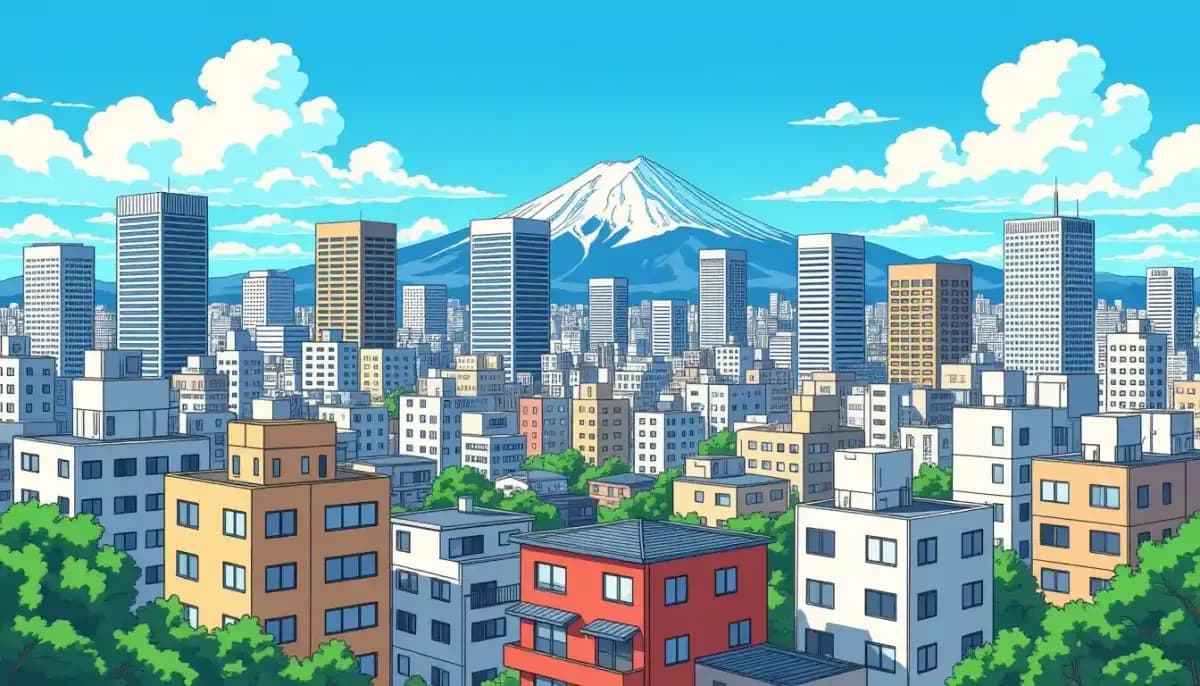
Best Areas to Buy Property in Japan for Investment
Discover the best areas to buy property in Japan for investment. Compare Tokyo, Osaka, Fukuoka, Kyoto and more with rental yields, price trends, and tips for foreign investors.
Read more →
Rental Income Tax in Japan for Foreign Property Owners
Complete guide to rental income tax in Japan for foreigners. Learn about the 20.42% withholding tax for non-residents, deductible expenses, tax agent requirements, and how to file your Japanese tax return.
Read more →