
Eikaiwa English Conversation School Jobs in Japan

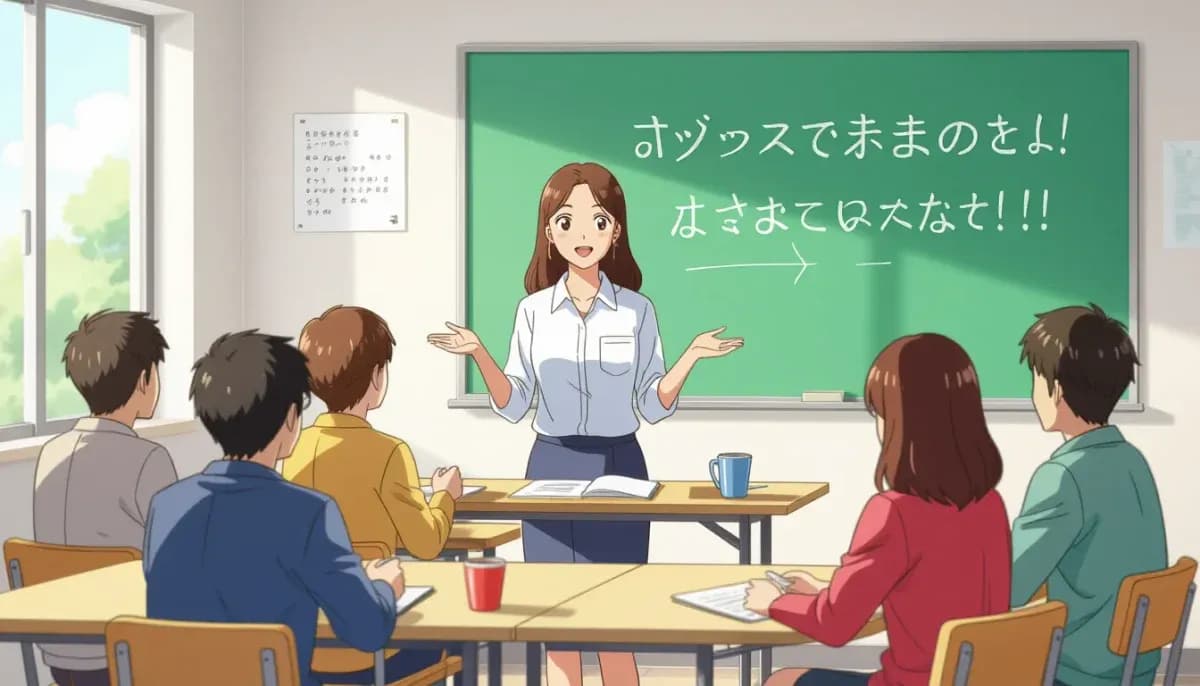
Everything you need to know about eikaiwa English conversation school jobs in Japan, including salary comparisons for NOVA, AEON, ECC, Berlitz, and Gaba, requirements, and application tips.
Eikaiwa English Conversation School Jobs in Japan: The Complete Guide
If you are considering teaching English in Japan, working at an eikaiwa (英会話) school is one of the most accessible and popular paths for foreigners. Eikaiwa literally means "English conversation," and these private language schools focus on practical spoken English for Japanese students of all ages. Whether you are fresh out of university or looking for a career change abroad, this guide covers everything you need to know about landing and thriving in an eikaiwa job in Japan.
What Is an Eikaiwa School?
Eikaiwa schools are privately operated English conversation schools found throughout Japan. Unlike public school ALT (Assistant Language Teacher) positions where you work alongside a Japanese teacher, eikaiwa instructors typically lead their own classes. Students range from toddlers to retirees, and lessons emphasize conversational fluency rather than grammar drills or test preparation.
The eikaiwa industry has a long history in Japan. At its peak in 2002, the industry generated approximately ¥670 billion in revenue. After the high-profile collapse of NOVA in 2007-2008, the industry contracted significantly but has since stabilized around the major chains that operate today. The demand for English conversation skills remains strong due to globalization and Japan's increasing need for international communication.
For a broader overview of English teaching opportunities, see our complete guide to teaching English in Japan.
Major Eikaiwa Companies Compared
Japan has several large eikaiwa chains that actively recruit foreign teachers year-round. Here is how the biggest names stack up:
| Company | Monthly Salary | Teaching Hours/Week | Class Style | Key Benefits |
|---|---|---|---|---|
| NOVA | ¥280,000–¥320,000 | ~25 hours | Small group & private | Visa sponsorship, training provided |
| AEON | ¥275,000 | 25 teaching + 15 admin | Group (up to 8) & private | Housing assistance (¥55,000 subsidy), airport pickup, 3 vacation weeks |
| ECC | ¥270,000 | ~25 teaching | All ages, group & private | Up to 7 weeks vacation, furnished housing, interest-free loans |
| Berlitz | ¥281,875 (full-time) | 26.6 teaching + 13.4 admin | 70% private, 30% group (max 6) | ¥25,000 commuting allowance, business English focus |
| Gaba | ¥1,630/lesson | Flexible (you choose) | 1-on-1 only | Maximum schedule flexibility, choose own hours |
NOVA is the largest chain with the most locations across Japan. AEON and ECC are known for offering the most comprehensive relocation packages. Berlitz focuses primarily on business professionals. Gaba operates on a unique independent contractor model where you set your own schedule but handle your own taxes and insurance.
For more context on salaries and benefits, check out this detailed breakdown of English teacher salaries in Japan and this overview of Japan's big eikaiwa companies.
Requirements and Qualifications
Getting hired at an eikaiwa school is more accessible than many other teaching positions in Japan. Here are the typical requirements:
Mandatory requirements:
- A bachelor's degree from an accredited university (any field)
- Native or near-native English fluency
- Eligibility for a Japanese work visa (Instructor or Humanities/International Services visa)
Preferred but not always required:
- TEFL, TESOL, or CELTA certification (120+ hours recommended)
- Previous teaching experience
- Japanese language ability (helpful but rarely required for hiring)
Most major eikaiwa chains will sponsor your visa and handle the Certificate of Eligibility (COE) process. This makes eikaiwa one of the easiest entry points for foreigners who want to work in Japan. Unlike university or international school positions, you generally do not need a teaching license or advanced degree.
If you are new to Japan, you will also need to understand the visa and immigration process before applying.
What a Typical Workday Looks Like
One of the biggest adjustments for new eikaiwa teachers is the schedule. Unlike a standard 9-to-5 office job, eikaiwa schools operate on hours that suit their students, most of whom are working adults or school-age children.
Typical daily schedule:
- Start time: 1:00 PM–2:00 PM
- End time: 9:00 PM–10:00 PM
- Lessons per shift: 5–8 lessons (40–50 minutes each)
- Breaks: Short breaks between lessons for prep and admin
- Busiest days: Weekdays evenings and Saturdays
You will usually get one or two weekdays off instead of weekends. Saturday is often the busiest teaching day since students are free from work and school. Some schools also require Sunday shifts, though many give Sundays off.
The afternoon-to-evening schedule is actually a perk for night owls. You can sleep in, run errands in the morning, and enjoy quieter weekday activities when most people are at work. For tips on adjusting to life in Japan, see our daily life guide for foreigners.
Salary, Benefits, and Cost of Living
The average eikaiwa teacher earns between ¥250,000 and ¥300,000 per month, which translates to roughly $1,700–$2,100 USD. This is competitive within the English teaching industry in Japan, though not as high as university positions (¥400,000–¥600,000) or international school roles.
What your salary covers in Japan:
- Rent in a major city: ¥60,000–¥100,000 (1K or 1LDK apartment)
- Rent in a smaller city: ¥30,000–¥60,000
- Food and groceries: ¥30,000–¥50,000
- Transportation: Often covered by employer
- Utilities: ¥10,000–¥15,000
- Savings potential: ¥50,000–¥100,000 per month
Most full-time eikaiwa positions include health insurance enrollment through the company, paid training, and some form of housing assistance. AEON and ECC are particularly known for their comprehensive packages that include furnished apartments, airport pickup, and settling-in support.
For a deeper look at expenses, visit our cost of living in Japan guide. You should also familiarize yourself with banking and finance in Japan and the tax system for foreigners.
Eikaiwa vs ALT: Which Is Right for You?
Many prospective English teachers in Japan debate between eikaiwa and ALT positions. Here is a quick comparison:
| Factor | Eikaiwa | ALT (Assistant Language Teacher) |
|---|---|---|
| Schedule | Afternoons & evenings, weekends | Standard school hours (8 AM–4 PM), weekdays |
| Class size | Small (1–8 students) | Large (20–40 students) |
| Autonomy | High (you lead the class) | Lower (assist the Japanese teacher) |
| Curriculum | Provided by the school | Follows national curriculum |
| Student ages | All ages | Mostly elementary to high school |
| Salary | ¥250,000–¥300,000 | ¥230,000–¥300,000 |
| Vacation | Varies (2–7 weeks depending on company) | School holidays (but may need to attend) |
| Japanese needed | Minimal | Helpful for staff communication |
Choose eikaiwa if you want smaller classes, more teaching independence, and do not mind evening and weekend work. Choose ALT if you prefer a regular daytime schedule, working with children, and having school holidays off. For a detailed comparison, see this eikaiwa vs ALT guide.
How to Apply and Get Hired
The application process for most eikaiwa chains follows a standard pattern:
- Submit an online application through the company website or a job board like GaijinPot or SenseiJob
- Phone or video interview to assess your English ability and enthusiasm
- Demo lesson where you teach a short mock class (often 10–15 minutes)
- Background check and document submission including your degree certificate
- Visa sponsorship and Certificate of Eligibility processing (takes 1–3 months)
- Arrival in Japan with orientation and training (usually 1–2 weeks)
Tips for a successful application:
- Apply to multiple companies simultaneously to increase your chances
- Research each company's teaching style and mention it in your interview
- Prepare a polished demo lesson that shows energy and clear instruction
- Dress professionally for all interviews, even video calls
- Read your contract carefully before signing, paying attention to working hours, overtime, and termination clauses
The hiring cycle runs year-round, but the busiest recruitment periods are spring (April start) and fall (September/October start). Many companies accept applications 3–6 months before the intended start date.
For general job-hunting advice in Japan, see our guide to working in Japan and this helpful resource on finding jobs in Japan for foreigners.
Career Growth and Long-Term Prospects
Eikaiwa teaching does not have to be a dead-end job. Many teachers use it as a stepping stone to other careers in Japan or advance within the industry:
- Senior Teacher or Trainer: Lead teacher training sessions and mentor new hires
- School Manager: Oversee daily operations at a branch (salary boost to ¥350,000+)
- Curriculum Developer: Create lesson plans and teaching materials for the company
- Corporate English Trainer: Move into business English training (higher pay)
- Freelance/Private Lessons: Start your own eikaiwa or tutoring business
- Transition to IT or other industries: Use your Japan experience and network to pivot
Learning Japanese significantly boosts your career prospects in Japan. Even basic conversational ability opens doors to management roles and non-teaching positions. Check out our guide to learning Japanese for resources and strategies.
If you are thinking about starting your own business in Japan eventually, our guide to starting a business in Japan covers the essentials. For those considering a career change within Japan, Ittenshoku offers resources on transitioning to IT and other growing fields.
Common Challenges and How to Handle Them
Working at an eikaiwa comes with its own set of challenges. Being prepared helps you handle them better:
Schedule adjustment: The evening and weekend schedule takes getting used to. Your social life may shift since friends with regular jobs are free when you are working. Join expat groups and find activities during your weekday mornings off. See our guide to making friends and social life in Japan.
Repetitive lessons: Teaching the same material to different groups can feel monotonous. Keep it fresh by varying your delivery and bringing your own supplementary activities.
Customer service pressure: Eikaiwa students are paying customers. Schools may prioritize student satisfaction over pedagogical ideals. This means being friendly, patient, and adaptable even when students are unmotivated or difficult.
Limited career ceiling: Without Japanese language skills or additional qualifications, advancement can plateau. Invest in your professional development and Japanese language study.
Culture shock: Japanese workplace culture can be quite different from what you are used to. Understanding expectations around punctuality, hierarchy, and communication will help you succeed.
For more on English teaching career paths in Japan, visit For Work in Japan's comprehensive English teaching guide. You can also find detailed information on what to know before taking an eikaiwa job.
Final Thoughts
Eikaiwa jobs remain one of the best ways for foreigners to start a career in Japan. The combination of visa sponsorship, manageable requirements, and a livable salary makes it an attractive option whether you plan to teach for one year or build a long-term life in Japan. Do your research on the major companies, prepare a strong application, and go in with realistic expectations about the schedule and workload. With the right attitude, an eikaiwa position can be the gateway to an incredible experience living and working in Japan.

Originally from Vietnam, living in Japan for 16+ years. Graduated from Nagoya University, with 11 years of professional experience at Japanese and international companies. Sharing information about living in Japan for foreigners.
View Profile →Related Articles
International School Teaching Jobs in Japan Guide
Complete guide to international school teaching jobs in Japan. Learn about salary ranges from ¥300,000-¥700,000+/month, qualifications, hiring process, top schools, and how to apply as a foreign educator.
Read more →
Teaching English in Rural Japan What to Know
Complete guide to teaching English in rural Japan covering salary, daily life, classroom challenges, JET Programme placements, and practical tips for thriving in the Japanese countryside as a foreign teacher.
Read more →
How to Get Your First Teaching Job in Japan
Complete guide to landing your first English teaching job in Japan. Learn about JET Programme, eikaiwa schools, salary expectations, visa requirements, and application tips for first-time teachers.
Read more →
Pros and Cons of Teaching English in Japan
Discover the real pros and cons of teaching English in Japan. Compare salaries for JET, ALT, eikaiwa, and international schools. Honest guide for foreigners considering English teaching careers in Japan.
Read more →
A Day in the Life of an English Teacher in Japan
Discover what daily life is really like as an English teacher in Japan. From morning routines and classroom activities to salary comparisons and weekend adventures, this guide covers ALT, eikaiwa, and JET Programme experiences.
Read more →
English Teaching Salary in Japan Complete Comparison
Compare English teaching salaries in Japan across JET Programme, ALT, eikaiwa, university, and international school positions. Detailed salary data, benefits, and cost of living breakdown for foreign teachers.
Read more →