
A Day in the Life of an English Teacher in Japan


Discover what daily life is really like as an English teacher in Japan. From morning routines and classroom activities to salary comparisons and weekend adventures, this guide covers ALT, eikaiwa, and JET Programme experiences.
A Day in the Life of an English Teacher in Japan
Ever wondered what it's actually like to teach English in Japan? Beyond the cherry blossoms and anime, there's a real daily routine that thousands of foreign teachers navigate every day. Whether you're considering the JET Programme, an eikaiwa school, or a direct-hire ALT position, understanding the typical day-to-day experience will help you decide if this path is right for you.
Teaching English in Japan remains one of the most popular ways for foreigners to live and work in the country. Since 1987, over 77,000 people from 77 countries have participated in the JET Programme alone. Add in the thousands working at private language schools and dispatch companies, and you're looking at a massive community of educators shaping the next generation of English speakers in Japan.
For a comprehensive overview of all teaching options, check out our Complete Guide to Teaching English in Japan.
Types of English Teaching Positions and Their Schedules
Not all English teaching jobs in Japan follow the same schedule. Your daily routine depends heavily on where you work. Here's a breakdown of the main types:
| Position Type | Typical Hours | Monthly Salary (¥) | Schedule Pattern |
|---|---|---|---|
| JET Programme ALT | 8:00 AM - 4:00 PM | 280,000 - 330,000 | Monday-Friday, school calendar |
| Dispatch Company ALT | 8:00 AM - 4:30 PM | 200,000 - 250,000 | Monday-Friday, school calendar |
| Direct Hire ALT | 8:00 AM - 4:30 PM | 250,000 - 300,000 | Monday-Friday, school calendar |
| Eikaiwa (Language School) | 11:00 AM - 8:00 PM | 250,000 - 280,000 | Shift-based, includes weekends |
| Business English | Varies | 300,000 - 375,000 | Often mornings and evenings |
| University Lecturer | Flexible | 400,000 - 600,000 | Semester schedule |
As you can see, salary and lifestyle vary significantly. If you're exploring broader employment opportunities in Japan, this guide from Living in Nihon covers everything from job hunting strategies to interview preparation.
Morning Routine: Starting the Day
ALT Morning (Public School)
For ALTs working in public schools, the morning starts early. A typical wake-up time is around 6:00 to 6:30 AM. After a quick breakfast — whether it's a traditional Japanese spread of miso soup and rice, or toast and coffee — you head out the door for your commute.
Most teachers commute by train, with an average ride of 30 to 60 minutes. Your school or company usually provides a commuter pass, which saves significant money on transportation costs. You can learn more about navigating Japan's transit system in our transportation guide.
Arriving at school around 7:45 to 8:00 AM, the day begins with a brief morning meeting where staff announcements are made. As an ALT, you'll review your lesson plans, check the day's class schedule, and prepare any materials you need — flashcards, worksheets, or digital presentations.
Eikaiwa Morning (Language School)
Eikaiwa teachers enjoy a slower start. Since classes don't typically begin until the afternoon, you might wake up around 9:00 to 10:00 AM. This extra morning time is one of the biggest perks of eikaiwa work. You can use it for grocery shopping, studying Japanese, exercising, or simply enjoying a leisurely breakfast at a local café.
For detailed information on teaching positions available, For Work in Japan's English teaching guide provides comprehensive listings and advice.
The Teaching Day: What Happens in the Classroom
Public School ALT Classes
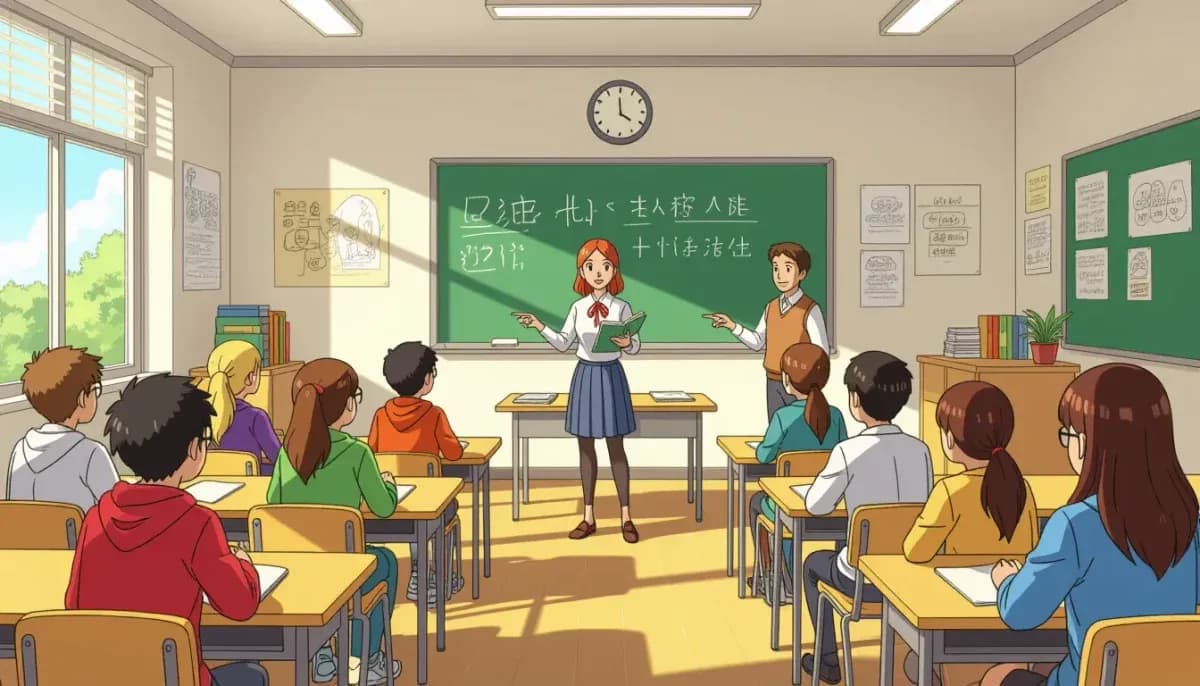
As an ALT in a public school, you'll typically teach 3 to 5 classes per day, each lasting 45 to 50 minutes. You work alongside a Japanese Teacher of English (JTE), and your role varies from school to school. Some JTEs want you to lead activities and games, while others prefer you to assist with pronunciation drills and conversation practice.
A typical class might look like this:
- Warm-up (5 min): Greetings in English, quick review of previous lesson
- Main Activity (25-30 min): New vocabulary, grammar points, or textbook exercises
- Communication Activity (10-15 min): Pair work, group games, or role-plays where students practice speaking
- Cool-down (5 min): Review and goodbye
Between classes, you'll have free periods for lesson preparation, eating lunch with students (a highlight for many ALTs), or attending to administrative tasks. Lunch is usually provided at public schools and features the same school lunch the students eat — a balanced meal that often includes rice, soup, a main dish, milk, and a side.
Eikaiwa Classes
Eikaiwa teaching is a completely different experience. Your students range from toddlers to retirees, and class sizes are typically small — between 1 and 8 students. You'll teach back-to-back lessons from around 1:00 PM to 8:00 PM, with short breaks in between.
Preparation time is usually built into your schedule, arriving around 11:00 AM to 12:00 PM to set up materials, review lesson plans, and coordinate with colleagues. Kids classes involve songs, games, and colorful materials, while adult classes focus more on conversation, business English, or exam preparation.
Lunchtime and Break Periods
For ALTs, lunchtime is more than just eating. In many Japanese schools, teachers eat with their students in the classroom. This is called kyushoku (school lunch), and it's a wonderful opportunity to bond with students in a relaxed setting. You might chat about their hobbies, teach them English food vocabulary, or learn some Japanese slang in return.
During free periods, the teachers' room (shokuin-shitsu) becomes your workspace. You'll see Japanese teachers grading papers, making phone calls to parents, and preparing for club activities. As an ALT, you can use this time to plan lessons, study Japanese, or help teachers with English materials.
Eikaiwa teachers usually grab lunch on their own before heading to work. Many take advantage of Japan's incredible food and restaurant scene — from ¥500 lunch sets at local restaurants to convenience store bento boxes.
After Work: Evening Life as an English Teacher
ALT Evenings
One of the biggest advantages of being an ALT is the early finish time. With work typically ending around 4:00 to 4:30 PM, you have long evenings to enjoy. Common after-work activities include:
- Studying Japanese: Many teachers attend language classes or study at home. Our Japanese learning guide has tips for all levels.
- Exploring the neighborhood: Discover local shops, parks, temples, and hidden restaurants
- Exercise: Join a gym, go running, or participate in sports clubs
- Socializing: Meet other expats at international meetups, language exchange events, or izakaya gatherings
- Lesson planning: While not required daily, staying ahead on lesson prep reduces weekday stress
Eikaiwa Evenings
Eikaiwa teachers face a different reality. Finishing at 8:00 or 9:00 PM means evenings are short. By the time you commute home, it might be 9:30 or 10:00 PM. This is the main trade-off for those leisurely mornings. Many eikaiwa teachers find that their social life shifts to weekday mornings and days off rather than traditional evening socializing.
If you're thinking about the financial side of daily life, our cost of living guide breaks down typical expenses for teachers across different cities.
Weekends and Days Off
ALT Weekends
ALTs follow the school calendar, which means weekends are completely free. You also get all national holidays, plus spring break (late March to early April), summer break (late July to late August), and winter break (late December to early January). During school vacations, ALTs often still report to work but have no classes — meaning you can spend the day studying, planning, or working on personal projects at your desk.
Weekend activities are where life in Japan really shines:
- Day trips: Visit nearby cities, hot springs, or scenic spots
- Festivals: Japan has festivals nearly every weekend throughout the year. Check our festivals and traditions guide for seasonal highlights.
- Social events: International parties, hiking groups, sports leagues, and cultural workshops
- Travel: Japan's excellent rail network makes weekend getaways easy and affordable
Eikaiwa Weekends
Many eikaiwa schools require Saturday or Sunday work, with days off falling on weekdays instead. This can feel isolating at first since your schedule doesn't align with most people. However, the upside is that you can enjoy tourist attractions, restaurants, and shops without the weekend crowds.
Challenges and Realities
Teaching English in Japan isn't all fun and festivals. Here are some honest realities to consider:
Culture shock and isolation: Especially in rural placements, loneliness can be a real challenge. Building a social network takes effort. Our guide to making friends and social life in Japan offers practical strategies.
Language barrier: While you're teaching English, daily life requires at least basic Japanese. Navigating city hall paperwork, doctor visits, and landlord communications can be stressful without language skills.
Work culture differences: Japanese workplace culture emphasizes punctuality, formality, and group harmony. Adjusting to these expectations takes time. Learn more about navigating Japanese culture and etiquette.
Limited career progression: English teaching salaries are relatively flat. Without additional qualifications or a career change, significant salary growth is difficult. For those considering a career pivot, Ittenshoku offers valuable guidance on career transitions in the Japanese job market.
Physical demands: Standing and performing for hours, managing energetic kids, and commuting in crowded trains can be exhausting.
Tips for Making the Most of Your Teaching Life
- Learn Japanese actively: Even basic conversational ability transforms your experience. Join a class, use apps, and practice with colleagues.
- Build routines: Establish healthy habits for exercise, meal prep, and lesson planning. Structure prevents burnout.
- Connect with other teachers: Join online communities, attend local meetups, and maintain friendships. The expat teaching community in Japan is welcoming and supportive.
- Explore beyond your city: Use weekends and holidays to travel. Japan is small enough to see incredible diversity within a few hours by train.
- Save money strategically: With relatively low rent in many placements and provided meals at school, ALTs can save a significant portion of their salary. Understanding banking and finance in Japan will help you manage your money effectively.
- Document your experience: Keep a journal, blog, or social media account. Your daily life in Japan is fascinating to others and creates lasting memories for yourself.
- Stay healthy: Register for health insurance promptly and find a doctor you're comfortable with. Japan's healthcare system is excellent and affordable.
Is Teaching English in Japan Right for You?
A day in the life of an English teacher in Japan is rewarding, challenging, and full of small discoveries. Whether you're waking up early for morning meetings at a rural elementary school or closing up an eikaiwa at 8 PM in central Tokyo, each day brings opportunities to connect with students, learn about Japanese culture, and grow as a person.
The JET Programme receives approximately 5,000 applications each year, with only about 1,000 accepted. Competition is real, but opportunities extend far beyond JET — dispatch companies, eikaiwa chains, and private schools are always hiring. For a thorough guide on getting started, check out Nomadic Matt's guide to teaching English in Japan and GaijinPot's salary breakdown.
If you're ready to take the leap, start by reading our Complete Guide to Working in Japan and visa and immigration guide to understand the practical steps for making your teaching dream a reality.

Originally from Vietnam, living in Japan for 16+ years. Graduated from Nagoya University, with 11 years of professional experience at Japanese and international companies. Sharing information about living in Japan for foreigners.
View Profile →Related Articles
International School Teaching Jobs in Japan Guide
Complete guide to international school teaching jobs in Japan. Learn about salary ranges from ¥300,000-¥700,000+/month, qualifications, hiring process, top schools, and how to apply as a foreign educator.
Read more →
Teaching English in Rural Japan What to Know
Complete guide to teaching English in rural Japan covering salary, daily life, classroom challenges, JET Programme placements, and practical tips for thriving in the Japanese countryside as a foreign teacher.
Read more →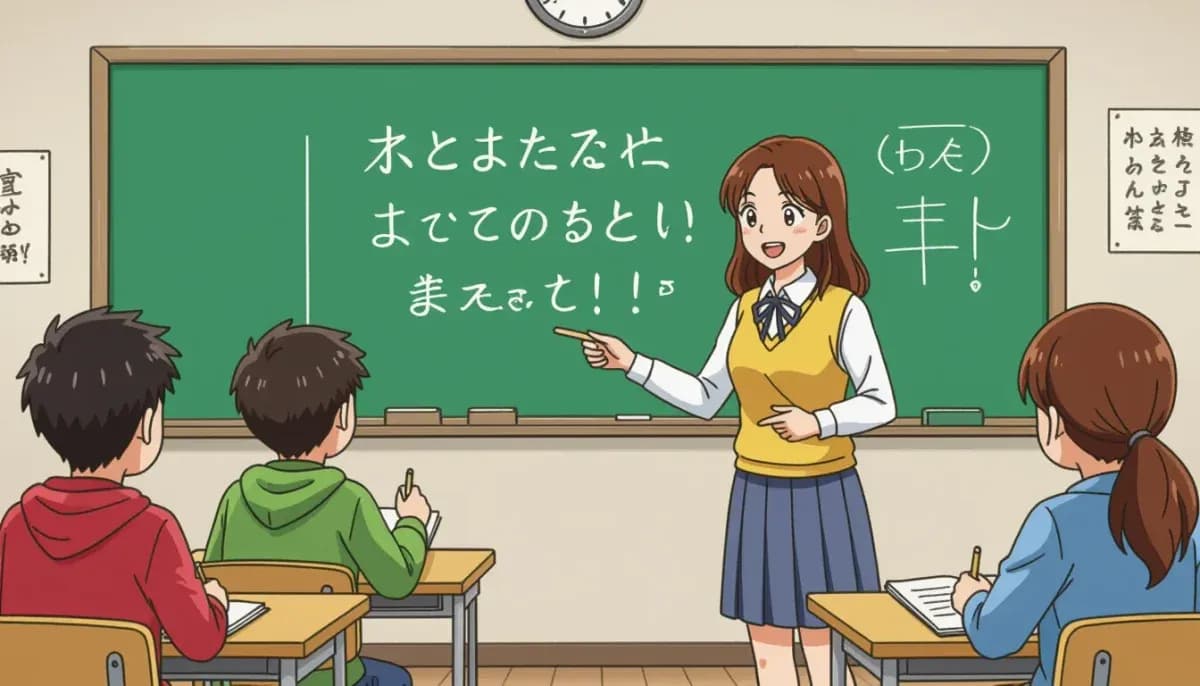
How to Get Your First Teaching Job in Japan
Complete guide to landing your first English teaching job in Japan. Learn about JET Programme, eikaiwa schools, salary expectations, visa requirements, and application tips for first-time teachers.
Read more →
Pros and Cons of Teaching English in Japan
Discover the real pros and cons of teaching English in Japan. Compare salaries for JET, ALT, eikaiwa, and international schools. Honest guide for foreigners considering English teaching careers in Japan.
Read more →
English Teaching Salary in Japan Complete Comparison
Compare English teaching salaries in Japan across JET Programme, ALT, eikaiwa, university, and international school positions. Detailed salary data, benefits, and cost of living breakdown for foreign teachers.
Read more →
Teaching English Online While Living in Japan
Learn how to teach English online while living in Japan. Discover top platforms, salary expectations, visa requirements, and practical tips for foreigners building an online teaching career.
Read more →