
Disaster Evacuation Procedures in Japan for Foreigners

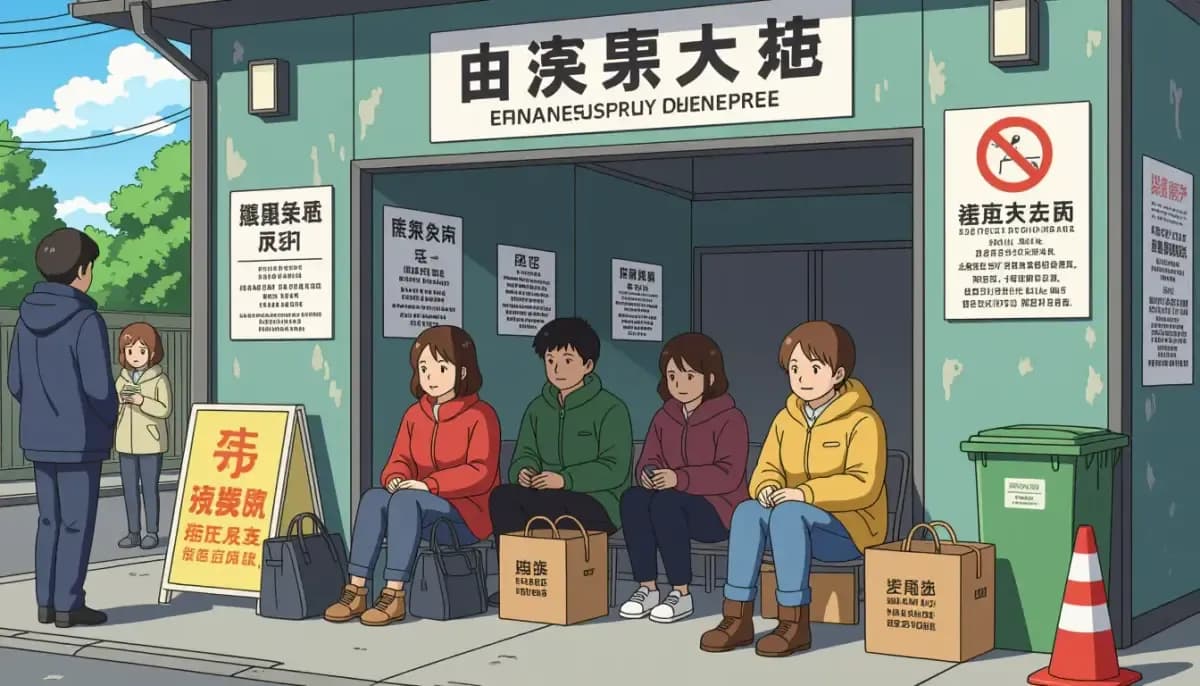
Complete guide to disaster evacuation in Japan for foreigners: learn J-Alert, evacuation shelters (避難所), emergency apps, language tips, and how to prepare your emergency kit as an expat.
Disaster Evacuation Procedures in Japan for Foreigners: A Complete Guide
Japan is one of the most disaster-prone countries in the world, sitting on the "Ring of Fire" and regularly experiencing earthquakes, tsunamis, typhoons, and volcanic activity. For foreigners living in or visiting Japan, understanding disaster evacuation procedures is not optional — it is essential. This guide walks you through everything you need to know: Japan's warning systems, evacuation steps, shelter information, essential apps, and how to overcome language barriers during an emergency.

Understanding Japan's Disaster Alert Systems
Japan has some of the most sophisticated disaster warning infrastructure in the world. As a foreigner, knowing these systems before an emergency occurs could save your life.
J-Alert (全国瞬時警報システム)
J-Alert is Japan's national emergency broadcasting system. When activated, it sends instant alerts via:
- Television and radio broadcasts
- Outdoor sirens and public address systems
- Mobile phones (Emergency Warning SMS)
- Municipal cable radio systems
J-Alert covers earthquakes, tsunamis, volcanic eruptions, ballistic missile threats, and extreme weather events. The alert will interrupt whatever is playing on TV or radio and display a warning message.
Earthquake Early Warning (緊急地震速報)
The Earthquake Early Warning (EEW) system detects the initial P-wave of an earthquake and sends alerts seconds before the stronger shaking arrives. You'll hear a distinctive alarm tone on your phone, TV, or radio, giving you precious seconds to take cover.
Safety Tips App
The Safety Tips app, developed by the Japan Tourism Agency, is the most important app every foreigner in Japan should have. It delivers:
- Earthquake Early Warnings
- Tsunami Warnings
- Volcanic Activity Alerts
- Typhoon and Severe Weather Alerts
- Civil Protection Information
Available in English, Chinese, Korean, Spanish, Portuguese, Vietnamese, Thai, and Indonesian. Download it immediately after arriving in Japan.
The 3-Step Japan Evacuation Process
Japan's disaster evacuation system follows a structured 3-step process that you must understand before a disaster strikes.
Step 1: Temporary Gathering Site (一時集合場所)
Immediately after a disaster, proceed to your nearest temporary gathering site. This is usually a park, open ground, or schoolyard near your home. Here, neighbors gather to:
- Check on each other's safety
- Assess local damage
- Wait for initial instructions from local authorities
Step 2: Wide Area Evacuation Site (広域避難場所)
If there is significant fire risk in your area (common after major earthquakes), you'll be directed to a wide area evacuation site. These are large open spaces like major parks or university campuses designed to protect evacuees from spreading fires.
Step 3: Evacuation Shelter (避難所/Hinanjo)
If your home is damaged or unsafe to return to, you'll move to a designated evacuation shelter (避難所). These are typically:
- Public school gymnasiums
- Community centers
- Public halls
At evacuation shelters, you will receive food, water, blankets, and access to toilets — all free of charge. Shelters remain open until the disaster situation has stabilized and residents can safely return home.
Finding Your Evacuation Shelter
One of the most important things you can do before a disaster happens is to locate your nearest designated evacuation shelter.
How to Find Your Shelter
- Check your ward/city office website — Most local governments have evacuation maps in English
- Use the Hazard Map Portal (国土交通省ハザードマップポータルサイト) available in multiple languages
- Look for the 避難所 sign — Green sign with a person running toward an exit symbol
- Ask your building manager — Many apartment complexes have evacuation maps posted in common areas
- Register with your local ward office — Essential for receiving official notifications
Tokyo alone has approximately 3,000 designated evacuation sites, ranging from temporary gathering areas to full evacuation shelters. Your ward office can provide a detailed map.
Evacuation Shelter Signs to Know
| Japanese | Reading | Meaning |
|---|---|---|
| 避難所 | Hinanjo | Evacuation shelter |
| 避難場所 | Hinanbasho | Evacuation area/site |
| 一時集合場所 | Ichiji shūgō basho | Temporary gathering site |
| 緊急避難場所 | Kinkyū hinanbasho | Emergency evacuation site |
| 津波避難場所 | Tsunami hinanbasho | Tsunami evacuation site |
| 避難路 | Hinanro | Evacuation route |
What to Do During Different Disasters
During an Earthquake
If you are indoors:
- Drop to the floor, take cover under a sturdy table or desk, and hold on
- Stay away from windows, bookshelves, and heavy furniture
- If in bed, stay there and protect your head with a pillow
- Do NOT run outside during shaking — falling debris is extremely dangerous
- After shaking stops, turn off gas stoves and check for gas leaks
- Open windows and doors before evacuating so you won't be locked in by structural damage
If you are outdoors:
- Move away from tall buildings, utility poles, and overhead cables
- Head to open spaces like parks or wide roads
If you are in a train or subway:
- Hold onto handrails firmly
- Crouch low and protect your head
- Follow staff instructions — do not attempt to exit until the train stops safely
During a Tsunami
- A strong or unusually long earthquake near a coast is a natural tsunami warning
- Do NOT wait for an official warning — evacuate to higher ground immediately
- Look for 津波避難場所 signs pointing to tsunami evacuation sites on elevated ground
- Once at high ground, do NOT return until authorities declare it safe
- A second or third wave may follow — the first wave is not always the largest
During a Typhoon
- Stay indoors and away from windows
- Stock at least 3 days of food, water, and medications
- Monitor NHK World or local English radio stations for updates
- If your building or neighborhood is issued an evacuation advisory, leave early — before conditions deteriorate
Overcoming the Language Barrier During Disasters
One of the biggest challenges for foreigners in Japan during a disaster is the language barrier. Understanding this challenge in advance can help you prepare.
The Reality of Language Barriers
- Initial emergency broadcasts are primarily in Japanese
- Immediately after a major earthquake, there will likely be no interpreters at evacuation shelters
- Evacuation signs in many areas are only in Japanese
- Official announcements over loudspeakers will be in Japanese
Practical Solutions for Foreigners
Before the disaster:
- Download and save the Safety Tips app for multilingual emergency alerts
- Download an offline Japanese-English dictionary app (e.g., Google Translate with offline Japanese pack)
- Learn key Japanese emergency phrases (see table below)
- Register with your country's embassy for emergency notifications
- Connect with English-speaking neighbors or community groups who can help during emergencies
During the disaster:
- Many evacuation shelters have a phrasebook with illustrations to help non-Japanese speakers communicate needs by pointing to pictures and words
- Show your smartphone translation to shelter staff
- Contact your embassy's emergency line if you cannot find assistance
Essential Japanese Emergency Phrases
| English | Japanese | Pronunciation |
|---|---|---|
| Help me! | 助けてください! | Tasukete kudasai! |
| Where is the evacuation shelter? | 避難所はどこですか? | Hinanjo wa doko desu ka? |
| I am injured | けがをしています | Kega wo shite imasu |
| I need medicine | 薬が必要です | Kusuri ga hitsuyō desu |
| I don't understand Japanese | 日本語がわかりません | Nihongo ga wakarimasen |
| Please call an ambulance | 救急車を呼んでください | Kyūkyūsha wo yonde kudasai |
| I am from [country] | 私は[国名]出身です | Watashi wa [kuni] shusshin desu |
Essential Apps and Resources for Foreigners
Must-Have Apps
| App | Purpose | Languages |
|---|---|---|
| Safety Tips | Emergency alerts (earthquakes, tsunami, typhoon) | 14 languages |
| NHK World | English disaster news and updates | English + others |
| Yahoo! Japan Bosai | Detailed disaster map and warnings | Japanese (useful visually) |
| Google Maps | Offline navigation to evacuation sites | Multiple |
| Google Translate | Real-time translation | Multiple |
English-Language Emergency Radio
If internet and mobile networks are down, these radio stations broadcast emergency information in English:
- NHK Radio 2 — AM 693kHz (nationwide)
- Inter FM — FM 89.7MHz (Tokyo)
- FM Yokohama — FM 84.7MHz (Kanagawa)
A battery-powered radio is an important part of your emergency kit.
Official Resources
- U.S. Embassy Emergency Preparedness Guide — guidance for American citizens, useful for all foreigners
- JNTO Safety Tips — Japan's official tourist and foreigner safety resource
- Japan Living Guide — Evacuation Measures — step-by-step evacuation guide for residents
- Living in Nihon Disaster Preparedness Guide — comprehensive resource for foreigners in Japan
Building Your Emergency Kit (防災グッズ)
Japanese households are strongly encouraged to maintain an emergency kit with at least 3-7 days of supplies. As a foreigner, your kit should include a few extra essentials.
Standard Emergency Kit Items
- Water: 2 liters per person per day (store at least 3 days' worth)
- Emergency food (canned goods, freeze-dried, energy bars)
- First aid kit
- Flashlight and extra batteries (or hand-crank flashlight)
- Battery-powered or hand-crank radio
- Whistle (to signal for help if trapped)
- Dust masks (N95 type)
- Emergency blankets (mylar)
- Cash in small bills (ATMs may be unavailable)
- Portable phone charger/power bank
Additional Items for Foreigners
- Photocopies of your residence card (在留カード), passport, and health insurance card — keep copies separate from the originals and also store digital copies in a cloud service
- Allergy/medical information card written in Japanese
- Your country's embassy contact information written on paper
- Prescription medications with extra supply
- Any necessary food items for dietary restrictions (halal, vegan, etc.)
For more on living safely in Japan, see our complete guide to daily life in Japan for foreigners and our healthcare guide for foreigners.
Registering as a Foreign Resident: Why It Matters for Disasters
Registering your address at your local ward or city office is legally required for foreigners in Japan, but it has direct practical benefits in disaster situations:
- You'll receive official evacuation notices — Local governments send notices based on registered addresses
- You may be connected to local disaster prevention groups (自主防災組織) that conduct regular drills
- Your local government will be able to account for you in post-disaster welfare checks
- Some ward offices send English-language newsletters with disaster preparedness information
If you haven't already, register at your ward office immediately. See our Japan visa and immigration guide for more on the registration process.
Participating in Disaster Drills
Many local governments in Japan conduct annual disaster drills (防災訓練), typically in September around Disaster Prevention Day (September 1). These drills often include:
- Practicing evacuation routes
- Using fire extinguishers
- First aid training
- Meeting local disaster response volunteers
As a foreign resident, participating in these drills is highly recommended. It helps you:
- Learn your local evacuation routes firsthand
- Meet neighbors who can help you during an actual disaster
- Practice communicating with local staff
- Receive any local evacuation maps or materials in person
Contact your ward office or check their website to find out when the next drill is scheduled in your neighborhood.
Additional Resources for Disaster Preparedness
For more in-depth information about disaster preparedness for foreigners in Japan, these resources are highly recommended:
- For Work in Japan — Living and Safety Resources — practical guides for foreign workers navigating life in Japan, including safety topics
- Ittenshoku — Relocating to Japan — relocation resources covering everything from housing to safety for foreigners making Japan their home
- Japan Earthquake Emergency Guide (Japan Cultural Journal) — detailed breakdown of Japan's earthquake alert system for foreigners
For broader context on staying safe and navigating daily life in Japan, explore our complete guide to safety and emergency preparedness in Japan.
Summary: Disaster Preparedness Checklist for Foreigners in Japan
Use this checklist to make sure you're prepared before a disaster strikes:
- [ ] Download the Safety Tips app and enable all notifications
- [ ] Locate your nearest evacuation shelter (避難所) and routes to reach it
- [ ] Prepare an emergency kit with at least 3 days of supplies
- [ ] Store photocopies of key documents (residence card, passport, insurance)
- [ ] Save your embassy's emergency contact number in your phone and on paper
- [ ] Register your address with your local ward office
- [ ] Learn basic Japanese emergency phrases
- [ ] Identify English-language radio stations in your area
- [ ] Have cash on hand in small denominations
- [ ] Participate in your local disaster drill
Japan's disaster preparedness systems are among the world's best, but they are most effective when everyone — including foreign residents — understands how to use them. Take the time now to prepare, and you'll be far better equipped when the unexpected happens.

Originally from Vietnam, living in Japan for 16+ years. Graduated from Nagoya University, with 11 years of professional experience at Japanese and international companies. Sharing information about living in Japan for foreigners.
View Profile →Related Articles

Winter Safety Tips and Cold Weather Guide for Japan
Essential winter safety guide for foreigners in Japan: heating safety, hypothermia prevention, heat shock risks, layering tips, and emergency preparedness for cold weather.
Read more →
Heat Stroke Prevention in Japan Summer Safety Guide
Learn how to prevent heat stroke in Japan's brutal summer heat and humidity. Essential tips on hydration, symptoms, emergency numbers (119, #7119), and Japanese-specific heat prevention strategies for foreigners.
Read more →
How to Prepare for Volcanic Eruptions in Japan
Complete guide for foreigners on volcanic eruption preparedness in Japan. Learn the JMA 5-level alert system, build your emergency kit, and know what to do during an eruption or ash fall.
Read more →
Fire Safety and Prevention in Japan for Residents
Learn essential fire safety tips for living in Japan — from emergency number 119 and smoke detector laws to apartment evacuation routes and fire insurance. A complete guide for foreigners.
Read more →
Japan Emergency Alert System How It Works
Everything foreigners need to know about Japan's J-Alert emergency alert system: how it works, what the sounds mean, why your foreign phone may not receive it, and which apps to install for English alerts.
Read more →
Flood and Landslide Safety in Japan Guide
Everything foreigners need to know about flood and landslide safety in Japan: understanding the 5-level warning system, reading hazard maps, essential apps, evacuation steps, and building a disaster kit.
Read more →