
Japan Akiya Abandoned House Investment Opportunities

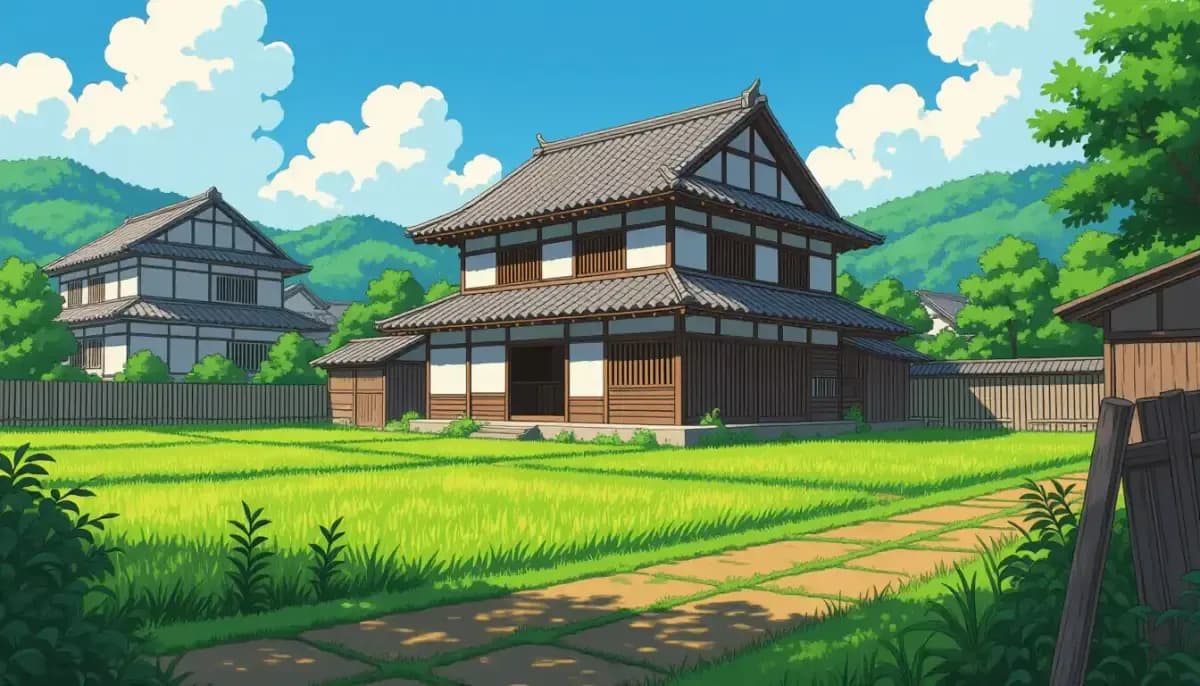
A complete guide to buying akiya (abandoned houses) in Japan as a foreigner. Learn costs, legal steps, renovation subsidies, and whether akiya investment is right for you.
Japan Akiya Abandoned House Investment Opportunities: A Complete Guide for Foreigners
Japan is sitting on a real estate paradox that foreigners are increasingly eager to explore. With approximately 9 million vacant homes — known as akiya (空き家) — scattered across the country, opportunities exist to acquire property at remarkably low prices. But like all things in Japan, the reality is nuanced. This guide breaks down everything you need to know about akiya investment as a foreigner, from finding properties to navigating the legal landscape and managing renovation costs.
What Is an Akiya and Why Are There So Many?
The word akiya literally means "empty house" in Japanese. These are properties left vacant due to Japan's demographic crisis: a shrinking, aging population, internal migration to major cities, and a cultural and legal system that makes inherited properties difficult to sell or demolish.
Japan's Ministry of Internal Affairs and Communications confirmed in their 2023 Housing and Land Survey that 13.8% of all dwellings — about 9 million homes — are vacant. The Nomura Research Institute projects this could surpass 30% by 2033 if no significant policy changes are made.
The causes are straightforward:
- Aging population: Elderly homeowners die without heirs willing to live in rural areas
- Urban migration: Younger generations move to Tokyo, Osaka, and Nagoya for work
- Inheritance complexity: Multiple heirs with conflicting interests often leave properties in legal limbo
- Demolition costs: Tearing down an old house is expensive (often ¥1–3 million), so owners simply abandon them
Rural prefectures feel this most acutely. Wakayama and Tokushima have vacancy rates exceeding 21%, while the San'in region (Shimane and Tottori), Shikoku island, and the Tohoku region are among the hardest hit.
For foreigners looking for affordable property in Japan — whether for living, investing, or lifestyle purposes — this creates a window of opportunity that didn't exist a generation ago.
Can Foreigners Buy Akiya in Japan?
Yes, and without major restrictions. Japan imposes no nationality-based restrictions on real estate ownership. Whether you're a tourist, a working visa holder, or a permanent resident, you can legally purchase property in Japan.
However, there are important caveats:
- Owning property does NOT grant residency or a visa. You must qualify for a visa separately through work, marriage, or other legitimate pathways. If you want to understand your visa options, see our Complete Guide to Japan Visa and Immigration.
- Some municipalities impose residency requirements. Certain akiya programs require buyers to actually live in the property — not just own it on paper.
- Agricultural land rules are strict. If the property includes farmland, you'll need agricultural committee approval and may need to commit to full-time farming.
- Properties in restricted zones near borders or military installations may have additional hurdles for non-residents.
As of 2025, Japan has tightened restrictions on foreign acquisition of farmland specifically, but residential akiya purchases remain broadly accessible to foreign nationals.
For more context on settling in Japan and what foreigners need to know about the housing market, resources like Living in Nihon offer comprehensive guides on property, visas, and expat life in Japan.
How Much Does an Akiya Cost? Understanding the Real Price
The advertised price of an akiya can be shockingly low — sometimes as little as ¥100,000 to ¥500,000 (roughly $700–$3,500 USD). This captures headlines, but the total cost of acquisition and renovation tells a very different story.
| Cost Category | Typical Range | Notes |
|---|---|---|
| Purchase price | ¥0 – ¥5,000,000 | Some listed as free or near-free |
| Renovation | ¥1,000,000 – ¥10,000,000+ | Often exceeds purchase price |
| Property acquisition tax | Varies by prefecture | Billed after purchase |
| Registration & license tax | ~1.5–2% of assessed value | Ownership transfer fee |
| Agent commission | 3% + ¥60,000 + tax | Standard real estate fee |
| Annual property tax | ~1.4% of assessed value | Plus city planning tax up to 0.3% |
| Seismic upgrade (if pre-1981) | ¥500,000 – ¥3,000,000+ | Required for older structures |
The hidden cost of renovation is the biggest surprise for first-time buyers. Many akiya predate Japan's revised 1981 earthquake safety standards, meaning structural reinforcement may be legally required before habitation. Add in termite damage (extremely common in older Japanese wooden homes), outdated plumbing, leaky roofs, and disconnected utilities, and renovation budgets can balloon quickly.
Buyer's mindset matters: Most experts advise treating akiya as a lifestyle or long-term investment, not a vehicle for quick profit. Properties in depopulated areas have limited resale demand and rental markets. If you're buying to flip, proceed with extreme caution.
How to Find Akiya Properties: Akiya Banks and Online Platforms
Akiya banks (空き家バンク) are government-operated or NPO-run databases that list vacant properties available for purchase or rent. Most are run by municipal governments hoping to revitalize their communities.
English-Friendly Platforms for Foreign Buyers:
| Platform | Type | Best For |
|---|---|---|
| Akiya & Inaka | Full-service brokerage | End-to-end buyer support |
| Akiya-Mart | Search platform | Map-based browsing in USD/JPY |
| Akiyaz | Curated listings | ROI-focused buyers |
| AkiyaBanks | Aggregator | Links to local government banks |
| Old Houses Japan | Specialist listings | Traditional kominka homes |
| Akiya Air | Marketplace | Short-term and long-term listings |
| AllAkiyas | Search aggregator | Broad inventory browsing |
For a curated breakdown of top akiya platforms for foreigners, MailMate's guide to akiya banks is an excellent starting point.
Tips for searching:
- Start with prefectures that offer active subsidy programs (Nagano, Okayama, and Shimane are known for it)
- Look for properties with existing utilities already connected — reconnection fees add up
- Use both national platforms and direct municipal akiya bank websites for the widest selection
The Step-by-Step Buying Process for Foreigners
Buying property in Japan as a foreigner follows the same general process as for Japanese citizens, but with extra paperwork and language challenges. Here's the typical journey:
1. Search and Shortlist Browse akiya bank listings online. Filter by price, location, and condition. Many listings are Japanese-only, so using a translation tool or bilingual agent is essential.
2. Visit the Property Always inspect in person before purchasing. Hire a certified home inspector (建物調査士) to assess structural integrity, especially for pre-1981 buildings.
3. Verify Ownership and Title Request the toukibo (登記簿) — the property registry — from the Legal Affairs Bureau. This reveals ownership history, any mortgages or liens, and legal status. Akiya with unclear inheritance situations can be stuck in legal limbo for years.
4. Hire Professionals You'll need at minimum:
- A licensed real estate agent (fudousan-ya, 不動産屋)
- A shihou shoshi (judicial scrivener) to handle ownership transfer paperwork
- A bilingual interpreter or bilingual agent if you don't speak Japanese
For foreigners navigating Japan's working and living environment, For Work in Japan provides resources on housing infrastructure and related expat needs.
5. Submit Application Many municipal akiya programs require an application explaining your planned use of the property and your residential intentions.
6. Sign the Purchase Agreement The baibai keiyakusho (売買契約書) is the binding purchase contract. Read it carefully — Japan does not use escrow; funds transfer directly via bank.
7. Complete Registration Ownership is officially transferred at the Legal Affairs Bureau (法務局, homukyoku). This process can take several weeks to months.
Total timeline: Plan for 3–6 months from search to completion, potentially longer for properties with ownership complications.
For a detailed breakdown of housing in Japan from a foreigner's perspective, see our Complete Guide to Finding Housing in Japan.
Renovation Subsidies and Government Support
Japan's national and local governments actively want akiya properties restored. Several programs exist to help buyers defray renovation costs:
National-Level Support:
- 住宅確保要配慮者専用賃貸住宅改修費補助金: Renovation grants for homes converted to designated rental housing
- 空き家対策総合支援事業: Comprehensive akiya support programs run by municipalities
Common Local Government Incentives:
- Cash subsidies of ¥500,000 – ¥2,000,000 for renovation
- Preferential land tax reductions for restored properties
- Free or subsidized architect consultations
- Moving expense support for families relocating from urban areas
The availability and amount of these subsidies varies greatly by municipality. Some of the most generous programs are in Okayama, Shimane, Tottori, Nagano, and Niigata prefectures. Contact the local municipal office (shiyakusho, 市役所) directly to inquire about current programs.
Ittenshoku provides career and relocation resources that can be useful if you're considering a broader move to rural Japan that includes remote work alongside akiya investment.
Is Akiya a Good Investment? Honest Pros and Cons
Before committing, weigh the realities honestly:
Pros:
- Extremely low entry price compared to urban Japanese real estate
- Some properties include large land plots
- Government subsidies can significantly offset renovation costs
- Opportunity to live in authentic Japanese countryside settings
- Growing market of services targeting foreign akiya buyers
- Rental potential for short-term stays (Airbnb-style) in tourist areas
Cons:
- Renovation costs frequently exceed the purchase price
- Depopulated areas have limited rental and resale markets
- Pre-1981 buildings may need mandatory seismic upgrades
- Language and legal barriers are significant for non-Japanese speakers
- Owning property does NOT grant visa or residency rights
- Ongoing property taxes even if the property is empty
- Distance from urban centers affects lifestyle quality
Verdict: Akiya is best suited for buyers with a long-term vision — those who want to live in Japan, operate a guesthouse or Airbnb, pursue rural lifestyle goals, or build a creative project. It is not a reliable vehicle for passive income or short-term capital gains in most cases.
For a broader picture of what life and finances look like in Japan, see our Complete Guide to Cost of Living in Japan.
Key Mistakes to Avoid When Buying Akiya
Learning from common mistakes can save you significant time, money, and frustration:
- Skipping the property inspection — Always hire a professional inspector before committing
- Ignoring title verification — Unclear inheritance situations can make properties legally unmovable
- Underestimating renovation costs — Budget at least ¥3–5 million for any substantial renovation
- Buying without local ties — Community acceptance matters in rural Japan; building relationships first helps
- Assuming you can rent freely — Short-term rental (minpaku) laws restrict Airbnb operations to certain days per year unless you obtain a proper license
- Not checking zoning — Some properties are in agricultural or forest zones with strict land-use rules
- Going it alone without a bilingual agent — Japan's real estate contracts are complex even in English; Japanese-only paperwork is a serious risk
For more on Japan's legal and financial systems from a foreigner's perspective, our Complete Guide to Taxes in Japan for Foreigners covers property tax obligations in detail.
Getting Started: Your Akiya Action Plan
If you're serious about exploring akiya investment, here's a practical starting framework:
- Define your goal — Living there full-time, vacation home, rental business, or resale?
- Research regions — Visit target prefectures before committing; rural Japan varies enormously
- Set a total budget — Include purchase price + renovation + taxes + professional fees
- Find a bilingual agent — English-language support services like Akiya & Inaka or GaijinPot can help connect you
- Read the GaijinPot guide — How to Buy an Abandoned House in Japan is one of the most practical English-language resources
- Check municipal subsidy programs — Contact local offices for the latest incentives
- Apply for the right visa first — Ensure your residency situation supports long-term property ownership plans
Akiya investment isn't for everyone, but for the right buyer — patient, resourceful, and genuinely drawn to rural Japan — it represents one of the most unusual and potentially rewarding real estate opportunities in the world today.
For a broader view of life as a foreigner in Japan, our Complete Guide to Moving to Japan covers everything from visas to daily living essentials.
Japan's akiya crisis is ultimately a community story — empty houses in villages that were once full of life. When a foreigner buys and restores one, they often become part of something bigger than a real estate transaction. That context makes all the difference.

Originally from Vietnam, living in Japan for 16+ years. Graduated from Nagoya University, with 11 years of professional experience at Japanese and international companies. Sharing information about living in Japan for foreigners.
View Profile →Related Articles
Japan Real Estate Scams to Watch Out For
Learn how to spot and avoid Japan real estate scams. From fake listings and key money fraud to unlicensed agents — protect yourself with our complete guide for foreigners renting or buying in Japan.
Read more →
Airbnb and Minpaku Investment in Japan Legal Guide
A complete guide to Airbnb and minpaku investment in Japan for foreigners. Learn about licensing types, registration steps, regional restrictions, investment returns, and legal requirements under Japan's Private Lodging Business Act.
Read more →
Japan Property Buying Process Step by Step Explained
Complete step-by-step guide to buying property in Japan as a foreigner. Covers the 7 stages from property search to ownership transfer, costs, timelines, and legal requirements.
Read more →
Japan Condo Mansion vs House Which to Buy
Comparing Japan mansion (condo) vs detached house for foreign buyers. Full breakdown of costs, monthly fees, value retention, earthquake safety, mortgages, and which option fits your lifestyle.
Read more →
Best Areas to Buy Property in Japan for Investment
Discover the best areas to buy property in Japan for investment. Compare Tokyo, Osaka, Fukuoka, Kyoto and more with rental yields, price trends, and tips for foreign investors.
Read more →
Rental Income Tax in Japan for Foreign Property Owners
Complete guide to rental income tax in Japan for foreigners. Learn about the 20.42% withholding tax for non-residents, deductible expenses, tax agent requirements, and how to file your Japanese tax return.
Read more →