
SBI Remit Japan International Transfer Guide


Complete guide to SBI Remit for foreigners in Japan. Learn how to register, compare fees by country (Philippines, Vietnam, China), transfer methods, and tips to save money on international transfers.
SBI Remit Japan International Transfer Guide: Everything Foreigners Need to Know
If you're a foreigner living in Japan and need to send money back home, SBI Remit is one of the most popular and cost-effective options available. Whether you're supporting family in the Philippines, Vietnam, China, or any of the 200+ countries they serve, this guide covers everything you need to know about using SBI Remit — from registration and fees to step-by-step transfer instructions.
According to 2025 data reported by Nihon Keizai Shimbun, overseas transfers by Japan's foreign workers are expected to exceed 1 trillion yen annually — a testament to how essential international remittance services have become for the growing expat and foreign worker community in Japan.
What Is SBI Remit?
SBI Remit (SBIレミット) is a Japan-based international money transfer service founded in 2010. It is a subsidiary of SBI Holdings, one of Japan's leading financial groups. The service specializes in low-cost international money transfers for people living and working in Japan.
Key facts about SBI Remit:
- Supports transfers to 200+ countries and regions worldwide
- Available in 12+ languages including English, Japanese, Chinese, Tagalog, Vietnamese, and more
- Uses Ripple's distributed ledger technology for fast, secure transactions
- Offers both bank account deposits and cash pickup through MoneyGram partnership
- Has a point rewards program for frequent senders
SBI Remit is particularly popular among Filipino, Vietnamese, Chinese, and other Asian communities in Japan due to competitive fees and the cash pickup option — ideal for sending money to family members who may not have a bank account.
For a broader overview of banking and financial services in Japan, check out our Complete Guide to Banking and Finance in Japan for Foreigners.
How to Register for SBI Remit
Getting started with SBI Remit is straightforward, though the registration process takes about 5–7 business days before you can start transferring money.
What You Need to Register
- Foreigner Registration Card (在留カード) — This is the primary ID for foreign nationals. Note: A Japanese driver's license is for Japanese nationals only.
- A Japanese bank account (for the reserve account funding method)
- A smartphone or computer with internet access
Registration Steps
- Visit the SBI Remit website or download the app — Go to www.remit.co.jp/en or search "SBI Remit" in the App Store or Google Play.
- Create a free account — Registration is completely free. Fill in your personal details, including your name as it appears on your residence card.
- Submit identity verification — Upload a photo of your Foreigner Registration Card. Some users note this step requires multiple documents, so have your card ready.
- Receive your Welcome Pack — Within approximately one week, a Welcome Pack will be delivered to your registered address via courier. This contains the details needed to activate full remittance services.
- App registration (faster option) — If you register via the SBI Remit app, you may be able to complete the application in 5 minutes and begin transferring as early as the next business day.
Tip: If you want to start sending money quickly, use the app registration method — it's faster than the website registration.
Understanding SBI Remit Fees
One of the most important things to understand before using any remittance service is the full cost — not just the advertised transfer fee, but also exchange rate margins and deposit fees.
Transfer Fees by Destination
| Destination | Transfer Amount | Fee |
|---|---|---|
| Philippines | 1 – 10,000 JPY | 480 JPY |
| Philippines | Over 200,000 JPY | 1,500 JPY |
| Vietnam | Up to 50,000 JPY | 460 JPY |
| Vietnam | Over 300,000 JPY | 1,760 JPY |
| China (bank transfer) | Up to 10,000 JPY | 460 JPY |
| China (over 300,000 JPY) | Over 300,000 JPY | 0 JPY |
| Thailand / Indonesia | Up to 10,000 JPY | 460 JPY |
| Thailand / Indonesia | Over 250,000 JPY | 1,980 JPY |
| Africa / Hong Kong / South Korea | Under 30,000 JPY | 880 JPY (minimum) |
Deposit Fees (Funding Your Reserve Account)
To send money through SBI Remit, you first deposit funds into a Reserve Account. The deposit fees vary by method:
- Bank transfer: Fee varies by your bank
- ATM via Remit Card (Japan Post): 330 JPY for amounts under 50,000 JPY
- ATM via Remit Card (Lawson Bank): Flat 300 JPY
- Convenience store deposit: 360–800 JPY depending on amount
Comparing SBI Remit vs. Other Services
For a typical transfer of 100,000 JPY to USD, here's how SBI Remit compares:
| Service | Transfer Fee | Amount Received (USD) |
|---|---|---|
| Wise | 859 JPY | ~$660.94 |
| SBI Remit | 1,980 JPY | ~$647.00 |
| Seven Bank | 1,950 JPY | ~$644.01 |
| Sony Bank | 3,000 JPY | ~$626.04 |
| Traditional Banks | 5,500+ JPY | ~$608.96 |
SBI Remit is significantly cheaper than traditional bank transfers and competitive with other dedicated remittance services. For the absolute cheapest bank-to-bank transfers, Wise often wins. However, SBI Remit excels for cash pickup options and serving recipients who don't have bank accounts.
For a comprehensive fee comparison of all top money transfer services from Japan, see this detailed review at Japan Life Start.
How to Send Money with SBI Remit
Once registered, sending money is a simple process. SBI Remit offers 4 transfer methods to suit different needs:
Method 1: Online Remittance (Most Common)
- Log in to the SBI Remit website or app
- Deposit funds into your designated Reserve Account (via bank transfer, ATM, or convenience store)
- Select "New Remittance" and choose your registered recipient
- Enter the transfer amount and confirm the exchange rate and fees
- Submit the request — funds are typically sent within 1 business day for bank transfers
Method 2: Remit Card
The Remit Card works like a prepaid card you can fund at ATMs (including Lawson Bank and Japan Post ATMs) and use to initiate transfers without needing to go online.
Method 3: Furikomi Remittance
This method links directly to your Japanese bank account for automatic fund transfers. Suitable for those who want a seamless bank-integrated experience.
Method 4: Convenience Store Remittance
You can deposit funds and arrange transfers at major convenience stores across Japan — perfect if you don't have a bank account or prefer cash transactions.
Cash Pickup via MoneyGram
One of SBI Remit's standout features is its partnership with MoneyGram, allowing recipients in the Philippines, Vietnam, and other countries to pick up cash at thousands of MoneyGram locations — no bank account required. Cash pickup can arrive in as little as 10 minutes.
SBI Remit for Specific Countries
Philippines
The Philippines is one of SBI Remit's strongest markets. You can send money directly to Philippine bank accounts (BDO, BPI, Metrobank, etc.) or arrange cash pickup at MoneyGram agents. SBI Remit is even connected to GCash, the popular Philippine digital wallet, making transfers even more convenient.
See detailed guidance from Wise on SBI Remit to GCash transfers.
Vietnam
Vietnam-bound transfers are supported with competitive fees starting at 460 JPY. Both bank transfers and MoneyGram cash pickup are available.
China
China offers an interesting fee structure — transfers over 300,000 JPY to Chinese bank accounts incur zero transfer fees, making large transfers particularly economical.
Other Countries
SBI Remit covers 200+ countries. For the full list of eligible destinations, check the official country list on the SBI Remit website.
Tips for Getting the Best Rates
Saving money on international transfers is about more than just the transfer fee. Here are practical tips:
- Check the exchange rate spread — SBI Remit builds a margin into their exchange rates. Compare the rate offered versus the mid-market rate on Google to understand the true cost.
- Send larger amounts when possible — Fees are tiered, so larger transfers are proportionally cheaper.
- Avoid convenience store deposits for large amounts — These have higher deposit fees (up to 800 JPY). Use bank transfers or ATMs instead.
- Use the app for faster registration — App-based sign-up can be faster than postal registration.
- Check the SBI Remit point program — Frequent transfers earn points that can offset future fees.
- Timing matters — Exchange rates fluctuate daily. Check rates at different times to get the best deal.
- Compare before each transfer — For large amounts, it's worth checking Wise or other services, as rates can vary significantly.
For expats managing finances across borders, it's also worth reading our Complete Guide to Taxes in Japan for Foreigners to understand any tax implications of regular international transfers.
Common Questions About SBI Remit
How long does a transfer take? Bank-to-bank transfers typically take 1–3 business days. Cash pickup via MoneyGram can arrive in as little as 10 minutes.
Is there a transfer limit? SBI Remit has per-transaction and cumulative limits that vary based on your verification level and destination. Higher verification unlocks higher limits.
What happens if I make an error? Remittance cancellations incur a 1,000 JPY bounced transaction fee, so double-check all recipient details before confirming.
Can I use SBI Remit without a Japanese bank account? Yes — you can deposit funds via convenience store or ATM using the Remit Card, eliminating the need for a Japanese bank account.
Is SBI Remit safe? Yes. SBI Remit is regulated by Japan's Financial Services Agency (FSA) and is a subsidiary of SBI Holdings, a major Japanese financial conglomerate. They use Ripple's blockchain technology for added security.
Additional Resources for Expats in Japan
Managing money as a foreigner in Japan involves more than just remittance services. Here are some helpful resources:
- For comprehensive expat financial advice, visit Living in Nihon — a great resource for foreigners navigating life in Japan
- Job seekers can explore financial topics and salary guidance at For Work in Japan
- For IT career changers looking to increase their income in Japan, Ittenshoku offers detailed salary and career advice
- General expat financial services overview: Japan Living Guide International Money Transfers
Also see our guides on:
- Moving to Japan — financial preparation for your move
- Working in Japan — understanding your salary and benefits
- Cost of Living in Japan — budgeting for life in Japan
Conclusion
SBI Remit is a reliable, affordable, and versatile international money transfer service for foreigners in Japan. While services like Wise may offer slightly better exchange rates for bank-to-bank transfers, SBI Remit's key advantages include:
- Widespread country coverage (200+ destinations)
- Cash pickup option via MoneyGram for recipients without bank accounts
- Multiple funding methods including convenience stores and ATMs
- Strong Asia coverage, especially Philippines and Vietnam
- Multilingual support in 12+ languages
Whether you're sending a monthly allowance to family, covering emergency costs, or making regular remittances, SBI Remit offers a straightforward and cost-effective solution that's specifically designed for people living and working in Japan.
Start by visiting SBI Remit's official website to compare rates, check fees for your destination country, and begin your registration.

Originally from Vietnam, living in Japan for 16+ years. Graduated from Nagoya University, with 11 years of professional experience at Japanese and international companies. Sharing information about living in Japan for foreigners.
View Profile →Related Articles
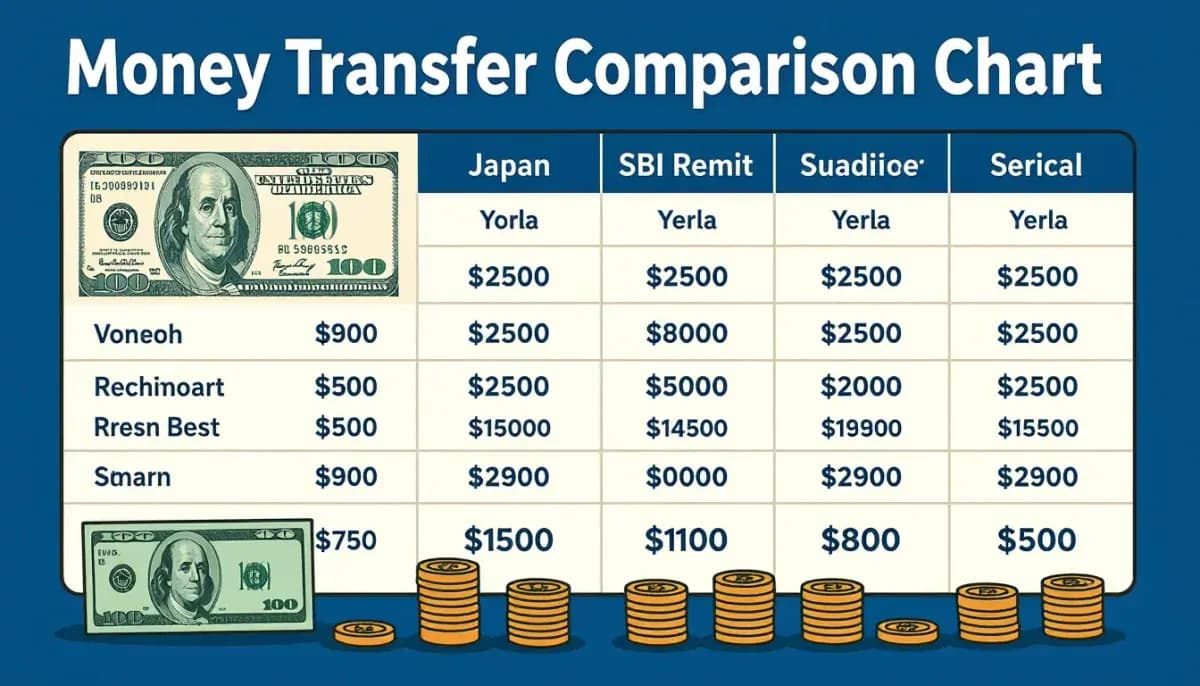
Money Transfer Fees from Japan Complete Comparison
Compare money transfer fees from Japan: Wise, SBI Remit, Revolut, banks and more. Find the cheapest way to send money abroad as a foreigner in Japan with real fee data.
Read more →
GoRemit Shinsei Bank International Transfer Guide
Complete guide to GoRemit Shinsei Bank's international transfer service, its October 2025 discontinuation, and the best alternatives for expats in Japan including SBI Remit and Wise.
Read more →
Tips for Sending Money to Family from Japan
Practical tips for foreigners sending money to family from Japan. Compare Wise, bank transfers, SBI Remit. Save on fees, time transfers, claim tax deductions for overseas dependents.
Read more →
Comparing Money Transfer Services Available in Japan
Compare the top money transfer services in Japan including Wise, SBI Remit, Western Union, and Revolut. Find the cheapest and fastest option for sending money abroad as a foreigner in Japan.
Read more →
Japan Remittance Tax Rules and Reporting Requirements
Understand Japan's remittance tax rules for non-permanent residents: the ¥1,000,000 reporting threshold, deemed remittance rules, FX gains, and how to file correctly as a foreigner in Japan.
Read more →
Cryptocurrency for Remittances from Japan
Learn how to use cryptocurrency for international remittances from Japan. Compare XRP, Bitcoin, and stablecoins, understand tax rules, and discover the best FSA-licensed exchanges for foreign residents.
Read more →