
Furusato Nozei Hometown Tax Program Guide

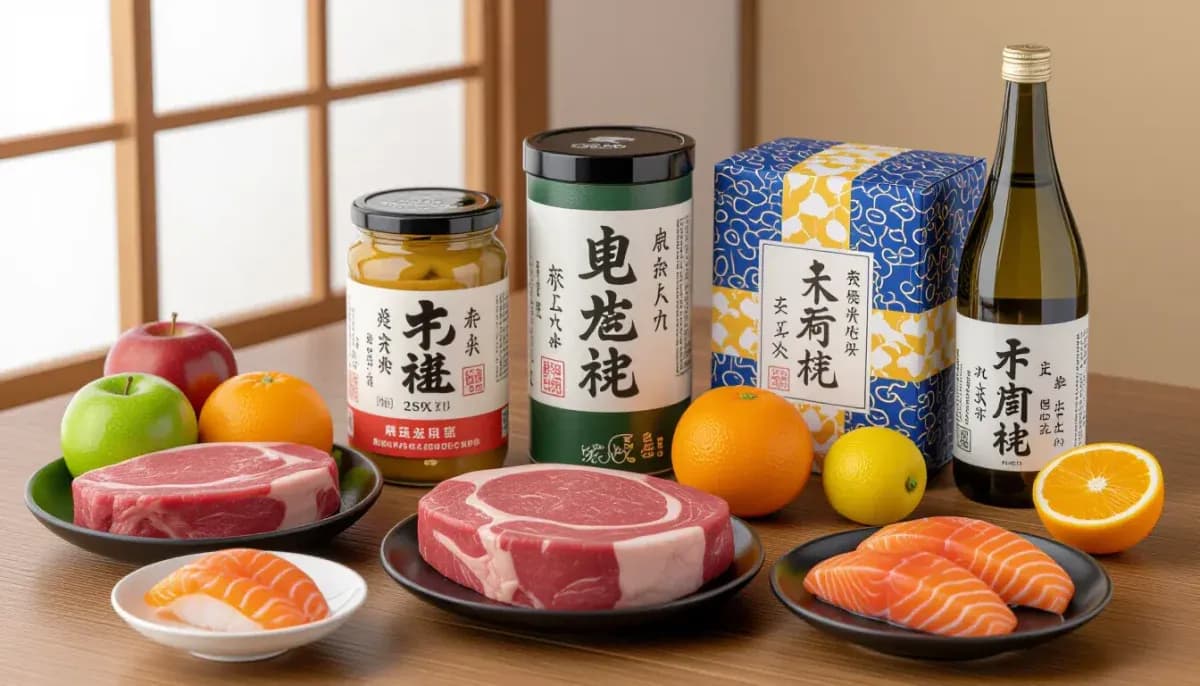
Complete guide to Japan's Furusato Nozei hometown tax system for foreign residents. Learn eligibility requirements, deduction limits, step-by-step process, and 2025 rule changes to maximize your tax benefits.
Furusato Nozei Guide for Foreigners: How Japan's Hometown Tax Benefits You
Japan's Furusato Nozei (ふるさと納税) system is one of the country's most unique and popular tax donation programs — and as a foreign resident, you can take full advantage of it too. By making donations to municipalities across Japan, you can receive premium local goods while effectively reducing your tax burden. In fiscal year 2024, over ¥1.2 trillion was donated through the program — the highest amount ever recorded — showing just how popular and valuable this system has become.
This complete guide explains everything you need to know about Furusato Nozei as a foreigner living in Japan, from eligibility requirements to how to claim your deductions.

What is Furusato Nozei (Hometown Tax)?
Furusato Nozei, which translates roughly to "hometown tax donation," is a system launched in 2008 that allows residents of Japan to donate money to any municipality they choose — not just their place of birth or residence. In return for their donations, municipalities send thank-you gifts, typically local specialty products worth approximately 30% of the donation amount.
The magic of the system lies in its tax benefits: the portion of your donation exceeding 2,000 yen is fully deducted from your income tax and the following year's resident tax. This means your effective personal cost is just ¥2,000, regardless of how much you donate (within your deduction limit).
Key points:
- Donate to any municipality in Japan
- Receive local specialty gifts worth ~30% of your donation
- Deduct nearly the full donation from your taxes
- Net personal cost: only ¥2,000
The program has grown dramatically over the years. Donation volume increased by an incredible 2,384% from 2014 to 2022 as online platforms made participation easier. As of 2023, 1,785 local governments are registered in the system.
Can Foreigners Use Furusato Nozei?
Yes — foreigners can absolutely participate in Furusato Nozei. Nationality is irrelevant to eligibility. The only requirement is that you pay income tax and/or resident tax in Japan. If you meet this condition, you can donate and receive the same tax benefits as Japanese citizens.
You are eligible if you:
- Are a resident of Japan (hold a valid residence card)
- Pay Japanese income tax or resident tax
- Have sufficient tax liability to benefit from deductions
You are NOT eligible if you:
- Do not pay income or resident tax in Japan (e.g., you are a dependent with no income)
- Are exempt from Japanese taxes due to visa status or other reasons
- Are a short-term visitor without residency
Most foreign workers on employment visas, permanent residents, and long-term residents are fully eligible. If you're unsure about your tax obligations, check with your employer's HR department or a tax professional. You can also learn more about Japan's tax system in our comprehensive guide to taxes in Japan for foreigners.
How Much Can You Donate? Understanding the Deduction Limit
The maximum amount you can donate while receiving full tax deductions depends on your annual income and family structure. Here's a reference table to help you estimate your limit:
| Annual Income (¥) | Single, No Dependents | Married, No Dependents | Married, 1 Child |
|---|---|---|---|
| 2,000,000 | ¥15,000 | ¥15,000 | ¥7,000 |
| 3,000,000 | ¥28,000 | ¥19,000 | ¥15,000 |
| 4,000,000 | ¥42,000 | ¥33,000 | ¥29,000 |
| 5,000,000 | ¥61,000 | ¥49,000 | ¥44,000 |
| 7,000,000 | ¥108,000 | ¥86,000 | ¥78,000 |
| 10,000,000 | ¥176,000 | ¥153,000 | ¥144,000 |
Note: These are approximate figures. Use the official calculators on Furusato Nozei websites for accurate limits based on your exact income and deductions.
For example, a single person earning ¥4 million annually can donate approximately ¥42,000. After claiming deductions, the actual cost is just ¥2,000 — meaning you effectively receive gifts worth around ¥12,600 (30% of ¥42,000) at a personal cost of only ¥2,000.
Step-by-Step: How to Use Furusato Nozei
Participating in Furusato Nozei is straightforward. Here's the complete process:
Step 1: Calculate your deduction limit Visit any major Furusato Nozei portal and use their deduction simulator. Enter your annual income, filing status, and number of dependents to find your maximum donation amount.
Step 2: Choose a municipality and gifts Browse available municipalities and their return gifts. You can search by category (wagyu beef, fresh seafood, rice, sweets, etc.) or by region. Popular sites include:
- Furusato Choice — Japan's largest portal with the widest selection
- Satofull — Known for fast delivery (sometimes within a week)
- Furunavi — Offers point accumulation for flexible gift redemption
Step 3: Make your donation Most portals accept credit cards, convenience store payments, and bank transfers. Fill in your name exactly as it appears on your residence card — including your full name. Important for foreigners: Many sites do not support middle name entry. You must use your full legal name as written on your residence card or passport to avoid problems when claiming deductions later.
Step 4: Receive your return gifts Gifts are typically shipped within a few weeks to a few months, depending on the municipality and gift type. Seasonal products like fresh fruit or seafood may have longer wait times.
Step 5: Receive and keep your donation certificate The municipality will send you a donation receipt (寄附金受領証明書, kifu-kin juryō shōmeisho). Keep this safe — you'll need it to claim your tax deduction.
Step 6: Claim your deduction There are two methods:
- One-Stop Special System (ワンストップ特例): For salaried employees who donate to 5 or fewer municipalities. Submit the application form to each municipality by January 10 of the following year. Your employer will handle the rest — no tax return needed.
- 確定申告 (Tax Return): Required if you donate to more than 5 municipalities, are self-employed, or need to file a tax return for other reasons. Include all donation certificates when filing your annual return.
For more information on the Japanese tax filing process, see our banking and finance guide for foreigners in Japan.
2025 Rule Changes: What You Need to Know
Starting October 1, 2025, significant changes to the Furusato Nozei system took effect:
Portal site bonus points banned: Previously, donation portals could offer bonus points (like cashback or loyalty points) as an incentive. The Ministry of Internal Affairs and Communications has prohibited this practice, meaning you can no longer earn bonus points on top of your return gifts.
Possible deduction cap: As of late 2025, the government is considering capping the maximum deduction amount. This has not been finalized, but it's worth monitoring if you make large donations.
What stays the same:
- Return gifts (up to 30% of donation value) remain allowed
- One-Stop Special System still available
- Foreign residents remain fully eligible
For the most current rules, check the official Japan Ministry of Internal Affairs website or consult a local tax advisor. Resources like Belonging Japan's Furusato Nozei guide are also regularly updated.
!Step-by-step furusato nozei donation process on Japanese online portal with specialty food gifts

Popular Return Gifts and What to Expect
One of the most enjoyable parts of Furusato Nozei is selecting your return gifts. Here are the most popular categories:
Food & Drink:
- Wagyu beef — Saga Beef, Kyushu Black Wagyu, Matsusaka Beef
- Fresh seafood — Snow crab, scallops, salmon, sea urchin
- Rice — Koshihikari, Akitakomachi, and other premium varieties
- Fruits — Peaches, melons, strawberries, mangoes
- Sweets — Traditional wagashi, artisan chocolates, local confections
Non-Food Items:
- Electronics and appliances
- Local crafts and textiles
- Accommodation vouchers
- Experience-based gifts (hot spring stays, cooking classes)
As a foreigner, receiving premium Japanese foods you might not easily find locally — at effectively no cost — is one of the greatest perks of living in Japan.
Tips for Foreigners Using Furusato Nozei
Based on common issues faced by non-Japanese residents, here are key tips:
- Name entry issues: Always use your exact legal name as on your residence card. If the site doesn't support your full name format, contact the municipality directly.
- Address confirmation: Make sure your registered address (住民票 address) is correct, as gifts and certificates are sent there.
- Multilingual portals: Sites like "Furusato Japan" and some Rakuten Ichiba pages offer English-language support.
- Track your donations: Keep a spreadsheet of all donations, amounts, and municipalities throughout the year so you don't accidentally exceed your deduction limit or forget to submit One-Stop forms.
- Don't forget the January 10 deadline: For the One-Stop Special System, all application forms must arrive at each municipality by January 10 of the following year.
- Use a calculator: Your deduction limit can change yearly as your income changes. Recalculate every year before making donations.
For broader tips on managing your finances in Japan, our cost of living guide offers helpful context on budgeting as a foreign resident.
Resources and External Links
For more detailed guidance on living and working in Japan as a foreigner, these resources are highly recommended:
- Living in Nihon — Practical guides for daily life in Japan
- For Work in Japan — Career and work-life resources for foreign workers
- Ittenshoku — Job change and career support resources for foreigners
- Belonging Japan — Furusato Nozei Guide — Detailed English explanation with regular updates
- Japan Life Support — Furusato Nozei — Comprehensive guide with recommended portals
- Wagaya Japan — Furusato Nozei for Foreigners — Focused guide addressing foreigner-specific issues
Furusato Nozei vs. Regular Taxes: Is It Worth It?
For most salaried foreign residents in Japan, Furusato Nozei is absolutely worth doing. Here's a quick comparison:
| Factor | Without Furusato Nozei | With Furusato Nozei |
|---|---|---|
| Annual tax payment | Full resident tax | Reduced by donation amount |
| Return gifts | None | Local specialty products (~30% of donation) |
| Personal cost | ¥0 extra | ¥2,000 only |
| Annual effort | None | 1-2 hours choosing gifts + paperwork |
| Net benefit | Neutral | Positive (gifts + tax reduction) |
For someone earning ¥5 million per year, this could mean receiving ¥18,000+ worth of premium food and products for just ¥2,000 out of pocket. That's an incredible value.
If you're already settled in Japan and paying taxes here, there is virtually no reason not to participate in Furusato Nozei. The system is designed to benefit taxpayers, and as a foreign resident contributing to Japan's economy and tax system, you fully deserve these benefits too.
For more guidance on navigating life as a foreigner in Japan — from housing to healthcare — explore our complete guide to daily life in Japan.

Originally from Vietnam, living in Japan for 16+ years. Graduated from Nagoya University, with 11 years of professional experience at Japanese and international companies. Sharing information about living in Japan for foreigners.
View Profile →Related Articles

How to Find a Tax Advisor in Japan for Foreigners
Need a tax advisor in Japan? Learn how to find an English-speaking zeirishi, what fees to expect, what questions to ask, and when professional tax help is worth it for foreigners living in Japan.
Read more →
Japan Departure Tax and Exit Tax for Foreigners
Complete guide to Japan's departure tax and exit tax for foreigners. Learn about the ¥1,000 tourist tax (rising to ¥3,000 in 2026), the capital gains exit tax affecting high-net-worth residents, eligibility requirements, and practical filing tips.
Read more →
How to Pay Your Taxes in Japan Step by Step
Complete step-by-step guide to paying taxes in Japan as a foreigner. Learn about income tax brackets, kakuteishinkoku, e-Tax filing, resident tax, and key deadlines for 2025-2026.
Read more →
Japan Tax Withholding for Foreign Employees Explained
Understand how Japan tax withholding works for foreign employees. Learn about resident vs non-resident rates, income tax brackets, social insurance deductions, and year-end adjustment.
Read more →
Side Income Tax Rules in Japan for Foreigners
Learn the side income tax rules in Japan for foreigners: the 200,000 yen filing threshold, Blue Return vs White Return, resident tax tips, and how to file your Kakutei Shinkoku correctly.
Read more →
Japan Consumption Tax Everything You Need to Know
Everything foreigners need to know about Japan's consumption tax: current 10% and 8% rates, what's exempt, tax-free shopping for tourists, the 2026 changes, and how it affects residents and business owners.
Read more →