
Side Income Tax Rules in Japan for Foreigners

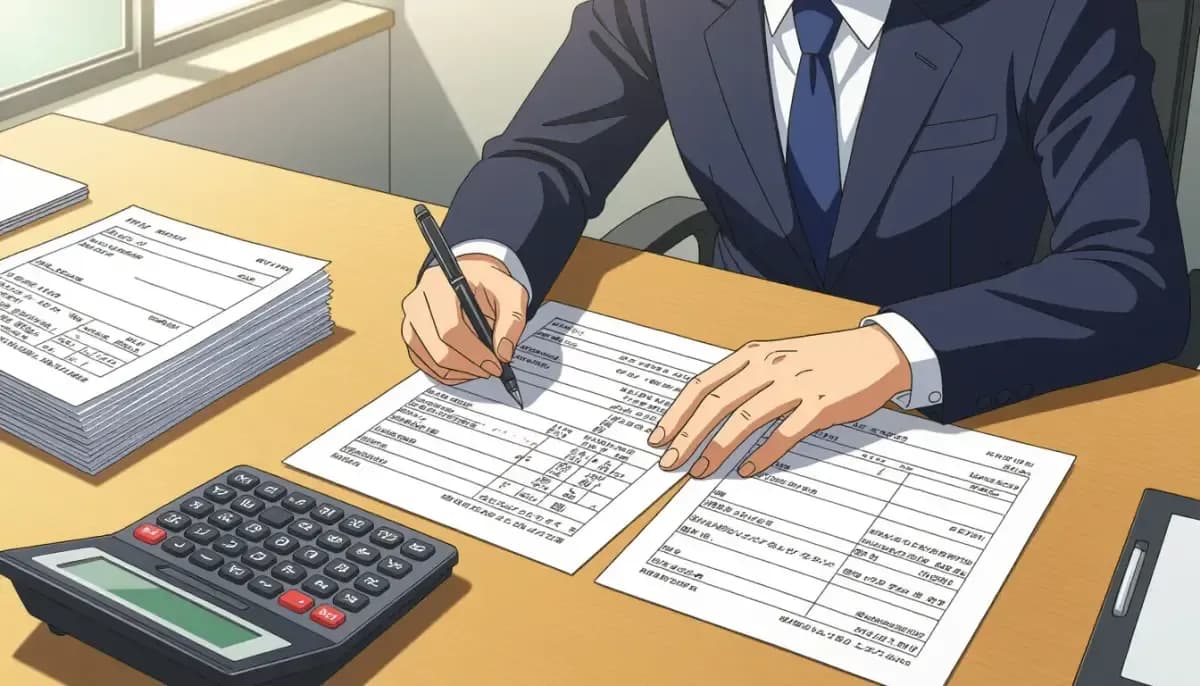
Learn the side income tax rules in Japan for foreigners: the 200,000 yen filing threshold, Blue Return vs White Return, resident tax tips, and how to file your Kakutei Shinkoku correctly.
Side Income Tax Rules in Japan for Foreigners: Complete Guide
Earning extra money outside your main job is increasingly common in Japan, and for foreigners this creates a unique set of tax obligations that can be confusing to navigate. Whether you're tutoring English, freelancing as a designer, selling goods online, or consulting on the side, Japan's tax rules apply to your extra earnings — and ignoring them can lead to penalties. This guide explains everything you need to know about side income tax rules in Japan as a foreigner, from filing thresholds to the best return types and how to keep things compliant.
Who Must File a Tax Return for Side Income in Japan?
Japan's tax system separates two types of workers when it comes to side income:
Salaried employees (company workers): If you receive a regular salary and have side income from any other source, you must file a Kakutei Shinkoku (final tax return) if that side income exceeds ¥200,000 per year. This is the most important threshold to remember. Side income below ¥200,000 from a national income tax perspective does not require filing — however, you may still need to report it for resident (inhabitant) tax purposes.
Freelancers and sole proprietors: If your primary work is self-employed, the threshold is different. You must file a tax return if your total income (after business expenses) exceeds ¥480,000 per year (the basic personal deduction amount). Many new freelancers miss this distinction.
Foreigners on non-permanent resident status (generally those who have lived in Japan for five years or less within the past ten years) are only taxed on income that is paid in Japan or remitted to Japan from abroad. However, once you become a full resident (5+ years in Japan), all worldwide income becomes taxable.
| Worker Type | Filing Threshold | Notes |
|---|---|---|
| Salaried employee with side income | ¥200,000/year | National income tax only; resident tax still applies below threshold |
| Freelancer / Sole proprietor | ¥480,000/year | After deducting business expenses |
| Non-permanent resident | Japan-sourced or remitted income | Under 5 years in Japan (within last 10 years) |
| Permanent resident / Long-term resident | All worldwide income | 5+ years in Japan |
Understanding Japan's Tax Rates for Side Income
Japan uses a progressive income tax system at the national level, with rates ranging from 5% to 45% depending on your total taxable income. On top of that, resident tax (inhabitant tax) adds approximately 10% to your total tax burden — but it is calculated on last year's income and billed the following year.
Here is a breakdown of Japan's national income tax brackets:
| Taxable Income (JPY) | Tax Rate | Deduction |
|---|---|---|
| Up to ¥1,950,000 | 5% | ¥0 |
| ¥1,950,001 – ¥3,300,000 | 10% | ¥97,500 |
| ¥3,300,001 – ¥6,950,000 | 20% | ¥427,500 |
| ¥6,950,001 – ¥9,000,000 | 23% | ¥636,000 |
| ¥9,000,001 – ¥18,000,000 | 33% | ¥1,536,000 |
| ¥18,000,001 – ¥40,000,000 | 40% | ¥2,796,000 |
| Over ¥40,000,000 | 45% | ¥4,796,000 |
Side income is added to your main salary income to calculate total taxable income, which means your side earnings are taxed at your marginal rate — the rate that applies to the top of your combined income.
For more detailed information on Japan's overall tax structure for foreigners, see our Complete Guide to Taxes in Japan for Foreigners.
White Return vs. Blue Return: Which Should You Choose?
When filing a tax return for side income or freelance work in Japan, you have two options:
White Return (Shiro-iro Shinkoku)
The standard, simpler return that most first-time filers use. It requires a basic income and expense summary and is easier to complete, but offers fewer tax advantages. There is no special deduction for business expenses beyond what is standard.
Blue Return (Aoiro Shinkoku)
The Blue Return is a more advanced filing method that requires you to maintain proper bookkeeping records (using double-entry accounting for the maximum benefit). In return, you gain access to significantly better tax advantages:
- Up to ¥650,000 income deduction (Blue Return Special Deduction) when filing electronically — planned to increase to ¥750,000 from 2027
- Better treatment of business expenses
- Ability to carry forward losses to offset future income
- Option to deduct family members' salaries as business expenses
Who should use it: Anyone earning consistent side income or running a freelance business should apply for Blue Return status with their local tax office (NTA). You must apply by March 15 of the year you want to use it (or within 2 months of starting your business).
For further guidance on working and earning income independently in Japan, check our Complete Guide to Working in Japan as a Foreigner.
Resident Tax and Side Income: What Foreigners Often Miss
Even if your side income is below the ¥200,000 national income tax filing threshold, you may still owe resident tax (住民税, juuminzei) on it. Resident tax is collected by your local municipal office and typically deducted from your salary via your employer. It is calculated at roughly 10% of your previous year's taxable income.
The key issue for employees: When you have side income, your total resident tax bill increases. If your employer handles your resident tax through payroll, they will see the higher bill — which may alert them that you have side income. This is particularly relevant if your company has a policy prohibiting side jobs (副業禁止, fukugyo kinshi).
The solution: When filing your Kakutei Shinkoku, you can check a box to request "self-payment" (普通徴収, futsu choshu) for your side-income portion of resident tax. This means the additional resident tax from your side income is billed directly to you, not through your employer — keeping your side work more private.
For guidance on managing finances more broadly as a foreigner in Japan, visit our Complete Guide to Banking and Finance in Japan.
How to File: Step-by-Step for Side Income
Filing a tax return in Japan for side income involves several steps:
- Gather your income records: Collect receipts, invoices, bank records, or 支払調書 (payment statements) from anyone who paid you.
- Calculate your income and deductions: Subtract allowable business expenses from your gross side income to get net income.
- Choose your return type: White or Blue Return (apply separately in advance for Blue).
- Complete the return:
- e-Tax (online): The most convenient option. Use the NTA's online portal to create and submit electronically. You can use your My Number card and card reader or a smartphone. - In person: Visit your local tax office (zeimusho) between February 16 and March 15. - By mail: Send your completed forms to your local tax office. - After-hours collection boxes: Available outside many tax offices during peak filing season.
- Pay any taxes owed by the deadline (usually March 15).
- Pay resident tax the following year based on this year's income.
The standard filing period is February 16 to March 15 each year. In 2025, the deadline was extended to March 17.
For more details on how e-Tax works and how to file as a foreigner, see this helpful guide from Living in Nihon: How to File Tax Returns and Use e-Tax in Japan.
Common Types of Side Income and How They're Taxed
Different types of side income may be categorized differently under Japanese tax law:
| Income Type | Tax Category | Notes |
|---|---|---|
| Freelance services (design, writing, coding) | Business income (事業所得) | Deduct business expenses; Blue Return eligible |
| Online sales (Mercari, eBay, Amazon) | Miscellaneous income (雑所得) or business income | Occasional sellers: miscellaneous; regular sellers: business |
| YouTube / content creation | Miscellaneous or business income | Depends on scale and regularity |
| Stock / investment income | Separate taxation (分離課税) | Usually handled through withholding at source |
| Rental income | Real estate income (不動産所得) | Separate category; expenses deductible |
| Private tutoring / teaching | Business or miscellaneous income | Depends on regularity |
| Cryptocurrency gains | Miscellaneous income | Generally taxed as miscellaneous; can be high-rate |
Cryptocurrency is worth special attention: gains from crypto trading in Japan are classified as miscellaneous income, which means they are taxed at your marginal rate (up to 55% combined national + local) and cannot benefit from the Blue Return deduction or capital loss carryforward rules.
Deductions Available for Side Income Earners
Reducing your taxable side income through legitimate deductions is essential. Here are common deductions available:
- Business expenses: Costs directly related to your side work — equipment, software, phone, internet (proportional use), transportation, workspace (home office)
- Basic personal deduction (基礎控除): ¥480,000 for all residents (phased out at high incomes)
- Medical expense deduction: If your medical costs exceed ¥100,000 per year (or 5% of total income if lower)
- Social insurance premiums: Premiums you pay for National Health Insurance or pension can be deducted
- Furusato Nozei (hometown tax donations): Contributions to municipalities can be deducted
- Blue Return Special Deduction: Up to ¥650,000 if filing electronically with proper bookkeeping
For comprehensive information on employment, pay, and legal rights in Japan, see the Tax, Social Insurance & Pension Guide at For Work in Japan.
Penalties and What Happens If You Don't File
Many foreigners assume Japan's tax system will "figure it out" through their employer's year-end adjustment. But if you have side income, this is not the case — and non-filing has consequences:
- Late filing penalty (無申告加算税): Added to owed taxes if you don't file at all
- Delinquent tax charges (延滞税): Interest-like charges for late payment of taxes owed
- No penalty for refunds: If the tax office owes you a refund, you can file late without penalty — and you have 5 years to claim overpayments back
Japan's tax authorities are becoming increasingly sophisticated in detecting unreported income, especially from digital platforms. The NTA can obtain information from platforms like Mercari, Amazon, and even foreign banks in some cases.
For IT professionals navigating side income and tax filing requirements, this article from Ittenshoku is particularly useful: When Tax Filing is Required for IT Side Jobs in Japan.
Tips for Foreigners Managing Side Income Taxes in Japan
- Keep a separate bank account for your side income — it makes accounting much simpler and demonstrates organization if ever audited.
- Apply for Blue Return early — you must apply by March 15 of the year you want to use it.
- Use accounting software — apps like freee (フリー) or MoneyForward (マネーフォワード) make Japanese bookkeeping manageable even without Japanese accounting knowledge.
- Consult a tax accountant (税理士, zeirishi) if your side income is significant or complex — many offer English-language services and can be worth every yen.
- Request self-payment of resident tax when filing if you want to keep side income separate from your employer's view.
- File even if you're below threshold — sometimes filing generates a refund from overpaid taxes via withholding.
For broader context on managing your finances and daily life in Japan, our Complete Guide to Daily Life in Japan for Foreigners has additional resources.
Conclusion
Side income taxes in Japan are manageable once you understand the rules. The key thresholds to remember are ¥200,000 for salaried employees and ¥480,000 for freelancers. The Blue Return system offers significant tax advantages if you keep proper records. And for those concerned about employer awareness, requesting self-payment of resident tax is a practical and legal way to maintain privacy about your side work.
Japan rewards compliance — and penalizes ignorance of the rules. With the right preparation, you can earn on the side, stay fully compliant, and minimize your tax burden legally.
For more in-depth reading, visit the Japanese Income Tax Guide for Foreign Workers at Japan Handbook and the Freelancer Tax Guide at Real Estate Japan.

Originally from Vietnam, living in Japan for 16+ years. Graduated from Nagoya University, with 11 years of professional experience at Japanese and international companies. Sharing information about living in Japan for foreigners.
View Profile →Related Articles

How to Find a Tax Advisor in Japan for Foreigners
Need a tax advisor in Japan? Learn how to find an English-speaking zeirishi, what fees to expect, what questions to ask, and when professional tax help is worth it for foreigners living in Japan.
Read more →
Japan Departure Tax and Exit Tax for Foreigners
Complete guide to Japan's departure tax and exit tax for foreigners. Learn about the ¥1,000 tourist tax (rising to ¥3,000 in 2026), the capital gains exit tax affecting high-net-worth residents, eligibility requirements, and practical filing tips.
Read more →
How to Pay Your Taxes in Japan Step by Step
Complete step-by-step guide to paying taxes in Japan as a foreigner. Learn about income tax brackets, kakuteishinkoku, e-Tax filing, resident tax, and key deadlines for 2025-2026.
Read more →
Japan Tax Withholding for Foreign Employees Explained
Understand how Japan tax withholding works for foreign employees. Learn about resident vs non-resident rates, income tax brackets, social insurance deductions, and year-end adjustment.
Read more →
Japan Consumption Tax Everything You Need to Know
Everything foreigners need to know about Japan's consumption tax: current 10% and 8% rates, what's exempt, tax-free shopping for tourists, the 2026 changes, and how it affects residents and business owners.
Read more →
Furusato Nozei Hometown Tax Program Guide
Complete guide to Japan's Furusato Nozei hometown tax system for foreign residents. Learn eligibility requirements, deduction limits, step-by-step process, and 2025 rule changes to maximize your tax benefits.
Read more →