
How to Get Your First Teaching Job in Japan

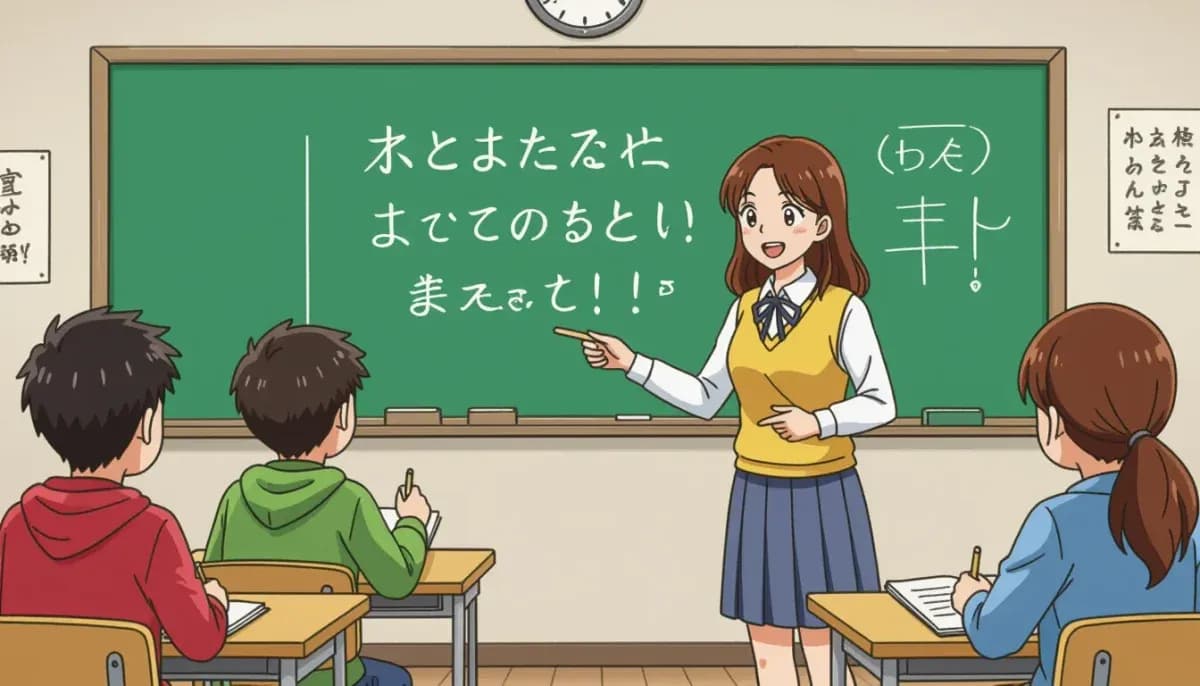
Complete guide to landing your first English teaching job in Japan. Learn about JET Programme, eikaiwa schools, salary expectations, visa requirements, and application tips for first-time teachers.
How to Get Your First Teaching Job in Japan
Landing your first teaching job in Japan is one of the most exciting steps you can take as a foreigner. Whether you dream of living in bustling Tokyo or a quiet countryside town, teaching English opens the door to Japanese life in a way few other jobs can. With an average salary of around ¥290,000 per month and thousands of positions available each year, the path from application to classroom is more accessible than you might think. This guide walks you through everything you need to know to secure that first position.
Why Teaching in Japan Is a Great First Step
Teaching English in Japan is one of the most popular ways for foreigners to start their life abroad. The demand for native and fluent English speakers remains strong across public schools, private language academies, and corporate training programs. Japan's well-organized visa sponsorship system means your employer handles most of the paperwork, making the transition smoother than moving to many other countries.
Beyond the paycheck, teaching gives you a front-row seat to Japanese culture. You will interact with students of all ages, participate in school events, and build relationships with colleagues who can help you navigate daily life. Many teachers use this experience as a springboard to other careers in Japan, from translation work to international business. For a broader look at employment options, check out the complete guide to working in Japan as a foreigner.
Requirements You Need to Meet
The good news is that you do not need a teaching license or prior classroom experience for most entry-level teaching positions. Here is what you do need:
Minimum requirements:
- A bachelor's degree in any field (this is non-negotiable for visa purposes)
- Native or near-native English proficiency
- A clean criminal background check
- Willingness to commit to at least one year
Helpful but not required:
- A TEFL, TESOL, or CELTA certificate (120+ hours recommended)
- Prior teaching or tutoring experience
- Basic Japanese language skills
- A positive attitude and cultural flexibility
Native speakers from the United States, United Kingdom, Canada, Australia, New Zealand, Ireland, and South Africa are typically given hiring preference. Non-native speakers can absolutely find positions, but a TEFL certification becomes much more important in that case. You can learn more about visa requirements in our immigration guide.
Types of Teaching Jobs Available
Not all teaching positions are the same. Understanding the differences will help you target the right opportunity for your goals and lifestyle.
| Job Type | Monthly Salary | Hours/Week | Benefits | Best For |
|---|---|---|---|---|
| JET Programme (ALT) | ¥280,000–¥330,000 | 20–25 | Flights, insurance, housing support | First-timers wanting stability |
| Dispatch Company ALT | ¥230,000–¥280,000 | 20–25 | Some offer housing | Quick start, flexible locations |
| Eikaiwa (Private School) | ¥250,000–¥300,000 | 25–30 | Training provided | Those who prefer evening hours |
| University Lecturer | ¥300,000–¥600,000 | 15–20 | Academic calendar, research time | Experienced teachers with MA |
| International School | ¥250,000–¥600,000 | 30–40 | Full benefits package | Licensed teachers |
| Private Tutoring | ¥2,000–¥5,000/hour | Flexible | Self-managed | Side income or freelancers |
JET Programme is the gold standard for first-time teachers. Run by the Japanese government, it places Assistant Language Teachers (ALTs) in public schools nationwide. The application process is competitive but the benefits are unmatched, including round-trip airfare, comprehensive health insurance, and structured support networks.
Eikaiwa schools like ECC, AEON, Berlitz, and Nova hire year-round and offer a faster path to Japan than the JET Programme. You will teach conversational English to students ranging from young children to business professionals. The trade-off is slightly lower pay and less vacation time.
Dispatch companies like Interac and Heart are the largest private ALT employers. They place you in public schools similar to JET but with fewer benefits. However, they hire more frequently and have less competitive entry requirements. For a comprehensive overview of all teaching pathways, see our complete guide to teaching English in Japan.
How to Apply Step by Step
The application timeline in Japan follows the school year, which starts in April. Here is how to plan your job search:
6–12 months before your target start date:
- Research job types and decide which path suits you best
- Get your bachelor's degree transcript and diploma ready
- Start your TEFL certification if you do not have one
- Request a criminal background check from your home country
3–6 months before:
- Submit applications to your chosen programs (JET applications typically open in early fall for the following April)
- Apply to multiple eikaiwa chains and dispatch companies simultaneously
- Prepare for video or in-person interviews
- Gather reference letters from professors or employers
1–3 months before:
- Accept an offer and begin visa paperwork (your employer guides this)
- Book flights and arrange temporary housing
- Research your placement area for housing options
- Start learning basic Japanese greetings and classroom phrases
The peak hiring season runs from January through March for April starts. A secondary hiring wave happens in July and August for positions beginning in September or October. Applying to multiple companies at once significantly increases your chances. Resources like GaijinPot and E-Housing Japan offer detailed job listings and salary information.
Visa Types for English Teachers
Your employer will sponsor your work visa, but understanding the two main categories helps you know what to expect:
Instructor Visa — Used primarily for ALT positions in public schools. This visa is straightforward and tied to educational institutions. It requires a bachelor's degree and proof of English proficiency.
Engineer/Specialist in Humanities/International Services Visa — Used for eikaiwa teachers, corporate trainers, and university positions. This broader category covers most private-sector teaching roles. It also requires a bachelor's degree, or alternatively, 10 or more years of relevant work experience.
Both visa types allow you to live and work in Japan for one to five years, with renewals available. Your employer handles the Certificate of Eligibility (COE) application, which typically takes one to three months to process. Once you have the COE, you visit your nearest Japanese embassy or consulate to receive the actual visa stamp. Our visa and immigration guide covers the full process in detail.
What to Expect in Your First Year
Your first year teaching in Japan comes with a learning curve, but most teachers describe it as one of the best years of their lives. Here is a realistic picture of what lies ahead:
At work: Full-time positions require 20 to 25 hours of classroom teaching per week, plus preparation time and administrative duties. ALTs typically work alongside a Japanese teacher of English (JTE), while eikaiwa instructors often teach solo. Classroom sizes range from one-on-one lessons at conversation schools to classes of 30 or more at public schools.
Financially: With a starting salary around ¥250,000 to ¥290,000 per month, you can live comfortably in most parts of Japan. Tokyo and Osaka cost more but also tend to offer slightly higher pay. Many teachers save ¥50,000 to ¥100,000 per month depending on their lifestyle. Check our cost of living guide for detailed breakdowns by city.
Socially: Schools often include foreign teachers in staff events, sports days, and cultural festivals. The ALT community is large and well-connected, with social groups in every major city. Learning even basic Japanese goes a long way in building relationships. Visit our guide to making friends in Japan for practical tips.
Culturally: Understanding Japanese workplace etiquette will help you navigate office dynamics. Punctuality is essential. Dress codes tend to be conservative. Building rapport with coworkers through small gestures like bringing omiyage (souvenirs) from trips makes a big difference.
Where to Find Job Listings
The best teaching jobs are found through a mix of dedicated platforms and direct applications. Here are the most reliable sources:
- JET Programme — Apply through your country's Japanese embassy
- Interac — Japan's largest ALT dispatch company
- GaijinPot Jobs — The most popular English-language job board for Japan
- O-Hayo Sensei — Free weekly newsletter listing teaching positions
- TEFL Academy Job Board — Curated TEFL positions in Japan
- Company websites — Apply directly to ECC, AEON, Berlitz, and Nova
For broader job search strategies beyond teaching, Living in Nihon's job-finding guide offers excellent advice. You can also explore career resources at For Work in Japan for industry-specific guidance, and Ittenshoku covers career transitions and professional development in the Japanese market. Additionally, Go Overseas provides a solid overview of qualifications needed.
Tips for Standing Out as a First-Time Applicant
Competition varies by program, but these strategies consistently help first-time applicants:
- Get TEFL certified before applying. A 120-hour TEFL certificate is not required by law, but it demonstrates commitment and can increase your starting salary by ¥10,000 to ¥20,000 per month.
- Gain any teaching experience you can. Volunteer tutoring, Sunday school teaching, or even helping classmates study all count. Document these experiences on your resume.
- Write a compelling personal statement. Explain specifically why Japan appeals to you. Reference Japanese culture, education, or personal connections rather than generic reasons like "I love anime."
- Prepare for cultural questions in interviews. Employers want to know you can adapt to Japanese workplace culture. Research school customs, bowing etiquette, and the concept of reading the air (kuuki wo yomu).
- Be flexible about location. Applicants willing to work in rural areas or smaller cities have much higher acceptance rates. These placements often come with lower living costs and stronger community connections.
- Apply to multiple programs simultaneously. Do not put all your hopes on one application. Submit to JET, two or three eikaiwa chains, and at least one dispatch company.
Moving to Japan After Getting Hired
Once you have accepted an offer, the practical steps of moving to Japan begin. Your employer will guide you through the visa process, but you are responsible for arranging your own finances, packing, and mental preparation.
Key things to handle before departure:
- Set up international banking or a service like Wise for transferring money
- Get any required medical checkups and vaccinations
- Purchase travel insurance for the gap before Japanese health insurance kicks in
- Pack professional clothing suitable for a conservative workplace
- Download offline Japanese language apps for your first weeks
After arrival, finding permanent housing in Japan is your next priority. Many employers provide temporary accommodation for the first few weeks, but you will need to secure your own apartment. Understanding the Japanese banking system and healthcare coverage should also be on your early to-do list.
Conclusion
Getting your first teaching job in Japan is achievable for anyone with a bachelor's degree and genuine enthusiasm for the experience. The process takes planning and patience, but thousands of foreigners successfully make this transition every year. Start your applications early, stay flexible about location and job type, and remember that your first teaching position is just the beginning of your Japan journey. Whether you stay for one year or build a long-term career, teaching English in Japan gives you a unique foundation for understanding and thriving in this fascinating country.

Originally from Vietnam, living in Japan for 16+ years. Graduated from Nagoya University, with 11 years of professional experience at Japanese and international companies. Sharing information about living in Japan for foreigners.
View Profile →Related Articles

International School Teaching Jobs in Japan Guide
Complete guide to international school teaching jobs in Japan. Learn about salary ranges from ¥300,000-¥700,000+/month, qualifications, hiring process, top schools, and how to apply as a foreign educator.
Read more →
Teaching English in Rural Japan What to Know
Complete guide to teaching English in rural Japan covering salary, daily life, classroom challenges, JET Programme placements, and practical tips for thriving in the Japanese countryside as a foreign teacher.
Read more →
Pros and Cons of Teaching English in Japan
Discover the real pros and cons of teaching English in Japan. Compare salaries for JET, ALT, eikaiwa, and international schools. Honest guide for foreigners considering English teaching careers in Japan.
Read more →
A Day in the Life of an English Teacher in Japan
Discover what daily life is really like as an English teacher in Japan. From morning routines and classroom activities to salary comparisons and weekend adventures, this guide covers ALT, eikaiwa, and JET Programme experiences.
Read more →
English Teaching Salary in Japan Complete Comparison
Compare English teaching salaries in Japan across JET Programme, ALT, eikaiwa, university, and international school positions. Detailed salary data, benefits, and cost of living breakdown for foreign teachers.
Read more →
Teaching English Online While Living in Japan
Learn how to teach English online while living in Japan. Discover top platforms, salary expectations, visa requirements, and practical tips for foreigners building an online teaching career.
Read more →