
Dental Care in Japan Guide for Foreigners

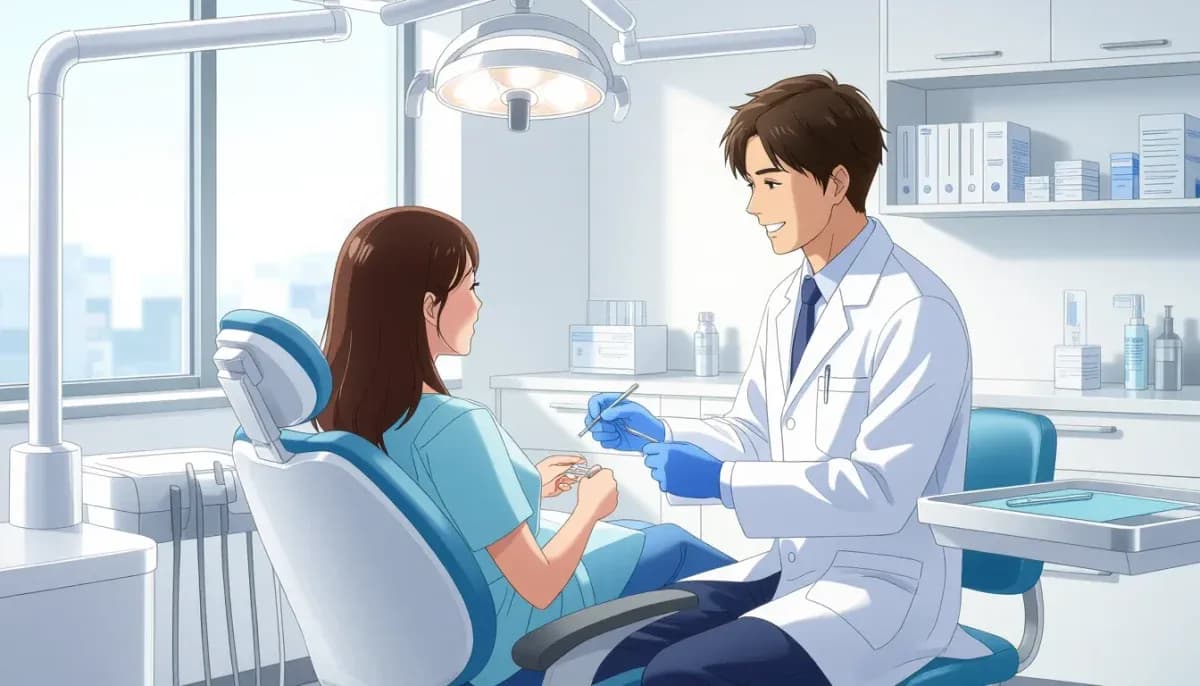
Complete guide to dental care in Japan for foreigners. Learn about insurance coverage, costs, finding English-speaking dentists, and what to expect at Japanese dental clinics.
Dental Care in Japan: A Complete Guide for Foreigners
Moving to Japan is exciting, but figuring out how to take care of your teeth in a new country can feel overwhelming. The good news? Japan has one of the most accessible and affordable dental care systems in the world. With more dental clinics than convenience stores — over 68,000 nationwide — finding a dentist is rarely a problem. Understanding how the system works, what it costs, and how to navigate it as a foreigner is what this guide is all about.
Whether you need a routine cleaning, a cavity filled, or something more complex like a root canal, this guide covers everything you need to know about dental care as part of Japan's healthcare system.
How Japan's Dental Insurance System Works
Japan's universal health insurance system, established in 1961, is one of the few in the world that includes dental care as an essential benefit. As a foreign resident enrolled in either National Health Insurance (NHI) or Social Health Insurance (SHI through your employer), you are covered for most standard dental procedures.
Under this system, you pay only 30% of the total treatment cost out of pocket. The insurance covers the remaining 70%. There are also reduced copay rates for certain groups:
| Age Group | Copay Rate | Notes |
|---|---|---|
| Children under 6 | 10% | Many municipalities offer free dental care for children |
| Ages 6–69 | 30% | Standard copay for most working-age residents |
| Ages 70–74 | 20% | Reduced rate for early seniors |
| Ages 75 and older | 10% | Further reduced for late-stage elderly |
This means that for a standard checkup costing around ¥10,000 before insurance, you would only pay about ¥3,000–¥3,500 out of pocket. For more details on how Japan's insurance system works for foreigners, check out this health insurance guide for foreigners in Japan.
What Dental Treatments Are Covered by Insurance
Not all dental treatments are created equal when it comes to insurance coverage. Understanding what is and isn't covered can save you from unexpected bills.
Covered by insurance (30% copay):
- Regular checkups and consultations
- X-rays and diagnostic imaging
- Cavity fillings (white composite resin for front teeth, silver amalgam for back teeth)
- Root canal treatment
- Tooth extractions, including wisdom teeth
- Periodontal (gum) disease treatment
- Basic dentures
- Some types of crowns (metal)
NOT covered by insurance (100% out of pocket):
- Teeth whitening (¥5,000–¥60,000)
- Ceramic or porcelain crowns and veneers
- Dental implants (typically ¥300,000+ per implant)
- Orthodontic treatment / braces (can exceed ¥1,000,000)
- Invisible aligners
- Preventive sealants for adults
If you are considering uncovered treatments, it is worth comparing prices across clinics, as costs can vary significantly. Understanding your overall cost of living in Japan helps you budget for these expenses.
How to Find a Dentist in Japan
Finding a dental clinic in Japan is straightforward thanks to the sheer density of providers — approximately 54 clinics per 100,000 inhabitants. Here are the best ways to locate one:
Search online: Use Google Maps and search for "歯医者" (haisha) or "歯科" (shika) near your location. Most clinics have websites with information about services, hours, and whether they accept insurance.
Ask for recommendations: Your employer, coworkers, or local community groups can often recommend reliable dentists. If you are part of any social groups or expat communities, these are great resources.
Use expat directories: Websites like Japan Dev and Tokyo Cheapo maintain lists of English-speaking dentists organized by city.
Check your city hall: Many municipal offices maintain lists of medical providers, including dentists who speak foreign languages.
Hospital dental departments: Larger hospitals often have dental departments that may offer multilingual support, especially university hospitals in major cities.
Finding English-Speaking Dentists
One of the biggest concerns for foreigners is the language barrier. While many Japanese dentists know basic dental terminology in English, finding a fully English-speaking dentist makes the experience much smoother.
Here are some popular English-speaking dental clinics by city:
| City | Clinic | Notes |
|---|---|---|
| Tokyo (Roppongi) | Tokyo Midtown Dental Clinic | Full English support, modern facility |
| Tokyo (Hatchobori) | Ryo Dental Clinic | Popular with expats |
| Tokyo (Shibuya) | Shibuya Ohno Dental | English consultations available |
| Osaka | Various clinics in Umeda/Namba areas | Search "English dentist Osaka" |
| Yokohama | International dental clinics near Chinatown | Multilingual staff common |
Important note: English-speaking dental clinics often do not accept national health insurance. This means you may need to pay the full cost out of pocket. Always confirm insurance acceptance when booking your appointment.
For information on navigating Japan's social insurance and tax systems, which affect your healthcare coverage, see this guide to taxes and social insurance.
What to Expect at Your First Dental Visit
Japanese dental visits are quite different from what you might be used to in Western countries. Here's what to expect:
Before your visit:
- Call ahead or book online to make an appointment — walk-ins are rarely accepted
- Bring your health insurance card (hokensho), residence card, and any previous dental records
- Arrive 10–15 minutes early to fill out paperwork
During your visit:
- The initial consultation usually includes an oral examination and X-rays
- Treatment spaces are often shared or separated by curtains rather than walls
- Dentists will check for gum inflammation as a standard part of every visit
- If you need anesthesia, you may need to specifically request local anesthetic — it is not always offered automatically
Treatment style: Japanese dentists tend to schedule multiple short appointments rather than one long session. A procedure that might be done in one visit in your home country could be spread across 2–4 visits in Japan. While this can feel inconvenient, it is the standard approach and is covered by insurance.
After your visit:
- You will receive a receipt and a patient card (診察券 / shinsatsuken)
- Keep your patient card for future visits to the same clinic
- Payment is made at the reception desk immediately after treatment
Common Dental Treatment Costs in Japan
Understanding typical costs helps you plan your budget. Below are approximate costs with insurance (30% copay):
| Treatment | Cost with Insurance | Cost without Insurance |
|---|---|---|
| Initial checkup + X-rays | ¥3,000–¥5,000 | ¥10,000–¥15,000 |
| Teeth cleaning | ¥2,000–¥4,000 | ¥6,000–¥12,000 |
| Cavity filling (resin) | ¥1,500–¥3,000 | ¥5,000–¥10,000 |
| Root canal treatment | ¥3,000–¥8,000 | ¥10,000–¥25,000 |
| Wisdom tooth extraction | ¥1,500–¥9,000 | ¥5,000–¥30,000 |
| Metal crown | ¥3,000–¥5,000 | ¥10,000–¥15,000 |
| Ceramic crown (not covered) | N/A | ¥80,000–¥150,000 |
| Dental implant (not covered) | N/A | ¥300,000–¥500,000 |
| Orthodontics (not covered) | N/A | ¥600,000–¥1,200,000 |
Total dental expenditures in Japan reached 3.00 trillion yen in 2020, reflecting the extensive use of dental services across the population. For more information about managing your finances as a foreigner, see our banking and finance guide.
Tips for a Smooth Dental Experience in Japan
Here are practical tips to make your dental visits easier:
- Learn basic dental vocabulary: Knowing words like 虫歯 (mushiba — cavity), 歯磨き (hamigaki — tooth brushing), and 痛い (itai — it hurts) goes a long way. Improving your Japanese language skills will help in all medical situations.
- Use translation apps: Google Translate's camera feature can help you read forms and signs at the clinic.
- Ask about insurance before booking: Confirm whether the clinic accepts NHI/SHI, especially if it advertises English services.
- Bring your insurance card every visit: You cannot receive the discounted rate without it.
- Be patient with multiple appointments: The Japanese multi-visit approach is standard and ensures thorough care.
- Consider dental insurance riders: Some private insurance plans offer additional dental coverage for cosmetic procedures. Resources at Ittenshoku can help you understand benefits related to your employment.
- Schedule regular checkups: Preventive care is affordable with insurance and helps avoid costly procedures later.
- Keep records: If you plan to leave Japan eventually, having your dental records will be helpful for continuity of care.
Emergency Dental Care
Dental emergencies can happen at any time. Here's how to handle them in Japan:
- During business hours: Call your regular dentist first. Most clinics can accommodate urgent cases.
- After hours or weekends: Search for "休日歯科診療" (kyujitsu shika shinryo — holiday dental treatment) + your city name to find emergency dental services.
- Severe emergencies: Go to the nearest hospital emergency room. Large hospitals typically have oral surgery departments.
- Call 119 for ambulance services in case of serious injury involving teeth or jaw.
For more information on handling emergencies in Japan, see our safety and emergency preparedness guide.
Dental Care for Children in Japan
If you are raising children in Japan, dental care is particularly affordable. Many municipalities offer free dental checkups and treatment for children, sometimes up to age 15. School dental checkups are conducted annually, and the results are sent home to parents.
Children's dental insurance copay is only 10% (for those under 6), and many local governments cover even that remaining cost. Pediatric dentists (小児歯科 / shoni shika) specialize in treating children and often have child-friendly clinic environments.
Conclusion
Dental care in Japan is accessible, affordable, and high-quality — especially when you take advantage of the national health insurance system. With over 68,000 dental clinics across the country, finding a dentist is easy, though finding one who speaks English may require some extra research. By understanding the insurance system, knowing what to expect, and preparing for your visits, you can maintain excellent dental health throughout your time in Japan.
For a broader overview of navigating daily life in Japan as a foreigner, including healthcare, finances, and more, explore our other comprehensive guides.

Originally from Vietnam, living in Japan for 16+ years. Graduated from Nagoya University, with 11 years of professional experience at Japanese and international companies. Sharing information about living in Japan for foreigners.
View Profile →Related Articles

Vision Care and Getting Glasses in Japan
Complete guide to buying prescription glasses in Japan as a foreigner. Learn about free eye exams, top stores like JINS and Zoff, prices from ¥5,000, contact lenses, and insurance coverage.
Read more →
Private Health Insurance Options in Japan
Complete guide to private health insurance options in Japan for foreigners. Compare IPMI, Japanese private insurance, costs, providers, and how to apply alongside mandatory NHI coverage.
Read more →
Over the Counter Medicine in Japan Guide
Complete guide to buying OTC medicine in Japan as a foreigner. Learn about popular Japanese medicines, drugstore chains, banned medications, and essential pharmacy phrases for expats.
Read more →
How to Use Your Japan Health Insurance Card
Learn how to use your Japan health insurance card (hokensho) as a foreigner. Covers Myna Hokensho transition, co-payment rates, NHI vs SHI, enrollment steps, and cost-saving tips for expats.
Read more →
Having a Baby in Japan as a Foreign Parent
Complete guide to having a baby in Japan as a foreign parent. Learn about prenatal care, hospital costs, the ¥500,000 birth grant, maternity leave, and essential steps for registering your newborn.
Read more →
Emergency Medical Care in Japan What Foreigners Need to Know
Learn how to access emergency medical care in Japan as a foreigner. Covers ambulance services, ER procedures, costs, insurance coverage, and essential preparation tips for expats and tourists.
Read more →