
Emergency Medical Care in Japan What Foreigners Need to Know

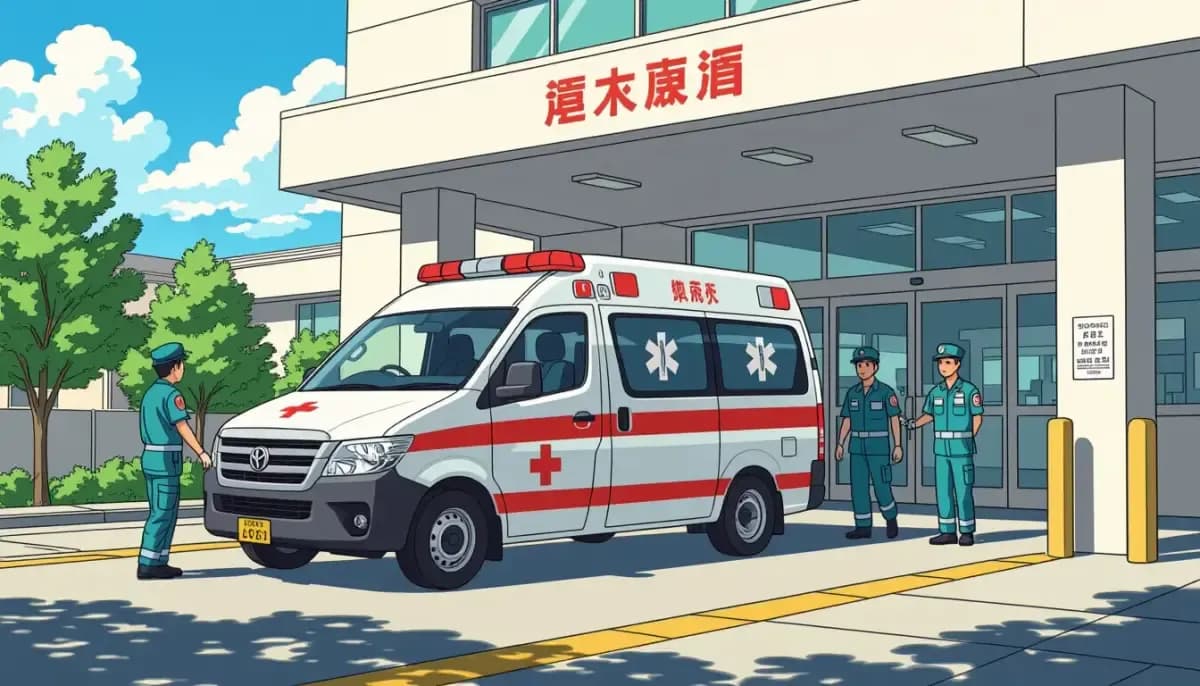
Learn how to access emergency medical care in Japan as a foreigner. Covers ambulance services, ER procedures, costs, insurance coverage, and essential preparation tips for expats and tourists.
Emergency Medical Care in Japan: What Foreigners Need to Know
Facing a medical emergency in a foreign country is one of the most stressful experiences you can have. In Japan, the emergency medical system is well-organized and highly efficient, but navigating it as a foreigner comes with unique challenges — from language barriers to unfamiliar hospital procedures. This guide covers everything you need to know about accessing emergency care in Japan, including the critical phone numbers, what happens when you call an ambulance, how much it costs, and how to prepare before an emergency strikes.
Whether you are a long-term resident with health insurance or a tourist visiting Japan, understanding how the emergency medical system works could save your life or the life of someone you care about. For a broader overview of the Japanese healthcare system, check out our complete healthcare guide for foreigners.
Essential Emergency Phone Numbers in Japan
The first thing every foreigner in Japan should memorize is the emergency phone number 119. This single number connects you to both ambulance and fire services. Unlike some countries that have separate numbers for different emergencies, Japan keeps it simple with 119 for medical and fire emergencies and 110 for police.
Beyond 119, there are two additional numbers that can be lifesavers:
- #7119 — A 24/7 medical consultation hotline available in many prefectures. Nurses and doctors can help you determine whether your situation requires an ambulance or if you can visit a clinic instead. This service is expanding across Japan and is incredibly useful for non-life-threatening situations.
- #8000 — The pediatric after-hours advice line, available nationwide. If your child is sick at night or on weekends and you are unsure whether to go to the emergency room, this line connects you to medical professionals who can advise you. Parents raising children in Japan should save this number — see our guide on raising children in Japan for more family health tips.
| Emergency Number | Purpose | Availability | Cost |
|---|---|---|---|
| 119 | Ambulance and fire | 24/7, nationwide | Free |
| 110 | Police | 24/7, nationwide | Free |
| #7119 | Medical consultation triage | 24/7, major prefectures | Free |
| #8000 | Pediatric after-hours advice | 24/7, nationwide | Free |
| 03-5285-8088 | AMDA Medical Info (Tokyo) | Weekdays 10:00-16:00 | Free |
For a deeper look at Japan's health insurance system and how it affects your emergency costs, visit Living in Nihon's health insurance guide.
How to Call an Ambulance in Japan
When you dial 119, a dispatcher will answer and ask whether you need an ambulance (kyukyusha) or fire service (kaji). Say "kyukyusha" for an ambulance. Many dispatchers have basic English skills, and an increasing number of dispatch centers now offer multilingual telephone interpreting services.
Here is the information you should be ready to provide:
- Your exact location — Give the address, nearest intersection, or landmark. Having your address written in Japanese on your phone is extremely helpful.
- What happened — Describe the emergency in simple terms: chest pain, fell down, cannot breathe, etc.
- Patient information — Age, gender, whether the person is conscious, and their condition.
- Your callback number — The dispatcher may call back for clarification.
Speak slowly and use short sentences if communicating in English. If you are struggling with the language barrier, the dispatcher can connect a telephone interpreter. Over 50% of ambulance calls in Japan receive a response within five minutes, making it one of the fastest emergency response systems in the world.
One important thing to know: the ambulance ride itself is completely free in Japan, regardless of your nationality or insurance status. This is funded by local government taxes, so you should never hesitate to call 119 in a genuine emergency. However, some municipalities have introduced a fee of approximately ¥7,700 if the ambulance transport does not result in hospitalization, to discourage non-emergency use.
What to Expect at the Emergency Room
The Japanese ER experience differs from what many foreigners are used to in their home countries. Here is what happens step by step:
Triage and Assessment: Upon arrival, medical staff will assess the severity of your condition. Japanese ERs use a triage system, meaning the most critical patients are treated first — not first-come, first-served. If your condition is not life-threatening, expect to wait.
Hospital Selection: An important difference in Japan is that EMS paramedics contact hospitals while en route to find a facility that can accept your case. This means you may not go to the nearest hospital, but rather to one that has the appropriate specialty and available beds. In busy periods, this process can take time, which is why Japan classifies emergency care into three tiers:
- Primary (1st level): Walk-in clinics for minor injuries and illnesses
- Secondary (2nd level): Hospitals equipped for surgery and overnight stays
- Tertiary (3rd level): Advanced critical care centers for life-threatening emergencies
Language Barriers: This is where things get challenging. Most ER staff speak limited English, especially outside major cities like Tokyo and Osaka. Translation apps can help, but they are unreliable in high-stress medical situations. The best preparation is to have an emergency information card ready in advance — more on this below.
If you need to find an English-speaking doctor for follow-up care, our guide on finding an English-speaking doctor in Japan has detailed recommendations. You can also learn more about navigating the Japanese hospital system in our hospital visit guide for foreigners.
Emergency Medical Costs and Insurance Coverage
Understanding the costs of emergency care is critical. Here is a breakdown of what you can expect:
With Japanese Health Insurance (NHI or Shakai Hoken): You pay only 30% of the total medical bill. Emergency treatment, tests, medication, and hospitalization are all covered under the standard insurance plan. Always carry your health insurance card — if you forget it, you may be charged the full amount upfront and need to claim reimbursement later. Learn more about the national health insurance system and employee health insurance (Shakai Hoken).
Without Insurance (Tourists and Uninsured Residents): You are responsible for 100% of the medical costs. A simple ER visit can cost ¥30,000 to ¥50,000, while more serious treatment with hospitalization can easily exceed ¥500,000. Travel insurance is strongly recommended.
Selected Medical Treatment Fee: If you visit a large hospital (with 200+ beds) without a referral from a primary care doctor, you will be charged an additional fee of ¥7,000 to ¥11,000. This applies even in non-emergency situations, so having a regular family doctor is beneficial.
| Scenario | Estimated Cost | Insurance Coverage |
|---|---|---|
| Ambulance ride | ¥0 (free) | N/A |
| Basic ER visit | ¥15,000–¥50,000 | 30% with NHI |
| X-ray and blood tests | ¥10,000–¥30,000 | 30% with NHI |
| Overnight hospitalization | ¥30,000–¥100,000/night | 30% with NHI |
| Surgery (appendectomy) | ¥300,000–¥600,000 | 30% with NHI |
| No-referral surcharge | ¥7,000–¥11,000 | Not covered |
For details on how social insurance affects your finances, check out this guide on social insurance and pensions and understanding insurance premium changes.
How to Prepare for Medical Emergencies
Preparation is the single most important thing you can do. Here is your emergency preparation checklist:
Create an ICE (In Case of Emergency) Card. This is a small card or note on your phone containing:
- Your full name and nationality
- Address in both English and Japanese
- Nearest train station or landmark
- Emergency contact person and phone number
- Blood type
- Allergies and current medications
- Chronic conditions (diabetes, heart disease, etc.)
- Health insurance information and card number
Download the Q-suke App. This official app from the Japanese government helps you determine the urgency of your medical situation using a color-coded system: red means call 119 immediately, yellow means visit a medical facility soon, and green means monitor at home. The app is primarily in Japanese, but it is still useful with translation assistance.
Know Your Nearest Emergency Hospital. Before an emergency happens, identify the closest hospital that accepts emergency patients and, ideally, has some English support. The Japan Healthcare Info emergency services page maintains a searchable database. You can also check the JNTO emergency guide for tourist-oriented medical resources.
Keep Your Insurance Card Accessible. Your health insurance card should always be in your wallet. If you forget it, you will need to pay the full cost upfront and submit receipts for reimbursement later. For more on using your insurance card, see our health insurance card guide.
Get a Medication Notebook (Okusuri Techo). Japanese pharmacies provide these free notebooks to track your prescriptions. In an emergency, showing this to ER doctors gives them critical information about your current medications. Read our prescription medicine guide for more details.
Common Emergency Situations and What to Do
Here are the most common emergencies foreigners face in Japan and specific advice for each:
Severe Allergic Reaction (Anaphylaxis): Call 119 immediately. Japan has specific allergens commonly found in food that you may not be used to, including buckwheat (soba) and various seafood. If you carry an EpiPen, know that it is available by prescription in Japan but requires a doctor visit to obtain.
Accidents and Injuries: For serious falls, traffic accidents, or workplace injuries, call 119. For minor injuries, visit the nearest clinic during business hours. Our guide on safety and emergency preparedness in Japan covers prevention tips.
Chest Pain or Stroke Symptoms: Time is critical. Call 119 and describe symptoms clearly. Japan's tertiary emergency centers are well-equipped for cardiac and stroke emergencies.
Dental Emergencies: Regular ERs do not handle dental issues. You will need to find an emergency dental clinic, which can be challenging at night. Our dental care guide explains how to find dental services.
Mental Health Crises: For immediate danger, call 119. For mental health support, the TELL Lifeline (03-5774-0992) offers English-language counseling. See our mental health services guide for more resources.
Tips for a Smoother Emergency Experience
Based on real experiences from expats and long-term residents, here are practical tips to make an emergency situation as manageable as possible:
- Save 119 and #7119 in your phone contacts with clear labels like "Japan Ambulance" and "Medical Advice."
- Practice saying key phrases in Japanese: "Tasukete kudasai" (please help me), "Itai" (it hurts), "Kyukyusha wo onegaishimasu" (please send an ambulance).
- Keep a Japanese-English medical dictionary app on your phone. Apps like "Japanese Medical Dictionary" can translate symptoms and body parts.
- Always carry cash. Many clinics and smaller hospitals do not accept credit cards. Having ¥10,000 to ¥30,000 in cash can prevent complications at the payment counter.
- Ask a Japanese-speaking friend or colleague to be your emergency contact. Having someone who can communicate with medical staff on the phone makes a huge difference.
- Register with your country's embassy. In a major emergency or natural disaster, your embassy can assist with medical evacuation and communication with hospitals.
- Know that 92% of ambulance patients in Tokyo are found to have mild or moderate conditions. Do not feel embarrassed about calling 119 if you genuinely believe you need help, but also consider using #7119 first to determine whether an ambulance is truly necessary.
For a comprehensive guide to handling medical expenses, visit the Navigator Japan ER guide and the Japan Handbook emergency services guide for additional practical advice.
After the Emergency: Follow-Up and Claims
Once the immediate crisis is over, there are important steps to take:
Request Itemized Receipts. If you paid out of pocket, keep every receipt. You can claim reimbursement from your insurance provider or, if you are a tourist, from your travel insurance company.
Follow Up with a Regular Doctor. ER treatment is designed to stabilize you. You will likely need follow-up appointments with a specialist or your regular physician. Our guide on going to the hospital in Japan walks you through the standard clinic visit process.
File Insurance Claims Promptly. If you used travel insurance, most companies require you to file a claim within 30 days. Have your diagnosis, treatment records, and receipts ready. For residents, the high-cost medical expense system can cap your monthly out-of-pocket costs.
Consider Upgrading Your Coverage. If the emergency revealed gaps in your insurance, look into private health insurance options to supplement your national coverage.
Living in Japan as a foreigner means being prepared for situations where language and cultural differences can complicate even routine matters. Emergency medical care is one area where preparation truly pays off. Save the numbers, make your ICE card, know your nearest hospital, and keep your insurance card handy. These simple steps will give you confidence and peace of mind knowing that if an emergency strikes, you are ready to handle it.

Originally from Vietnam, living in Japan for 16+ years. Graduated from Nagoya University, with 11 years of professional experience at Japanese and international companies. Sharing information about living in Japan for foreigners.
View Profile →Related Articles
Vision Care and Getting Glasses in Japan
Complete guide to buying prescription glasses in Japan as a foreigner. Learn about free eye exams, top stores like JINS and Zoff, prices from ¥5,000, contact lenses, and insurance coverage.
Read more →
Private Health Insurance Options in Japan
Complete guide to private health insurance options in Japan for foreigners. Compare IPMI, Japanese private insurance, costs, providers, and how to apply alongside mandatory NHI coverage.
Read more →
Over the Counter Medicine in Japan Guide
Complete guide to buying OTC medicine in Japan as a foreigner. Learn about popular Japanese medicines, drugstore chains, banned medications, and essential pharmacy phrases for expats.
Read more →
How to Use Your Japan Health Insurance Card
Learn how to use your Japan health insurance card (hokensho) as a foreigner. Covers Myna Hokensho transition, co-payment rates, NHI vs SHI, enrollment steps, and cost-saving tips for expats.
Read more →
Having a Baby in Japan as a Foreign Parent
Complete guide to having a baby in Japan as a foreign parent. Learn about prenatal care, hospital costs, the ¥500,000 birth grant, maternity leave, and essential steps for registering your newborn.
Read more →
Japan Health Checkup Ningen Dock Explained
Complete guide to Ningen Dock, Japan's comprehensive health checkup system. Learn costs, what's included, English-speaking clinics, preparation tips, and how it differs from the standard annual health check.
Read more →