
Going to the Hospital in Japan as a Foreigner Guide

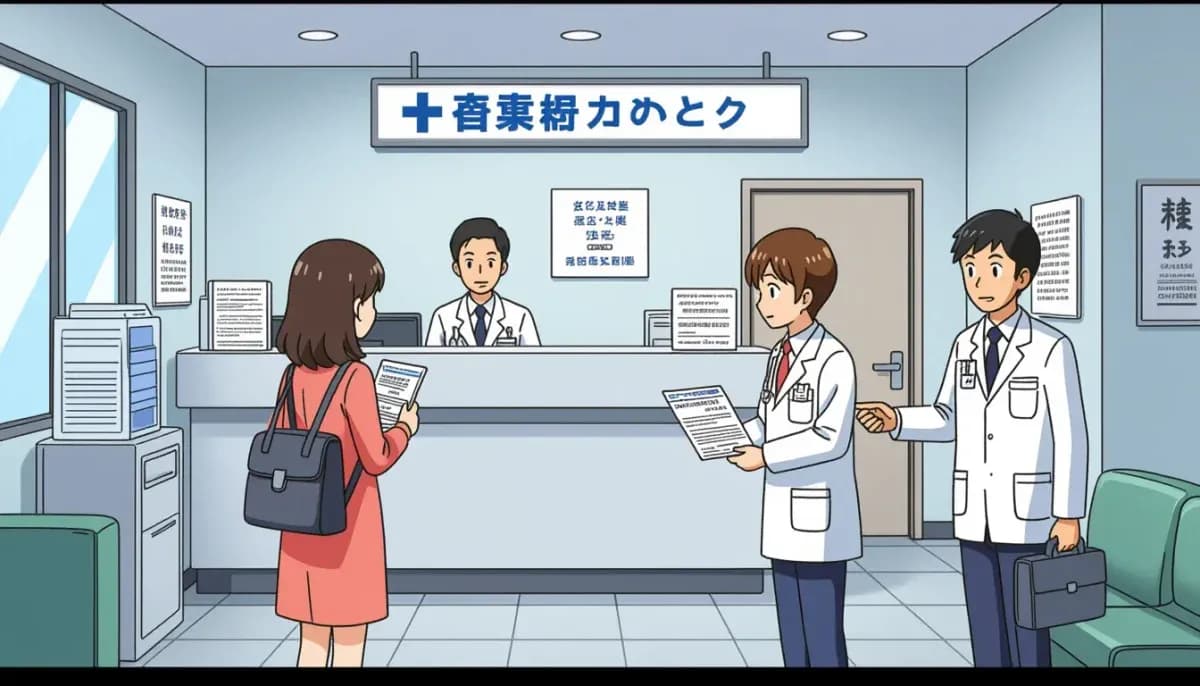
Complete guide to visiting hospitals and clinics in Japan as a foreigner. Learn about insurance coverage, costs, finding English-speaking doctors, emergency services, and step-by-step hospital visit procedures.
Going to the Hospital in Japan as a Foreigner: Complete Guide
Visiting a hospital in a foreign country can feel overwhelming, especially when there is a language barrier. Japan's healthcare system is one of the best in the world, with life expectancy at 84.1 years and 80% of residents reporting satisfaction with healthcare quality. However, navigating hospitals and clinics as a foreigner requires some preparation. This guide walks you through everything you need to know about going to the hospital in Japan, from choosing the right facility to understanding costs and communicating with doctors.
Understanding Japan's Clinic vs Hospital System
Japan's medical system works differently from many Western countries. There is no family doctor system where one physician handles all your health concerns. Instead, clinics and hospitals serve distinct roles.
Clinics (診療所 / shinryoujo) are small facilities that specialize in one area such as dermatology, orthopedics, internal medicine, or pediatrics. They handle routine illnesses, minor injuries, and ongoing conditions. Most clinics accept walk-in patients and have shorter wait times.
Hospitals (病院 / byouin) are larger facilities with 20 or more beds. They handle serious conditions, surgeries, and emergencies. Visiting a large hospital without a referral letter from a clinic incurs an additional fee of ¥5,000 to ¥7,000. The Japanese system expects you to visit a clinic first, and the clinic doctor will refer you to a hospital if needed.
For non-urgent medical issues, always start at a local clinic. If you need help finding one, check our guide on how to find an English-speaking doctor in Japan. For emergencies, head directly to a hospital emergency department or call 119 for an ambulance. Learn more in our emergency medical care guide.
Step-by-Step Guide to Visiting a Hospital in Japan
Here is the typical process for a hospital or clinic visit in Japan:
Step 1: Choose your facility. Use Google Maps to search for nearby clinics by specialty. Look for ones with English-speaking staff or check resources like the Japan Tourism Agency medical institution search tool.
Step 2: Call ahead if possible. Many hospitals ask foreign patients to contact them before visiting so they can arrange language support. Not all facilities have interpreters available on short notice.
Step 3: Check in at reception. Present your health insurance card and photo ID. If this is your first visit, you will receive a patient registration card (診察券 / shinsatsuken) that you should keep for future visits. For details on insurance cards, see our Japan health insurance card guide.
Step 4: Fill out the medical questionnaire (問診票 / monshinhyou). This form asks about your symptoms, when they started, allergies, current medications, and medical history. Some hospitals provide these forms in English. The YOLO MEDICAL service offers questionnaires in 17 different languages.
Step 5: Wait for your consultation. Even with an appointment, expect to wait. Japanese hospitals often run behind schedule, especially during flu season and Monday mornings.
Step 6: Doctor consultation. Describe your symptoms clearly. Many doctors can understand basic English medical terms even if they are not fluent speakers. Bring a written note describing your symptoms if you are concerned about communication.
Step 7: Pay at the cashier. After your consultation, proceed to the payment window. With insurance, you pay 30% of the total cost. Most hospitals accept cash and credit cards, but smaller clinics may be cash-only.
Step 8: Pick up your prescription. If prescribed medication, take the prescription slip (処方箋 / shohousen) to an external pharmacy. Read our prescription medicine guide for more details on how this works.
Health Insurance Coverage and Costs
Understanding your insurance coverage is essential before visiting any medical facility in Japan. All residents staying longer than three months must enroll in health insurance within 14 days of registering at their local city hall. There are two main types:
| Insurance Type | Who It Covers | Monthly Premium | Coverage |
|---|---|---|---|
| National Health Insurance (NHI) | Self-employed, students, part-timers | Income-based, varies by municipality | 70% of costs covered |
| Employee Health Insurance (Shakai Hoken) | Full-time company employees | ~10% of salary, split with employer | 70% of costs covered |
| No Insurance (Tourist/Visitor) | Short-term visitors | N/A | 0% - pay full amount |
With insurance, typical costs include:
- Clinic visit: ¥3,000 to ¥5,000 out-of-pocket (~$20-$35)
- Hospital visit: ¥10,000 to ¥15,000 out-of-pocket
- Hospital without referral surcharge: Additional ¥5,000 to ¥7,000
Japan also has a monthly out-of-pocket cap system called the High-Cost Medical Expense Benefit (高額療養費制度). For average-income individuals, the monthly cap is approximately ¥80,000 to ¥90,000. Once you exceed this amount, insurance covers 100% of remaining costs that month. Children under 6 pay only a 20% copay, and seniors 75 and older pay just 10%.
As of March 2024, approximately 970,000 foreign nationals were enrolled in Japan's NHI program, accounting for 4% of total members. For a complete breakdown, see our National Health Insurance guide or our guide on Shakai Hoken for employees.
Important: If you forget your insurance card, you may be charged the full 100% amount. You can later request reimbursement by submitting receipts to your insurance provider, but the process takes time.
Overcoming the Language Barrier at Japanese Hospitals
About 30% of foreigners living in Japan require language assistance in medical settings. Here are practical strategies to communicate effectively:
Translation apps: Google Translate's camera feature can translate medical forms and signs in real-time. The Dr. Passport app is specifically designed for medical situations and supports 12 languages, letting you store medical history and describe symptoms.
Bring a Japanese-speaking friend: Having someone who speaks Japanese accompany you makes the entire process smoother, from filling out forms to understanding the doctor's instructions.
Prepare written notes in Japanese: Write down your symptoms, allergies, and any medications you take in Japanese before your visit. Many pharmacies and online tools can help you prepare these notes.
Hospital interpreter services: Major hospitals in cities like Tokyo, Osaka, and Nagoya often have interpreter services or multilingual staff. Call ahead to confirm availability. The Living in Nihon health insurance and medical guide provides additional resources for navigating medical care as a foreigner.
Medical translation telephone services: Some local governments offer free medical interpretation by phone. Check your city or ward office for available services.
If you are working on improving your Japanese to handle everyday situations including medical visits, our guide to learning Japanese offers practical study strategies.
English-Speaking Hospitals in Major Japanese Cities
While English-speaking medical facilities are more common in large cities, they exist across Japan. Here are some well-known options:
Tokyo:
- Tokyo Medical and Surgical Clinic (Minato-ku)
- St. Luke's International Hospital (Chuo-ku)
- Tokyo Takanawa Hospital
- Sanno Hospital (Minato-ku)
Osaka:
- Kenporen Osaka Central Hospital
- Osaka City General Hospital
- Yodogawa Christian Hospital
Kyoto and other cities:
- Japan Baptist Hospital (Kyoto)
- Kameda Medical Center (Chiba)
- Adventist Medical Center (Kobe)
The U.S. Embassy also maintains a list of English-speaking medical professionals across Japan. For a more detailed exploration of finding the right doctor, visit our guide on finding an English-speaking doctor in Japan. You can also find useful healthcare career information at For Work in Japan's healthcare guide.
Emergency Hospital Visits and Ambulance Services
In a medical emergency, dial 119 for an ambulance. The service is free in Japan, and English-speaking operators are available 24 hours a day. Average response time in urban areas is approximately 20 minutes.
When calling 119, be prepared to provide:
- Your location (address or nearest landmark)
- Your name and phone number
- A description of the emergency
- The patient's condition and symptoms
If your condition is not life-threatening but you still need urgent care outside regular hours, look for night and holiday emergency clinics (夜間休日診療所). Your local city hall website usually lists these facilities. For comprehensive safety information, refer to our safety and emergency preparedness guide.
For visitors and tourists without Japanese health insurance, emergency treatment is still provided. However, you must pay the full cost upfront. Travel insurance is strongly recommended for this reason. The JNTO emergency guide is an excellent resource for tourists needing medical care.
What to Bring to a Japanese Hospital
Prepare these items before your hospital visit to make the process as smooth as possible:
- Health insurance card (健康保険証 / kenkou hokenshou) - essential for the 70% coverage discount
- Photo ID (residence card or passport)
- Cash - at least ¥10,000 to ¥20,000 in case the facility does not accept cards
- Current medications or a list of what you take
- Symptom notes - written in Japanese if possible
- Mask - wearing a mask in medical facilities is standard practice in Japan
- お薬手帳 (okusuri techou) - your medication record book, if you have one from a previous pharmacy visit. This helps doctors check for drug interactions and may qualify you for a small discount at the pharmacy.
Japan has 12.5 hospital beds per 1,000 population, far above the OECD average of 4.2, so bed availability is generally not a concern. However, popular clinics can have long wait times, so arrive early or book ahead when possible. For more about healthcare IT career opportunities in Japan, Ittenshoku provides industry-specific guidance.
After Your Hospital Visit: Prescriptions and Follow-Up
After seeing a doctor, you will likely receive a prescription to fill at an external pharmacy. Japan separates prescribing and dispensing, so the doctor writes the prescription and you take it to a nearby pharmacy (調剤薬局 / chouzai yakkyoku). Most pharmacies are located near hospitals and clinics for convenience.
The pharmacist will explain how to take your medication, including dosage and timing. If you take regular medications from your home country, bring the original packaging or a letter from your doctor, as some medications available overseas are restricted or unavailable in Japan.
For minor ailments, you may also consider purchasing over-the-counter medicine in Japan from drugstores like Matsumoto Kiyoshi, Welcia, or Sundrug. Many common cold medicines, pain relievers, and digestive aids are available without a prescription.
If you need ongoing dental care, our dental care guide for foreigners covers the process in detail. For mental health support, check our guide on mental health services in Japan.
For a complete overview of the Japanese medical system and all your healthcare options, visit our pillar guide on healthcare in Japan for foreigners.
Frequently Asked Questions
Can I visit a Japanese hospital without health insurance? Yes, but you will pay 100% of the medical costs. A basic clinic visit without insurance costs approximately ¥10,000 to ¥20,000. Emergency care is never refused regardless of insurance status.
Do Japanese hospitals accept credit cards? Large hospitals generally accept major credit cards. However, many smaller clinics are cash-only. Always bring sufficient cash as a backup.
How do I get a referral letter to visit a hospital? Visit a local clinic first. If the doctor determines your condition requires hospital-level care, they will write a referral letter (紹介状 / shoukaiijou) for you.
Can I get my home country medications in Japan? Some medications available abroad are controlled or banned in Japan. Check with the Japanese embassy before bringing medications, and consult your doctor in Japan about local alternatives. See the Expat's Guide to Hospital Visits in Japan for more details on medication policies.
Is ambulance service really free in Japan? Yes, calling 119 for an ambulance is completely free. However, there has been discussion about introducing charges in the future due to non-emergency overuse. Use ambulances only for genuine emergencies.

Originally from Vietnam, living in Japan for 16+ years. Graduated from Nagoya University, with 11 years of professional experience at Japanese and international companies. Sharing information about living in Japan for foreigners.
View Profile →Related Articles
Vision Care and Getting Glasses in Japan
Complete guide to buying prescription glasses in Japan as a foreigner. Learn about free eye exams, top stores like JINS and Zoff, prices from ¥5,000, contact lenses, and insurance coverage.
Read more →
Private Health Insurance Options in Japan
Complete guide to private health insurance options in Japan for foreigners. Compare IPMI, Japanese private insurance, costs, providers, and how to apply alongside mandatory NHI coverage.
Read more →
Over the Counter Medicine in Japan Guide
Complete guide to buying OTC medicine in Japan as a foreigner. Learn about popular Japanese medicines, drugstore chains, banned medications, and essential pharmacy phrases for expats.
Read more →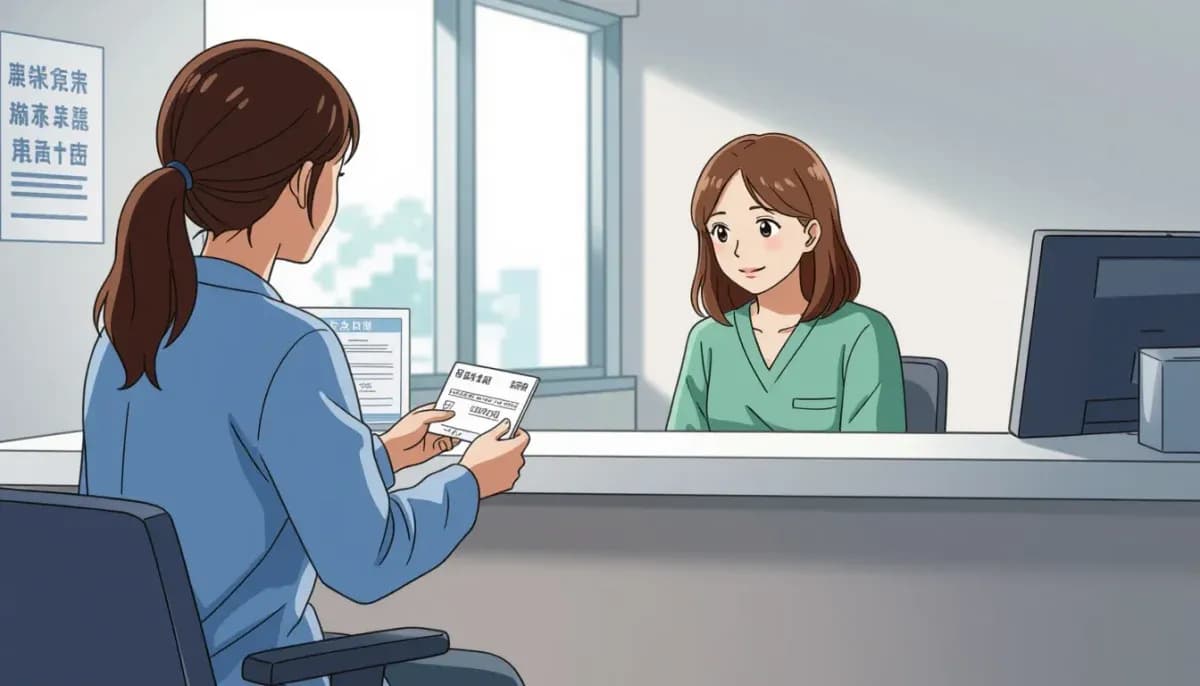
How to Use Your Japan Health Insurance Card
Learn how to use your Japan health insurance card (hokensho) as a foreigner. Covers Myna Hokensho transition, co-payment rates, NHI vs SHI, enrollment steps, and cost-saving tips for expats.
Read more →
Having a Baby in Japan as a Foreign Parent
Complete guide to having a baby in Japan as a foreign parent. Learn about prenatal care, hospital costs, the ¥500,000 birth grant, maternity leave, and essential steps for registering your newborn.
Read more →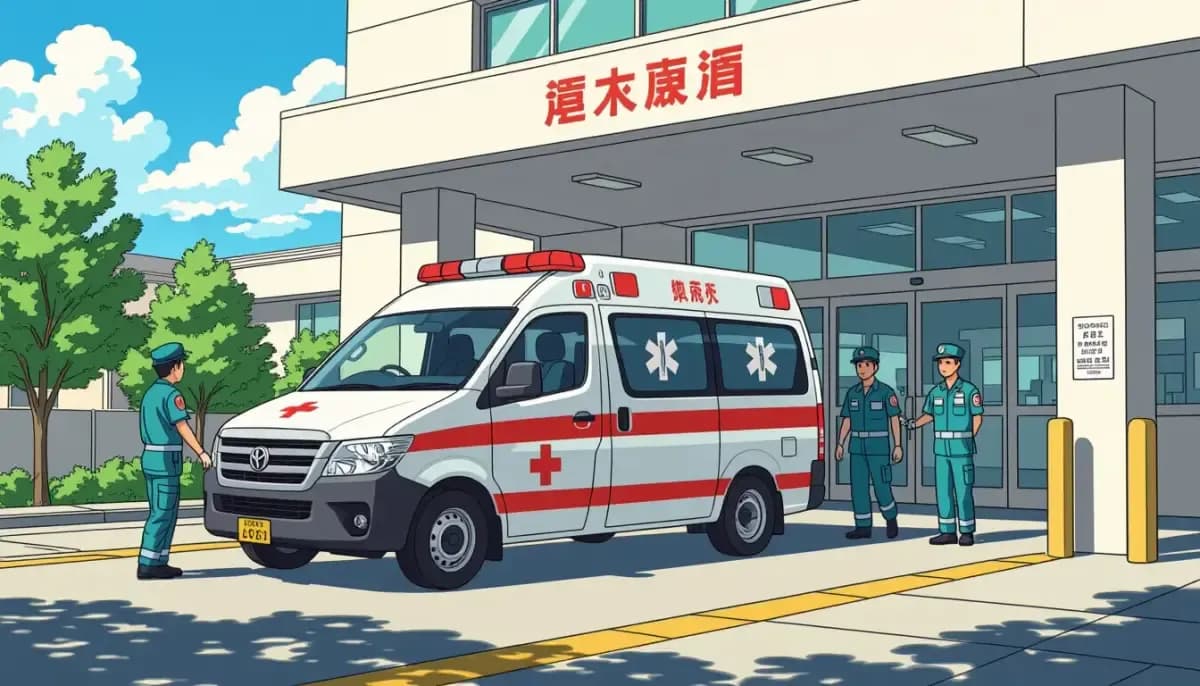
Emergency Medical Care in Japan What Foreigners Need to Know
Learn how to access emergency medical care in Japan as a foreigner. Covers ambulance services, ER procedures, costs, insurance coverage, and essential preparation tips for expats and tourists.
Read more →