
Over the Counter Medicine in Japan Guide

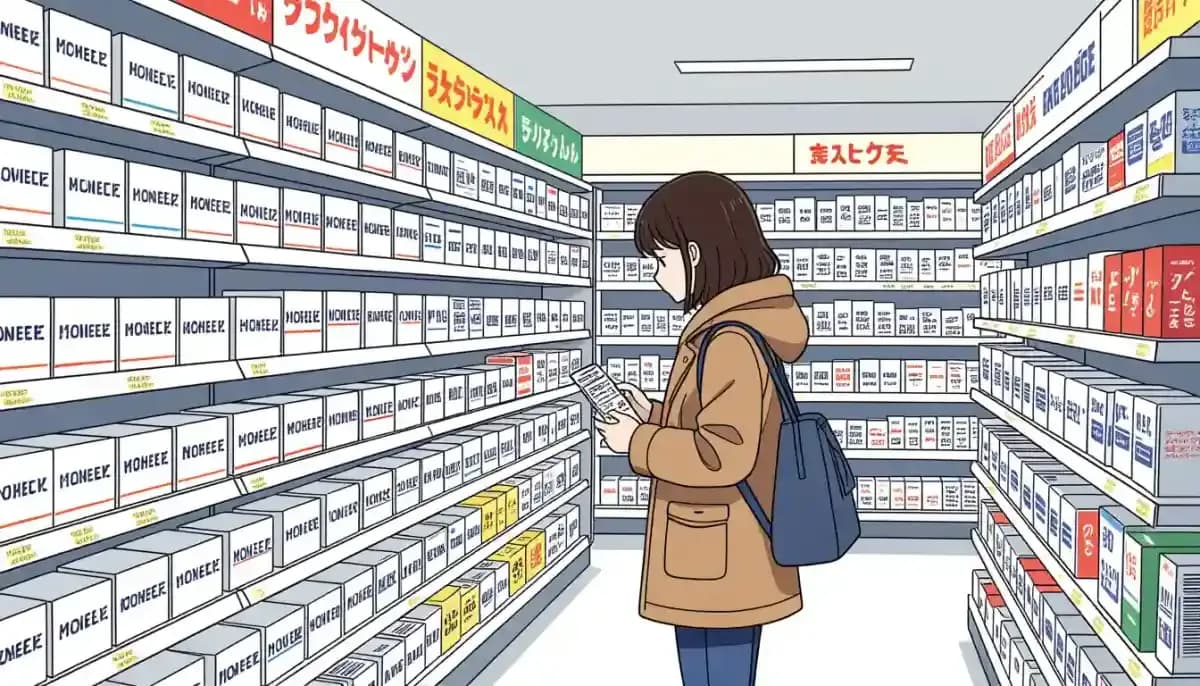
Complete guide to buying OTC medicine in Japan as a foreigner. Learn about popular Japanese medicines, drugstore chains, banned medications, and essential pharmacy phrases for expats.
Over the Counter Medicine in Japan: A Complete Guide for Foreigners
Finding the right medicine when you are sick in a foreign country can be stressful, especially when labels are written in a language you cannot read. Japan has an excellent network of over 22,000 drugstores and pharmacies nationwide, stocked with effective over-the-counter (OTC) remedies for nearly every common ailment. This guide walks you through everything you need to know about buying medicine in Japan as a foreigner, from understanding drugstore chains to choosing the right product for your symptoms.
If you are new to navigating the Japanese healthcare system, be sure to read our complete healthcare guide for foreigners for a broader overview of medical services available to you.
Where to Buy OTC Medicine in Japan
Japan offers two main types of stores where you can purchase over-the-counter medicine: pharmacies (yakkyoku) and drugstores. Understanding the difference will help you find what you need more quickly.
Pharmacies (Yakkyoku / 薬局) are staffed by licensed pharmacists who can dispense prescription medications. They often carry a full range of OTC products as well. If you need advice on drug interactions or have specific health concerns, a yakkyoku is your best bet.
Drugstores are larger retail outlets that sell OTC medicines alongside cosmetics, snacks, household goods, and supplements. Major chains include Matsumoto Kiyoshi, Welcia, Tsuruha Drug, Sundrug, and Daikoku Drug. Many locations are open late or even 24/7, making them convenient for emergencies.
Most drugstores have clearly labeled aisles with English translations underneath the Japanese descriptions. Staff may not speak fluent English, but pointing at symptoms on a translation app usually works well. For more tips on daily life in Japan, including shopping and communication, check out our dedicated guide.
Common OTC Medicines by Symptom
One important thing to know: OTC medicines in Japan tend to be milder than their Western equivalents. Dosages are often formulated for the average Japanese body weight, so you may find them slightly less potent than what you are used to back home. Always follow the dosage instructions on the packaging.
Pain Relief and Fever
| Medicine | Active Ingredient | Best For | Approximate Price |
|---|---|---|---|
| Bufferin Premium | Aspirin + Paracetamol | Headaches, general pain | ¥500–800 |
| Eve A | Ibuprofen | Headaches, menstrual pain | ¥600–900 |
| Tylenol A | Paracetamol (Acetaminophen) | Fever, mild pain | ¥500–700 |
| Ringl | Ibuprofen (capsule) | Joint pain, toothache | ¥600–800 |
| Loxonin S | Loxoprofen | Strong pain relief | ¥700–1,000 |
Bufferin and Eve are the two most commonly purchased pain relievers among both locals and foreigners. Loxonin S is a stronger option available without prescription at pharmacies with a pharmacist on duty.
Cold and Flu Remedies
Japanese cold medicines are comprehensive, often combining multiple active ingredients in a single product. Popular options include:
- Pabron Ace Pro — A well-rounded cold remedy covering fever, cough, runny nose, and sore throat. This is one of the most popular cold medicines in Japan.
- Lulu Attack — Targets nasal congestion and throat pain specifically.
- Kakkonto (葛根湯) — A traditional Kampo herbal remedy used at the first sign of a cold. It contains kudzu root and is widely trusted for early-stage cold symptoms.
- Contac — Available in several formulations for different cold symptoms.
For sore throats specifically, Ryukakusan lozenges are a Japanese household staple that nearly every resident swears by.
Stomach and Digestive Issues
Digestive problems are common when adjusting to a new diet. These remedies can help:
- Gaster 10 — For acid reflux and upset stomach, containing famotidine.
- Biofermin — A popular probiotic that helps regulate gut bacteria. Excellent for ongoing digestive adjustment.
- Stoppa — Fast-acting anti-diarrhea tablets.
- Ohta's Isan — A classic Japanese digestive powder used for overeating, heartburn, and nausea.
- Taisho Kampo Ichoyaku — A natural remedy with licorice and fennel for stomach discomfort.
Allergies and Skin Issues
Japan's allergy season (particularly cedar pollen from February to April) affects millions of people. Useful OTC options include:
- Allegra FX — Non-drowsy antihistamine for hay fever.
- Alesion — Another popular antihistamine available OTC.
- Muhi — The go-to topical cream for insect bites and itching. Available in regular and extra-strength versions.
- Kayumidome — Cooling gel with a convenient roll-on applicator for bug bites.
For more on adapting to seasonal changes and daily life challenges in Japan, our lifestyle guides offer practical tips.
Understanding Japanese Medicine Categories
Japan classifies OTC medicines into three categories, which determines where and how they can be sold:
| Category | Risk Level | Consultation Required | Where Sold |
|---|---|---|---|
| Category 1 (第1類) | Highest risk OTC | Pharmacist must explain | Pharmacy counter only |
| Category 2 (第2類) | Moderate risk | Pharmacist should explain | Open shelves in drugstores |
| Category 3 (第3類) | Lowest risk | No consultation needed | Open shelves, some convenience stores |
Category 1 medicines are kept behind the pharmacy counter and require a brief consultation with a pharmacist before purchase. This includes medicines like Loxonin S and Gaster 10. Category 2 and 3 medicines can be picked up directly from shelves.
Understanding this system helps explain why some medicines you are looking for might not be visible on the regular shelves. Simply ask the pharmacist at the counter, and they will assist you. You can learn more about Japan's healthcare infrastructure on Living in Nihon's health insurance guide.
Kampo: Traditional Japanese Herbal Medicine
One of the unique aspects of Japanese healthcare is the widespread availability of Kampo (漢方) medicine. Based on traditional Chinese medicine but adapted over centuries in Japan, Kampo remedies are prescribed by doctors and sold over the counter.
Popular Kampo products you will find in drugstores include:
- Kakkonto (葛根湯) — For early-stage colds and stiff shoulders
- Shakuyakukanzoto (芍薬甘草湯) — For muscle cramps and leg pain
- Goreisan (五苓散) — For hangovers and water retention
- Yokuininto (ヨクイニン湯) — For skin health and wart removal
Tsumura is the most recognized Kampo brand, with numbered formulations that make it easy to identify specific remedies. Many Japanese people use Kampo alongside Western medicine, and pharmacists can recommend appropriate options based on your symptoms.
For those interested in Japanese culture and traditions, Kampo represents a fascinating intersection of traditional knowledge and modern healthcare practice.
Medications Banned or Restricted in Japan
This is critical information for foreigners. Several common Western medications are illegal to bring into Japan, regardless of whether you have a valid prescription in your home country. Violating these rules can result in arrest and detention.
Strictly prohibited substances include:
- Medications containing amphetamines (Adderall, Dexedrine, Vyvanse)
- Pseudoephedrine-containing products (Sudafed, Actifed, NyQuil, Advil Cold & Sinus)
- Any product containing stimulant ingredients
Import limits for permitted medicines:
- OTC medicines: up to a 2-month supply
- Prescription medicines: up to a 1-month supply
- Beyond these limits, you need a Yunyu Kakunin-sho (import certificate) from the Ministry of Health
For the most current banned medication list, check the Accessible Japan guide or the U.S. Embassy advisory. The official Ministry of Health, Labour and Welfare page provides detailed import procedures.
If you are planning to work in the healthcare field in Japan, For Work in Japan's healthcare industry guide offers useful career information.
Useful Japanese Phrases at the Pharmacy
While many drugstore staff will do their best to help, knowing a few key phrases can make the process smoother:
| English | Japanese | Pronunciation |
|---|---|---|
| Medicine | 薬 | Kusuri |
| I have a cold | 風邪です | Kaze desu |
| Headache | 頭痛 | Zutsuu |
| Stomachache | 腹痛 | Fukutsuu |
| Fever | 熱 | Netsu |
| Allergy | アレルギー | Arerugii |
| Cough | 咳 | Seki |
| Do you have this? | これはありますか? | Kore wa arimasu ka? |
| Pharmacist | 薬剤師 | Yakuzaishi |
Using a translation app like Google Translate with the camera feature can also help you read medicine packaging in real time. For more advice on navigating language barriers, see our guide to learning Japanese.
Tips for Buying Medicine as a Foreigner
Here are practical tips to make your pharmacy visits smoother:
- Bring your current medications — Show the pharmacist what you normally take so they can suggest an equivalent Japanese product.
- Know your allergies — Write down any drug allergies in Japanese before you visit.
- Use the pharmacist — Category 1 medicine consultations are free and pharmacists are highly trained.
- Check for tax-free shopping — Chains like Daikoku Drug and Matsumoto Kiyoshi offer tax-free purchases for tourists on eligible items.
- Download a translation app — Google Translate's camera mode can read Japanese labels in real time.
- Stock up on essentials early — Do not wait until you are sick. Buy basic cold medicine, pain relievers, and digestive aids when you first arrive.
- Remember that Japanese pharmacies cannot fill foreign prescriptions — If you need ongoing prescription medication, visit a local clinic to get a Japanese prescription.
For more on settling into life in Japan and managing your cost of living, our comprehensive guides cover everything from groceries to healthcare expenses.
You can also explore career opportunities in Japan's growing pharmaceutical sector through resources like Ittenshoku, which connects foreign workers with employers across various industries.
Conclusion
Navigating over-the-counter medicine in Japan does not have to be intimidating. With well-stocked drugstores on nearly every major street, helpful pharmacists, and effective Japanese remedies, you can manage common health issues confidently. Remember to familiarize yourself with the banned medication list before arriving, stock up on basics early, and do not hesitate to ask pharmacists for help. Japan's pharmacy system, while different from what you may be used to, is remarkably efficient once you understand how it works.
For a complete overview of healthcare services available to foreigners, including insurance enrollment and finding English-speaking doctors, visit our healthcare guide for foreigners in Japan.

Originally from Vietnam, living in Japan for 16+ years. Graduated from Nagoya University, with 11 years of professional experience at Japanese and international companies. Sharing information about living in Japan for foreigners.
View Profile →Related Articles
Vision Care and Getting Glasses in Japan
Complete guide to buying prescription glasses in Japan as a foreigner. Learn about free eye exams, top stores like JINS and Zoff, prices from ¥5,000, contact lenses, and insurance coverage.
Read more →
Private Health Insurance Options in Japan
Complete guide to private health insurance options in Japan for foreigners. Compare IPMI, Japanese private insurance, costs, providers, and how to apply alongside mandatory NHI coverage.
Read more →
How to Use Your Japan Health Insurance Card
Learn how to use your Japan health insurance card (hokensho) as a foreigner. Covers Myna Hokensho transition, co-payment rates, NHI vs SHI, enrollment steps, and cost-saving tips for expats.
Read more →
Having a Baby in Japan as a Foreign Parent
Complete guide to having a baby in Japan as a foreign parent. Learn about prenatal care, hospital costs, the ¥500,000 birth grant, maternity leave, and essential steps for registering your newborn.
Read more →
Emergency Medical Care in Japan What Foreigners Need to Know
Learn how to access emergency medical care in Japan as a foreigner. Covers ambulance services, ER procedures, costs, insurance coverage, and essential preparation tips for expats and tourists.
Read more →
Japan Health Checkup Ningen Dock Explained
Complete guide to Ningen Dock, Japan's comprehensive health checkup system. Learn costs, what's included, English-speaking clinics, preparation tips, and how it differs from the standard annual health check.
Read more →