
Vision Care and Getting Glasses in Japan

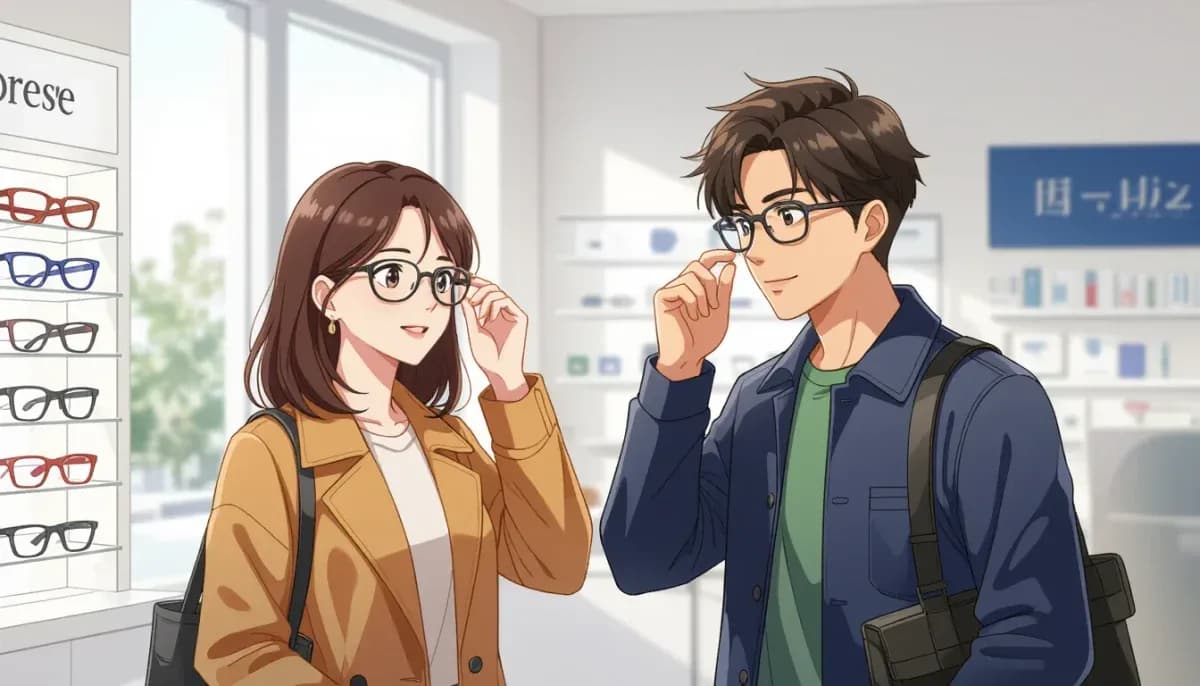
Complete guide to buying prescription glasses in Japan as a foreigner. Learn about free eye exams, top stores like JINS and Zoff, prices from ¥5,000, contact lenses, and insurance coverage.
Vision Care and Getting Glasses in Japan: The Complete Guide for Foreigners
Whether you have been wearing glasses for years or just realized you need a new pair, Japan is one of the best countries in the world to buy prescription eyewear. With affordable prices, lightning-fast service, and hundreds of stylish options, getting glasses in Japan is a surprisingly smooth experience — even if you do not speak Japanese. This guide covers everything you need to know about vision care, eye exams, buying glasses and contact lenses, and navigating the Japanese optical system as a foreigner.
Why Japan Is a Great Place to Buy Glasses
Japan's eyewear market is massive, valued at over US$7.35 billion, and competition among optical chains keeps prices remarkably low. Unlike many Western countries where a pair of prescription glasses can easily cost $200 to $400, you can walk into a Japanese optical store and walk out with a quality pair of glasses for as little as ¥5,000 (about $35 USD). Free eye exams are standard at most chains, no appointment is necessary, and same-day pickup is the norm for basic prescriptions.
The country is home to some of the world's most innovative eyewear brands, and Japanese craftsmanship in frame design — particularly from Fukui Prefecture, which produces around 95% of Japan's domestically made frames — is respected globally. For foreigners living in or visiting Japan, this combination of quality, affordability, and convenience makes it an ideal place to take care of your vision needs. For more tips on settling into daily life, check out our guide to daily life in Japan.
How to Get an Eye Exam in Japan
Getting your eyes tested in Japan is straightforward and usually free at major optical chains. Here is what to expect:
!How to Get an Eye Exam in Japan - illustration for Vision Care and Getting Glasses in Japan
In-Store Eye Tests (Free)
Most large chains like JINS, Zoff, and OWNDAYS offer complimentary eye exams right in the store. You do not need an appointment — simply walk in and tell the staff you want to buy glasses. The exam typically takes about 15 to 20 minutes.
The eye chart in Japan may look different from what you are used to. Instead of letters, Japanese eye tests often use the Landolt C chart — a series of circles with a small gap cut into them at different positions. You simply indicate which direction the gap is facing: up, down, left, or right. This makes the test completely language-independent, so you do not need to know any Japanese characters.
If you already wear glasses, the staff can also scan your current lenses with a lensometer to read your existing prescription, which speeds up the process considerably.
Ophthalmologist Visits (For Medical Issues)
For medical eye conditions such as glaucoma, cataracts, or infections, you should visit an ophthalmologist (眼科 / ganka). These visits are covered by Japan's national health insurance, with patients typically paying 30% of the total cost. You can find English-speaking eye doctors in major cities like Tokyo and Osaka through resources like Japan Dev's directory. If you need help understanding the healthcare system, see our healthcare guide for foreigners.
Top Optical Chains for Buying Glasses in Japan
Japan has an incredible number of optical stores, and you will find multiple options in virtually every shopping mall and major train station. Here are the most popular chains:
| Store | Starting Price | Stores in Japan | Best For | Turnaround Time |
|---|---|---|---|---|
| JINS | ¥5,000 | 370+ | Trendy designs, anime collaborations | 30-60 minutes |
| Zoff | ¥5,000 | 220+ | Speed and simplicity | 30 minutes |
| Megane Ichiba | ¥5,000 | 900+ | Service, free adjustments for 6 months | 30-60 minutes |
| OWNDAYS | ¥4,980 | 300+ | Multi-language support | 20-30 minutes |
| Paris Miki | ¥5,000 | 700+ | AI-powered frame selection | 30-60 minutes |
| 999.9 (Four Nines) | ¥30,000+ | 25+ | Premium comfort and quality | 1-2 weeks |
JINS is probably the most well-known budget chain, offering over 3,000 frame styles and frequent anime collaborations with franchises like Doraemon and My Hero Academia. Their three main price tiers are ¥6,600, ¥9,900, and ¥13,900 (tax included), which cover frames and standard lenses.
Zoff is equally popular, known for their ultra-fast 30-minute service and durable "Zoff Smart" bendable frames that resist breaking.
Megane Ichiba has the largest store network with over 900 locations and offers free prescription adjustments for six months and free repairs for one year after purchase.
OWNDAYS stands out for its multilingual staff, making it especially foreigner-friendly. They also run global charity programs providing free eye exams in developing countries. For a broader look at shopping in Japan, visit our shopping guide.
The Step-by-Step Process of Buying Glasses
Buying glasses in Japan is remarkably simple. Here is the typical process:
- Walk into any optical store — No appointment needed. Browse the frame selection and pick styles you like.
- Get a free eye exam — Tell the staff you want to purchase glasses. They will test your vision using the Landolt C chart or scan your existing glasses.
- Choose your lenses — Staff will recommend lens options based on your prescription. Standard single-vision lenses are included in the base price. Upgrades like blue-light filtering, UV protection, photochromic coating, or high-index lenses cost extra.
- Pay at the register — Prices are all-inclusive (frames + lenses). A case and cleaning cloth are typically included free.
- Wait or come back — For basic single-vision lenses, your glasses will be ready in 20 to 60 minutes. Progressive lenses or special coatings may take 5 to 7 business days.
Using a Foreign Prescription: You can bring a prescription from your home country, but most stores prefer to re-measure your eyes themselves (for free) to ensure accuracy. They will also measure your pupillary distance (PD) for optimal lens placement.
Tax-Free Shopping: If you are a tourist or non-resident in Japan, you may be eligible for tax-free purchases at stores that participate in the duty-free program. This can save you the 10% consumption tax. Just bring your passport. For more on managing your finances in Japan, see our banking and finance guide.
Contact Lenses in Japan
Contact lenses are regulated as medical devices in Japan, which means the process is a bit different from buying glasses:
- You must visit an ophthalmologist first. Unlike glasses, you cannot simply walk into a store and buy contacts. A doctor at an eye clinic (ganka) will examine your eyes, fit the lenses, and write a prescription.
- The consultation typically costs ¥1,000 to ¥3,000 with health insurance (30% co-pay).
- After getting your prescription, you can buy contacts at optical shops, drugstores, or online retailers. Popular online options include Rakuten and Amazon Japan.
- Cosmetic color contacts are also regulated and require a prescription. They are very popular in Japan and available at many shops and online.
Monthly disposable contacts typically cost ¥2,000 to ¥5,000 per box, while daily disposables range from ¥3,000 to ¥6,000 per box. For more information about health-related topics, you can also check out Living in Nihon and For Work in Japan for additional resources on life in Japan.
Insurance Coverage and Costs
Understanding what is covered by insurance is important for managing your vision care expenses:
What National Health Insurance Covers:
- Medical eye examinations at ophthalmology clinics (70% covered)
- Treatment for eye diseases and conditions
- Some pediatric therapeutic eyewear (case-by-case)
What Insurance Does NOT Cover:
- Regular prescription glasses for nearsightedness, farsightedness, or astigmatism
- Standard contact lenses
- Eye exams at optical retail stores (these are free anyway)
- Sunglasses or fashion eyewear
This means your main expense will be the glasses themselves, which start at just ¥5,000 at budget chains. If you want premium frames from brands like 999.9 (Four Nines) or Factory 900, expect to pay ¥30,000 or more. For an overview of expenses in Japan, check our cost of living guide.
Driving and Vision Requirements
If you plan to drive in Japan, you must meet specific vision standards for your license:
- Both eyes together: 0.7 or higher
- Each eye individually: 0.3 or higher
- If one eye has vision below 0.3, the other must be 0.7 or higher with a visual field of 150 degrees or more
If you fail the vision test at the license center, you can get glasses or contacts and retake it. Many people choose to visit an optical chain beforehand to ensure they meet the requirements. For more about getting around Japan, see our transportation guide.
Tips for Foreigners Buying Glasses in Japan
Here are some practical tips to make your experience as smooth as possible:
- Visit stores in large malls or tourist areas for the best chance of finding English-speaking staff. Locations in Shinjuku, Shibuya, Ginza, and Osaka's Namba area tend to be more foreigner-friendly.
- Download the JINS or Zoff app to browse frames and check store locations before you go.
- Bring your current glasses even if the prescription is old — staff can scan them as a starting reference.
- Ask about blue-light lenses if you spend a lot of time on screens. This is a popular add-on in Japan.
- Check for seasonal sales — chains like JINS and Zoff frequently run promotions, especially during New Year, Golden Week, and back-to-school season.
- Consider buying multiple pairs — at ¥5,000 to ¥10,000 per pair, many people buy a regular pair plus sunglasses or computer glasses.
- For premium Japanese eyewear, look for Sabae-made frames (from Fukui Prefecture), which are known worldwide for exceptional quality and craftsmanship.
For additional resources on adapting to life in Japan, visit Ittenshoku for career-related information, and read our complete guide to Japanese culture and etiquette to help you navigate social situations with confidence.
Conclusion
Getting glasses in Japan is faster, cheaper, and more convenient than in most countries. With free eye exams, same-day service, prices starting under ¥5,000, and a huge variety of stylish frames, there is no reason to put off taking care of your vision. Whether you need a basic pair of reading glasses or premium designer frames, Japan's optical stores have you covered. For detailed price comparisons, see this guide to glasses prices in Japan. Walk into any JINS, Zoff, Megane Ichiba, or OWNDAYS location, and you could be wearing your new glasses within the hour.

Originally from Vietnam, living in Japan for 16+ years. Graduated from Nagoya University, with 11 years of professional experience at Japanese and international companies. Sharing information about living in Japan for foreigners.
View Profile →Related Articles
Private Health Insurance Options in Japan
Complete guide to private health insurance options in Japan for foreigners. Compare IPMI, Japanese private insurance, costs, providers, and how to apply alongside mandatory NHI coverage.
Read more →
Over the Counter Medicine in Japan Guide
Complete guide to buying OTC medicine in Japan as a foreigner. Learn about popular Japanese medicines, drugstore chains, banned medications, and essential pharmacy phrases for expats.
Read more →
How to Use Your Japan Health Insurance Card
Learn how to use your Japan health insurance card (hokensho) as a foreigner. Covers Myna Hokensho transition, co-payment rates, NHI vs SHI, enrollment steps, and cost-saving tips for expats.
Read more →
Having a Baby in Japan as a Foreign Parent
Complete guide to having a baby in Japan as a foreign parent. Learn about prenatal care, hospital costs, the ¥500,000 birth grant, maternity leave, and essential steps for registering your newborn.
Read more →
Emergency Medical Care in Japan What Foreigners Need to Know
Learn how to access emergency medical care in Japan as a foreigner. Covers ambulance services, ER procedures, costs, insurance coverage, and essential preparation tips for expats and tourists.
Read more →
Japan Health Checkup Ningen Dock Explained
Complete guide to Ningen Dock, Japan's comprehensive health checkup system. Learn costs, what's included, English-speaking clinics, preparation tips, and how it differs from the standard annual health check.
Read more →