
What Student Life in Japan Is Really Like


Discover what student life in Japan is really like for foreign students. From academics and housing to clubs, part-time jobs, costs, and culture shocks — a complete honest guide.
What Student Life in Japan Is Really Like
Choosing to study in Japan is one of the most exciting decisions a foreign student can make. Between world-class universities, a vibrant youth culture, incredible food, and a society that values hard work and community, Japan offers an education experience unlike any other. But what does daily life actually look like once you arrive? This guide covers everything from academics and housing to clubs, part-time jobs, costs, and cultural surprises — giving you a realistic picture of what student life in Japan is really like.
!International student studying at a Japanese university campus with cherry blossoms

Academic Life: What to Expect in a Japanese University
Japan's academic year starts in April, unlike most Western countries where September or August is the norm. Some universities, particularly those with international programs, also offer October intake. The year is divided into two semesters separated by summer and winter breaks.
Class formats in Japanese universities can feel different from what international students are used to. Lectures tend to be formal, attendance is tracked carefully, and professors may not encourage open debate in the same way as Western institutions. However, seminars (zemi) — small research-focused groups — are a core part of Japanese university life and provide much deeper engagement with professors and classmates.
The grading culture in Japan is often described as "relaxed once you're in, challenging to enter." The university entrance exams are notoriously difficult, but once enrolled, students generally have more freedom compared to their high school years. That said, final exams and research presentations are taken seriously, and you'll be expected to meet deadlines and show genuine effort.
If your university offers courses in English, you may find the academic workload manageable even before your Japanese is fluent. However, the administrative side of university life — signing up for courses, handling paperwork, registering at the city office — often requires Japanese, so language preparation matters.
For a broader view of how to approach your time in Japan as a student, check out the comprehensive resource at Living in Nihon's studying in Japan guide.
Housing: Where International Students Live
One of your first challenges will be finding a place to live. Japanese universities often provide dormitory options for international students, which are generally affordable and a great way to meet both Japanese and other foreign students. Dormitories typically cost between JPY 20,000–50,000 per month, though facilities and rules vary widely.
If you prefer more independence, renting a private apartment is another option — but this comes with its own challenges. Many Japanese landlords are hesitant to rent to foreign nationals, especially those without a Japanese guarantor. Fortunately, student housing agencies and university support offices can help navigate this process.
Shared apartments (share houses) have grown popular among international students and young professionals alike. They cost more than dorms but offer more freedom and a built-in social community.
Key tips for housing in Japan:
- Register your address at the local city hall within 14 days of moving in
- Learn the local garbage separation rules — they vary by municipality and violations can cause friction with neighbors
- Most apartments come unfurnished, so budget for furniture or seek furnished options
For detailed guidance on finding your ideal home in Japan, see our Complete Guide to Finding Housing in Japan.
The Cost of Living as a Student in Japan
Understanding your budget before arriving in Japan can prevent serious stress later. Here is a breakdown of typical monthly expenses for international students:
| Expense Category | Monthly Cost (JPY) | Notes |
|---|---|---|
| Accommodation (dorm) | 20,000 – 50,000 | University dorms are cheapest |
| Accommodation (private) | 50,000 – 90,000 | Varies greatly by city |
| Food | 20,000 – 35,000 | Cooking at home saves money |
| Transportation | 8,000 – 15,000 | Student commuter passes available |
| Utilities | 5,000 – 10,000 | Electricity, gas, water |
| Phone/Internet | 3,000 – 8,000 | Budget SIM cards available |
| Personal & entertainment | 5,000 – 15,000 | Movies, outings, hobbies |
| Total (estimated) | 61,000 – 223,000 | Varies by lifestyle and city |
International students in Tokyo should expect to budget around JPY 150,000 per month, while those in smaller cities or rural areas can often manage on JPY 100,000 or less. Annual cost of attendance (tuition + living) typically ranges from JPY 1.5 million to JPY 2.5 million for public universities.
For a comprehensive breakdown of expenses across different cities and scenarios, visit our Complete Guide to Cost of Living in Japan.
Part-Time Work: Earning While You Study
One of the most practical aspects of student life in Japan is the ability to work part-time. Foreign students on a student visa can legally work up to 28 hours per week (40 hours during official school breaks), provided they obtain permission from the immigration authorities.
This permission is called Shikakugai-katsudokyoka (資格外活動許可) — permission for activities outside your status of residence. You apply for this at immigration, and it is often approved automatically when you enter Japan on a student visa.
Common part-time jobs (arubaito or "baito") for international students include:
- Convenience store staff (konbini) — popular and widely available
- Restaurant or café staff — Japanese language is usually required
- English tutoring or teaching — great if you're a native English speaker
- Interpreter or translation services — for those with strong Japanese skills
- Farm work — common in rural areas, especially during harvest seasons
Students typically earn JPY 1,000–1,200 per hour at a standard part-time job, amounting to JPY 70,000–100,000 per month if working close to the 28-hour limit. This can significantly offset living costs.
If you're thinking about transitioning from student life into professional work after graduation, For Work in Japan's guide for international students entering the workforce is an excellent resource to start planning early.
Club Activities and Social Life
No guide to student life in Japan would be complete without discussing clubs and circles (サークル). These extracurricular groups are arguably the most important social institution at Japanese universities — far more so than in many Western countries.
There are two main types:
- Bu (部) — formal sports clubs with rigorous practice schedules, hierarchies, and competitions
- Circle (サークル) — informal groups organized around shared hobbies or interests, with a more relaxed atmosphere
Joining a circle or club is the single best way to make friends in Japan, improve your Japanese, and integrate into campus life. International students who skip clubs often report feeling isolated, while those who join report their time in Japan transformed completely.
Popular circle types include:
- Sports (tennis, soccer, basketball, badminton)
- Music (jazz, rock, traditional instruments)
- Cultural (tea ceremony, martial arts, anime, photography)
- Volunteer and community groups
- Language exchange groups (great for meeting Japanese students who want to practice English)
New Student Welcome Events (新歓 / Shinkan) happen in April at the start of the academic year. Every club sets up booths across campus and invites students to free events, free food, and trial sessions. This is your best opportunity to find your community.
For more on building a social life in Japan, explore our Complete Guide to Making Friends and Social Life in Japan.
Cultural Differences and Common Culture Shocks
Living as a student in Japan means navigating cultural differences every day. Here are some of the most common surprises foreign students encounter:
Quiet train culture: Japanese commuters are generally very quiet on trains. Talking loudly, taking phone calls, or even eating is considered rude in many situations. This can feel isolating at first, but it's simply a social norm to respect.
Group harmony (wa): Japanese social culture heavily emphasizes group cohesion. In class and in clubs, the group's needs often come before individual expression. Foreign students who are used to speaking up loudly in discussions may need to adjust their communication style.
Punctuality: Being late — even by five minutes — is taken seriously in Japan, whether it's for class, club practice, or meeting friends. This applies to professors as well, who rarely run overtime.
Garbage separation: Japan has strict rules about separating garbage into burnable, non-burnable, plastics, and recyclables. Rules differ by city and neighborhood, and improper disposal can lead to conflict with neighbors or building managers.
Rainy season and heat: Japan's climate includes a tsuyu (梅雨) rainy season in June-July and brutally hot, humid summers. Investing in proper rain gear and a portable fan early on will make campus life much more comfortable.
Gift-giving etiquette: When returning from travel, it's customary to bring back small gifts (omiyage) for friends, classmates, and coworkers. This tradition is deeply embedded in Japanese social culture and easy to participate in affordably.
To understand Japanese cultural norms more deeply before you arrive, our Complete Guide to Japanese Culture and Etiquette is essential reading.
Health, Insurance, and Support Services
All international students in Japan who stay for more than three months are required to enroll in National Health Insurance (国民健康保険). This provides coverage for doctor visits, hospital stays, and prescriptions at a fraction of the full cost — typically you pay 30% of the total medical bill.
Insurance premiums depend on your income and are calculated by your local municipality. For students with little or no income, monthly premiums are very low, often JPY 1,000–3,000 per month.
University health centers (保健センター) are available at most institutions and offer consultations with doctors and nurses. Many also provide mental health counseling, which is increasingly important given the stress that can accompany cultural adjustment.
Other support services typically available include:
- International Student Advisors — help with visa renewals, academic concerns, and personal issues
- Scholarship guidance — JASSO and other organizations offer scholarships specifically for international students
- Job placement offices — increasingly helpful for students who want to stay and work in Japan after graduation
Learn more about navigating Japan's healthcare system in our Complete Guide to Healthcare in Japan for Foreigners.
Everyday Life: Food, Transport, and Fun
Food: Japan is a food lover's paradise, and being a student doesn't mean you have to sacrifice great eating. University cafeterias (食堂 / shokudo) serve filling, nutritious meals for JPY 300–600. Convenience stores like 7-Eleven, Lawson, and FamilyMart offer surprisingly high-quality prepared meals, onigiri, and snacks. Learning to cook Japanese food at home is another fun and economical option. For inspiration and practical tips, visit our Complete Guide to Japanese Food and Cooking.
Transport: Japan's public transportation system is exceptional. Student commuter passes (通学定期 / tsugaku teiki) offer significant discounts on train and subway fares along your regular route. Bicycles are extremely common on campuses and in urban areas, offering a cheap, flexible way to get around locally. Our Complete Guide to Transportation in Japan has all the details you need.
Entertainment: Student life in Japan is rich with affordable activities — from cultural festivals (matsuri) and seasonal events like cherry blossom viewing (hanami) to budget karaoke, day trips to historic cities, and exploring Japan's incredible nature. Many museums and cultural sites offer student discounts with your student ID. For an overview of Japan's cultural calendar, see our Complete Guide to Japanese Festivals and Traditions.
For additional resources and community support during your studies, the official Study in Japan website and JPSS International Student Living Guide are comprehensive references worth bookmarking. You can also find career-focused advice for life after graduation at Ittenshoku, a resource focused on career transitions in Japan.
Tips for Making the Most of Your Time as a Student in Japan
Here are practical tips to help you thrive as an international student in Japan:
- Join a circle in your first month — it's the most effective way to build friendships and practice Japanese
- Get a part-time job early — it builds language skills, cultural understanding, and income simultaneously
- Learn the local garbage rules on your first day — seriously, it matters to your neighbors
- Open a Japan Post or Yucho bank account — widely accepted and easy to set up with a student visa
- Register at your local city hall within 14 days of arrival — required by law and needed for many services
- Embrace the discomfort — language challenges and culture shock are temporary, and pushing through them accelerates your growth
- Attend university orientation events — they're designed to connect you with resources and other students
- Explore beyond your campus city — Japan's shinkansen and overnight buses make weekend travel accessible and exciting
Student life in Japan is genuinely unlike anything else. It's structured and sometimes rigid, yet deeply rewarding. The friendships you build through clubs, the language skills you develop through daily interaction, and the cultural depth you gain from living in Japan will stay with you long after graduation. Go in with realistic expectations, an open mind, and a willingness to engage — and Japan will give you experiences you'll never forget.

Originally from Vietnam, living in Japan for 16+ years. Graduated from Nagoya University, with 11 years of professional experience at Japanese and international companies. Sharing information about living in Japan for foreigners.
View Profile →Related Articles

English Taught MBA Programs in Japan Guide
Discover the best English-taught MBA programs in Japan for international students. Compare Hitotsubashi, Waseda, NUCB, GLOBIS and more — tuition, requirements, scholarships, and career outcomes covered.
Read more →
Graduating in Japan and Starting Your Job Hunt
Complete guide for foreign students graduating in Japan and starting a job hunt. Learn about shinsotsu saiyō, visas, platforms, language requirements, and application tips for 2025.
Read more →
Student Health Insurance in Japan Guide
Everything international students need to know about health insurance in Japan — NHI enrollment, costs, reductions, Gakkensai, and how to get coverage fast after arriving.
Read more →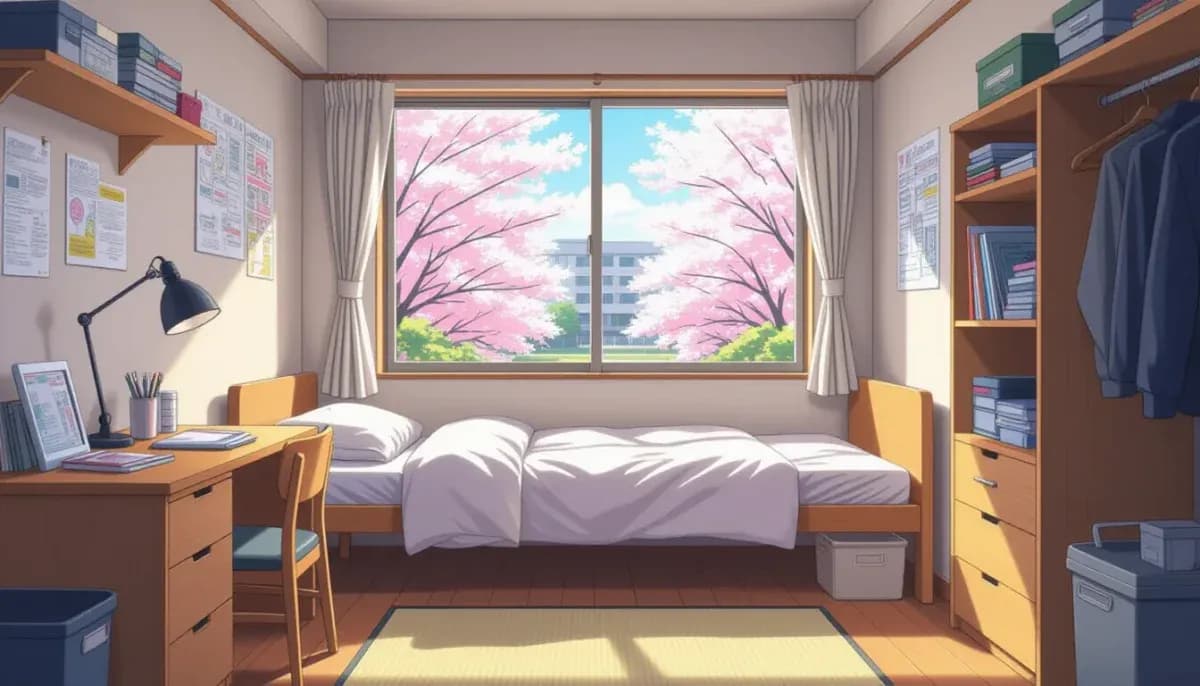
Student Housing Options and Dormitories in Japan
Discover all student housing options in Japan: university dorms, share houses, student apartments, and private rentals. Costs, tips, and how to apply as an international student.
Read more →
Vocational and Technical Schools in Japan Guide
Complete guide to vocational schools (senmon gakko) in Japan for foreigners. Learn about admission requirements, costs, visa rules, fields of study, and career pathways after graduation.
Read more →
Research Programs and Graduate School in Japan
Complete guide to graduate school and research programs in Japan for foreigners. Learn about MEXT scholarships, English programs, application process, costs, and top universities.
Read more →