
Student Housing Options and Dormitories in Japan

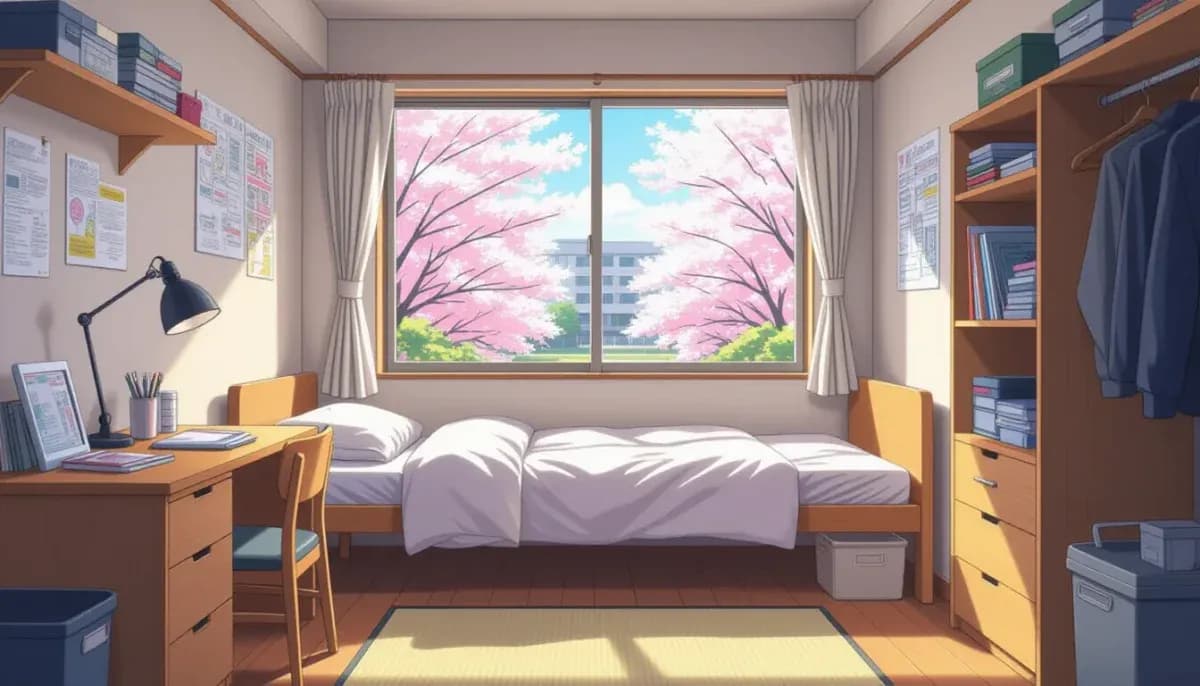
Discover all student housing options in Japan: university dorms, share houses, student apartments, and private rentals. Costs, tips, and how to apply as an international student.
Student Housing Options and Dormitories in Japan: A Complete Guide for International Students
Moving to Japan to study is an exciting adventure, but finding the right place to live can be one of the most stressful parts of your preparation. With over 435,000 international students in Japan as of 2025 — the highest number ever recorded — competition for affordable housing has never been fiercer. Whether you're hoping to live in a university dormitory or searching for a private apartment, this guide will walk you through every option available, including realistic costs, application timelines, and tips to secure your ideal accommodation before you arrive.
For a broader overview of settling into Japan, check out our Complete Guide to Finding Housing in Japan and our Complete Guide to Moving to Japan.
Types of Student Housing in Japan
International students in Japan typically choose from five main housing types: university dormitories, share houses, student-specific apartments (gakusei ryou or similar), private rental apartments, and UR (Urban Renaissance) housing. Each comes with its own trade-offs in cost, convenience, and flexibility.
Understanding these options before you apply to your school can save you months of stress. Many students assume they'll automatically get a dormitory spot, only to discover that only 20–30% of international students actually secure university housing — the rest navigate the private market on their own.
| Housing Type | Monthly Rent (Tokyo) | Furnished? | Guarantor Needed? | Deposit / Key Money |
|---|---|---|---|---|
| University Dormitory | ¥25,000–¥50,000 | Yes | No | Minimal or none |
| Share House | ¥50,000–¥80,000 | Yes | No | 1–2 months |
| Student Apartment | ¥70,000–¥120,000 | Usually | Reduced requirements | 1–2 months |
| Private Apartment | ¥80,000–¥120,000 | No | Yes (Japanese) | 4–6 months |
| UR Housing | ¥60,000–¥100,000 | No | No | 2 months deposit |
Costs outside Tokyo are significantly lower — national average rent is around ¥41,000/month versus ¥57,000/month in Tokyo.
University Dormitories: Affordable but Competitive
University dormitories (学生寮, gakusei ryou) are the most affordable housing option for international students in Japan. Monthly rent typically ranges from ¥25,000 to ¥50,000, and JASSO-affiliated dorms average just ¥28,000 per month — often with utilities partially included.
Advantages of University Dormitories
- No key money or large deposits: Unlike private rentals, most dormitories require no reikin (礼金, "gift money") and only minimal deposits
- Fully furnished: Rooms come with a bed, desk, wardrobe, and sometimes basic appliances
- Built-in community: Living alongside other students — both Japanese and international — accelerates language learning and social integration
- On-campus convenience: Many dorms are a short walk or bike ride from classrooms and facilities
- No guarantor required: A major barrier in private rentals is eliminated
Disadvantages of University Dormitories
- Limited availability: Most Japanese universities have dormitories that can house only a fraction of their student body
- Strict rules: Curfews, quiet hours, and restrictions on guests are common — especially in older facilities
- Shared bathrooms and kitchens: Privacy is limited in traditional dormitory layouts
- Early deadlines: Applications often open and close months before the academic year begins
How to Apply for University Dormitories
Contact your university's international student office (国際学生課) as early as possible — often six to twelve months before enrollment. Priority is commonly given to:
- First-year students who have never lived in Japan
- Scholarship recipients (especially MEXT scholars)
- Students enrolled through official exchange agreements
- Students from countries with fewer local Japanese communities
If you miss the application window, ask about waitlists. Some universities also manage affiliated off-campus dorms through partner organizations like JASSO or private operators.
For more on navigating Japanese bureaucracy as a new arrival, see our Complete Guide to Daily Life in Japan.
Share Houses: Flexible and Social
Share houses (シェアハウス) have become hugely popular among international students, especially those who don't secure a university dorm. You rent a private room and share the kitchen, bathrooms, and common areas with other residents.
In Tokyo, expect to pay ¥50,000–¥80,000 per month for a private room in a share house; outside major cities, costs drop to ¥35,000–¥45,000 per month. Move-in fees are usually just the first month's rent plus an administrative fee of ¥30,000–¥50,000 — a fraction of the upfront costs for private apartments.
Why Students Choose Share Houses
- No Japanese guarantor required
- Furnished rooms with Wi-Fi and utilities often included
- Flexible contracts starting from one month — perfect for students unsure of their timeline
- Multicultural environment that helps with language practice and making friends quickly
Operators like Sakura House, Oak House, and HiLifer cater specifically to international residents and offer English-language support during the application process.
For a detailed comparison between share houses and guesthouses, check out this helpful guide at Living in Nihon.
Student Apartments: Purpose-Built for Students
Student apartments (学生マンション, gakusei mansion) are privately owned buildings marketed specifically to students. They come furnished with basics — a bed, desk, refrigerator, and washing machine — and often have lower move-in costs than standard private rentals.
In central Tokyo, monthly rent runs ¥70,000–¥120,000; in outer wards, ¥55,000–¥80,000. Move-in costs are typically one to two months' rent plus administrative fees — significantly less than the four to six months required for standard private apartments.
Many student apartments waive the need for a Japanese individual guarantor, instead accepting a guarantor company (保証会社, hoshō gaisha) — which your university may be able to facilitate.
Popular providers include:
- Leo Palace 21 — Nationwide furnished apartments with monthly contracts
- Nasic (749.jp) — Specializes in student accommodation across Japan
- Your Home in Japan — English-friendly platform aggregating student-focused listings
Private Apartments: Maximum Freedom, Maximum Complexity
Renting a standard private apartment in Japan offers the most independence but also the most barriers for international students. The process involves multiple parties: a real estate agent, a landlord, a guarantor, and sometimes a management company.
Typical move-in costs for private apartments in Tokyo:
- Security deposit (敷金, shikikin): 1–2 months' rent
- Key money (礼金, reikin): 1–2 months' rent (sometimes waived)
- Agency fee (仲介手数料): 1 month's rent
- Guarantor fee: ~0.5–1 month's rent per year
- Total: Roughly 4–6 months' rent upfront
On a ¥70,000/month apartment, that's ¥280,000–¥420,000 before you even move in.
Making Private Rentals Work as an International Student
- Get a cosigner: Your university's international office may provide institutional guarantorship or recommend guarantor companies
- Build savings: Japan's immigration rules suggest having at least ¥1 million in savings for every six months of study — showing this in bank statements helps rental applications
- Consider outer wards: Areas like Adachi, Katsushika, or Edogawa in Tokyo offer rents of ¥50,000–¥70,000 with reasonable commute times
- Use English-friendly agencies: Agents like Suumo, At Home, and MAST Gakusei Mansion have English support; services like E-Housing specialize in helping international students
For a comprehensive overview of housing infrastructure and your rights as a tenant in Japan, see this guide at For Work in Japan.
UR Housing: An Underrated Option for Students
UR (Urban Renaissance Agency) housing is public rental housing managed by a government-backed corporation. It's often overlooked by students, but for those who qualify, it offers a compelling middle ground:
- No key money, no agency fees, no guarantor required
- Monthly rent ranges from ¥60,000–¥100,000 depending on size and location
- Move-in costs: two months' deposit plus first month's rent
- Catch: You must prove income equal to four times the monthly rent — for a ¥60,000 apartment, that's ¥240,000/month in demonstrated income. Scholarships and part-time income can count.
UR housing works best for students who have been in Japan for at least a year and have documented income, or those receiving substantial scholarships. Apply directly through the UR website (ur-net.co.jp) or at local UR offices.
Budgeting for Student Life in Japan
Housing is only one piece of the financial puzzle. Students should budget ¥120,000–¥150,000 per month for total living costs including accommodation, food, transport, mobile phone, utilities, and incidentals.
| Expense Category | Monthly Estimate (Tokyo) |
|---|---|
| Accommodation | ¥30,000–¥80,000 |
| Food (groceries + occasional dining) | ¥25,000–¥40,000 |
| Transportation | ¥10,000–¥15,000 |
| Mobile phone | ¥2,000–¥5,000 |
| Utilities (if not included) | ¥5,000–¥10,000 |
| Personal / miscellaneous | ¥10,000–¥20,000 |
| Total | ¥82,000–¥170,000 |
Living outside Tokyo in cities like Fukuoka, Nagoya, or Sendai can reduce housing and transport costs significantly while still offering access to excellent universities.
For a full breakdown of what life costs in Japan, see our Complete Guide to Cost of Living in Japan.
Practical Tips for Securing Student Housing in Japan
1. Apply Early — Very Early Dormitory applications at major Japanese universities typically open six to nine months before the semester starts. Don't wait until you receive your acceptance letter.
2. Have a Backup Plan Even if you apply for a dorm, have a shortlist of share houses or student apartments ready. Many students discover their dorm application was unsuccessful just weeks before arrival.
3. Get a Japanese Phone Number First Nearly every housing application requires a Japanese mobile number. Consider applying for a SIM card through your school or a service like IIJmio before you arrive.
4. Understand Your Contract Japanese rental contracts are legally binding and often written entirely in Japanese. Ask your university's international office to review any private rental contract before you sign.
5. Learn the Rules About Garbage and Noise Japan has strict, neighborhood-specific garbage disposal schedules. Violating these is one of the fastest ways to create conflict with neighbors and your landlord.
6. Consider Renters' Insurance JASSO offers earthquake and fire insurance for students at low cost. Many private landlords require proof of renters' insurance before finalizing contracts.
For additional tips on navigating Japanese financial systems as a student, explore our Complete Guide to Banking and Finance in Japan. For a detailed breakdown of the best private rental options for students, see Tokyo Portfolio's student rental guide.
Also worth reading for students planning their Japan journey: the Ittenshoku career transition guide — useful if you're thinking about staying in Japan after graduation and transitioning into the workforce.
Summary: Choosing the Right Housing for Your Situation
The best student housing option depends on your priorities, budget, and how early you plan ahead. Here's a quick decision guide:
- Tightest budget + community: Apply for a university dormitory immediately after acceptance
- Flexibility + social life: Look at share houses operated by companies like Sakura House or HiLifer
- Furnished, low-hassle private space: Explore student apartments through Nasic or Leo Palace 21
- Long-term, full independence: Private apartments are the goal, but plan for significant upfront costs and a guarantor
- No guarantor, no agency fees: UR housing if you have demonstrable income
Finding accommodation in Japan as an international student is genuinely challenging, but thousands of students successfully navigate it every year. With the right preparation, you can secure housing that supports your academic goals, your social life, and your budget.
For more detailed information on the official Japanese government's accommodation resources for international students, visit the Study in Japan Official Website.

Originally from Vietnam, living in Japan for 16+ years. Graduated from Nagoya University, with 11 years of professional experience at Japanese and international companies. Sharing information about living in Japan for foreigners.
View Profile →Related Articles

English Taught MBA Programs in Japan Guide
Discover the best English-taught MBA programs in Japan for international students. Compare Hitotsubashi, Waseda, NUCB, GLOBIS and more — tuition, requirements, scholarships, and career outcomes covered.
Read more →
Graduating in Japan and Starting Your Job Hunt
Complete guide for foreign students graduating in Japan and starting a job hunt. Learn about shinsotsu saiyō, visas, platforms, language requirements, and application tips for 2025.
Read more →
Student Health Insurance in Japan Guide
Everything international students need to know about health insurance in Japan — NHI enrollment, costs, reductions, Gakkensai, and how to get coverage fast after arriving.
Read more →
Vocational and Technical Schools in Japan Guide
Complete guide to vocational schools (senmon gakko) in Japan for foreigners. Learn about admission requirements, costs, visa rules, fields of study, and career pathways after graduation.
Read more →
Research Programs and Graduate School in Japan
Complete guide to graduate school and research programs in Japan for foreigners. Learn about MEXT scholarships, English programs, application process, costs, and top universities.
Read more →
Best Universities in Japan for International Students
Complete guide to Japan's top universities for international students — rankings, tuition fees, English programs, MEXT scholarship, and how to apply. National and private university comparison.
Read more →