
Retirement Visa Options for Living in Japan

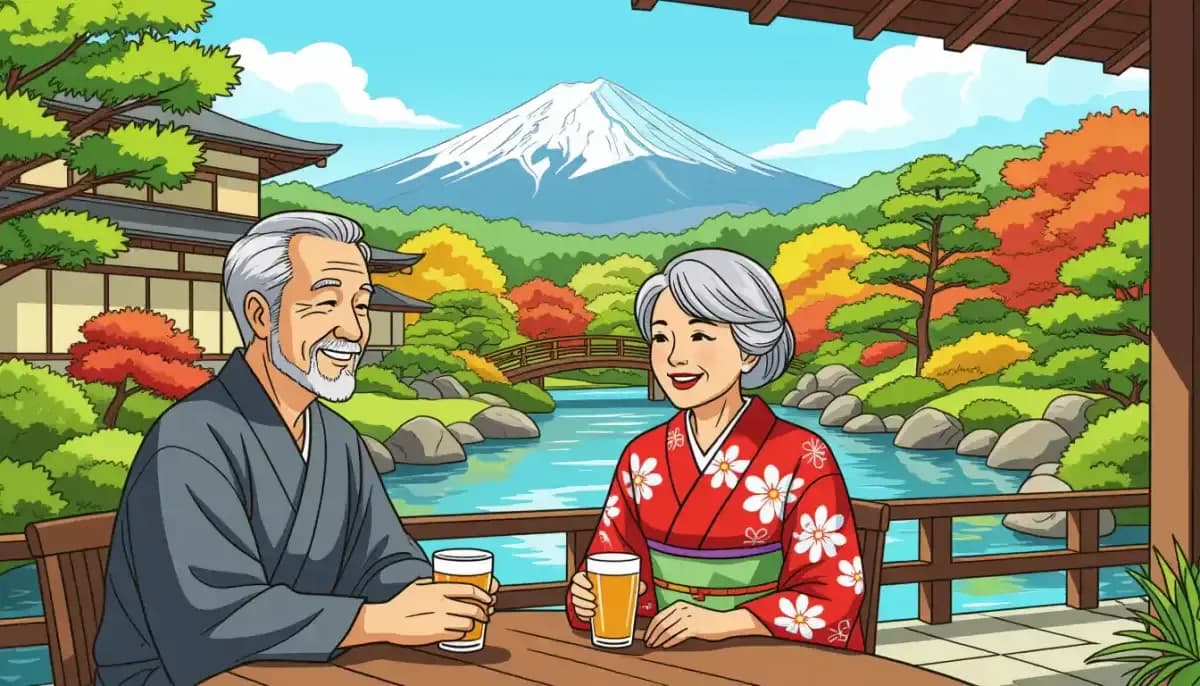
Japan has no dedicated retirement visa, but there are 6 viable pathways for foreign retirees. Learn about designated activities visa, spousal visa, permanent residency, financial requirements, and tips for retiring in Japan.
Retirement Visa Options for Living in Japan: A Complete Guide for Foreigners
Dreaming of retiring in Japan? The country's unique blend of tradition and modernity, world-class healthcare, exceptional cuisine, and legendary safety make it one of the most appealing retirement destinations in Asia. However, navigating the visa landscape can be challenging — especially because Japan does not offer a dedicated retirement visa. If you're planning to spend your golden years in the Land of the Rising Sun, understanding your options is essential.
This comprehensive guide covers every visa pathway available to foreign retirees, financial requirements, healthcare access, and practical tips to help you make your dream of retiring in Japan a reality.
The Big Challenge: Japan Has No Dedicated Retirement Visa
Unlike countries such as Thailand, Malaysia, or the Philippines that offer official "retirement visas," Japan currently has no specific visa category designed for retirees. This is both the most important thing to understand and the biggest hurdle for many would-be retirees.
This doesn't mean you can't retire in Japan — it just means you'll need to qualify under another visa category. There are several pathways available, each with different requirements, durations, and limitations. The key is finding which category best fits your personal situation.
Despite this challenge, approximately 45,000 US Social Security beneficiaries currently live in Japan — the second-highest number globally after Canada. This shows that thousands of foreigners have successfully navigated the system and built fulfilling retirement lives here.
For more context on Japan's overall visa landscape, see our Complete Guide to Japan Visa and Immigration.
Visa Options for Foreign Retirees in Japan
Here is a breakdown of the main visa categories available to those wishing to retire in Japan:
| Visa Type | Duration | Renewable | Key Requirement |
|---|---|---|---|
| Designated Activities Visa | 6 months | Once | ¥30 million+ savings |
| Spousal Visa | 6 months–5 years | Yes | Married to Japanese national/PR |
| Long-Term Resident Visa | 6 months–5 years | Yes | Japanese heritage or ties |
| Cultural Activities Visa | 3 months–3 years | No | Enrollment in cultural program |
| Permanent Residency | Indefinite | N/A | 10+ years residence |
| Highly Skilled Professional | Indefinite | N/A | Points-based system |
1. Designated Activities Visa (特定活動ビザ)
This is the closest thing Japan has to a retirement visa. The Designated Activities Visa is issued on a case-by-case basis and can sometimes be granted to wealthy retirees who can demonstrate substantial financial resources.
Requirements:
- Minimum savings of approximately ¥30 million (~$200,000 USD) in verifiable assets
- Proof of stable income or pension
- Health insurance coverage
- Clean criminal record
Duration: 6 months, renewable once (total maximum stay of 1 year under this category)
While this offers the most straightforward retirement-style option, the high financial bar and limited duration make it impractical for long-term stays without transitioning to another visa category.
2. Spousal or Family Visa
If you are married to a Japanese national or a permanent resident, the spousal visa offers one of the most accessible pathways to long-term residency. This visa:
- Allows stays of 6 months to 5 years, renewable indefinitely
- Permits unlimited work (useful for part-time work in retirement)
- Can serve as a pathway to permanent residency after 1–3 years of marriage
This is widely considered the easiest route for retirees with Japanese spouses. You'll also benefit from a more stable residency status compared to other visa categories.
3. Long-Term Resident Visa (定住者ビザ)
The Long-Term Resident Visa is typically granted to individuals with Japanese heritage (Nikkei) or those with strong ties to Japan. It offers significant flexibility:
- Duration: 6 months to 5 years, renewable
- No work restrictions
- Pathway to permanent residency
If you have Japanese ancestry, this visa can be a viable retirement option even without a Japanese spouse. Third-generation Japanese descendants (Sansei) typically qualify for 3-year visas.
4. Cultural Activities Visa (文化活動ビザ)
Japan's Cultural Activities Visa is available to foreigners who wish to engage in traditional Japanese arts, crafts, or cultural pursuits. For retirees passionate about:
- Ikebana (flower arranging)
- Tea ceremony
- Martial arts (judo, kendo, iaido)
- Traditional music (shamisen, koto)
- Japanese calligraphy
This visa can provide a meaningful framework for a retirement lifestyle. However, it is not renewable and must be tied to enrollment in a recognized cultural institution or program.
5. Permanent Residency (永住権)
Permanent residency is the gold standard for long-term foreign residents in Japan. It grants:
- Indefinite right to reside in Japan
- Full access to the national health insurance system
- No work restrictions
- Simplified bureaucratic requirements compared to other visa categories
Standard path: 10+ years of continuous residence in Japan, with at least 5 years on a work or family visa.
Accelerated paths:
- Highly Skilled Foreign Professionals: 1–3 years
- Spouses of Japanese nationals: 1–3 years of marriage
For a deeper look at the permanent residency process, see our Complete Guide to Healthcare in Japan and other resources.
6. Highly Skilled Professional Visa (高度専門職)
If you have a professional background in business, research, or specialized fields, you may qualify for the Highly Skilled Professional points-based system. Scoring 80+ points allows you to apply for permanent residency after just 1 year of residence.
Points are awarded for:
- Academic qualifications
- Professional experience
- Annual income
- Age
- Japanese language ability
- Special national policy bonuses
While not traditionally a "retirement" visa, retirees with consulting businesses or investment activities may qualify under this category.
Financial Requirements for Retiring in Japan
Japan's immigration authorities take financial self-sufficiency seriously. Here's what you need to demonstrate:
| Expense Category | Monthly Cost (Tokyo) | Monthly Cost (Rural) |
|---|---|---|
| Rent (1-bedroom) | ¥80,000–¥150,000 | ¥30,000–¥60,000 |
| Food & Groceries | ¥40,000–¥70,000 | ¥30,000–¥50,000 |
| Healthcare (NHI premiums) | ¥10,000–¥30,000 | ¥5,000–¥20,000 |
| Utilities | ¥15,000–¥25,000 | ¥10,000–¥20,000 |
| Transportation | ¥10,000–¥30,000 | ¥5,000–¥15,000 |
| Total Estimate | ¥250,000–¥300,000 | ¥86,000–¥167,000 |
The good news is that rural Japan offers dramatically lower living costs. Many foreign retirees are discovering the appeal of smaller cities and countryside towns — and the Japanese government has been actively encouraging migration to rural areas through programs like the Akiya (empty houses) initiative.
Learn more about managing your finances in our Complete Guide to Banking and Finance in Japan.
Healthcare Access for Foreign Retirees
Japan is widely regarded as having one of the world's best healthcare systems, and foreign residents can access it through the National Health Insurance (NHI) system after residing in Japan for more than one year.
Key facts about NHI for retirees:
- Coverage: 70% of all medical costs; patients pay 30%
- Premiums: Based on your previous year's income, typically ¥10,000–¥30,000 per month in cities
- Services covered: Doctor visits, hospital stays, surgeries, dental (basic), prescription medications
For stays under one year, you'll need private travel or expatriate health insurance, which can be expensive. Planning for healthcare costs is one of the most important steps in your retirement preparation.
Read our full Healthcare Guide for Foreigners in Japan for detailed information on navigating the Japanese medical system.
Tax Considerations for Retirees
Taxes can be complicated for foreign retirees in Japan, particularly those receiving pension income from their home country.
- Japan taxes all residents on their worldwide income after 5 years of residence
- The Japan-US Tax Treaty helps prevent double taxation for American retirees
- US citizens must still file US federal tax returns, even while living in Japan
- Social Security income may be taxable in both countries depending on treaty provisions
We strongly recommend consulting a tax professional familiar with both Japanese and your home country's tax law before relocating. See our Complete Guide to Taxes in Japan for more information.
Practical Tips for a Successful Retirement in Japan
Start learning Japanese early. Basic conversational Japanese will significantly improve your quality of life, especially for medical visits, banking, and daily interactions. Japan is not nearly as English-friendly as many expats expect. See our Guide to Learning Japanese to get started.
Plan your visa pathway early. The earlier you begin planning, the more options you'll have. If permanent residency is your goal, consider the timeline carefully — 10 years is a long commitment.
Research cities carefully. Tokyo is exciting but expensive. Cities like Kyoto, Osaka, Fukuoka, Hiroshima, and Sendai offer excellent quality of life at lower costs. Smaller towns and rural areas offer the most affordable lifestyle.
Connect with the expat community. Japan has a vibrant community of foreign retirees and long-term residents. Resources like Living in Nihon's Retirement Planning Guide provide valuable insider perspectives.
Understand the housing market. Japan's property market is unique — homes depreciate rather than appreciate, and older homes can be purchased cheaply. Foreigners face no restrictions on purchasing property. Check out our Complete Guide to Finding Housing in Japan.
For those considering career options before full retirement, For Work in Japan is a helpful resource for understanding employment pathways that can also support visa status.
Is Retiring in Japan Right for You?
Japan offers an extraordinary quality of life for those who are prepared for its unique challenges. The lack of a dedicated retirement visa means the process requires more planning and flexibility than in some other countries. But for those who make the effort, the rewards are immense:
- Safety: Japan consistently ranks among the world's safest countries
- Healthcare: World-class medical care with an efficient insurance system
- Culture: Endless depth in art, food, tradition, and nature
- Longevity: Japan has more centenarians per capita than almost any other nation
The key is understanding your options, planning financially, and building language skills before you arrive.
For more resources on transitioning to life in Japan, explore Ittenshoku for practical guidance on building a life in Japan.
For practical advice on daily expenses and lifestyle planning, see MailMate's Guide to Retiring in Japan and BrightTax's overview on taxes for expat retirees in Japan.
Summary: Your Retirement Visa Roadmap
To summarize the pathways available:
- Married to Japanese national? → Apply for Spousal Visa immediately
- Japanese heritage? → Long-Term Resident Visa is your best path
- Very wealthy? → Consider Designated Activities Visa as a starting point
- Planning long-term? → Work toward Permanent Residency (start early!)
- Cultural pursuits? → Explore Cultural Activities Visa options
- Business/consulting background? → Look into Highly Skilled Professional points
Japan may not have a retirement visa, but with the right preparation, it can become the perfect place for your next chapter. Start planning early, consult with an immigration specialist, and begin connecting with Japan's welcoming expat community.
For complete moving logistics, see our Complete Guide to Moving to Japan and our Daily Life Guide for Foreigners in Japan.
Planning to retire in Japan? Share your questions or experiences in the comments below!

Originally from Vietnam, living in Japan for 16+ years. Graduated from Nagoya University, with 11 years of professional experience at Japanese and international companies. Sharing information about living in Japan for foreigners.
View Profile →Related Articles
Volunteer and Social Opportunities for Retirees in Japan
Discover the best volunteer opportunities and social activities for foreign retirees in Japan. From Hands On Tokyo to Fureai Kippu time banks, find your place in Japanese community life.
Read more →
Senior Discounts and Benefits Available in Japan
Discover the full range of senior discounts and benefits available in Japan for foreign residents — from museum discounts and airline fares to long-term care insurance and reduced healthcare copayments.
Read more →
Estate Planning and Inheritance in Japan for Foreigners
Complete guide to estate planning and inheritance in Japan for foreigners. Learn about inheritance tax rates, visa status rules, making a will, and strategies to protect your assets.
Read more →
Part Time Work After Retirement in Japan
A complete guide for foreigners on working part-time after retirement in Japan. Covers visa requirements, best job types, financial planning, and how to find work as a retired expat.
Read more →
Social Security Agreements Between Japan and Other Countries
Complete guide to Japan's social security agreements for foreigners: which countries are included, how to avoid double contributions, certificate of coverage, pension totalization, and lump-sum withdrawal rules.
Read more →
Nursing and Elder Care Options in Japan
A complete guide to elder care in Japan for foreigners: how Japan's Long-Term Care Insurance (Kaigo Hoken) works, types of facilities, costs, and tips for non-Japanese residents navigating the system.
Read more →