
How to Reduce Food Waste Living in Japan

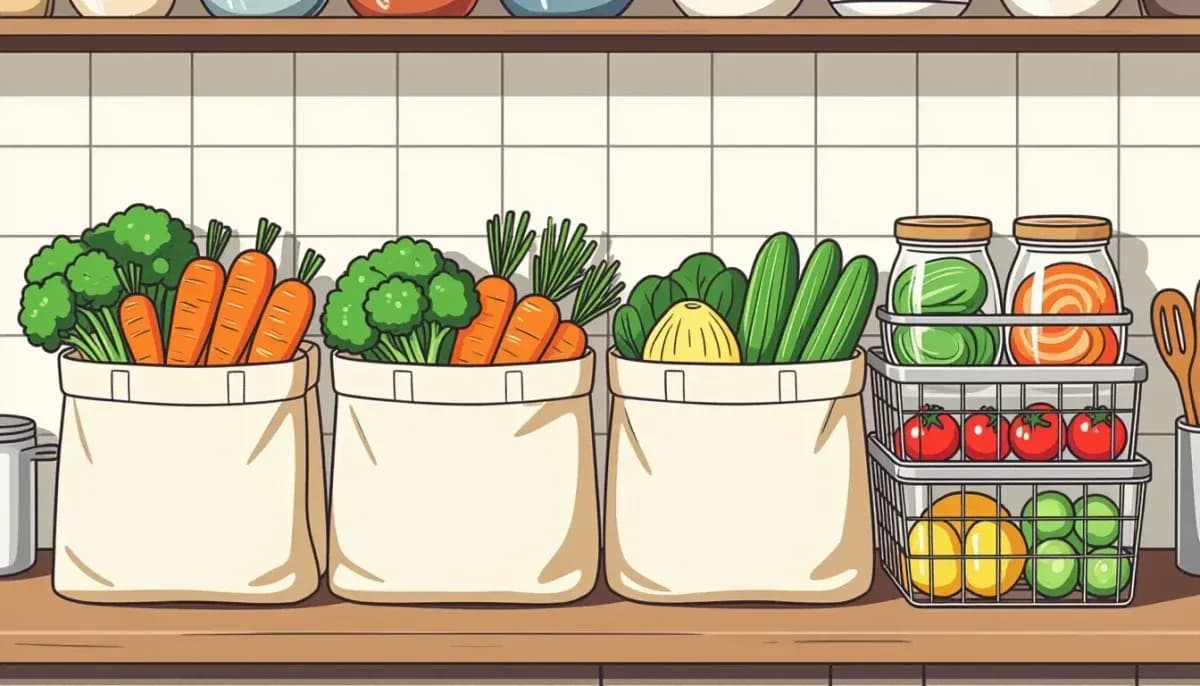
Learn how to reduce food waste living in Japan with practical tips on mottainai culture, temaedori shopping, smart food storage, and using leftovers the Japanese way.
How to Reduce Food Waste Living in Japan: A Foreigner's Complete Guide
Moving to Japan means adapting to many new habits—including how the Japanese approach food and waste. Japan has a deeply ingrained cultural philosophy called mottainai (もったいない), which translates roughly to "what a waste!" This concept encourages people to use everything to its fullest and discard nothing unnecessarily. For foreigners, understanding and embracing mottainai is not just about fitting in—it's a practical and environmentally responsible way to live in Japan.
Despite producing millions of tons of food waste annually, Japan has made remarkable strides. The country reached its 2030 food waste reduction goal eight years early, achieving 4.72 million tons in fiscal 2022. This guide will help you understand the food waste landscape in Japan and give you actionable strategies to minimize waste in your own household.
!How to Reduce Food Waste in Japan

Understanding Japan's Food Waste Problem
Japan produced approximately 5.22 million tons of food waste in 2020, with roughly half coming from households. On a per-capita basis, this amounts to about 103 grams per day—equivalent to 38 kilograms per year, or like throwing away one rice ball every single day.
The Japanese government has taken this seriously by passing the "Act on Promotion of Food Loss and Waste Reduction," which targets a 50% reduction in food waste by 2030 compared to 2000 levels. Businesses and retailers have already made massive progress, but household food waste remains a stubborn challenge.
The One-Third Rule: Why Stores Waste So Much
One significant contributor to food waste in Japan is the one-third rule, introduced in the 1990s. Under this rule, producers must deliver goods to retailers within the first third of the period between production and expiration. Retailers then must sell those goods within the next third. Any unsold items in the final third are discarded—even if perfectly safe to eat.
This rule is far stricter than similar practices in other countries and leads to enormous amounts of food being discarded unnecessarily. However, many supermarkets and convenience stores are now relaxing delivery deadlines and extending expiration dates, which is slowly reducing this type of waste.
Household Waste: The Major Challenge
Research shows that about 20% of household food waste in Japan comes from unwanted gifts or surplus produce shared by family and neighbors—especially during gift-giving seasons. Additionally, vegetables account for roughly 50% of unused food throughout the year.
Common reasons food gets wasted at home include:
- Buying too much without a meal plan
- Misunderstanding best-before vs. expiry dates
- Poor food storage practices
- Receiving surplus gifts or produce
The Mottainai Philosophy: Your Secret Weapon
Mottainai (もったいない) is one of the most powerful guiding principles for reducing food waste. The word is a combination of the Buddhist term mottai (meaning sacred importance or intrinsic value) and nai (meaning nothing or none). Together, it expresses sorrow at the wasteful discarding of something that still has value.
In traditional Japanese cuisine, this philosophy is reflected in using every part of an ingredient:
- Fish bones and heads are simmered for broth
- Vegetable scraps are pickled or used in soups
- Leftover rice becomes ochazuke or fried rice
- Citrus peels are used for cleaning or bath additives
As a foreigner, adopting mottainai thinking will naturally reduce your food waste and help you integrate into Japanese culture. Check out Living in Nihon for more cultural insights on daily life in Japan.
!Mottainai concept in Japanese kitchen

Practical Shopping Strategies to Reduce Waste
The best way to reduce food waste starts before you even enter the kitchen—at the grocery store. Here are proven strategies used by budget-savvy expats in Japan:
1. Plan Your Meals in Advance
Before shopping, write out a weekly meal plan. This prevents impulse buying and ensures you only purchase what you'll actually use. Apps like Cookpad (Japan's most popular recipe app) let you search for recipes by ingredient, making it easy to use up what you have.
2. Practice Temaedori (手前どり)
Temaedori means "take from the front." It's a simple concept: when shopping, select items from the front of the display shelf—those closer to their expiration date—rather than reaching to the back for newer items. This helps stores sell products before they expire and reduces overall waste. Many Japanese supermarkets now have signs encouraging temaedori.
3. Shop at Discount Hours
Japanese supermarkets and convenience stores typically discount near-expiry items in the evening, often starting around 7-9 PM. Look for orange or yellow stickers that indicate price reductions of 20-50%. This is a great way to save money and reduce waste at the same time.
4. Buy Seasonal and Local Produce
Seasonal produce (旬, shun) is fresher, cheaper, and more nutritious. Buying in-season means less time in transit and storage, so food lasts longer and is less likely to spoil quickly in your home.
| Season | Vegetables to Buy | Fruits to Buy |
|---|---|---|
| Spring | Bamboo shoots, asparagus, cabbage | Strawberries |
| Summer | Edamame, corn, cucumber, tomato | Peaches, watermelon |
| Autumn | Pumpkin, sweet potato, mushrooms | Persimmons, pears |
| Winter | Daikon, leek, spinach, Chinese cabbage | Mikan (mandarin oranges) |
Smart Food Storage Tips for Japanese Kitchens
Japanese apartments often have smaller kitchens and refrigerators than what Western expats are used to. These storage strategies will help you maximize freshness in a compact space.
Vegetables Last Longer Upright
In Japan, vegetables like carrots, burdock root (gobo), and Japanese radish (daikon) are often stored upright in the refrigerator, mimicking the way they grow. This can significantly extend their freshness.
Wrap in Newspaper or Paper Towels
Wrapping leafy vegetables in damp newspaper before refrigerating can extend their shelf life by several days. This is a traditional Japanese technique that still works wonderfully today.
Freeze Before It Spoils
Japanese freezing techniques are highly developed:
- Tofu: Freeze tofu to change its texture and extend life significantly
- Rice: Freeze individual portions while still warm, then reheat in the microwave
- Bread: Slice and freeze bread to prevent mold
- Green onions and ginger: Chop and freeze in ice cube trays for easy portioning
Understanding Expiration Labels
Japan uses two main date labels that foreigners often confuse:
- 消費期限 (Shōhi kigen): This is the use-by date—food must be consumed before this date for safety reasons
- 賞味期限 (Shōmi kigen): This is the best-before date—food is still safe after this date but may have diminished quality
Many expats throw away food marked with 賞味期限 prematurely. Understanding this distinction alone can dramatically reduce your household waste. For more guidance on daily life in Japan, visit For Work in Japan which offers comprehensive resources for foreigners.
Using Leftovers the Japanese Way
Japanese cuisine excels at transforming leftovers into entirely new meals. Here are some classic techniques:
Okazu-maki and Fried Rice
Leftover rice is the foundation of many Japanese dishes:
- Chahan (炒飯): Chinese-style fried rice with eggs, vegetables, and meat
- Ochazuke (お茶漬け): Rice covered with hot green tea and toppings
- Onigiri (おにぎり): Rice balls filled with leftover fish, pickles, or meat
Nimono (煮物): Simmered Dishes
Japanese simmered dishes (nimono) are ideal for using up a variety of vegetables and proteins. Simply combine vegetables, tofu, and whatever protein you have with dashi broth, soy sauce, mirin, and sugar.
Misoshiru: Soup for Everything
Miso soup is Japan's ultimate "leftover soup." Almost any vegetable, grain, or protein can go into miso soup. Keep a container of dashi stock in your fridge and add miso paste with whatever you need to use up.
Restaurant Culture: MottECO and Doggy Bags
Japan has historically discouraged taking food home from restaurants, but this is changing. The MottECO initiative (a portmanteau of mottainai + eco) now encourages restaurants to provide eco-friendly containers for customers who want to take home leftovers. Ask your server if MottECO containers are available—more and more restaurants are participating.
For tips on navigating Japanese restaurant culture, see our guide on Japanese Food and Cooking.
Composting and Food Waste Disposal in Japan
Japan has strict garbage separation rules, and food waste disposal is no exception. Understanding the system is essential for foreigners. See our complete guide on Daily Life in Japan for garbage separation basics.
Standard Food Waste Disposal Rules
In most Japanese municipalities, food waste (生ゴミ, namagomi) goes in the combustible garbage (燃えるゴミ, moeru gomi) bag. Key rules include:
- Drain all liquid from kitchen waste before disposing
- Wrap wet scraps in newspaper to absorb moisture
- Freeze smelly waste until collection day in summer (fish bones, meat scraps)
Home Composting
Some municipalities actively encourage home composting and may even subsidize compost bins. Check with your city or ward office (区役所, kuyakusho) about local composting programs. Small countertop composting systems like the Lomi or traditional bokashi systems work well in Japanese-sized kitchens.
Food Banks and Donation Options
If you have unopened food you cannot use, consider donating to a food bank rather than discarding it. Organizations like Second Harvest Japan accept non-perishable food donations. This is especially useful when you're moving or returning home temporarily.
For more information on sustainable living practices in Japan, visit Ittenshoku which covers career and lifestyle transitions in Japan.
Technology and Apps That Help Reduce Food Waste
Japan's tech-forward culture has produced several useful tools for reducing food waste:
| App/Service | What It Does | Language |
|---|---|---|
| TABETE (タベテ) | Buy surplus restaurant food at a discount | Japanese/English |
| Cookpad | Recipe ideas based on ingredients you have | Japanese/English |
| Yahoo! Japan Flea Market | Sell or share surplus pantry items | Japanese |
| Food Share Network | Connect with food banks and sharing events | Japanese |
Major convenience chains have also adopted technology to reduce waste. Lawson, for example, uses AI-powered inventory management to predict customer demand and reduce overstock ordering—a system that's helped cut in-store food waste significantly.
Common Food Waste Mistakes Foreigners Make in Japan
Learning from other expats' experiences can save you time, money, and food:
1. Buying too much at once Japanese supermarkets offer amazing variety and it's tempting to stock up. But fresh items go fast in Japan's humid summers. Buy smaller amounts more frequently.
2. Not understanding portion sizes Japanese recipes and portions are generally smaller than Western equivalents. Adjust your cooking quantities to avoid excess.
3. Ignoring kakuyasu (格安) sections Almost every Japanese supermarket has a discounted section for near-expiry or imperfect produce. These items are perfectly fine to eat and significantly cheaper.
4. Throwing away vegetable peels and tops Carrot tops, daikon leaves, and broccoli stems are all edible and commonly used in Japanese cooking. Look up how to use them before discarding.
5. Forgetting about the konbini option Convenience stores in Japan offer single-serve portions of almost everything. If you only need one egg or a small portion of tofu, buying from a konbini prevents waste from larger packages going unused.
Summary: Key Habits for Reducing Food Waste in Japan
Reducing food waste in Japan is a combination of cultural understanding, practical techniques, and smart shopping habits. Here's a quick reference:
| Strategy | What to Do |
|---|---|
| Mottainai mindset | Value all food; use every part |
| Temaedori | Choose near-expiry items from the front of the shelf |
| Meal planning | Shop with a weekly plan to avoid over-buying |
| Label literacy | Know the difference between 消費期限 and 賞味期限 |
| Proper storage | Wrap vegetables, freeze before spoiling |
| Leftover cooking | Make fried rice, miso soup, nimono from leftovers |
| Discount shopping | Buy kakuyasu items and evening-discounted goods |
| Composting | Drain, wrap, and separate food waste properly |
| Food sharing | Donate to food banks or use TABETE app |
Living in Japan offers a unique opportunity to adopt one of the world's most thoughtful approaches to food and waste. By embracing mottainai and the practical techniques outlined above, you'll not only reduce your environmental footprint but also save money and gain a deeper appreciation for Japanese food culture.
For more guidance on navigating daily life in Japan as a foreigner, explore our guides on Shopping in Japan and Japanese Culture and Etiquette.
Sources:

Originally from Vietnam, living in Japan for 16+ years. Graduated from Nagoya University, with 11 years of professional experience at Japanese and international companies. Sharing information about living in Japan for foreigners.
View Profile →Related Articles
Japan Secondhand Reuse and Upcycle Culture Guide
Complete guide to Japan's secondhand and upcycle culture. Discover recycle shops, flea markets, online platforms like Mercari, mottainai philosophy, and tips for foreigners living in Japan.
Read more →
Water Conservation Tips for Living in Japan
Learn practical water conservation tips for living in Japan. Discover Japanese bathing culture, smart toilet technology, bath water recycling for laundry, and how to reduce your water bill as a foreigner in Japan.
Read more →
Sustainable and Eco Friendly Housing in Japan
Complete guide to sustainable and eco-friendly housing in Japan for foreigners. Learn about ZEH homes, green certifications, government subsidies, and practical tips for renting or buying an eco-friendly home.
Read more →
Community Clean Up Events and Volunteering in Japan
Learn how to join community clean-up events and volunteering activities in Japan as a foreigner. Discover organizations, cultural etiquette, useful phrases, and tips to integrate into Japanese community life.
Read more →
Japan Environmental Regulations Affecting Daily Life
A complete guide to Japan's environmental regulations affecting daily life — garbage sorting, recycling laws, noise rules, and public cleanliness standards for foreign residents.
Read more →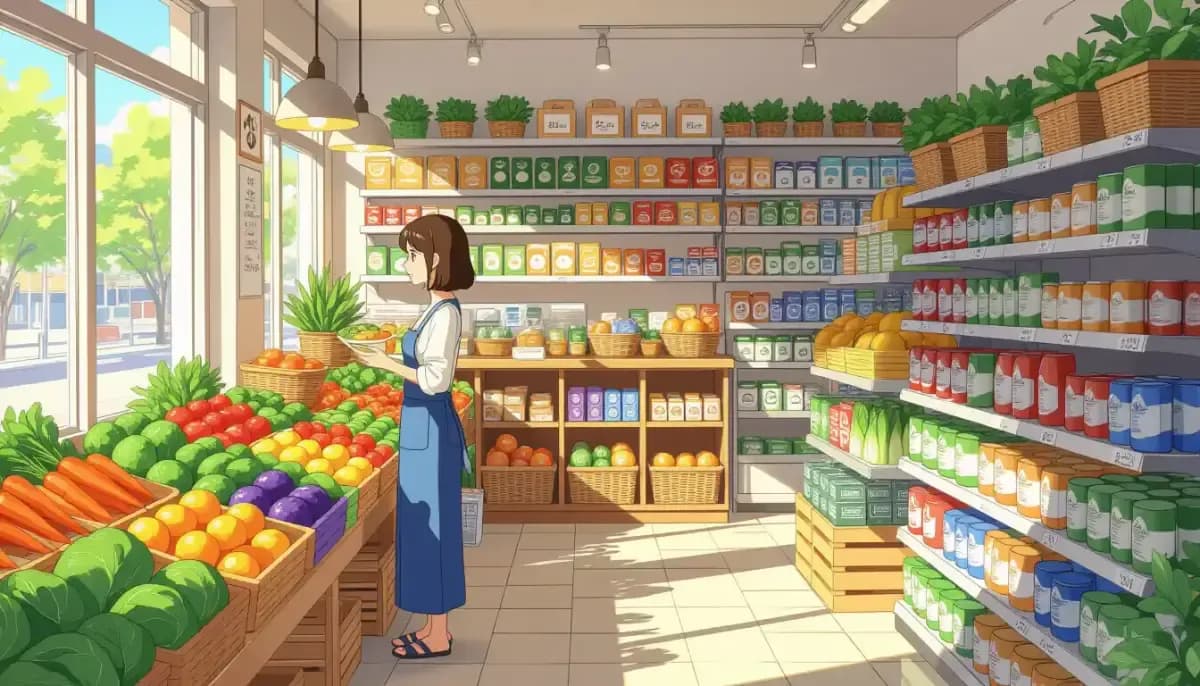
Where to Buy Organic Food in Japan
Complete guide to buying organic food in Japan for foreigners and expats. Learn about JAS certification, best organic stores in Tokyo, delivery services, farmer's markets, and money-saving tips.
Read more →