
PayPal in Japan Guide for Foreign Residents

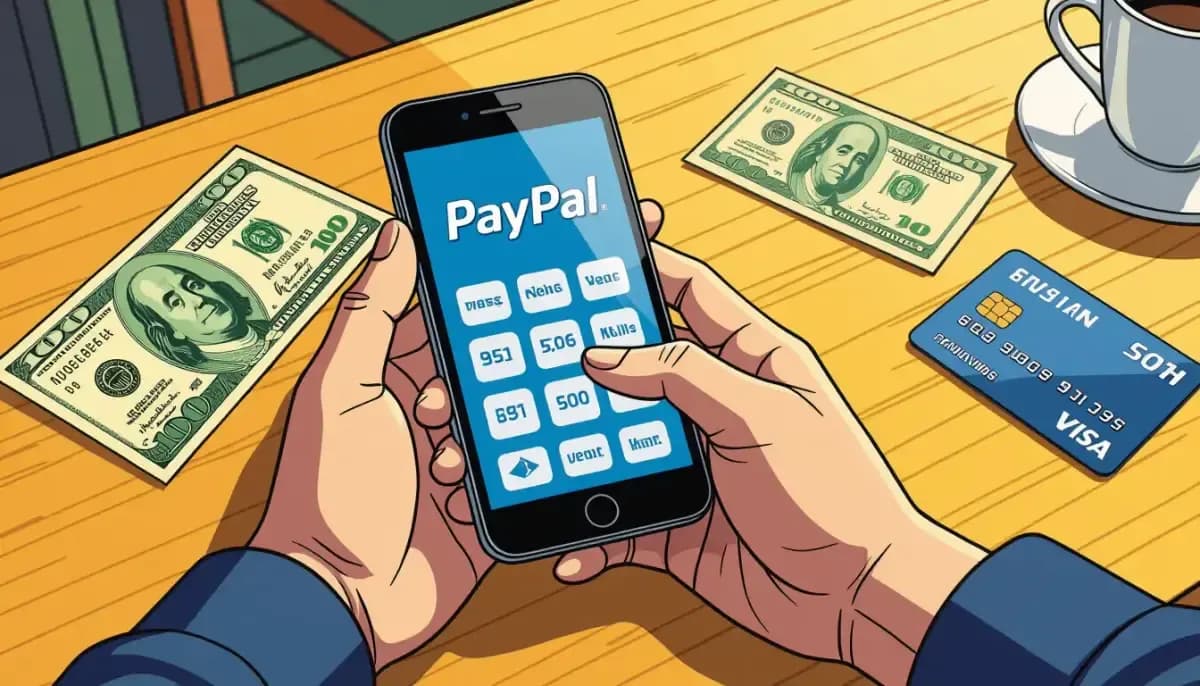
Complete guide to using PayPal in Japan as a foreigner. Learn how to set up your account, link Japanese bank accounts, understand fees, and discover the best PayPal alternatives for expats in Japan.
PayPal in Japan Guide for Foreign Residents
If you're a foreigner living in Japan, PayPal can be a lifeline for online shopping, receiving international payments, and transferring money across borders. However, the way PayPal works in Japan is different from many other countries — especially when it comes to withdrawing funds and linking bank accounts. This guide walks you through everything you need to know about using PayPal as a foreign resident in Japan.
Before diving in, it's worth noting that Japan has its own thriving digital payment ecosystem, so understanding where PayPal fits in is key. For a broader look at banking and financial services in Japan, check out our Complete Guide to Banking and Finance in Japan.
How PayPal Works in Japan: The Key Differences
PayPal Japan operates under Japanese financial regulations, which creates some important differences compared to using PayPal in the US or Europe.
Personal accounts are Prepaid Payment Instruments: In Japan, standard personal PayPal accounts are classified as "Prepaid Payment Instruments" under Japanese law. This means your PayPal balance cannot be withdrawn directly to a bank account. You can only spend the balance on purchases or send it to other PayPal users.
Premier accounts allow withdrawals: If you need to withdraw funds to a Japanese bank account, you must upgrade to a Premier account. This requires linking a Japanese bank account and completing Know Your Customer (KYC) verification — including identity document submission.
Currency exchange fees: PayPal charges 3–4% above the mid-market exchange rate for currency conversions, plus a fixed fee of around ¥499 for international transfers. This makes PayPal one of the more expensive options for sending money internationally.
Transfer cap: PayPal limits international transfers to approximately ¥1,000,000 per transaction.
Who Can Use PayPal in Japan?
To open a PayPal account in Japan, you must:
- Be a resident of Japan (not just a visitor)
- Be at least 18 years old
- Have a Japanese phone number
- Have a Japanese address (your registered residence)
- Have a valid email address
- Have a bank account or credit/debit card to link
Foreign residents with a valid residence card can open a PayPal Japan account. Your nationality does not matter — what matters is your residency status. If you're still in the process of setting up your life in Japan, read our First Week in Japan Survival Guide for help getting essential registrations done.
How to Set Up Your PayPal Account in Japan
Step 1: Create Your Account
Visit paypal.com/jp and click "Sign Up." Choose between a Personal account (for buyers and casual users) or a Business account (for sellers and freelancers).
Enter your email address, create a password, and fill in your personal details using your Japanese address.
Step 2: Verify Your Phone Number
PayPal will send a verification code to your Japanese mobile number. Enter it to confirm your phone.
Step 3: Link a Payment Method
You can link:
- Japanese bank account (compatible banks only — see list below)
- International credit/debit card (Visa, Mastercard, Amex)
- Japanese credit card
If your Japanese bank does not support PayPal linking, using an international card or a supported Japanese card is the easiest workaround.
Step 4: Upload Identity Documents
For higher transaction limits and to upgrade to a Premier account, PayPal will ask you to upload one of:
- Passport
- Japanese driver's license
- My Number card (Individual Number Card)
Verification typically takes a few business days. Ensure your documents are clear and readable.
Step 5: Upgrade to Premier (If You Need Withdrawals)
If you plan to receive payments and withdraw them to your Japanese bank account, convert your account to Premier status through the PayPal account settings. This completes the KYC process and unlocks bank withdrawal functionality.
Compatible Japanese Banks for PayPal
Not all Japanese banks work seamlessly with PayPal. Here's an overview:
| Bank | PayPal Compatibility | Notes |
|---|---|---|
| Japan Post Bank (Yucho) | Partial | Can link but withdrawals may be limited |
| SMBC (Mitsui Sumitomo) | Supported | Common choice for expats |
| Mizuho Bank | Supported | Available at most major locations |
| Resona Bank | Supported | Good for personal accounts |
| Rakuten Bank | Supported | Popular online bank for expats |
| PayPay Bank | Limited | Primarily for PayPay ecosystem |
| Regional banks | Varies | May have compatibility issues |
If your preferred bank has compatibility issues, the simplest solution is to link an international credit or debit card (Visa or Mastercard) instead. For a full overview of banking in Japan, visit Living in Nihon's financial guides.
What You Can Use PayPal For in Japan
Online Shopping
PayPal is accepted by many international e-commerce platforms including eBay, Etsy, and various overseas retailers. Japanese sites that accept PayPal include some marketplace platforms, though it's less common than in Western countries.
Receiving Freelance Payments
If you're a freelancer or remote worker, PayPal is a common way to receive payment from international clients. Platforms like Upwork, Fiverr, and many direct clients use PayPal for global payouts.
Sending Money Internationally
You can send money to PayPal users in other countries from your Japan account. Note the fees: around ¥499 fixed plus a 3–4% exchange rate markup. For large transfers, this can be significantly more expensive than alternatives like Wise. For more on international transfers, see our Complete Guide to Sending Money from Japan.
Shopping in Japan
PayPal is accepted at some Japanese online stores, but it's far less common than domestic payment options like credit cards, convenience store payment (konbini), or bank transfer.
PayPal Fees in Japan: A Complete Breakdown
Understanding the fee structure helps you decide when to use PayPal and when to use alternatives:
| Transaction Type | Fee |
|---|---|
| Opening an account | Free |
| Sending money (funded by PayPal balance) | Free (domestic) |
| Sending money (funded by card) | ~3.6% + fixed fee |
| Receiving money (personal transfers) | Free |
| Receiving money (goods/services) | ~3.6% + ¥40 |
| Currency conversion | 3–4% above mid-market rate |
| International wire transfer | ~¥499 + exchange markup |
| Withdrawing to bank | Free (Premier accounts) |
Always check the current fee schedule on PayPal Japan's official website as fees can change.
PayPal vs. Alternatives for Foreigners in Japan
PayPal is not always the best option for every use case. Here's how it compares to popular alternatives:
| Service | Best For | Exchange Rate | Transfer Fees |
|---|---|---|---|
| PayPal | Receiving payments, online shopping | 3–4% markup | ~¥499 + % |
| Wise | International transfers, multi-currency | Mid-market (no markup) | Low fixed + small % |
| Revolut | Multi-currency spending, travel | Near mid-market | Free up to limits |
| Remitly | Sending money home | Variable | Low for bank transfers |
| Japanese bank wire | Formal large transfers | Bank rate | ¥3,000–5,000 fixed |
For international money transfers where fees matter, Wise is generally the most cost-effective option, offering the mid-market exchange rate with no markup. For more on navigating Japanese financial services as a foreigner, For Work in Japan has practical guides for expats.
Common Issues and How to Solve Them
Account Verification Delays
PayPal may take several business days to verify your identity documents. Ensure photos are clear, all four corners of the document are visible, and the document is not expired.
Bank Linking Failures
If your bank doesn't link successfully, try:
- Using a credit card instead
- Contacting your bank to confirm international payment service eligibility
- Trying a different supported bank (Rakuten Bank works well for many expats)
Account Limitations
If PayPal places a hold on your account or limits your transactions, it usually means they need additional verification. Check your account notifications and submit any requested documents promptly.
Currency Confusion
PayPal will sometimes default to converting currencies automatically. Always review the exchange rate before confirming any transaction to avoid surprise fees.
Tips for Using PayPal Effectively in Japan
- Use a credit card as your primary funding source if your Japanese bank account has linking issues
- Check exchange rates before converting — consider using Wise for large transfers instead
- Keep your Japanese address updated in PayPal settings as your registered address
- Enable two-factor authentication for security — important for accounts receiving business payments
- Upgrade to Premier early if you plan to receive payments regularly and want withdrawal capability
- Keep records of all transactions for Japanese tax purposes — PayPal income must be declared
For help with tax obligations related to your online income in Japan, see our Complete Guide to Taxes in Japan.
Is PayPal Safe to Use in Japan?
Yes, PayPal is a legitimate, regulated financial service in Japan, licensed as both a Prepaid Payment Instrument issuer and a Fund Transfer Business Operator. Transactions are protected by:
- PayPal Buyer Protection — coverage for eligible purchases if items don't arrive or match descriptions
- Seller Protection — for eligible transactions when selling goods or services
- Encrypted transactions — financial data is not shared with sellers
- Two-factor authentication option for account security
For context on staying safe with digital services in Japan, check out our Complete Guide to Technology and Apps in Japan.
Conclusion: Is PayPal Worth Using in Japan?
PayPal is a solid choice for foreigners in Japan in specific situations — particularly receiving international payments, shopping on global platforms, and transacting with parties who already use PayPal. However, it comes with notable limitations: personal accounts cannot withdraw to bank accounts without upgrading, and exchange rate fees make it expensive for large international transfers.
If your primary need is sending money abroad or managing multiple currencies, a service like Wise will likely serve you better. But for the versatility of a widely-recognized payment platform with buyer protections, PayPal remains relevant for expats living in Japan.
For comprehensive guidance on managing finances as a foreigner in Japan, visit Ittenshoku for more resources, and explore our Complete Guide to Banking and Finance in Japan for everything you need to know about the Japanese financial system.
Additional resources:

Originally from Vietnam, living in Japan for 16+ years. Graduated from Nagoya University, with 11 years of professional experience at Japanese and international companies. Sharing information about living in Japan for foreigners.
View Profile →Related Articles
Money Transfer Fees from Japan Complete Comparison
Compare money transfer fees from Japan: Wise, SBI Remit, Revolut, banks and more. Find the cheapest way to send money abroad as a foreigner in Japan with real fee data.
Read more →
GoRemit Shinsei Bank International Transfer Guide
Complete guide to GoRemit Shinsei Bank's international transfer service, its October 2025 discontinuation, and the best alternatives for expats in Japan including SBI Remit and Wise.
Read more →
Tips for Sending Money to Family from Japan
Practical tips for foreigners sending money to family from Japan. Compare Wise, bank transfers, SBI Remit. Save on fees, time transfers, claim tax deductions for overseas dependents.
Read more →
SBI Remit Japan International Transfer Guide
Complete guide to SBI Remit for foreigners in Japan. Learn how to register, compare fees by country (Philippines, Vietnam, China), transfer methods, and tips to save money on international transfers.
Read more →
Comparing Money Transfer Services Available in Japan
Compare the top money transfer services in Japan including Wise, SBI Remit, Western Union, and Revolut. Find the cheapest and fastest option for sending money abroad as a foreigner in Japan.
Read more →
Japan Remittance Tax Rules and Reporting Requirements
Understand Japan's remittance tax rules for non-permanent residents: the ¥1,000,000 reporting threshold, deemed remittance rules, FX gains, and how to file correctly as a foreigner in Japan.
Read more →