
Onsen Hot Spring Etiquette for Foreigners

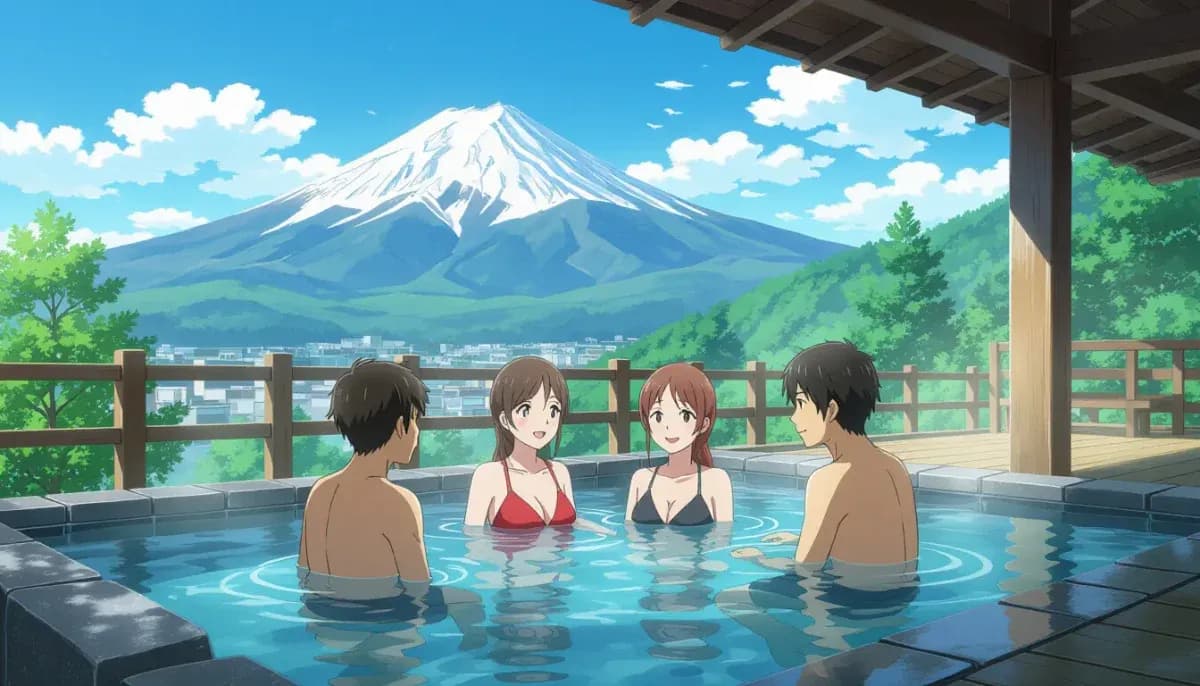
Complete guide to onsen etiquette for foreigners in Japan. Learn the rules for bathing, tattoo policies, how to use an onsen step-by-step, and tips for a perfect hot spring experience.
Onsen Hot Spring Etiquette for Foreigners: A Complete Guide
Japan's onsen (hot spring baths) are one of the most beloved cultural experiences the country has to offer. For foreigners visiting or living in Japan, stepping into an onsen for the first time can feel both exciting and slightly intimidating. With different customs, unwritten rules, and some language barriers, it's easy to worry about making a mistake. This comprehensive guide will walk you through everything you need to know about onsen etiquette so you can relax and enjoy the experience to its fullest.
According to a survey by Maikoya, 67% of foreign tourists ranked onsen and hot springs as their top cultural interest in Japan — higher than sumo wrestling, cooking classes, or geisha experiences. Yet the same study found that 87.5% of foreign tourists cannot tell the difference between an onsen and a regular bath. Knowing the basics before you go will make all the difference.
What Is an Onsen? Understanding Japan's Hot Spring Culture
An onsen is a natural hot spring bath fed by geothermally heated water from the earth. Japan sits on a volcanically active zone, making it one of the richest countries in the world for hot spring resources. As of 2023, Japan has approximately 27,900 hot spring sources and around 3,000 onsen establishments ranging from luxury ryokan (traditional inns) to public bathhouses.
The water from an onsen is naturally mineral-rich — containing elements like sulfur, sodium bicarbonate, iron, and calcium — which are believed to have therapeutic health benefits. This is what makes onsen fundamentally different from an ofuro (regular bath), which uses ordinary heated tap water.
Onsen come in many forms:
- Rotenburo – Outdoor hot spring baths, often with scenic views of mountains, forests, or snow
- Uchiyu – Indoor hot spring baths
- Kashikiri – Private rental baths for individuals or small groups
- Sento – Public bathhouses that may or may not use natural hot spring water
If you're new to Japanese culture and customs, it's worth reading up on Japanese culture and etiquette for foreigners before your first visit.
The Essential Rules of Onsen Etiquette
Getting the etiquette right is crucial — not just out of respect, but because the rules exist for hygiene and the comfort of all bathers. Here are the core rules every foreigner must know:
1. Wash Before You Enter
This is the single most important rule of onsen. Before you step into the communal bath, you must wash your entire body at the individual washing stations provided. Each station typically has a small stool, a bucket, a handheld shower, soap, shampoo, and conditioner.
Sit on the stool, scrub thoroughly from head to toe, rinse completely, and only then enter the onsen bath. The hot spring water is shared by everyone — entering without washing is considered deeply disrespectful and unhygienic.
2. No Swimwear Allowed
Most onsen in Japan are nudist environments. Swimsuits, shorts, or any clothing in the bath are not allowed. This applies equally to foreigners and Japanese bathers. The nudity is not sexual in nature — it is a long-standing cultural tradition emphasizing cleanliness and equality.
If you're uncomfortable with nudity, look for onsen that offer private kashikiri baths, which can usually be booked for an additional fee.
3. Handle Your Towel Correctly
You will likely be given a small towel (tenugui). This towel must never enter the bath water — it is considered unhygienic. Instead:
- Fold the towel and place it on the edge of the bath
- Or fold it and balance it on top of your head (a classic move you'll see Japanese bathers doing)
The towel is for washing and for modest coverage while walking to the bath.
4. Tie Up Long Hair
If you have long hair, always tie it up before entering the onsen so that it does not touch or trail in the water. This is a hygiene requirement that applies to everyone.
5. Keep Noise Low and Phones Away
Onsen are places of relaxation and quiet. Keep conversations soft and avoid loud behavior. Cameras, smartphones, and any recording devices are strictly prohibited in the bathing and changing areas — no exceptions. This protects everyone's privacy.
6. Enter Gently
Lower yourself into the bath slowly and carefully. Sudden splashing or jumping in disturbs other bathers and disrupts the peaceful atmosphere.
7. Respect Gender Separation
Almost all public onsen are separated into male (男湯, otoko-yu) and female (女湯, onna-yu) sections. Make sure you enter the correct side. The noren (curtain at the entrance) is usually blue or dark for men and red or pink for women.
For a full overview of living well in Japan, check out our guide to daily life in Japan for foreigners.
The Tattoo Question: What Foreigners Need to Know
This is the topic most foreigners ask about. Historically, tattoos in Japan were associated with the Yakuza (organized crime), which led most onsen to ban tattooed guests entirely. The ban applies equally to everyone, including foreigners.
Today, the situation is more nuanced:
| Tattoo Policy | Percentage of Onsen |
|---|---|
| Tattoos strictly prohibited | 56% |
| Tattoos accepted (no restriction) | 30% |
| Tattoos allowed if covered | 13% |
| Private kashikiri only | Varies |
Practical solutions for tattooed foreigners:
- Cover stickers – For small tattoos, waterproof cover stickers (available at Don Quijote or Matsumoto Kiyoshi) can allow entry at some establishments
- Private kashikiri onsen – Rent a private bath where the policy doesn't apply
- Research in advance – Many tattoo-friendly onsen are listed on dedicated resources like Japan Dev's tattoo-friendly onsen guide
- Contact the onsen directly – Call ahead, explain your situation, and ask about their policy
- Ryokan with private baths – Many traditional inns include a private in-room bath
The good news: Japanese people are generally unlikely to assume foreign tattooed visitors are affiliated with organized crime, and attitudes are shifting thanks to the growth of international tourism.
For more on navigating Japanese cultural norms, visit Living in Nihon's onsen and sento etiquette guide for detailed coverage.
Step-by-Step: Your First Onsen Visit
Here's a practical walkthrough of what to expect from arrival to departure:
At the Entrance
- Pay the entry fee (typically ¥500–¥1,500 at public facilities; more at ryokan)
- Take off your shoes and place them in a locker or rack
- Proceed to the changing room (脱衣所, datsuijo)
In the Changing Room
- Undress completely and place your clothes and belongings in a locker
- Take your small towel with you into the bathing area
In the Bathing Area
- Sit at a washing station and wash your body thoroughly
- Rinse completely before approaching the bath
- Lower yourself slowly into the onsen
- Soak and relax — typical soaks are 10–20 minutes
- If you feel dizzy or overheated, exit the bath, rest, and drink water
After Bathing
- Rinse off with warm (not cold) water after the onsen to wash off the minerals
- Return to the changing room, dry off, and get dressed
- Many onsen have rest areas where you can drink cold water, tea, or milk (a traditional post-onsen drink)
Onsen vs. Sento: Key Differences
Many foreigners confuse onsen with sento. Here's how they differ:
| Feature | Onsen | Sento |
|---|---|---|
| Water source | Natural hot spring | Heated tap water |
| Mineral content | Yes (therapeutic minerals) | No |
| Certification | Government-certified | No certification needed |
| Cost | ¥500–¥3,000+ | ¥400–¥600 (flat rate) |
| Location | Rural and urban | Typically urban neighborhoods |
| Atmosphere | Often scenic/traditional | Practical, community-focused |
| Amenities | Varies widely | Basic facilities |
Sento are traditional neighborhood bathhouses that have served local communities for centuries. While they don't use natural spring water, they follow the same bathing etiquette rules as onsen. Many sento also have interesting murals, often depicting Mt. Fuji, painted on the walls.
If you're interested in broader aspects of Japanese culture and traditions, our guide to Japanese festivals and traditions is a great complement to this article.
Regional Onsen Highlights Worth Visiting
Japan's best onsen regions each have their own character and mineral composition:
| Region | Famous Onsen | Known For |
|---|---|---|
| Gunma | Kusatsu Onsen | Strongest acidity; #1 in 2025 rankings |
| Oita | Beppu Onsen | Most diverse spring types; 5,090 sources |
| Hokkaido | Noboribetsu | Sulfuric waters; year-round snow bathing |
| Nagano | Shibu Onsen | Historic stone-paved streets; monkey onsen nearby |
| Kanagawa | Hakone Onsen | Mountain views; Mt. Fuji backdrop |
| Kyoto | Kurama Onsen | Forest setting near Kyoto city |
| Aomori | Sukayu Onsen | Traditional mixed-gender bathing (konyoku) |
Oita Prefecture alone has 5,090 hot spring sources — more than any other prefecture in Japan. Hokkaido records the highest number of overnight stays at onsen facilities nationally.
Common Mistakes Foreigners Make (And How to Avoid Them)
Even well-meaning visitors sometimes slip up. Here are the most common mistakes and how to avoid them:
Bringing soap into the bath – The communal bath is for soaking only. All washing happens at the shower stations beforehand.
Using the onsen like a swimming pool – This is not a pool. No swimming, splashing, or energetic movements. Stay calm and soak.
Forgetting to rinse before entry – This is the most serious breach of etiquette. Always wash fully first.
Talking loudly or using your phone – Onsen are meditative spaces. Keep noise to an absolute minimum and leave your phone in the locker.
Staying in too long – Heat exhaustion is a real risk. Stay hydrated, exit if you feel dizzy, and limit individual soaks to 10–20 minutes with breaks in between.
Assuming every onsen is the same – Rules and amenities vary. Some provide towels; others require you to bring your own. Some allow photography in designated outdoor areas. Always check the specific rules on arrival.
Health Benefits and When to Be Careful
The therapeutic benefits of onsen bathing are well-documented in Japan and increasingly recognized internationally. Regular onsen bathing is said to help with:
- Muscle relaxation and joint pain relief
- Improved circulation
- Skin conditions (particularly sulfur baths)
- Stress reduction and better sleep
- Detoxification through sweating
However, onsen bathing is not recommended for:
- People with heart conditions or high blood pressure (consult a doctor first)
- Pregnant women (especially in high-temperature baths)
- People who have been drinking alcohol
- Those with open wounds or skin infections
- Children under 3 years old in very hot baths
Always check the posted temperature of the bath before entering. Most onsen range from 38°C to 44°C, with some specialty baths going higher.
For health-related questions about living in Japan, our guide to healthcare in Japan for foreigners has detailed information.
Where to Find Onsen-Friendly Information
Before visiting, it helps to research your destination. Here are some trusted resources:
- Living in Nihon – Onsen & Sento Etiquette Guide — Comprehensive bathing etiquette for expats
- Japan National Tourism Organization – Onsen Etiquette — Official guide covering tattoos and general rules
- For Work in Japan – Living in Japan Resources — Broader guide for foreigners navigating life in Japan
- Ittenshoku – Japan Lifestyle Resources — Career and lifestyle resources for foreigners in Japan
- Japan Dev – Tattoo-Friendly Onsen — Curated list of onsen welcoming tattooed guests
- Maikoya Onsen Study — Research on how foreign tourists experience onsen
Final Tips for a Great Onsen Experience
- Arrive early – Onsen are least crowded in the morning or on weekdays
- Bring or rent a towel – Confirm whether towels are provided or need to be rented (usually ¥200–¥300)
- Stay hydrated – Drink water before and after bathing; dehydration is common
- Go with an open mind – The nudity and group bathing can feel strange at first, but most foreigners find the experience deeply relaxing and uniquely Japanese
- Enjoy the silence – Let the mineral-rich water do its work; this is one of the most restorative experiences Japan has to offer
Onsen culture is one of Japan's most cherished traditions — a daily ritual of cleansing, relaxation, and community that has been practiced for over a thousand years. By respecting the etiquette, you're not just following rules — you're participating in something genuinely meaningful. Whether you're soaking in an outdoor rotenburo with snow falling around you or unwinding in a quiet neighborhood sento after work, the onsen experience is one you'll want to return to again and again.
If you're planning your move to Japan, our comprehensive guide on moving to Japan as a foreigner covers everything you need to get started.

Originally from Vietnam, living in Japan for 16+ years. Graduated from Nagoya University, with 11 years of professional experience at Japanese and international companies. Sharing information about living in Japan for foreigners.
View Profile →Related Articles
Japanese Seasonal Customs and Greeting Traditions
Discover Japan's seasonal customs and greeting traditions across all four seasons. From hanami and Tanabata to nengajo and oseibo—your complete guide to navigating Japanese seasonal culture as a foreigner.
Read more →
Common Cultural Misunderstandings Foreigners Make in Japan
Avoid embarrassing cultural mistakes in Japan. Learn about shoe etiquette, tipping, indirect communication, chopstick taboos, onsen rules, and business card customs that trip up most foreigners.
Read more →
Japanese Business Card Meishi Exchange Guide
Learn the complete meishi exchange etiquette for Japan: how to present and receive business cards correctly, bilingual card design tips, common mistakes to avoid, and why this ritual matters so much in Japanese professional culture.
Read more →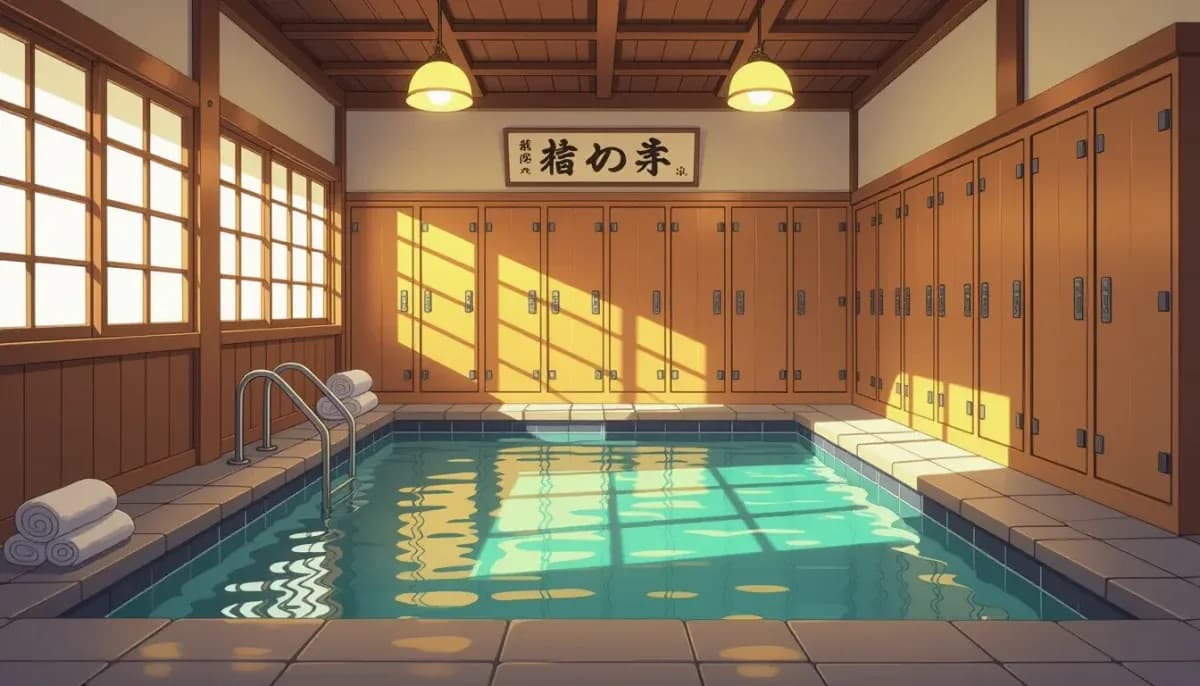
Public Bath Sento Etiquette Guide for Foreigners
Complete sento etiquette guide for foreigners in Japan. Learn how to use a Japanese public bathhouse, what to bring, tattoo policies, and essential dos and don'ts for a respectful experience.
Read more →
Japanese Noise Etiquette and Quiet Hours Guide
Learn Japanese noise etiquette, quiet hours rules, and how to avoid noise complaints in Japan apartments. Essential guide for foreigners and expats living in Japan.
Read more →
Chopstick Etiquette in Japan Rules You Must Know
Master chopstick etiquette in Japan with this complete guide. Learn the major taboos, how to hold chopsticks correctly, and the unwritten rules that every foreigner should know before dining in Japan.
Read more →