
Getting a Hanko Personal Seal in Japan Guide

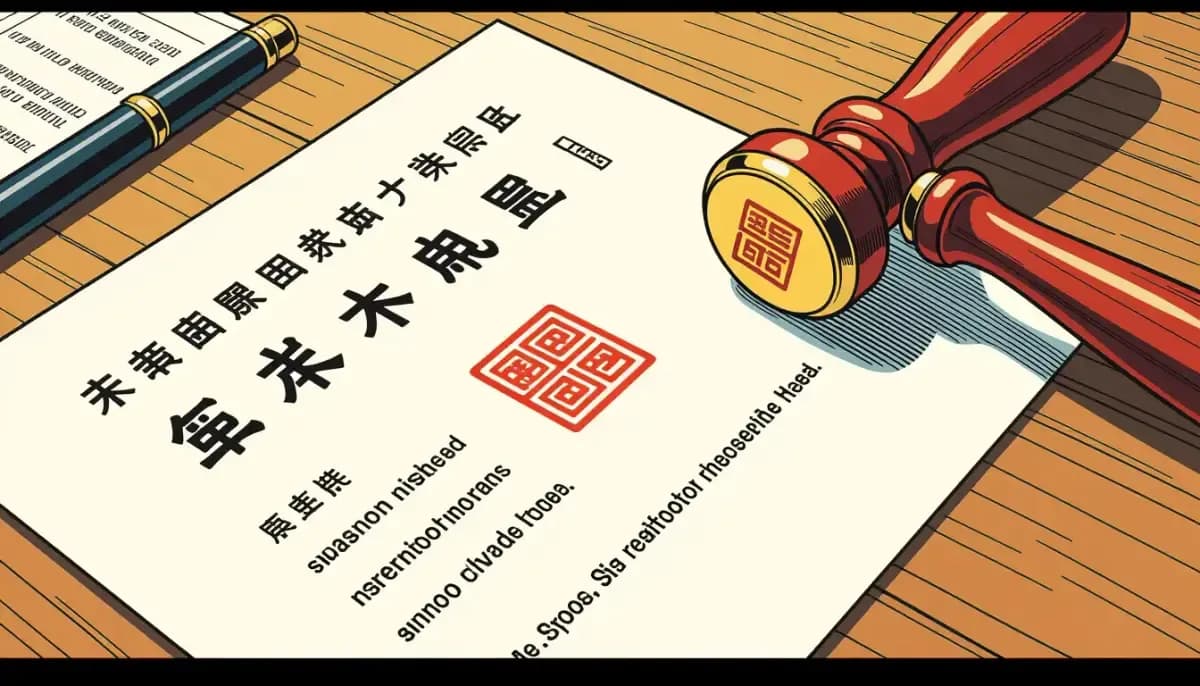
Complete guide to getting a hanko personal seal in Japan as a foreigner. Learn about jitsuin, ginko-in, mitome-in types, where to buy, how to register, costs, and practical tips for expats.
Getting a Hanko Personal Seal in Japan: Complete Guide for Foreigners
If you're living or planning to live in Japan, one of the first things you'll encounter in your daily administrative life is the hanko (判子) — Japan's traditional personal seal. Used instead of a handwritten signature for official documents, banking, contracts, and even receiving parcels, a hanko is a small carved stamp that carries enormous importance in Japanese society.
This guide explains everything a foreigner needs to know about getting a hanko in Japan: what it is, what types exist, how to get one, how to register it, and how to use it in everyday life.
What Is a Hanko (Personal Seal)?
A hanko, also called an inkan (印鑑), is a cylindrical stamp engraved with a name. When inked and pressed onto a document, it acts as your personal signature. Japan has used personal seals for centuries, and while the country is gradually moving toward digital alternatives, hanko remain widely required in many official and commercial transactions.
Common situations where you'll need a hanko include:
- Opening a bank account
- Signing a lease or apartment contract
- Receiving registered mail or deliveries
- Completing tax forms or government procedures
- Employment paperwork and company contracts
During the COVID-19 pandemic, nearly 60% of remote workers had to physically return to their office just to stamp paperwork with their hanko — highlighting just how deeply embedded this practice remains in Japanese life. Japan ranked 21st in the Global Digital Competitiveness 2024 ranking, and the hanko culture is frequently cited as a factor slowing Japan's digital transformation.
The Three Types of Hanko in Japan
Understanding the different types of hanko is essential before you purchase or register one.
| Type | Japanese | Registration | Primary Use |
|---|---|---|---|
| Jitsu-in | 実印 | City Hall (required) | Real estate, legal contracts, marriage |
| Ginko-in | 銀行印 | Bank (required) | Opening accounts, withdrawals |
| Mitome-in | 認印 | None required | Parcels, everyday forms, receipts |
1. Jitsu-in (実印) — Official Registered Seal
The jitsu-in is your most important seal. It must be officially registered at your local city or ward office (市区町村役場). Once registered, you can obtain a seal registration certificate (印鑑登録証明書, inkan toroku shomeisho), which is required for major legal transactions like purchasing property, registering a car, or signing large contracts.
2. Ginko-in (銀行印) — Bank Seal
The ginko-in is registered with your bank when you open an account. It's used for transactions at the teller counter and for setting up automatic payments. It's recommended to keep your ginko-in separate from your mitome-in, as you don't want a casually-used seal to also be registered with your bank.
3. Mitome-in (認め印) — Everyday Casual Seal
The mitome-in is an unregistered, informal seal used in everyday situations like receiving deliveries, signing neighborhood newsletters (回覧板, kairanban), and filling out casual paperwork. You can buy a ready-made mitome-in for as little as ¥500.
Do Foreigners Need a Hanko?
Technically, a hanko is not always mandatory for foreigners. In many situations, especially in larger cities, you may be allowed to use your handwritten signature as an alternative if you explain that you don't have a hanko. However, for certain transactions — particularly opening a bank account, renting an apartment, or signing employment contracts — having a hanko is strongly recommended and may be required.
As Japan becomes more accustomed to international residents, policies are slowly changing, but it's still best practice to obtain a hanko once you're officially registered as a resident.
For more information about navigating Japanese paperwork and bureaucracy as a foreigner, check out Living in Nihon's complete paperwork guide.
How to Choose a Hanko as a Foreigner
Choosing Your Name
When a foreigner creates a hanko, they typically cannot use a pre-made seal (which are carved with common Japanese names). You'll need a custom-made hanko. Options for how your name is written include:
- Katakana (カタカナ) — The most common choice for foreigners; e.g., SMITH → スミス
- Latin alphabet — Some shops and municipalities accept alphabet characters
- Kanji — If you have a Japanese name or have chosen kanji for your name
For a jitsuin, your hanko name must match the name on your Residence Card (在留カード, zairyu card). Most cities require either your full legal name, last name only, or first name only — but typically not a middle name.
Size Requirements
All hanko — especially jitsuin — must meet specific size requirements:
- Minimum diameter: 8mm
- Maximum diameter: 25mm
- Most personal hanko are 10.5mm to 15mm in diameter
Where to Buy a Hanko in Japan
There are several convenient options for purchasing a hanko:
Online Hanko Shops
Online shops like Hankoya.com and Hanko-Store.com offer English-language ordering. Custom wooden hanko start from around ¥2,047, with premium materials costing considerably more. Shipping usually takes 3–5 business days.
Physical Shops (ハンコ屋 / 印鑑屋)
Traditional hanko shops (hankoya) are found in most commercial districts. They can produce a custom seal in as little as 30 minutes while you wait. You can browse materials (wood, acrylic, titanium) and font styles.
Big Box Stores
Don Quijote and Bic Camera sometimes have automated engraving machines for hanko, starting from around ¥500. These are mainly suitable as mitome-in for casual everyday use.
100-Yen Shops
Pre-made hanko with common katakana names are available for ¥100–¥110, but these are only appropriate as informal mitome-in and cannot be used as jitsuin.
| Purchase Option | Price Range | Custom Name | Wait Time | Best For |
|---|---|---|---|---|
| 100-yen shop | ¥100–¥110 | No | Instant | Casual mitome-in |
| Don Quijote machine | From ¥500 | Yes (limited) | ~10 min | Budget mitome-in |
| Online shop | From ¥2,047 | Yes | 3–5 days | All types |
| Traditional hankoya | From ¥3,000 | Yes | 30 min–1 day | Quality seals |
How to Register Your Jitsuin at City Hall
If you want to register your hanko as an official jitsuin, follow these steps:
Requirements
- Be registered as a resident (住民登録, jumin toroku) in the municipality
- Have a valid Residence Card or Special Permanent Resident Certificate
- Your hanko must meet the size regulations (8–25mm)
Step-by-Step Registration Process
- Obtain your custom hanko from a shop (allow 1–3 days if ordering custom)
- Visit your local city/ward office (市区町村役場) — no appointment needed
- Complete the registration form (印鑑登録申請書, inkan toroku shinseisho)
- Submit with your Residence Card as ID verification
- Pay the registration fee — typically just ¥50 for the inkan card
- Receive your Inkan Card (印鑑登録証), which you'll need when requesting seal certificates
The entire process typically takes 30–60 minutes at the city office. Some municipalities may require same-day verification by mail if they cannot verify your identity immediately, adding 1–2 days.
For a broader understanding of city hall procedures you'll need to navigate as a foreigner, see our guide on city hall procedures in Japan.
How to Register Your Ginko-in at the Bank
Registering a hanko at a bank is simpler than the jitsuin process:
- Visit the bank branch where you want to open an account
- Bring your Residence Card and the hanko you want to register
- Complete the bank's account opening form and stamp it with your hanko
- The bank registers your seal in their system
Your ginko-in does not need to be specially certified — any hanko will do, as long as you consistently use the same one for that bank. Learn more about opening a bank account in Japan in our bank account guide for foreigners.
Caring for and Using Your Hanko
How to Use a Hanko
- Apply ink from an ink pad (朱肉, shuniku) — red is standard
- Press firmly and evenly onto the document
- Lift straight up to avoid smearing
Most hanko come with a small ink pad. If yours didn't, you can purchase one at any 100-yen shop, convenience store, or stationery shop.
Caring for Your Hanko
- Keep it in a protective case (most come with one)
- Clean it after use with a soft cloth
- Avoid dropping wooden seals as they can crack
- Store away from direct sunlight and extreme heat
What If You Lose Your Hanko?
If you lose a jitsuin, report it immediately to your city office to cancel the registration. Until you cancel, anyone who finds your hanko could potentially misuse it with your seal certificate. Cancellation is free and you can re-register a new hanko.
If you lose a ginko-in, contact your bank immediately to freeze the registered seal.
Japan's Digital Future and the Hanko
Japan's government has been working to reduce reliance on hanko for official procedures. Since 2021, the Digital Agency of Japan has pushed to digitize many paperwork requirements, and some government forms now accept electronic signatures. A digital version called e-seal has also been proposed for businesses.
However, hanko remain legally required for many transactions in 2025, and for practical day-to-day life in Japan, having a physical hanko is still essential. Understanding this cultural and administrative practice is a key part of settling into Japanese life as a foreigner.
For foreigners working in Japan, understanding business customs around hanko is also important. Check out For Work in Japan's guide to Japanese business culture and Ittenshoku's resources for working in Japan for more workplace insights.
Frequently Asked Questions
Can a foreigner register a hanko in Japan? Yes. As long as you are officially registered as a resident in your municipality and have a valid Residence Card, you can register a jitsuin at your local city office.
Do I need a hanko to open a bank account in Japan? Most major Japanese banks require a hanko for account opening. However, some online banks and newer financial services may accept a signature instead.
Can I use my signature instead of a hanko? In many everyday situations, especially in large cities, foreigners may be allowed to sign instead of stamp. However, for official documents and banking, a hanko is usually required.
How long does it take to get a hanko made? Ready-made hanko from convenience stores or 100-yen shops are instant. Custom hanko from a physical shop take 30 minutes to 1 day. Online orders typically take 3–5 business days.
Can I use my English name on a hanko? Yes. Many municipalities accept hanko with names written in Latin alphabet or katakana. The name must match (or be a recognized rendition of) your legal name on your Residence Card.
Getting your hanko sorted early in your Japan life will save you considerable hassle down the road. Whether you choose a simple wooden seal or a premium titanium inkan, having this small but mighty tool ready will make navigating Japanese bureaucracy much smoother. Check out our guide on essential Japanese manners and the complete foreigner's guide to moving to Japan for more tips on settling in.

Originally from Vietnam, living in Japan for 16+ years. Graduated from Nagoya University, with 11 years of professional experience at Japanese and international companies. Sharing information about living in Japan for foreigners.
View Profile →Related Articles

Seasonal Clothing Guide for Living in Japan
Complete seasonal clothing guide for foreigners living in Japan. Learn what to wear in spring, summer, rainy season, autumn, and winter with month-by-month tips and shopping advice.
Read more →
Japanese Convenience Store Life Hacks for Foreigners
Discover the best konbini life hacks for foreigners in Japan — from ATM tips and bill payments to discount food strategies, package delivery, and printing services at 7-Eleven, FamilyMart, and Lawson.
Read more →
Neighborhood Association Chonaikai Guide for Foreigners
Everything foreigners need to know about Japan's chonaikai (neighborhood associations): fees, how to join, what happens at meetings, garbage rules, and practical tips for expats.
Read more →
How to Furnish Your Japan Apartment on a Budget
Complete guide to furnishing your Japan apartment on a budget. Covers Nitori, IKEA, secondhand recycle shops, Sayonara Sales, and must-know tips for foreigners setting up their first Japanese apartment.
Read more →
Japanese Address System Explained for Foreigners
Learn how the Japanese address system works, how to read chome-ban-go addresses, write Japanese addresses in English, and navigate Japan as a foreigner. Full guide with examples.
Read more →
Laundry Tips and Coin Laundry Guide in Japan
Complete guide to doing laundry in Japan: how to use coin laundries, decode Japanese washing machines, understand prices, payment methods, and laundromat etiquette for foreigners and expats.
Read more →