
Best 100 Yen Stores in Japan Complete Guide

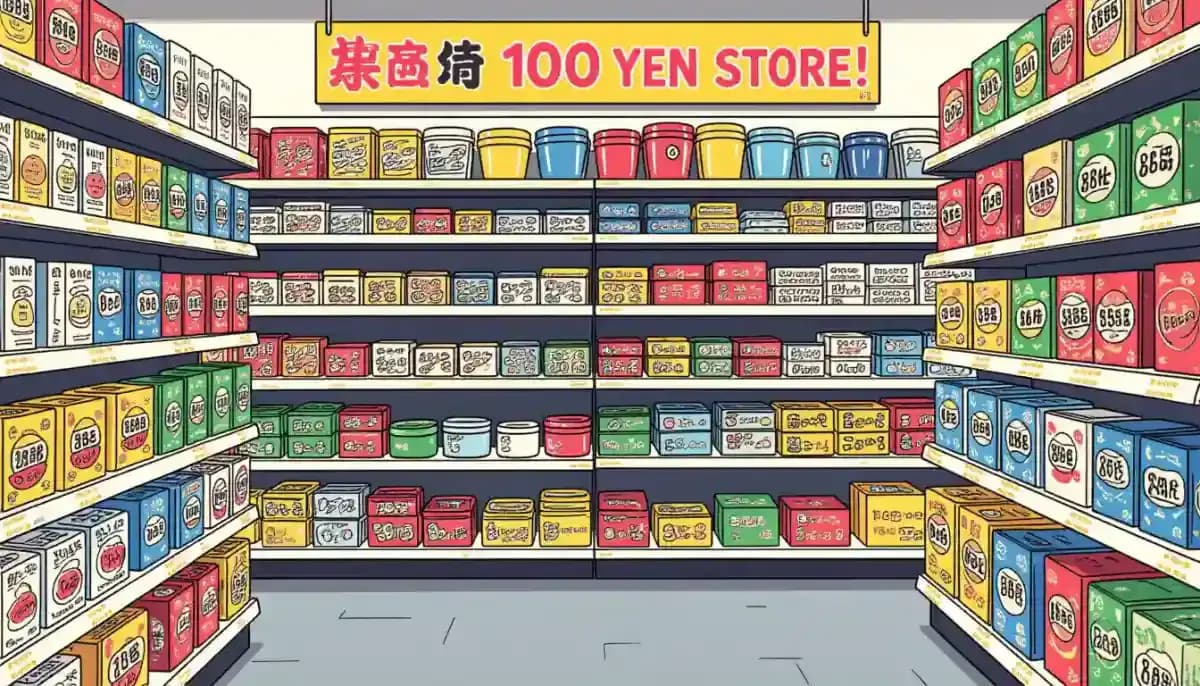
Discover Japan's best 100 yen stores—Daiso, Seria, Can★Do and more. Learn what to buy, shopping tips, and how foreigners can save money at Japan's famous 百円ショップ.
Best 100 Yen Stores in Japan: The Complete Guide for Foreigners
Japan's 100 yen stores are one of the best-kept secrets for anyone living in or visiting the country. Whether you're a newly arrived expat setting up your apartment, a tourist hunting for affordable souvenirs, or a long-term resident who knows that quality doesn't have to come with a high price tag, the 100 yen store (百円ショップ, hyaku-en shoppu) is your best friend. This guide covers everything you need to know about navigating these incredible stores—from the major chains and what to buy, to insider tips that will make your shopping experience even better.
What Is a 100 Yen Store?
A 100 yen store is Japan's answer to the dollar store, but with a significant twist: the quality and variety are often surprisingly impressive. Every item is priced at 100 yen, though with Japan's 10% consumption tax applied, you'll pay 110 yen per item at checkout (food and beverage items are taxed at 8%, making them 108 yen).
The concept dates back to the 1980s when Japan's first large-scale 100 yen shops began appearing. Today, the industry has grown into a multi-billion yen business with over 10,000 locations nationwide. These stores are not merely discount bins—many items rival or exceed the quality found in regular retail stores at a fraction of the cost.
For foreigners in Japan, 100 yen stores are particularly valuable when first arriving. Setting up a new apartment from scratch can be expensive, but a trip to a 100 yen store can immediately furnish your kitchen, bathroom, and workspace without breaking the bank.
!Inside a bright and organized Japanese 100 yen store with colorful product displays

The Major 100 Yen Store Chains in Japan
Japan has four major 100 yen store chains, each with its own personality and strengths. Here's a breakdown:
| Chain | Stores in Japan | Specialty | Best For |
|---|---|---|---|
| Daiso | ~4,600 | Widest selection | General shopping, everything |
| Seria | ~2,000+ | Quality, minimalist design | Home décor, DIY, Japanese-made products |
| Can★Do | ~1,340 | Trendy, family-friendly | Snacks, seasonal items, less crowding |
| Watts / Meets | ~1,800 | Value essentials | Everyday basics, budget items |
Daiso (ダイソー)
Daiso is the undisputed king of 100 yen stores and the name most foreigners recognize. With approximately 4,600 stores in Japan and over 5,600 worldwide, Daiso offers the broadest selection of any chain. You can find literally thousands of products—from kitchen gadgets and craft supplies to electronics accessories and clothing. Annual sales reach approximately 674 billion yen, making it a retail powerhouse.
Larger Daiso locations like the flagship "Giga Daiso" stores in major cities can span multiple floors and stock an almost overwhelming variety of goods. These mega-stores are especially worth visiting if you're looking for something specific or just want to browse.
Pro tip: Daiso also runs a loyalty sticker program at select stores. Collect stickers with purchases and redeem them for rewards.
Seria (セリア)
Seria is the store for those who care about aesthetics. Known for its minimalist, Japanese design sensibilities, Seria stocks many products that are actually made in Japan—a rarity at this price point. The store is a favorite among DIY enthusiasts, craft lovers, and anyone who wants their 100 yen purchase to look stylish.
Seria excels in areas like:
- Hand-painted ceramics and dinnerware
- Scrapbooking and craft supplies
- Minimalist storage solutions
- High-quality stationery
With annual sales around 223 billion yen, Seria is the clear number-two in the market and a must-visit for design-conscious shoppers.
Can★Do (キャンドゥ)
Can★Do offers a slightly different atmosphere than Daiso—typically less crowded and with a focus on trendy, family-oriented products. The chain is excellent for seasonal items (Japanese holidays produce incredible themed merchandise) and snack foods. Many Can★Do locations are tucked away in quieter neighborhoods, which can actually make for a more pleasant shopping experience.
Watts / Meets (ワッツ / ミーツ)
The Watts group operates around 1,800 stores under various brand names including Watts, Meets, and 100円生活 (100-yen Living). These stores often stock everyday household essentials and are a solid choice for basic needs at low prices.
What to Buy at 100 Yen Stores: The Ultimate Shopping List
Knowing what to buy—and what to skip—at 100 yen stores takes some experience. Here's a category-by-category guide:
Kitchen and Dining
This is where 100 yen stores truly shine. For newly arrived expats, a single shopping trip can stock an entire kitchen:
- Chopsticks – Both disposable and reusable sets
- Bowls, plates, and mugs – Surprisingly stylish options, especially at Seria
- Cutting boards – Lightweight plastic versions work fine for daily use
- Storage containers – Airtight containers for leftovers and pantry organization
- Spice containers – Uniform sets keep your kitchen looking clean
- Pots, pans, and ladles – Basic but functional for everyday cooking
Cleaning and Household
- Microfiber cloths – Japan's microfiber quality is excellent even at this price
- Sponges and scrubbers – Stock up; they're cheap enough to replace regularly
- Mops and dusters – Daiso's cleaning tools are genuinely useful
- Trash bags – Available in many sizes
- Laundry nets and hangers – Essential for apartment living in Japan
Stationery and Office Supplies
Japanese stationery culture is world-famous, and even 100 yen stores reflect this. You'll find:
- Notebooks and planners – Excellent quality, especially at Seria
- Gel pens and markers – Smooth writing instruments that rival name brands
- Sticky notes – Various sizes and colors
- File folders and organizers – Perfect for managing paperwork
Beauty and Personal Care
- Face masks and sheet masks – Popular Japanese beauty products at a fraction of department store prices
- Cotton pads and swabs
- Hair ties and clips
- Nail care tools
- Basic skincare items – Moisturizers, toners, and sunscreen
Seasonal and Holiday Items
Japanese 100 yen stores go all-out for the country's many seasonal holidays. During New Year (Oshōgatsu), you'll find decorations, traditional items, and specialty goods. Summer brings festival (matsuri) accessories, while Halloween and Christmas are heavily stocked with themed merchandise.
Souvenirs and Gifts
For tourists, 100 yen stores are goldmines for affordable, authentic Japanese souvenirs:
- Kokeshi doll miniatures
- Mount Fuji-themed mugs and accessories
- Tenugui (hand towels) with traditional patterns
- Anime and character merchandise (Pokémon, Sanrio collaborations are common)
- Japanese snack samplers
!A variety of colorful Japanese souvenir items and kitchen goods displayed at a 100 yen store

Tips for Shopping at 100 Yen Stores as a Foreigner
Payment Methods
Most 100 yen stores now accept a range of payment methods, making life easier for foreigners:
- Cash – Always works; have 110 yen coins on hand
- Credit cards – Visa, Mastercard, JCB accepted at many locations
- IC Cards – Suica and other transport cards work at many stores
- QR code payments – PayPay and LINE Pay are widely accepted
For a full overview of payment options in Japan, see our guide on daily life in Japan for foreigners.
Bring Your Own Bag
Japan charges for plastic shopping bags (typically 3–5 yen per bag) at most retailers, including 100 yen stores. Bring a reusable tote bag to avoid the small additional cost—and it's better for the environment too.
No Return Policy
Unlike many Western countries, Japan generally does not offer returns on purchased items unless they are defective. Once you've bought something from a 100 yen store, you own it. Check items carefully before purchase, and remember that defective goods can be exchanged or refunded under consumer protection law. If you have a dispute, call 188 (the multilingual consumer hotline).
Tax-Free Shopping for Tourists
If you're visiting Japan on a tourist visa and staying less than 6 months, you may qualify for tax-free shopping. However, note that most 100 yen stores don't participate in tax-free programs because the items are already so inexpensive. Check with individual stores. Starting in November 2026, Japan is switching from point-of-sale tax exemption to an airport refund system, so the process will change for visitors.
Timing Your Visit
Weekday mornings are generally the best time to visit 100 yen stores—lower crowds, freshly stocked shelves, and more relaxed browsing. Weekends, especially in urban areas like Tokyo or Osaka, can get quite busy.
Finding 100 Yen Stores: Where to Look
100 yen stores are ubiquitous in Japan, but some locations are better than others:
- Train station malls (eki-naka) – Many stations have Daiso or Seria outlets inside, perfect for quick stops
- Shopping centers (malls) – Major chains often have large anchor stores in suburban malls
- Downtown shopping streets (shotengai) – Older shopping arcades frequently have 100 yen stores
- Google Maps – Search "100均" (hyaku-kin) to find nearby stores
For navigating Japan's transportation system to reach these stores, check out our transportation guide for foreigners in Japan.
Beyond 100 Yen: The 300-Yen Store Revolution
While the 100 yen store remains king, a new format has emerged: the 300 yen store. Chains like:
- 3Coins – Fashion accessories, lifestyle goods, trendier items
- Threeppy (Daiso subsidiary) – Home décor, small appliances like hair irons
- Standard Products (by Daiso) – Premium, natural materials at 300-500 yen
These stores fill the gap between 100 yen shops and regular retail, offering higher quality for only slightly more money. They're excellent for items where you want a step up in quality without full retail pricing.
Setting Up Your Apartment with 100 Yen Stores
For foreigners who have just moved to Japan, 100 yen stores can be the difference between a painful and manageable first few weeks. Here's a starter shopping list for a new apartment:
Kitchen Essentials:
- Rice bowl and plate set
- Chopsticks (reusable)
- One pot and one frying pan
- Cutting board and knife
- Dish soap and sponges
Bathroom Basics:
- Bath mat
- Toilet brush
- Storage containers for toiletries
Living Space:
- Extension cord/power strip
- Hangers (at least 20–30 for laundry)
- Storage boxes and dividers
- Cleaning supplies
For a broader guide to getting settled in Japan, see our complete guide to moving to Japan and the finding housing in Japan guide.
Useful Resources for Shopping in Japan
For more comprehensive shopping tips and consumer advice for foreigners in Japan, the Shopping & Consumer Guide at Living in Nihon offers detailed information on navigating Japanese retail as a foreigner, including your consumer rights and how loyalty programs work.
For expats planning their daily life infrastructure in Japan, the Housing and Living Guide at For Work in Japan covers everything from setting up utilities to managing daily expenses in your new home country.
If you're interested in career opportunities in Japan that can help fund your shopping adventures, Ittenshoku (IT転職) is a leading resource for IT professionals looking to work in Japan, with comprehensive salary information and job market insights.
For a broader overview of shopping in Japan beyond 100 yen stores, our complete shopping guide for foreigners in Japan covers everything from department stores and supermarkets to online shopping platforms.
And for budget-conscious living, don't miss our cost of living guide for Japan which puts 100 yen store savings into the context of overall living expenses.
For a comprehensive overview of 100 yen stores across Tokyo, Tokyo Room Finder's 100 Yen Shop Guide provides detailed reviews and shopping tips for each major chain.
The Japan Guide's 100 Yen Shop overview is an excellent reference for first-time visitors looking to understand the concept and find store locations nationwide.
Conclusion
Japan's 100 yen stores are a genuine national treasure—well-organized, surprisingly high-quality, and essential for anyone living in or visiting the country. Whether you're drawn to Daiso's vast selection, Seria's elegant designs, Can★Do's trendy offerings, or the value-driven Watts group, you're guaranteed to find something worth buying.
For foreigners in Japan, mastering the 100 yen store is a rite of passage that saves money, enriches daily life, and offers a window into the practical side of Japanese consumer culture. The best approach is simply to visit all the major chains, discover what each does best, and build your shopping routine accordingly.
Happy hunting—and remember, at 110 yen per item, the worst thing that can happen is a small impulse buy you didn't need.

Originally from Vietnam, living in Japan for 16+ years. Graduated from Nagoya University, with 11 years of professional experience at Japanese and international companies. Sharing information about living in Japan for foreigners.
View Profile →Related Articles
Japanese Drug Stores Best Products and Tips
Discover the best Japanese drug store products, top chains like Matsumoto Kiyoshi and Welcia, must-buy skincare and health items, and essential shopping tips for foreigners and expats in Japan.
Read more →
Rakuten Shopping Guide for Foreign Residents in Japan
Complete Rakuten Ichiba guide for foreigners in Japan: how to register, use Rakuten Points, maximize SPU multipliers, navigate sale events, and save money on every purchase.
Read more →
Tax Free Shopping in Japan How It Works for Residents
Complete guide to tax-free shopping in Japan. Learn who qualifies (tourists vs. residents), minimum purchase rules, the 2026 system changes, and how foreign residents can save money without tax-free eligibility.
Read more →
Buying Home Appliances in Japan Guide for Foreigners
Everything foreigners need to know about buying home appliances in Japan. Learn where to shop, how much to budget, voltage differences, used vs new options, and disposal rules.
Read more →
Best Outlet Malls and Discount Stores in Japan
Complete guide to Japan's best outlet malls (Gotemba, Kisarazu, Rinku) and discount stores (Donki, Daiso) for foreigners. Tax-free tips, sale seasons, and practical advice for expats and tourists.
Read more →
Japanese Department Stores Complete Shopping Guide
Complete guide to Japanese department stores (depato) for foreigners: tax-free shopping, floor layouts, depachika food halls, major chains like Isetan and Mitsukoshi, and essential tips for expats.
Read more →