
Teaching English in Rural Japan What to Know

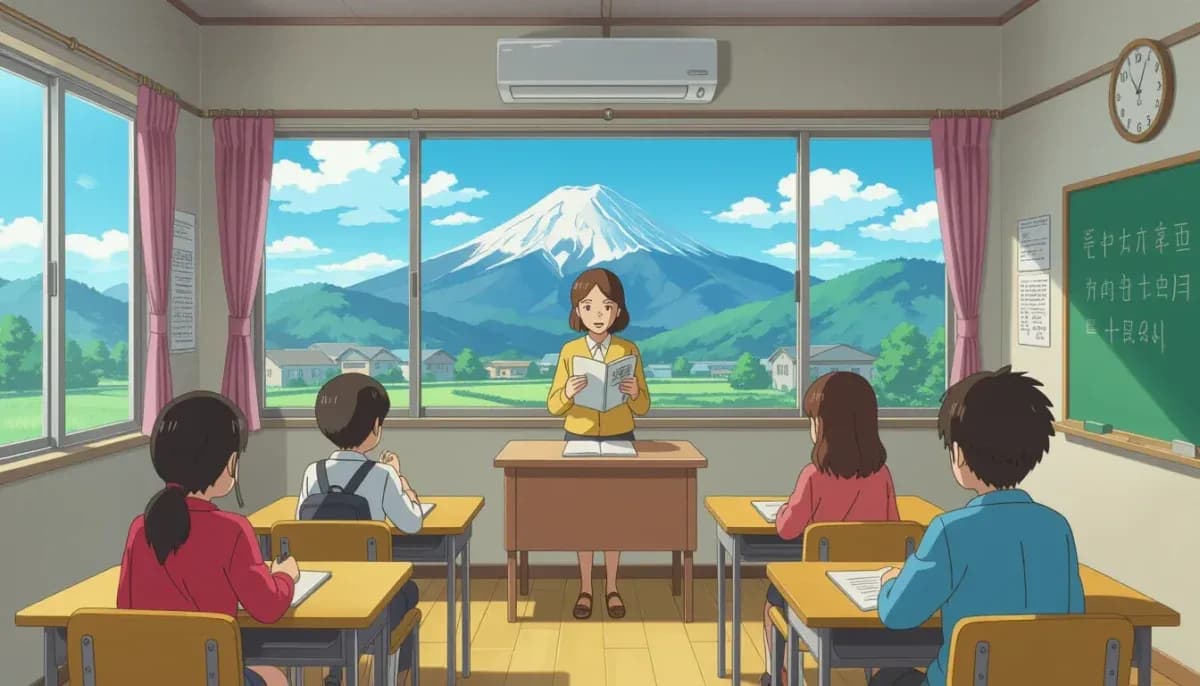
Complete guide to teaching English in rural Japan covering salary, daily life, classroom challenges, JET Programme placements, and practical tips for thriving in the Japanese countryside as a foreign teacher.
Teaching English in Rural Japan: What to Know
Moving to Japan's countryside to teach English is one of the most rewarding—and challenging—experiences a foreigner can have. While most people imagine teaching in the neon-lit streets of Tokyo or Osaka, the reality is that the majority of ALT and JET Programme placements land you in rural towns and villages known as inaka. If you're considering this path, here's everything you need to know about teaching English in rural Japan.
Why Most English Teachers End Up in Rural Japan
Major placement programs like the JET Programme and Interac primarily fill positions in rural and suburban areas. Urban placements in cities like Tokyo and Osaka are limited and typically reserved for experienced teachers or those with specific language skills.
Since its founding in 1987, over 77,000 participants from 77 countries have joined the JET Programme, with roughly 90% serving as Assistant Language Teachers (ALTs). The demand for native English speakers is strongest in communities where students have little to no exposure to foreigners—and that means the countryside.
This is actually great news for adventurous teachers. Rural placements offer an authentic Japanese living experience that city dwellers rarely get to enjoy. You'll attend local festivals, get invited to community events, and build relationships that simply aren't possible in the anonymity of a big city.
What to Expect in the Classroom
Rural schools in Japan operate quite differently from what you might be used to. Here are some key things to prepare for:
Limited Technology: Don't expect interactive whiteboards, projectors, or even reliable Wi-Fi. Blackboards and chalk are standard equipment. Many rural schools still use fax machines and physical bulletin boards. Print your teaching materials at a convenience store before class—it's often the most reliable option.
Exam-Focused Learning: Japanese students spend most of their English study time on reading and writing, preparing for standardized tests like the Eiken and high school entrance exams. Speaking practice is minimal, so your role as an ALT is to bring conversation and communication skills into the classroom.
High Energy Students: Countryside students often display higher energy levels than their urban counterparts. They may have never met a foreigner before, making you an instant celebrity. Simple interactions—a greeting in the hallway, a high-five after class—can be incredibly meaningful for both you and the students.
Motivation Challenges: Some rural students struggle to see why English matters for their future. When asked about their plans, many say they'll work on the family farm or in a local factory. Finding creative ways to make English relevant—using pop culture, local topics, or hands-on activities—is key to keeping them engaged. For more detailed classroom tips, check out this guide to surviving countryside teaching.
Salary and Cost of Living Comparison
One of the biggest advantages of teaching in rural Japan is the cost of living. While salaries are similar across the country, your money goes much further in the countryside.
| Category | Rural Japan (Monthly) | Tokyo (Monthly) |
|---|---|---|
| ALT Salary | ¥230,000–¥300,000 | ¥230,000–¥300,000 |
| JET Programme (Year 1) | ¥280,000 | ¥280,000 |
| Rent (1K Apartment) | ¥30,000–¥50,000 | ¥70,000–¥130,000 |
| Food & Groceries | ¥25,000–¥35,000 | ¥35,000–¥50,000 |
| Transportation | ¥5,000–¥15,000 (car costs) | ¥10,000–¥15,000 (train pass) |
| Savings Potential | ¥100,000–¥150,000 | ¥20,000–¥50,000 |
JET Programme participants earn between ¥3.36 million and ¥3.96 million annually, with small raises each consecutive year up to the fifth and final eligible year. In rural areas, it's entirely possible to save over ¥1 million per year while still enjoying a comfortable lifestyle. For a complete breakdown, see our English teaching salary comparison.
Practical Challenges of Rural Life
Living in the Japanese countryside is charming, but it comes with some unique challenges that you should prepare for.
Transportation: Unlike Tokyo's extensive train network, rural areas often have limited public transport. Buses might run only a few times a day, and the nearest train station could be a 30-minute drive away. Many rural teachers end up buying or leasing a car—a significant additional expense but often a necessity. Check our driving in Japan guide for more details.
Language Barrier: While you can survive in Tokyo with minimal Japanese, rural areas are a different story entirely. Few locals speak English, and signs, menus, and public notices are exclusively in Japanese. Investing time in learning Japanese before and during your placement will dramatically improve your daily life and relationships.
Isolation: Being one of few—or the only—foreigner in town can feel lonely, especially in the beginning. Social activities are limited compared to city life, and finding fellow English speakers may require driving to the nearest larger town. Building strong connections with colleagues and neighbors is essential. Our guide on making friends in Japan has helpful strategies.
Climate Extremes: Rural schools often lack proper air conditioning, making summers brutal. Temperatures regularly exceed 35°C (95°F) with high humidity, and classrooms can feel like saunas. Bring extra clothes, a cooling spray, and frozen water bottles. Winters in northern rural areas can also be harsh, with heavy snowfall and unheated corridors.
Facilities: Western-style toilets are rare in rural schools. One teacher reported finding fewer than five western toilets across 20 schools in the Shizuoka and Chiba regions. Pack hand sanitizer and get comfortable with squat toilets—they're a fact of life in countryside Japan.
How to Get Placed in Rural Japan
Several programs and companies specialize in placing teachers in rural areas. Here are your main options:
JET Programme: The gold standard for teaching in Japan. Government-run, well-paying, with housing assistance, travel cost support, and comprehensive orientation. Applications open October–November each year, with placements starting the following July–August. A bachelor's degree is required, but it can be in any field. No teaching experience or Japanese ability needed. Learn more in our JET Program application guide.
Interac: Japan's largest private ALT provider, with a strong focus on rural placements. They offer free Japanese language training, housing arrangements, and year-round hiring. A good option for those who missed the JET deadline or prefer more flexibility.
Direct Hire ALT: Some local boards of education hire ALTs directly, often with better pay and more autonomy than dispatch companies. These positions are harder to find but worth pursuing if you have connections or Japanese ability.
Eikaiwa Schools: Private English conversation schools like AEON, ECC, and NOVA have branches in smaller cities and towns. Hours tend to be longer (evenings and weekends), but you'll have more control over your curriculum.
For a comprehensive comparison, read our guide on the best English teaching companies in Japan. You can also find more teaching pathways on For Work in Japan's English teaching guide.
Tips for Thriving in Rural Japan
After speaking with experienced rural teachers and reviewing resources from EFL Magazine and The Broke Backpacker, here are the top tips for making the most of your countryside placement:
- Learn Basic Japanese Before Arrival: Even N5-level Japanese will transform your daily interactions. Focus on practical phrases for shopping, asking directions, and basic school conversations. See our beginner Japanese learning guide.
- Get Your TEFL Certification: While not always required, a TEFL or TESOL certification makes you a stronger candidate and better prepared for the classroom. A 120-hour online course is usually sufficient.
- Prepare Low-Tech Lessons: Plan activities that require nothing more than a blackboard, handouts, and your voice. Games like Row & Across, Four Corners, and pair-work activities are ideal for resource-limited classrooms.
- Embrace Community Life: Attend local festivals, join neighborhood clean-up days, and say yes to dinner invitations. Your willingness to participate will earn enormous respect and open doors to experiences tourists never have. Explore Japanese festivals and traditions for ideas.
- Budget for a Car: Unless your placement has decent public transport, plan for car-related expenses. A used kei car can cost ¥200,000–¥500,000, plus insurance, shaken (inspection), and gas.
- Connect with Other Teachers: Join Facebook groups, LINE communities, and attend prefectural ALT gatherings. The JET community is particularly well-organized with regular social events across regions.
- Explore Your Region: Rural Japan is stunning. Use weekends to discover hidden temples, mountain trails, hot springs, and coastal towns. Your inaka placement might just give you access to Japan's most beautiful, least-visited spots. Check out our guide to domestic travel in Japan.
Is Rural Japan Right for You?
Teaching in rural Japan isn't for everyone, but for the right person, it can be life-changing. Japan ranked at its lowest-ever position on the EF English Proficiency Index in 2024, which means the need for quality English education—especially in underserved rural areas—has never been greater.
If you're flexible, adventurous, and willing to step outside your comfort zone, a rural placement offers deeper cultural immersion, stronger community bonds, lower expenses, and savings potential that urban teachers can only dream of. Many former rural teachers say it was the best decision they ever made.
For more general information about living and working in Japan as a foreigner, visit Living in Nihon for guides on visas, housing, and daily life. If you're exploring career options in Japan beyond teaching, Ittenshoku covers IT and tech career transitions.
Ready to start your teaching journey? Read our complete guide to teaching English in Japan for a full overview of every pathway available, or jump straight into the pros and cons of teaching English in Japan to help make your decision.

Originally from Vietnam, living in Japan for 16+ years. Graduated from Nagoya University, with 11 years of professional experience at Japanese and international companies. Sharing information about living in Japan for foreigners.
View Profile →Related Articles
International School Teaching Jobs in Japan Guide
Complete guide to international school teaching jobs in Japan. Learn about salary ranges from ¥300,000-¥700,000+/month, qualifications, hiring process, top schools, and how to apply as a foreign educator.
Read more →
How to Get Your First Teaching Job in Japan
Complete guide to landing your first English teaching job in Japan. Learn about JET Programme, eikaiwa schools, salary expectations, visa requirements, and application tips for first-time teachers.
Read more →
Pros and Cons of Teaching English in Japan
Discover the real pros and cons of teaching English in Japan. Compare salaries for JET, ALT, eikaiwa, and international schools. Honest guide for foreigners considering English teaching careers in Japan.
Read more →
A Day in the Life of an English Teacher in Japan
Discover what daily life is really like as an English teacher in Japan. From morning routines and classroom activities to salary comparisons and weekend adventures, this guide covers ALT, eikaiwa, and JET Programme experiences.
Read more →
English Teaching Salary in Japan Complete Comparison
Compare English teaching salaries in Japan across JET Programme, ALT, eikaiwa, university, and international school positions. Detailed salary data, benefits, and cost of living breakdown for foreign teachers.
Read more →
Teaching English Online While Living in Japan
Learn how to teach English online while living in Japan. Discover top platforms, salary expectations, visa requirements, and practical tips for foreigners building an online teaching career.
Read more →