
Japan Health Checkup Ningen Dock Explained

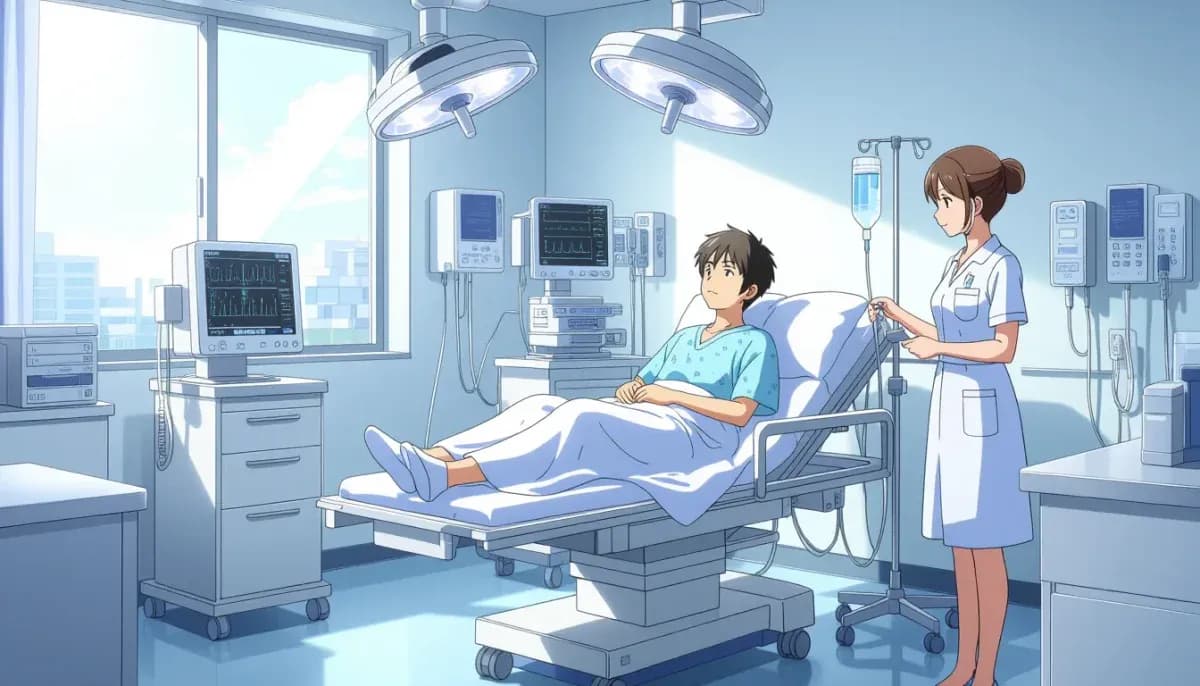
Complete guide to Ningen Dock, Japan's comprehensive health checkup system. Learn costs, what's included, English-speaking clinics, preparation tips, and how it differs from the standard annual health check.
Japan Health Checkup Ningen Dock Explained: The Complete Guide for Foreigners
Living in Japan means access to one of the world's most thorough preventive healthcare systems. At the heart of this system is the Ningen Dock (人間ドック) — a comprehensive health examination unique to Japan that goes far beyond a typical annual checkup. Whether your employer offers it or you want to book one yourself, understanding how Ningen Dock works can help you stay on top of your health while living abroad.
In this guide, we cover everything foreigners need to know about Ningen Dock: what it includes, how much it costs, where to go with English support, and how it differs from the standard annual health check.
What Is Ningen Dock?
Ningen Dock literally translates to "human dock" — inspired by the concept of a ship entering a dockyard for a thorough inspection and repair. The idea is that your body, like a ship, deserves a detailed checkup to catch problems before they become serious.
The first systematic Ningen Dock was created at the National Tokyo Daiichi Hospital (now the National Center for Global Health and Medicine) on July 12, 1954. Back then, the examination took six full days of hospitalization. Today, most Ningen Dock programs are completed in a single day or half-day.
Ningen Dock is now offered at 1,727 facilities across Japan, with over 3.7 million people undergoing the examination annually. It has become a cornerstone of Japan's preventive healthcare culture and is considered one reason behind the country's famously long life expectancy.
Ningen Dock vs. Standard Annual Health Check (Kenko Shindan)
Many foreigners working in Japan are already familiar with the mandatory annual health check called Kenko Shindan (健康診断). But Ningen Dock is a completely different level of examination. Here's how they compare:
| Feature | Kenko Shindan (Standard) | Ningen Dock (Comprehensive) |
|---|---|---|
| Required by law | Yes — employers must provide | No — voluntary |
| Cost | Free (employer-paid) | ¥30,000–¥60,000+ (self-pay) |
| Duration | 1–3 hours | Half-day to full day |
| Insurance coverage | Covered by employer | Usually not covered by NHI |
| Tests included | Blood pressure, blood test, chest X-ray, urinalysis | All standard tests + abdominal ultrasound, ECG, endoscopy, tumor markers, and more |
| Cancer screening | Limited | Extensive (stomach, colon, lung, breast, cervical) |
| Results review | Brief summary | Detailed doctor consultation |
| English support | Rare | Available at many facilities |
For a broader understanding of Japan's healthcare system, see our complete healthcare guide for foreigners.
What Tests Are Included in a Ningen Dock?
A standard one-day Ningen Dock typically covers the following examinations:
- Physical measurements: Height, weight, BMI, body fat percentage, waist circumference
- Blood pressure and pulse: Resting measurements
- Blood tests: Complete blood count, liver function (AST, ALT, GGT), kidney function (creatinine, BUN), blood sugar (fasting glucose, HbA1c), lipid panel (cholesterol, triglycerides), uric acid
- Urinalysis: Protein, sugar, occult blood
- Stool test: Fecal occult blood test for colon cancer screening
- Chest X-ray: Lung and heart screening
- Electrocardiogram (ECG): Heart rhythm analysis
- Abdominal ultrasound: Liver, gallbladder, kidneys, pancreas, spleen
- Upper GI examination: Barium swallow or gastroscopy (endoscopy) for stomach cancer screening
- Eye and hearing tests: Vision, intraocular pressure, audiometry
- Pulmonary function test: Spirometry for lung capacity
Many facilities also offer optional add-ons including brain MRI, CT scans, PET scans, mammography, cervical cancer screening, thyroid function tests, and tumor marker blood panels. With add-ons, the total cost can reach ¥100,000–¥500,000.
How Much Does Ningen Dock Cost?
Ningen Dock is generally not covered by Japan's National Health Insurance (NHI). However, costs vary widely depending on the facility and tests selected.
- Basic one-day course: ¥30,000–¥60,000 (approximately $200–$400 USD)
- With optional cancer screenings: ¥60,000–¥100,000
- Premium packages with MRI/PET: ¥100,000–¥500,000+
Some employer health insurance associations (kenpo kumiai) offer subsidies for Ningen Dock, covering part or all of the cost for employees over a certain age (often 35 or 40). Check with your company's HR department to see if you qualify.
Municipal governments also sometimes provide subsidized health screenings for specific cancers, especially for residents enrolled in National Health Insurance. For more about managing costs in Japan, check our cost of living guide.
If you're interested in understanding your social insurance and how it relates to health benefits, this guide on social insurance in Japan provides helpful context for foreign workers.
Where to Get a Ningen Dock with English Support
Finding a facility that offers Ningen Dock in English is a top concern for many foreigners. Fortunately, several well-known hospitals and clinics provide English-language services:
- St. Luke's International Hospital (Tokyo) — One of the most popular choices for English-speaking expats. Offers comprehensive Ningen Dock packages with full English reports.
- Tokyo Midtown Medical Center (Tokyo) — Premium facility with multilingual staff and luxury amenities.
- Tokyo Medical and Surgical Clinic (Tokyo) — Long-established English-speaking clinic catering to the international community.
- Kameda Medical Center (Chiba) — Major hospital with dedicated English Ningen Dock programs and international patient services.
- Japanese Red Cross Medical Center (Tokyo) — Offers health checkup services with English support.
- Gyotoku General Hospital (Chiba) — Provides English-language health screening services.
When booking, always ask specifically about:
- Whether the facility provides an English questionnaire (pre-examination form)
- Whether test results are delivered in English
- Whether an interpreter is available during the doctor consultation
For more on navigating Japan's medical system as a foreigner, visit Living in Nihon's health insurance guide which covers insurance enrollment and hospital visit procedures.
How to Prepare for Your Ningen Dock
Proper preparation is essential for accurate test results. Here's what you need to do:
The day before:
- Stop eating by 9:00 PM (some facilities say 10:00 PM)
- Stop drinking water by 10:00 PM
- Avoid alcohol entirely
- Get a good night's sleep
The morning of:
- Do not eat or drink anything (fasting is required)
- Do not smoke
- Collect a morning urine sample if a container was provided
- Bring your stool samples if fecal occult blood test kits were sent in advance (usually collected on two separate days beforehand)
What to bring:
- Health insurance card (if applicable)
- Residence card or passport
- Pre-examination questionnaire (completed in advance)
- Comfortable clothing (you may change into a hospital gown)
- Previous health checkup results (for comparison)
The entire process typically takes 3–6 hours depending on the package. Results are usually mailed to you within 2–4 weeks, though some facilities offer same-day preliminary results.
Understanding Your Ningen Dock Results
After the examination, you'll receive a detailed report categorizing each test result. Japanese health checkup reports use a standardized grading system:
| Grade | Meaning | Action Required |
|---|---|---|
| A | No abnormalities | None — maintain current lifestyle |
| B | Mild abnormality | No treatment needed, monitor annually |
| C | Requires follow-up | Visit your doctor for further evaluation |
| D | Requires treatment | Seek medical treatment promptly |
| E | Currently under treatment | Continue with your current treatment plan |
If any results show grade C or D, the report will specify which specialist to visit. Don't ignore these recommendations — early detection is the entire point of Ningen Dock.
For guidance on understanding how career changes might affect your health insurance coverage, Ittenshoku's article on social insurance premium changes is a useful resource.
The Mandatory Annual Health Check: What Employers Must Provide
Even if you don't opt for Ningen Dock, Japanese law requires your employer to provide an annual health checkup free of charge. Under the Industrial Safety and Health Act of 1972, all employers must:
- Conduct annual health examinations for all employees
- Cover the full cost of the examination
- Allow employees time during work hours to attend
This applies to all employees including foreign workers — your nationality does not matter. The standard employer-provided checkup includes blood tests, blood pressure, chest X-ray, urinalysis, hearing and vision tests, and a basic physical examination.
Approximately 73% of males and 66% of females over age 20 undergo annual health checkups in Japan, making it one of the highest participation rates in the world. Importantly, your health checkup results are confidential and are never shared with immigration authorities.
For more on your legal rights as a foreigner in Japan, including workplace protections, see our dedicated guide. You can also learn more about mandatory health checkups for foreign workers at Navigator Japan.
Tips for Foreigners Getting Their First Ningen Dock
If you're considering booking your first Ningen Dock, here are some practical tips:
- Start with your employer: Ask HR if your company subsidizes Ningen Dock. Many companies offer it free or discounted for employees over 35.
- Book early: Popular English-speaking facilities like St. Luke's can have wait times of 1–3 months. Book well in advance.
- Choose the right package: If you're under 40 with no family history of major diseases, a basic one-day course is usually sufficient. Add cancer screenings if you're over 40.
- Request English service: When making your reservation by phone, clearly state you need English support. Confirm that the results report will be in English.
- Consider the barium test carefully: The upper GI barium swallow can be uncomfortable. Many facilities offer gastroscopy (endoscopy) as an alternative — it's more accurate but requires sedation.
- Keep your results: Store your results digitally and bring them to future checkups. Tracking changes over time is one of the most valuable aspects of Ningen Dock.
- Follow up: If any result shows grade C or D, schedule a follow-up appointment with a specialist. Don't let language barriers prevent you from getting necessary care.
For more tips on daily life in Japan as a foreigner, including navigating bureaucracy and services, check our comprehensive guide. The Japan Living Guide also offers practical advice on health check preparation.
Municipal Cancer Screenings: A Free Alternative
If Ningen Dock is outside your budget, Japanese municipalities offer free or low-cost cancer screenings to residents. These are typically available for:
- Stomach cancer: Age 50+ (endoscopy every 2 years)
- Lung cancer: Age 40+ (chest X-ray annually)
- Colorectal cancer: Age 40+ (fecal occult blood test annually)
- Breast cancer: Age 40+ (mammography every 2 years)
- Cervical cancer: Age 20+ (Pap smear every 2 years)
Your local city hall or ward office will send screening vouchers by mail based on your age. These screenings are available to all registered residents, including foreign nationals enrolled in National Health Insurance.
To learn more about registering at your local city hall and accessing municipal services, see our guide on registering at city hall after moving to Japan. For comprehensive information on health insurance options, Living in Nihon provides detailed coverage of the enrollment process.
Frequently Asked Questions
Can foreigners get Ningen Dock in Japan? Yes. Ningen Dock is available to anyone living in Japan, regardless of nationality or visa status. Some facilities even offer "inbound dock" programs specifically designed for foreign visitors.
Is Ningen Dock covered by insurance? Standard Ningen Dock is generally not covered by National Health Insurance. However, your employer's health insurance association may subsidize part or all of the cost. Private health insurance policies sometimes cover it as well.
How often should I get Ningen Dock? Most doctors recommend once a year, especially for people over 40. If you're younger and healthy, every 2–3 years may be sufficient, supplemented by the free annual employer health check.
What if I don't speak Japanese? Several major hospitals offer full English-language Ningen Dock services. You can also bring a Japanese-speaking friend or hire a medical interpreter through services like Tokyo Medical Information Service.
Can I choose which tests to include? Yes. Most facilities offer a base package with optional add-ons. You can customize your examination based on your age, family history, and health concerns.
Taking advantage of Japan's Ningen Dock system is one of the smartest health decisions you can make as a foreigner living in Japan. With world-class facilities, cutting-edge technology, and increasingly available English support, there's no reason to skip this comprehensive health screening. Your future self will thank you for it.
For more about working in Japan as a foreigner and the benefits that come with employment, explore our complete guide.

Originally from Vietnam, living in Japan for 16+ years. Graduated from Nagoya University, with 11 years of professional experience at Japanese and international companies. Sharing information about living in Japan for foreigners.
View Profile →Related Articles

Vision Care and Getting Glasses in Japan
Complete guide to buying prescription glasses in Japan as a foreigner. Learn about free eye exams, top stores like JINS and Zoff, prices from ¥5,000, contact lenses, and insurance coverage.
Read more →
Private Health Insurance Options in Japan
Complete guide to private health insurance options in Japan for foreigners. Compare IPMI, Japanese private insurance, costs, providers, and how to apply alongside mandatory NHI coverage.
Read more →
Over the Counter Medicine in Japan Guide
Complete guide to buying OTC medicine in Japan as a foreigner. Learn about popular Japanese medicines, drugstore chains, banned medications, and essential pharmacy phrases for expats.
Read more →
How to Use Your Japan Health Insurance Card
Learn how to use your Japan health insurance card (hokensho) as a foreigner. Covers Myna Hokensho transition, co-payment rates, NHI vs SHI, enrollment steps, and cost-saving tips for expats.
Read more →
Having a Baby in Japan as a Foreign Parent
Complete guide to having a baby in Japan as a foreign parent. Learn about prenatal care, hospital costs, the ¥500,000 birth grant, maternity leave, and essential steps for registering your newborn.
Read more →
Emergency Medical Care in Japan What Foreigners Need to Know
Learn how to access emergency medical care in Japan as a foreigner. Covers ambulance services, ER procedures, costs, insurance coverage, and essential preparation tips for expats and tourists.
Read more →