
Must Try Japanese Dishes for Every Foreign Resident

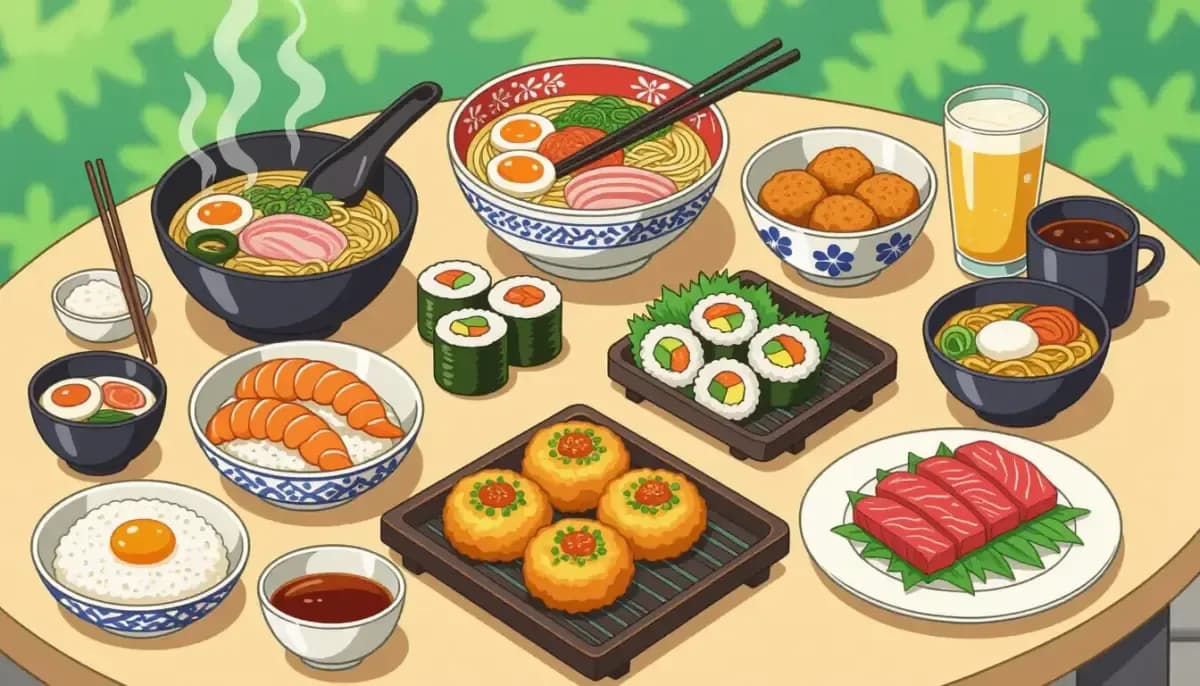
Discover the essential Japanese dishes every foreign resident should try — from ramen and sushi to takoyaki, izakaya staples, and surprising regional specialties across Japan.
Must Try Japanese Dishes for Every Foreign Resident
Moving to Japan opens the door to one of the world's most celebrated food cultures. From humble convenience store onigiri to meticulously crafted kaiseki multi-course meals, the variety, quality, and depth of Japanese cuisine is staggering. As a foreign resident, learning to navigate — and truly enjoy — the full range of Japanese dishes transforms daily life here into a genuine culinary adventure.
Japanese cuisine, known as washoku, holds UNESCO Intangible Cultural Heritage status. It is built on a philosophy of balance, seasonality, and respect for natural flavors. Traditional meals follow the "ichiju-sansai" structure — one soup and three side dishes — centered around rice. But beyond tradition, modern Japan offers an astonishing diversity of regional specialties, international fusions, and everyday comfort foods that every resident should explore.
This guide walks you through the must-try dishes that no foreign resident should miss, from iconic staples to regional treasures you'll discover on day trips across the country.

The Iconic Japanese Staples You'll Eat Weekly
These are the dishes that will become part of your daily routine as a resident — foods you'll find at supermarkets, convenience stores, family restaurants, and specialized shops within walking distance of almost anywhere in Japan.
Ramen
Ramen is Japan's most beloved comfort food, and no two bowls are exactly alike. The dish has four core components: the broth, the tare (seasoning concentrate), the noodles, and the toppings. Japan's four dominant ramen styles are:
- Shoyu (soy sauce): A clear, amber broth with a savory depth. Common in Tokyo.
- Shio (salt): The lightest and most delicate style, often with seafood or chicken broth.
- Miso: Rich and hearty, originating from Hokkaido. Perfect in cold weather.
- Tonkotsu: A creamy, milky pork bone broth from Fukuoka, intensely rich and savory.
Each region has its own spin on these base styles. As a resident, visiting specialized ramen shops (called "ramen-ya") is one of the great daily pleasures of living in Japan. Expect to spend ¥800–¥1,200 for a satisfying bowl.
Sushi and Sashimi
Sushi needs no introduction, but living in Japan means experiencing it at a completely different level than anywhere else. Sushi comes in several main forms:
- Nigiri: Hand-pressed rice topped with a slice of fish or seafood
- Maki: Seaweed-wrapped rice rolls with fillings
- Temaki: Hand-rolled cone-shaped sushi
- Chirashi: A bowl of seasoned rice topped with various fish
Sashimi is thinly sliced raw fish served without rice, letting the quality of the fish speak for itself. As a resident, you can enjoy high-quality sushi at kaiten-zushi (conveyor belt sushi) restaurants for ¥100–¥200 per plate, making it an accessible everyday meal.
Miso Soup (Miso Shiru)
Miso soup is the quiet cornerstone of Japanese daily eating. Made from fermented soybean paste (miso) dissolved in dashi stock, then filled with seasonal ingredients like tofu, wakame seaweed, green onions, or clams, miso soup accompanies almost every traditional Japanese meal. As a home cook, you can prepare a satisfying pot in under five minutes. Different regions favor different miso styles — white miso in Kyoto, darker red miso in Nagoya.
Tempura
Tempura involves seafood or vegetables lightly coated in a batter made from cold water and soft flour, then deep-fried to a delicate, crispy texture. Unlike heavy Western frying, tempura batter is almost translucent — the goal is crunch without greasiness. Common items include shrimp, squid, sweet potato, pumpkin, and shiso leaves. Tempura is served with a light dipping sauce (tentsuyu) made from dashi, soy sauce, and mirin, with grated daikon on the side.
Street Food and Casual Snacks Every Resident Loves
Japan's street food culture is vibrant and deeply regional. These foods are eaten standing at stalls, at festivals, or grabbed from convenience stores between errands.
Takoyaki
Originating from Osaka, takoyaki are round, golden dumplings made from wheat batter filled with minced octopus, pickled ginger, and green onion, cooked in a special molded pan. They're topped with takoyaki sauce, Japanese mayonnaise, dried bonito flakes (katsuobushi), and aonori (green seaweed). Hot, chewy inside and crispy outside, they're one of Japan's most beloved street foods. You can find them at festivals (matsuri), dedicated takoyaki shops, and even frozen at convenience stores. A serving of six to eight pieces typically costs ¥400–¥600.
Okonomiyaki
Okonomiyaki literally means "grilled as you like it" — a thick, savory pancake made from a batter of flour, grated nagaimo (mountain yam), dashi, eggs, shredded cabbage, and your choice of fillings like pork, shrimp, squid, or cheese. There are two main regional styles:
- Osaka-style: All ingredients are mixed together into the batter
- Hiroshima-style: Ingredients are layered — batter, then vegetables, then noodles, then meat — creating a taller, more structured pancake
Many restaurants let you cook your own okonomiyaki on a built-in griddle at your table, making it a fun and interactive dining experience.
Yakitori
Yakitori are bite-sized chicken pieces skewered on bamboo sticks and grilled over charcoal. Seasoned either with salt (shio) or a sweet-savory tare sauce, yakitori comes in many varieties — chicken thigh (momo), chicken skin (kawa), chicken breast (mune), chicken balls (tsukune), and even chicken liver (reba). Yakitori stalls and specialist restaurants (yakitori-ya) are ubiquitous in Japan, often found near train stations. They're the quintessential after-work snack enjoyed with a cold beer or highball.
Karaage
Japanese fried chicken (karaage) is marinated in soy sauce, ginger, and sake, then coated in potato starch and fried twice for an ultra-crispy exterior and juicy interior. Unlike Western fried chicken, karaage pieces are small and boneless, making them perfect finger food. You'll find karaage everywhere — at izakayas, bento shops, convenience stores, and supermarkets. It's one of the most universally loved foods in Japan across all age groups.

Rice and Noodle Dishes You'll Make at Home
As a foreign resident learning to cook, these dishes are approachable and use ingredients readily available at any Japanese supermarket. For a deeper guide to cooking Japanese food at home, see our article on how to cook Japanese food at home as a beginner.
| Dish | Base | Difficulty | Estimated Cost |
|---|---|---|---|
| Curry Rice (Kare Raisu) | Rice | Easy | ¥300–600 per serving |
| Oyakodon | Rice | Easy | ¥400–700 per serving |
| Nikujaga | Potato + Meat | Easy | ¥400–600 per serving |
| Udon | Thick wheat noodles | Very Easy | ¥300–600 per serving |
| Soba | Buckwheat noodles | Easy | ¥400–800 per serving |
| Yakisoba | Wheat noodles + sauce | Very Easy | ¥300–500 per serving |
| Ochazuke | Rice + tea | Very Easy | ¥100–300 per serving |
Curry Rice (Kare Raisu)
Japanese curry is nothing like Indian curry — it's milder, slightly sweet, and deeply comforting. Made using pre-packaged roux blocks (available at every supermarket), you simply cook meat and vegetables, add water, and stir in the roux. The result is a thick, glossy sauce served over steamed rice. Katsu curry — topped with a breaded and fried pork cutlet — is one of Japan's great guilty pleasures.
Oyakodon
The name means "parent and child bowl" — referring to the chicken (parent) and egg (child) that simmer together in a sweet-savory dashi and soy sauce broth, then served over rice. Oyakodon is fast, cheap, and enormously satisfying. It's a dish that captures the elegant simplicity of Japanese home cooking.
Udon and Soba
Udon are thick, chewy wheat noodles served in a clear dashi broth, either hot or cold. They're mild and filling, perfect year-round. Soba are thinner buckwheat noodles with an earthy, nutty flavor, especially wonderful served cold (zaru soba) in summer with a dipping sauce. Both noodles are deeply embedded in Japanese food culture and available at specialized restaurants and convenience stores alike. To better understand what to buy at the supermarket, visit our Japanese grocery shopping guide for foreigners.
Regional Specialties Worth Seeking Out
One of the great joys of living in Japan is that every prefecture has its own unique food culture, known as "meibutsu" (local delicacies). As a resident, day trips and holidays become opportunities for incredible regional culinary experiences.
Tonkotsu Ramen in Fukuoka
Hakata ramen from Fukuoka features a rich, milky pork bone broth with thin, straight noodles. The broth is cooked for hours until it turns creamy and white. Fukuoka's ramen stalls (yatai) along the Nakasu riverfront are one of Japan's iconic food experiences.
Hitsumabushi in Nagoya
Hitsumabushi is grilled eel (unagi) served in a wooden box over rice, eaten in three stages: first plain, then with condiments (wasabi, nori, green onion), and finally by pouring hot dashi broth over it to make a tea-rice (ochazuke) style dish. It's a masterclass in tasting one dish three different ways.
Okonomiyaki in Hiroshima and Osaka
As described above, both cities claim okonomiyaki, but the preparation styles are distinctly different. If you're in either city, eating the local version at a specialist shop is a cultural obligation for any food-loving resident.
Jingisukan in Hokkaido
Hokkaido's signature grilled lamb (jingisukan) is cooked on a convex iron grill resembling a Genghis Khan helmet (the dish's namesake). Accompanied by beer and fresh Hokkaido vegetables, it's a quintessential northern Japan experience — especially during Hokkaido summers.
Kaiseki in Kyoto
Kaiseki is Japan's highest form of culinary art — a multi-course meal that showcases seasonal ingredients, meticulous preparation, and beautiful presentation. A full kaiseki experience in Kyoto can cost ¥15,000–¥50,000 per person, but it's a profound cultural immersion worth experiencing at least once during your time in Japan.
Dining Experiences Every Foreign Resident Should Have
Beyond individual dishes, certain dining formats are uniquely Japanese and should be on every resident's list.
Izakaya Dining
Izakayas are Japanese gastropubs — casual, convivial restaurants where you order many small dishes to share over drinks. They're deeply embedded in Japanese social culture, especially as after-work gathering spots. Classic izakaya dishes include edamame, tofu salad, gyoza, yakitori, karaage, and sashimi. Learning to navigate an izakaya menu is one of the most rewarding social skills you can develop as a foreign resident. For a full guide, see our izakaya guide for foreigners.
Conveyor Belt Sushi (Kaiten Sushi)
Kaiten-zushi restaurants feature sushi plates traveling past on a conveyor belt. You pick plates as they pass, or order specific items from a touchscreen or paper order form. It's affordable (¥100–¥200 per plate), fun, and a great way to try many different sushi types in one sitting.
Japanese Convenience Store Food
Japan's convenience stores (konbini) — 7-Eleven, FamilyMart, Lawson — are legendary for their high-quality prepared foods. Onigiri (rice balls), hot nikuman (steamed pork buns), oden (simmered stew), sandwiches, fresh ramen, and an enormous variety of snacks are available 24 hours a day. For residents, the konbini is not a last resort — it's a legitimate daily food source. Our Japanese convenience store food guide covers everything you need to know.
Foods That May Surprise You
Natto (Fermented Soybeans)
Natto is made from fermented soybeans — sticky, pungent, and intensely flavored. It's a breakfast staple for many Japanese people, served over rice with soy sauce and mustard. The smell is strong and the texture is stringy and slimy, which can be off-putting at first. However, natto is extraordinarily nutritious and genuinely delicious once acquired. Give it at least three tries before deciding it's not for you.
Raw Egg (Tamago Gohan)
Tamago kake gohan (TKG) — raw egg stirred into hot steamed rice with soy sauce — is a beloved Japanese breakfast and late-night snack. Japanese eggs are held to extremely high safety standards, making raw consumption safe. The result is a creamy, rich, and comforting bowl that takes under 60 seconds to prepare.
Fugu (Pufferfish)
Fugu is one of Japan's most famous and infamous dishes. The fish contains a potent toxin (tetrodotoxin) in certain organs, meaning only licensed chefs who have undergone three or more years of specialized training are permitted to prepare it. Served as sashimi, in hot pot (fugu chirinabe), or fried (fugu karaage), it has a delicate, mild flavor. Trying fugu at a reputable restaurant is a genuine bucket-list experience for food adventurous residents.
Practical Tips for Exploring Japanese Food Culture
Start with what you know: Even familiar foods — pizza, burgers, pasta — have distinctly Japanese interpretations worth trying. Japanese McDonalds, for example, features seasonal limited items unavailable elsewhere in the world.
Use restaurant apps: HotPepper, Tabelog, and Google Maps make finding well-rated local restaurants straightforward. Tabelog scores (out of 5) are generally reliable.
Learn key dietary phrases: If you have food allergies or dietary restrictions (halal, vegetarian, vegan, gluten-free), learning the Japanese phrases for your needs is essential. Our halal food guide for Japan and vegetarian and vegan guide cover these topics in depth.
Visit specialty food floors: Japanese department stores (depato) have basement food halls (depachika) with extraordinary prepared foods, sweets, and specialty ingredients — a great place to explore on weekends.
Budget wisely: Home cooking in Japan is affordable at ¥15,000–¥25,000 per month for a single person. Eating out daily can run ¥60,000–¥100,000 monthly. The good news is that even mid-range restaurant meals in Japan are generally excellent value for the quality.
For comprehensive information about Japanese food culture and cooking, the Living in Nihon Japanese Food Culture Guide is an excellent resource for foreigners settling in Japan. For expat dining experiences and food tips, Expat.jp's Japanese Food Experiences Guide provides practical advice from fellow foreigners. For broader food travel inspiration across Japan's regions, Will Fly for Food's Japan Food Guide is a comprehensive reference. For work-life balance tips that complement your food adventures, For Work in Japan and Ittenshoku offer career resources to help you thrive as a foreign resident.
Building Your Japanese Food Journey
Japan's culinary world is so vast that even long-term residents continue discovering new dishes, restaurants, and regional specialties years into their stay. The key is to approach it with curiosity and openness — to try the unfamiliar, to eat where locals eat, and to explore beyond Tokyo's well-trodden tourist food trail.
Some milestones to aim for in your first year as a resident:
- Master ordering at a ramen shop solo
- Try natto at least three times
- Visit a depachika (department store basement food hall)
- Join colleagues at an izakaya and navigate the menu
- Cook your first Japanese dish at home from scratch
- Try a regional specialty on a day trip outside your city
- Experience a full kaiseki meal (save up for it — it's worth it)
Japanese food is not just sustenance — it's culture, art, community, and daily pleasure. As a foreign resident, learning to eat like a local is one of the most rewarding parts of life in Japan.
For more on the broader food and cooking landscape, visit our complete guide to Japanese food and cooking for foreigners. And if you're ready to start cooking Japanese food yourself, our grocery shopping guide will help you navigate Japanese supermarkets with confidence.

Originally from Vietnam, living in Japan for 16+ years. Graduated from Nagoya University, with 11 years of professional experience at Japanese and international companies. Sharing information about living in Japan for foreigners.
View Profile →Related Articles

Izakaya Guide How to Order and Enjoy Like a Local
Complete izakaya guide for foreigners in Japan: how to order food and drinks, understand etiquette, decode the menu, and enjoy Japan's iconic pub culture like a local.
Read more →
Halal Food Options and Restaurants in Japan
Find halal food restaurants, grocery stores, and tips for Muslim foreigners living in or visiting Japan. Covers Tokyo, Osaka, Kyoto, food labels, apps, and more.
Read more →
Japanese Convenience Store Food Complete Guide
Everything foreigners need to know about Japanese convenience store food (konbini): must-try items, chain comparisons, prices, tips for ordering, and budget meal planning.
Read more →
Best Meal Delivery Services Available in Japan
Complete guide to meal delivery services in Japan for expats and foreigners. Compare Uber Eats, Wolt, Demaecan, Menu, and meal kit options with English support, pricing, and tips.
Read more →
Essential Japanese Kitchen Equipment and Tools
Complete guide to Japanese kitchen equipment and tools for foreigners living in Japan. Covers rice cookers, santoku knives, donabe pots, where to buy, and how to build your kitchen step-by-step.
Read more →
Managing Food Allergies in Japan Communication Guide
Complete guide for foreigners managing food allergies in Japan. Learn essential Japanese phrases, how to read food labels, use allergy cards, and navigate restaurants safely as an expat.
Read more →