
Izakaya Guide How to Order and Enjoy Like a Local

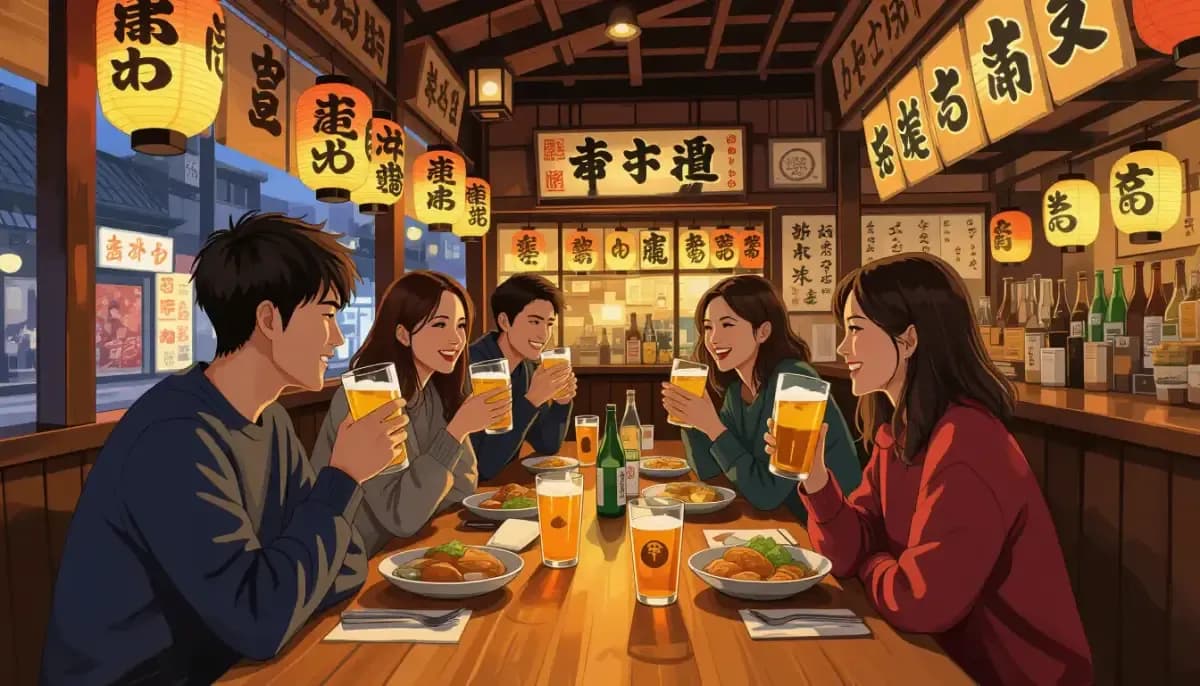
Complete izakaya guide for foreigners in Japan: how to order food and drinks, understand etiquette, decode the menu, and enjoy Japan's iconic pub culture like a local.
Izakaya Guide: How to Order and Enjoy Like a Local
Japan's izakaya culture is one of the most beloved yet misunderstood aspects of daily life in Japan. Whether you're a new expat, a long-term resident, or a first-time visitor, stepping into an izakaya for the first time can be overwhelming — the Japanese menus, the mystery dishes that appear without ordering, the unwritten social rules. But once you understand how izakayas work, they become your favorite way to unwind, socialize, and experience authentic Japanese culture.
This guide covers everything you need to know about izakayas: what they are, how to order, what to eat and drink, essential etiquette, useful phrases, and insider tips to help you feel completely at home.
For more on navigating daily life as a foreigner in Japan, see our Complete Guide to Daily Life in Japan and the Complete Guide to Japanese Culture and Etiquette.
What Is an Izakaya?
The word izakaya (居酒屋) literally means "stay sake shop" — a compound of i (stay/be), sake (alcohol), and ya (shop/establishment). Unlike a bar that focuses on drinks or a restaurant focused on formal dining, an izakaya blends both in a casual, convivial atmosphere designed for staying a while.
Izakaya date back to Japan's Edo period (1603–1867), when sake shops began allowing customers to sit and drink on the premises, gradually adding simple snacks called sakana. Today, approximately 1 in 5 restaurants in Japan is an izakaya, and the industry was worth around 450 billion yen in 2021, reflecting just how central these establishments are to Japanese social life.
Think of an izakaya as somewhere between a British pub, a Spanish tapas bar, and an American sports bar — but more food-focused, more communal, and distinctly Japanese. Groups of colleagues, friends, and families come here to eat, drink, laugh, and decompress after work or school. The atmosphere is typically loud, warm, and welcoming.
Types of Izakaya
Not all izakayas are the same. Understanding the different types helps you choose the right one for your occasion:
| Type | Description | Best For |
|---|---|---|
| Chain Izakaya (e.g., Watami, Torikizoku, Shirokiya) | Large, standardized menus; often have English options or picture menus | First-timers, groups, budget dining |
| Independent/Local Izakaya | Unique menus, personal atmosphere, often run by a single family | Authentic experience, adventurous eaters |
| Standing Bar (Tachi-nomi) | No seats — you stand and drink; very casual and cheap | Quick drinks after work, solo visits |
| Themed Izakaya | Ninja-themed, retro Showa-era decor, anime themes | Tourists, special occasions |
| Specialty Izakaya | Focus on one type of food: yakitori, seafood, regional cuisine | Food enthusiasts |
For first-timers, chain izakayas are the most foreigner-friendly — they often have picture menus, touch-panel ordering systems, and occasionally even English menus. However, only about 4.2% of izakayas in Japan have English menus, so being prepared helps enormously.
How to Enter and Get Seated
Arriving at an izakaya follows a familiar pattern:
- Approach the entrance — A staff member will greet you with "Irasshaimase!" (Welcome!)
- State your group size — Hold up fingers or say "__ mei desu" (e.g., ni-mei desu = 2 people)
- Choose your seating — You may be asked: "Zashiki to teeburu, dochira ga yoroshii desu ka?" (Tatami floor or table seating?) Zashiki (座敷) is traditional floor seating; comfortable for long evenings if you don't mind sitting cross-legged.
- State smoking preference — Ask for kinen seki (non-smoking) or kitsuen seki (smoking). Note: Despite Japan's 2020 indoor smoking ban, enforcement varies, so this matters.
- Look for private rooms — If you want privacy, ask: "Koshitsu wa arimasuka?" (Do you have a private room?)
Understanding the Otoshi (お通し) — The Mystery Dish
One of the most surprising moments for foreigners at an izakaya happens right after you sit down: a small dish arrives that you never ordered. This is the otoshi (お通し), also called tsukidashi in western Japan.
The otoshi is essentially a mandatory appetizer that also functions as a table charge or cover fee, typically costing ¥200–¥1,000 per person. It arrives automatically for every guest, regardless of whether you want it. Common otoshi include edamame, pickled vegetables, small portions of tofu, or seasonal snacks.
Many foreigners are confused or even annoyed by the otoshi at first — but it's a centuries-old tradition. Some modern chain izakayas now allow you to decline, but at most traditional spots, it's non-negotiable. Think of it like a restaurant's bread basket, but you pay for it.
Useful phrase: "Otoshidai wa ikura desu ka?" (How much is the otoshi?)
How to Order Food and Drinks
Ordering at an izakaya is flexible and casual — you don't need to order everything at once. Here's the typical flow:
Step 1: Order Drinks First The Japanese tradition is to order drinks immediately and begin the evening with a toast. Draft beer (nama biru) is the most common opener, but shochu highballs (chuhai), sake (nihonshu), or non-alcoholic options like oolong tea are all fine. Staff will often ask: "Orinomi wa?" (What would you like to drink?)
Step 2: Toast — Kanpai! Wait until everyone has their drinks, then raise your glass and say "Kanpai!" (乾杯 — cheers!). Eye contact is important. Hold your glass lower than elders or seniors in the group out of respect.
Step 3: Order Food Gradually Unlike Western restaurants where you order everything at once, izakaya dining is meant to be gradual and iterative. Order a few dishes, eat, drink, then order more. Food arrives as it's prepared — not necessarily in any particular order.
Step 4: Refill Drinks Mindfully It's polite to pour drinks for others rather than just yourself. If you see someone's glass getting low, offer to refill it. Turning down a refill is fine — simply leave your glass slightly full.
Calling the Staff: Say "Sumimasen!" (すみません — Excuse me!) to get a server's attention. Many modern izakayas have call buttons at the table or touch-panel ordering tablets that make this easier.
Must-Try Izakaya Dishes
The izakaya menu can be extensive and overwhelming. Start with these crowd-pleasing classics:
| Dish | Japanese | Description | Notes |
|---|---|---|---|
| Edamame | 枝豆 | Boiled salted green soybeans | Classic opener with beer |
| Karaage | 唐揚げ | Japanese fried chicken, crispy & juicy | Almost universally loved |
| Yakitori | 焼き鳥 | Grilled chicken skewers (with salt or tare sauce) | Order multiple types |
| Gyoza | 餃子 | Pan-fried dumplings | Order with ponzu or soy sauce |
| Agedashi Tofu | 揚げ出し豆腐 | Deep-fried tofu in dashi broth | Mild, comforting |
| Sashimi Moriawase | 刺身盛り合わせ | Assorted raw fish platter | Good way to sample sashimi |
| Tamagoyaki | 玉子焼き | Japanese rolled omelet | Sweet, fluffy, pairs well with sake |
| Nabe | 鍋 | Hot pot (seasonal, winter) | Communal and filling |
| Yakisoba/Ramen | 焼きそば/ラーメン | Fried noodles or ramen | Often ordered at end of meal |
| Motsuni/Motsunabe | もつ煮/もつ鍋 | Braised offal stew or hotpot | Adventurous but worth trying |
Pro tip: If you're unsure what to order, ask for the "osusume" (おすすめ — recommendation) or order a mixed platter (moriawase) for variety.
For more tips on navigating Japanese cuisine, see our Complete Guide to Japanese Food and Cooking.
Drinks Guide: What to Order
Izakaya menus feature a wide variety of alcoholic and non-alcoholic options:
Alcoholic:
- Draft Beer (生ビール / Nama Biru) — Asahi, Kirin, Sapporo, or Suntory. The standard opener.
- Shochu (焼酎) — Distilled spirit made from sweet potato, barley, or rice. Served on the rocks, with water, or as a soda mix.
- Nihonshu/Sake (日本酒) — Rice wine, served warm (atsukan) or cold (reishu). A wide spectrum from dry to sweet.
- Chuhai (チューハイ) — Shochu mixed with soda and fruit flavors. Very popular, light and refreshing.
- Highball (ハイボール) — Whisky (often Suntory) with soda water. Ubiquitous and easy to drink.
- Wine (ワイン) — Available at many izakayas, though quality varies.
Non-Alcoholic:
- Oolong tea (ウーロン茶), green tea (緑茶), soft drinks, zero-alcohol beer (zero biru)
Nomihōdai (飲み放題) — All-You-Can-Drink: Many izakayas offer nomihōdai plans for approximately ¥2,000–¥3,000 per person for 90–120 minutes with a limited but generous drink menu. This is excellent value for groups. Note: you must order food separately unless it's a nomi-tabehodai (all-you-can-drink-and-eat) plan.
Essential Izakaya Etiquette
Understanding the unwritten rules makes your izakaya experience much smoother:
DO:
- Wait for everyone's drinks before toasting (Kanpai!)
- Pour drinks for others, especially older guests
- Use serving chopsticks (toribashi) for shared dishes — or flip your own chopsticks to use the clean end
- Order gradually throughout the evening
- Say "Gochisōsama deshita" (ごちそうさまでした) when leaving — it means "thank you for the meal"
DON'T:
- Stick chopsticks upright in rice (associated with funerals)
- Pass food chopstick-to-chopstick (also a funeral custom)
- Pour your own drink before others (let others pour for you)
- Leave right after eating without ordering more drinks — izakayas are designed for lingering
- Be overly loud or disruptive even in the noisy atmosphere
For a deeper dive into Japanese social customs, see our Complete Guide to Japanese Culture and Etiquette.
Paying the Bill
When you're ready to leave, getting the bill is straightforward:
Say: "Okaikei onegai shimasu" (お会計お願いします — "The bill, please")
Or: "Okanjō onegai shimasu" (おかんじょうお願いします — same meaning, more formal)
Split Bills (割り勘 / Warikan): Japan's izakaya culture fully embraces splitting the bill equally — this is called warikan. Even if some people ate or drank more, equal splitting is the norm in group settings. The eldest or most senior person may insist on paying everything — politely decline once or twice before accepting graciously.
Things to Check:
- Confirm the otoshi charge is included correctly
- Look for service charges (some places add 10–15%)
- Consumption tax (消費税) of 10% is typically included in displayed prices
Budget Guide: How Much Does an Izakaya Cost?
| Category | Estimated Cost per Person |
|---|---|
| Budget izakaya (chains) | ¥1,500–¥3,000 |
| Mid-range izakaya | ¥3,000–¥5,000 |
| Premium/specialty izakaya | ¥5,000–¥10,000+ |
| Nomihōdai (2 hours) | ¥2,000–¥3,000 additional |
| Otoshi (table charge) | ¥200–¥1,000 per person |
For context on Japan's overall cost of living, see our Complete Guide to Cost of Living in Japan.
Useful Japanese Phrases for Izakaya
Here's a quick-reference guide to the most useful phrases:
| Situation | Japanese | Pronunciation |
|---|---|---|
| Getting attention | すみません | Sumimasen |
| Ordering a beer | ビールをください | Biiru wo kudasai |
| What's recommended? | おすすめは何ですか? | Osusume wa nan desu ka? |
| The bill, please | お会計お願いします | Okaikei onegai shimasu |
| Cheers! | 乾杯! | Kanpai! |
| Is there a private room? | 個室はありますか? | Koshitsu wa arimasuka? |
| Do you have English menus? | 英語メニューはありますか? | Eigo menyu wa arimasuka? |
| No smoking seat, please | 禁煙席をお願いします | Kinen seki wo onegai shimasu |
| Thank you for the meal | ごちそうさまでした | Gochisōsama deshita |
For more on learning Japanese, see our Complete Guide to Learning Japanese.
Finding the Best Izakayas
How to Find Good Izakayas:
- Tabelog (食べログ) — Japan's largest restaurant review site. Even without Japanese, the star ratings and photos are useful.
- Google Maps — Search "izakaya near me" — photos and reviews in English are increasingly common.
- Hot Pepper Gourmet — Japanese reservation site, useful for booking in advance.
- Ask locals — Your Japanese colleagues or neighbors will almost always know a great local spot.
Neighborhoods for Izakaya Hunting:
- Near train station west/east exit areas (Nishiguchi/Higashiguchi)
- Entertainment districts: Shinjuku, Shibuya, Nakameguro (Tokyo); Namba, Shinsaibashi (Osaka); Susukino (Sapporo)
- Near business districts for after-work spots
Chain Izakaya to Know:
- Torikizoku (鳥貴族) — All items ¥360, yakitori-focused, excellent value
- Watami (和民) — Large chain, picture menus, widely available
- Shirokiya (白木屋) — Popular chain, modern atmosphere
- Uotami (魚民) — Seafood-focused chain
Resources and Further Reading
Learning to navigate Japanese dining culture takes time. These resources can help you get started:
- Living in Nihon — A comprehensive guide to life in Japan for foreigners, including food and culture.
- For Work in Japan — Resources for working and living in Japan, including cultural tips that apply inside and outside the office.
- Ittenshoku — Information on job changes and living in Japan, including lifestyle and cultural guides.
- Tokyo Cheapo's Izakaya Guide — One of the best practical guides to izakaya for budget-conscious travelers and residents.
- Savor Japan's Expat Izakaya Guide — Detailed guide specifically for expats navigating izakaya culture.
- Japan National Tourism Organization — Izakaya Dining Guide — Official overview of izakaya dining in Japan.
Final Tips for First-Timers
Izakayas are one of the best ways to connect with Japan's culture and its people. Here's a final checklist:
- Go with a group — Izakayas are social spaces; they're better with company.
- Start with a beer and toast Kanpai — It's tradition and will immediately make you feel part of the group.
- Don't rush the otoshi — It's part of the experience.
- Order gradually and try unfamiliar dishes — The chef's recommendation (osusume) is usually excellent.
- Nomihōdai is great value — If you plan to drink for a few hours, the all-you-can-drink plan almost always pays off.
- Learn 5 phrases — Sumimasen, Kanpai, biiru hitotsu kudasai, okaikei onegai shimasu, gochisōsama deshita — these will take you far.
- Relax and enjoy the atmosphere — Izakayas are warm, loud, and welcoming. Mistakes are forgiven and curiosity is rewarded.
The izakaya is where Japan's hardworking culture meets its need to relax and connect. Once you find your local spot, it becomes more than just a restaurant — it becomes a second home.
Related: Making Friends and Social Life in Japan | Japanese Festivals and Traditions Guide

Originally from Vietnam, living in Japan for 16+ years. Graduated from Nagoya University, with 11 years of professional experience at Japanese and international companies. Sharing information about living in Japan for foreigners.
View Profile →Related Articles
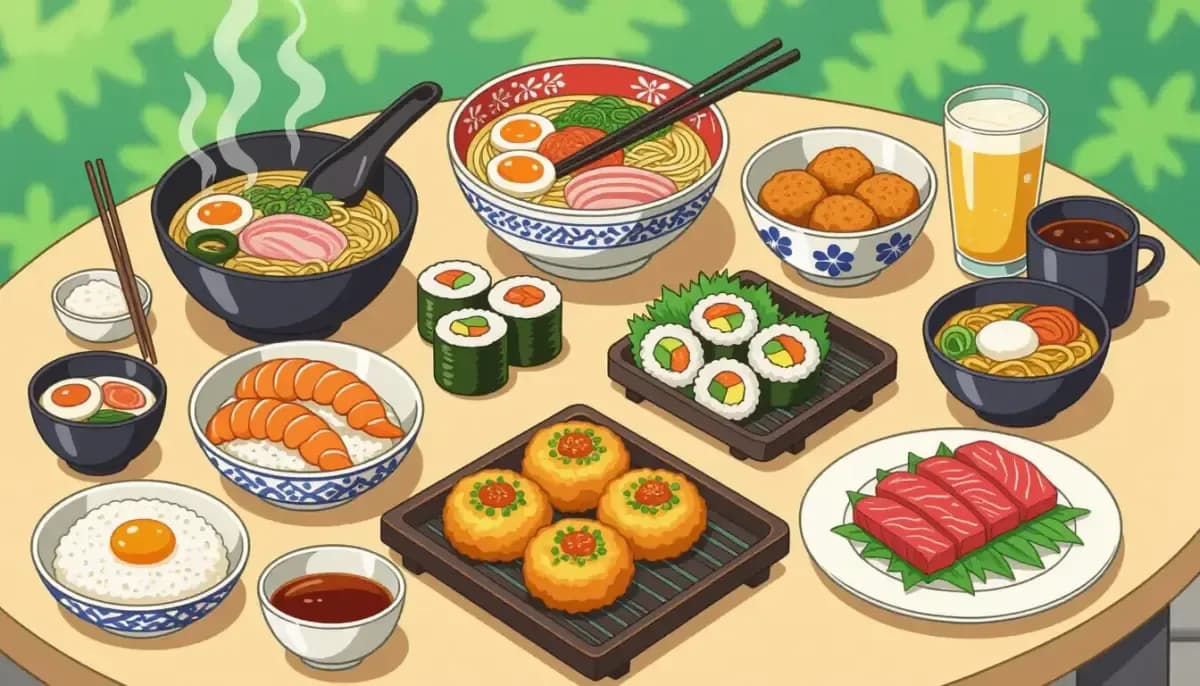
Must Try Japanese Dishes for Every Foreign Resident
Discover the essential Japanese dishes every foreign resident should try — from ramen and sushi to takoyaki, izakaya staples, and surprising regional specialties across Japan.
Read more →
Halal Food Options and Restaurants in Japan
Find halal food restaurants, grocery stores, and tips for Muslim foreigners living in or visiting Japan. Covers Tokyo, Osaka, Kyoto, food labels, apps, and more.
Read more →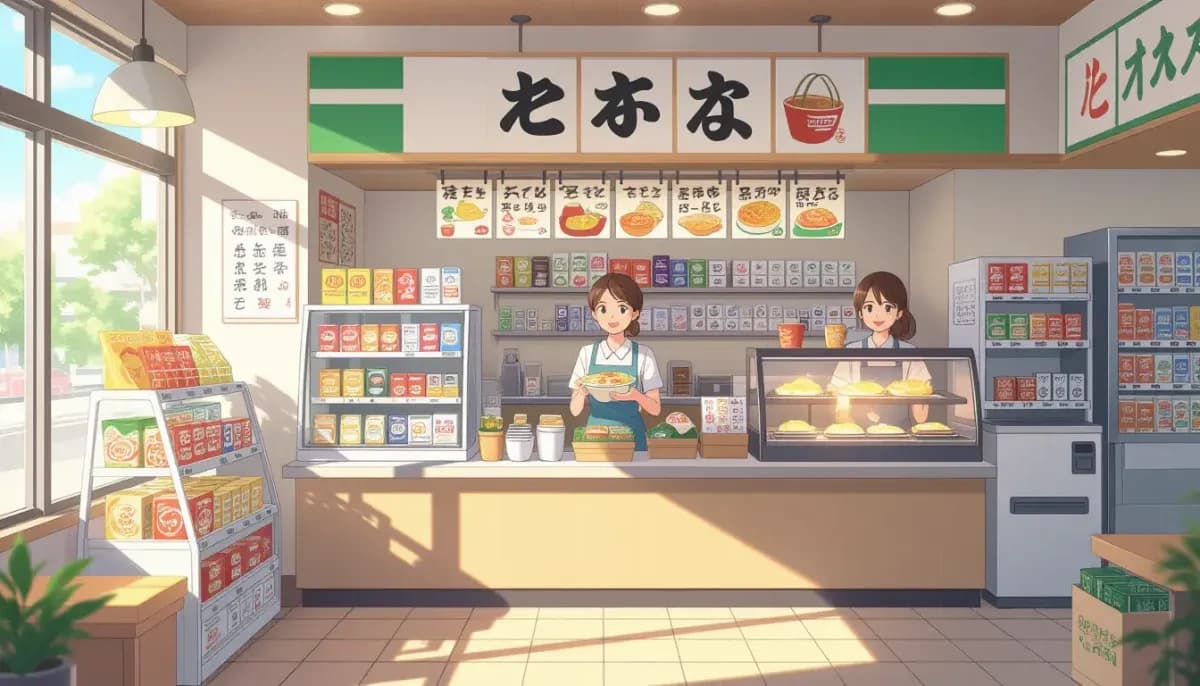
Japanese Convenience Store Food Complete Guide
Everything foreigners need to know about Japanese convenience store food (konbini): must-try items, chain comparisons, prices, tips for ordering, and budget meal planning.
Read more →
Best Meal Delivery Services Available in Japan
Complete guide to meal delivery services in Japan for expats and foreigners. Compare Uber Eats, Wolt, Demaecan, Menu, and meal kit options with English support, pricing, and tips.
Read more →
Essential Japanese Kitchen Equipment and Tools
Complete guide to Japanese kitchen equipment and tools for foreigners living in Japan. Covers rice cookers, santoku knives, donabe pots, where to buy, and how to build your kitchen step-by-step.
Read more →
Managing Food Allergies in Japan Communication Guide
Complete guide for foreigners managing food allergies in Japan. Learn essential Japanese phrases, how to read food labels, use allergy cards, and navigate restaurants safely as an expat.
Read more →