
Furniture Shopping in Japan on a Budget Guide

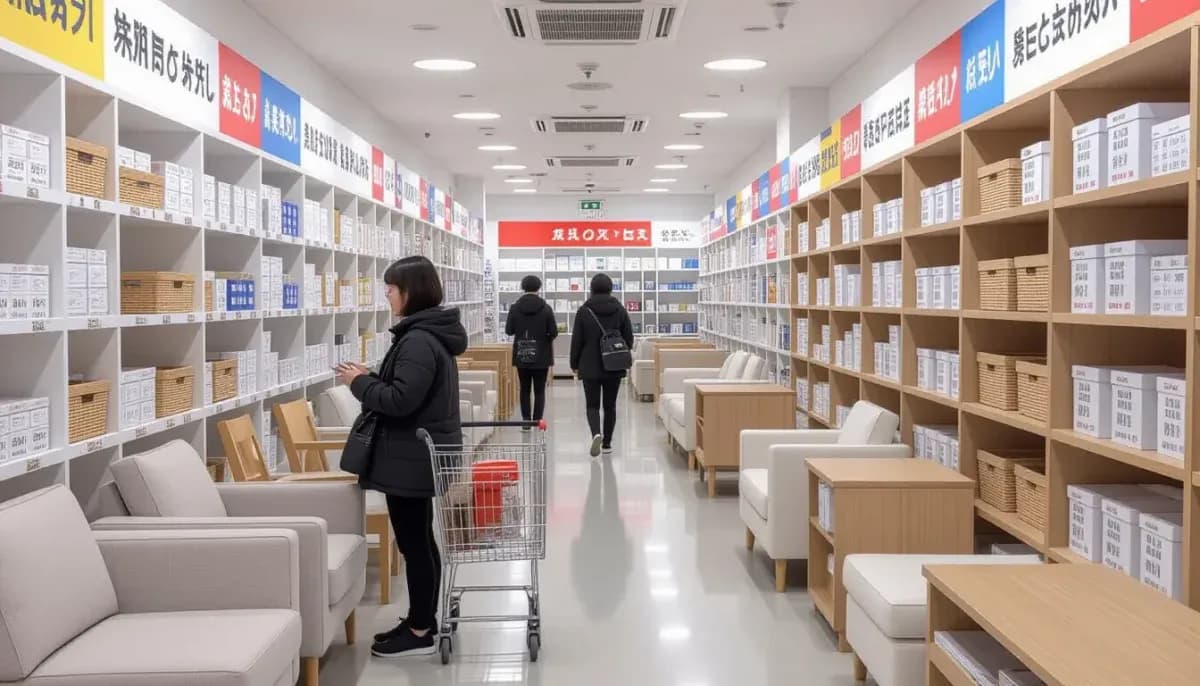
Complete guide to furniture shopping in Japan on a budget for foreigners. Discover Nitori, IKEA, recycle shops, 100-yen stores, sayonara sales, and tips to furnish your Japanese apartment affordably.
Furniture Shopping in Japan on a Budget: The Complete Foreigner's Guide
Moving to Japan is exciting, but one of the first challenges you'll face is furnishing your new home—often from scratch. Unlike many Western countries, Japanese apartments are typically rented unfurnished, which means you'll need to budget carefully and shop smartly. The good news is that Japan has an excellent range of affordable furniture options, from budget retail chains to thriving secondhand markets. This guide walks you through everything you need to know about furniture shopping in Japan on a budget as a foreigner.
!Affordable furniture store in Japan with compact modern furniture displays

How Much Does It Cost to Furnish an Apartment in Japan?
Before diving into where to shop, it's important to have realistic expectations about costs. Furnishing a basic 1LDK (one room + living/dining/kitchen) apartment from scratch typically costs between ¥250,000 and ¥400,000. For a larger 2LDK with quality items, expect to spend ¥500,000 or more.
Here's a rough breakdown of essential furniture costs:
| Item | Budget Option | Mid-Range | Notes |
|---|---|---|---|
| Bed/Futon set | ¥3,990–¥15,000 | ¥20,000–¥50,000 | Nitori futon sets start at ¥3,990 |
| Sofa | ¥10,000–¥30,000 | ¥40,000–¥80,000 | Recycle shops often have great deals |
| Dining table + chairs | ¥8,000–¥20,000 | ¥30,000–¥60,000 | Flat-pack options at IKEA/Nitori |
| Washing machine (used) | ¥10,000–¥20,000 | ¥30,000–¥50,000 | Recycle shops half price of new |
| Refrigerator (used) | ¥15,000–¥30,000 | ¥40,000–¥80,000 | Essential—not included in most rentals |
| Storage/shelving | ¥2,000–¥10,000 | ¥15,000–¥30,000 | 100-yen shops excel here |
| Curtains | ¥1,500–¥5,000 | ¥8,000–¥20,000 | Nitori has affordable options |
| Kitchen essentials | ¥3,000–¥8,000 | ¥15,000–¥30,000 | 100-yen shops are excellent |
Pro tip: Apply the 80/20 rule—spend money on 20% of key items (like your bed and sofa) and go budget-friendly on the remaining 80%.
For more context on living costs in Japan, see our Complete Guide to Cost of Living in Japan.
Best Budget Furniture Stores in Japan
1. Nitori — Japan's Answer to IKEA
Nitori is the undisputed king of budget furniture in Japan. With over 1,000 stores across Japan, it's accessible no matter where you live. Often called "the IKEA of Japan," Nitori is actually tailored specifically for Japanese apartment sizes, making it ideal for foreigners who find that Western furniture doesn't fit through narrow doorways or stairwells.
What makes Nitori great for foreigners:
- Furniture designed for compact Japanese apartments
- Delivery charges from ¥550 to ¥2,200 (free over ¥11,000 for many items)
- Paid assembly available at about ¥2,750 per item
- Some stores offer free truck rental for up to 90 minutes
- Japanese essentials like kotatsu (heated tables), futons, and electric carpets are widely available
Nitori's futon 3-piece sets start at just ¥3,990, making it one of the most affordable ways to get sleeping essentials sorted on day one.
2. IKEA Japan
IKEA needs no introduction. Their flat-pack furniture is globally recognized for being affordable, stylish, and practical. In Japan, IKEA has expanded significantly and now offers online shopping with nationwide delivery.
Key IKEA Japan locations:
- Tokyo: Shinjuku, Harajuku, Tachikawa
- Major cities: Osaka, Nagoya, Fukuoka, and more
IKEA Japan tips:
- Large-item delivery starts from approximately ¥4,500
- Measure your rooms AND doorways before buying—IKEA items can be large for Japanese apartments
- Online ordering is available and convenient for those without a car
- Swedish food section = bonus treat while shopping
3. Muji (無印良品)
Muji offers minimalist, practical furniture at reasonable mid-range prices. While not the cheapest option, Muji's quality is excellent and the aesthetic fits well with Japanese interiors. Muji is great for:
- Storage solutions and shelving
- Kitchen goods and accessories
- Bedding and home textiles
- Lighting and small furniture
Muji offers free shipping on larger orders and has stores in virtually every major city.
4. Don Quijote (ドン・キホーテ)
Don Quijote, affectionately called Donki, is Japan's famous discount variety store. Larger Donki locations carry a surprising range of home goods:
- Futons and bedding at low prices
- Kitchen appliances and cookware
- Small furniture and storage
- Seasonal items and random discounts
Donki is perfect for late-night shopping needs (many are open 24 hours) and often has clearance items at excellent prices.
For a comprehensive list of furniture stores, see Tokyo Weekender's guide to affordable furniture in Japan.
!Secondhand furniture and appliances at a recycle shop in Japan

Secondhand Shopping: The Budget Foreigner's Best Friend
Japan's secondhand market is one of the best in the world. Japanese people tend to maintain their belongings exceptionally well, meaning used items from recycle shops are often in near-new condition.
Recycle Shops (リサイクルショップ)
Recycle shops are physical second-hand stores found in virtually every neighborhood. Major chains include:
- Hard Off / Off House — Electronics, furniture, appliances
- Book Off / Hobby Off — Books, games, clothes, small items
- Second Street — General secondhand goods
Why recycle shops are worth it:
- A used washing machine costs around ¥10,000 (vs. ¥20,000+ new)
- Refrigerators, microwaves, and TVs at 30–50% of retail price
- Delivery typically starts at just ¥1,500 for multiple items
- Staff can often communicate basic English at larger chains
Look for the リサイクル (recycle) signs on store fronts, or search Google Maps for "recycle shop" in your area.
Online Secondhand Platforms
Japan has excellent apps and websites for buying used furniture:
| Platform | Best For | Language |
|---|---|---|
| Mercari (メルカリ) | General secondhand goods, furniture | Japanese/English app |
| Rakuma | Similar to Mercari | Japanese |
| Junk Mail | Larger furniture | Japanese |
| GaijinPot Classifieds | English-speaking sellers | English |
| Craigslist Japan | Expat community sales | English |
| Facebook Marketplace | Local deals | English/Japanese |
Sayonara Sales — Hidden Treasure for Expats
One of the best-kept secrets for budget furniture shopping in Japan is sayonara sales. When expats leave Japan, they often sell their furniture and household items at very low prices rather than paying to ship everything home.
GaijinPot also maintains a classifieds section for furniture deals—see their guide to finding furniture for your Japanese apartment for more ideas.
Search on Facebook for:
- "Tokyo Sayonara Sales" (and city-specific versions like Osaka, Nagoya, etc.)
- "Japan Expat Furniture Sale"
You can often furnish an entire apartment for a fraction of retail cost through these community sales. Items are usually in excellent condition and sometimes even given away for free.
For more shopping tips in Japan, check out our Complete Guide to Shopping in Japan for Foreigners.
100-Yen Shops: Small Budget, Big Impact
Never underestimate Japan's 100-yen shops. Daiso, Seria, and Can Do sell items for ¥110 (tax included), and their home goods selection is remarkable:
- Kitchen utensils, cutlery, and dishware
- Storage boxes and organizers
- Cleaning supplies and tools
- Picture hooks, adhesive strips, and wall décor
- Plant pots and small garden items
- Seasonal and specialty items
Larger Daiso stores in particular carry an incredible range of organizational storage solutions that work perfectly for compact Japanese apartments. Some Daiso stores even carry furniture-adjacent items like folding shelves and small storage units.
When to Shop: Japan's Furniture Sale Seasons
Timing your furniture shopping can save you significant money in Japan.
Best times to buy:
- March–April (Spring): The biggest sale season coincides with Japan's school and fiscal year start. Many people move during this period, and stores run major clearances. This is also when sayonara sales are most abundant.
- September–October (Autumn): Secondary moving season with good deals.
- End of fiscal quarter: Stores often discount to clear inventory.
- Year-end sales (December): Good discounts on larger items.
Avoid:
- Peak moving season (late February/early March) for delivery slots, as waiting times can be long
- Summer months tend to have fewer sales and less inventory turnover
For more advice on setting up your new life in Japan, read our Complete Guide to Moving to Japan as a Foreigner.
Important Tips Before You Buy
1. Measure Everything — Twice
Japanese apartments are compact. Before buying any furniture, carefully measure:
- Room dimensions
- Doorway widths (critical for sofas, beds, and wardrobes)
- Stairway width if you're above the ground floor
- Window sizes for curtains
Many moving mishaps involve furniture that physically cannot fit through the front door or up a narrow staircase.
2. Understand Delivery and Assembly
Most stores charge separately for delivery and assembly:
- Nitori: Delivery ¥550–¥2,200; Assembly ~¥2,750/item
- IKEA: Large-item delivery from ~¥4,500
- Recycle shops: Often ¥1,500–¥3,000 for delivery
If you don't have tools or are buying heavy items, paying for assembly is usually worth it.
3. Know Return Policies
An important note for foreign shoppers: Japan's consumer law does not legally require stores to accept returns or exchanges. Return policies vary significantly by store. Always:
- Keep your receipt
- Check the store's return policy before purchasing
- Test items if possible before leaving the store
For more on consumer rights in Japan, see the Shopping and Consumer Guide at Living in Nihon.
4. Furniture Rental Is an Option
If you're staying short-term (under 12–18 months), consider furniture rental (レンタル). Leasing companies offer furnished packages for foreigners including:
- English-speaking service
- Furniture and appliances suited for Western lifestyles
- Delivery, setup, and collection included
This avoids the upfront cost and hassle of disposal when you leave. For comprehensive housing setup advice, see the Housing and Living Infrastructure Guide at For Work in Japan.
5. Disposing of Old Furniture
Japan has strict rules about disposing of large items (粗大ごみ/sodaigomi). You cannot simply leave furniture on the street. Large items require:
- Purchasing disposal stickers from a convenience store (prices set by your municipality)
- Scheduling a pickup with your local city hall
- Some items like TVs, ACs, and fridges require special disposal through licensed recyclers
If you're replacing old furniture, consider selling it on Mercari or at a recycle shop instead.
Recommended Shopping Strategy for New Arrivals
Here's a practical order of operations for furnishing your Japanese apartment on a budget:
- Day 1: Buy essentials at Nitori or a recycle shop (bedding, basic kitchenware)
- Week 1: Source appliances at recycle shops (washing machine, fridge, microwave)
- Week 2–3: Stock up on small items at 100-yen shops (Daiso, Seria)
- Month 1: Monitor Mercari, Facebook sayonara sales for furniture deals
- Ongoing: Visit Nitori/IKEA for quality pieces as budget allows
For further help setting up your daily life in Japan, visit the IT転職 (Ittenshoku) guide for foreigners in Japan and explore our Complete Guide to Daily Life in Japan for Foreigners.
Final Thoughts
Furnishing an apartment in Japan on a budget is very achievable if you know where to look. Combining Nitori for essentials, recycle shops for appliances, 100-yen stores for the small stuff, and sayonara sales for hidden gems can get you set up comfortably without breaking the bank. The key is to shop smart: measure carefully, time your purchases around sale seasons, and tap into the expat community network.
Happy furniture hunting—and welcome to your new Japanese home!
For related guides, explore:

Originally from Vietnam, living in Japan for 16+ years. Graduated from Nagoya University, with 11 years of professional experience at Japanese and international companies. Sharing information about living in Japan for foreigners.
View Profile →Related Articles
Japanese Drug Stores Best Products and Tips
Discover the best Japanese drug store products, top chains like Matsumoto Kiyoshi and Welcia, must-buy skincare and health items, and essential shopping tips for foreigners and expats in Japan.
Read more →
Rakuten Shopping Guide for Foreign Residents in Japan
Complete Rakuten Ichiba guide for foreigners in Japan: how to register, use Rakuten Points, maximize SPU multipliers, navigate sale events, and save money on every purchase.
Read more →
Tax Free Shopping in Japan How It Works for Residents
Complete guide to tax-free shopping in Japan. Learn who qualifies (tourists vs. residents), minimum purchase rules, the 2026 system changes, and how foreign residents can save money without tax-free eligibility.
Read more →
Buying Home Appliances in Japan Guide for Foreigners
Everything foreigners need to know about buying home appliances in Japan. Learn where to shop, how much to budget, voltage differences, used vs new options, and disposal rules.
Read more →
Best Outlet Malls and Discount Stores in Japan
Complete guide to Japan's best outlet malls (Gotemba, Kisarazu, Rinku) and discount stores (Donki, Daiso) for foreigners. Tax-free tips, sale seasons, and practical advice for expats and tourists.
Read more →
Japanese Department Stores Complete Shopping Guide
Complete guide to Japanese department stores (depato) for foreigners: tax-free shopping, floor layouts, depachika food halls, major chains like Isetan and Mitsukoshi, and essential tips for expats.
Read more →