
Tech Shopping in Japan Akihabara and Electronics Districts

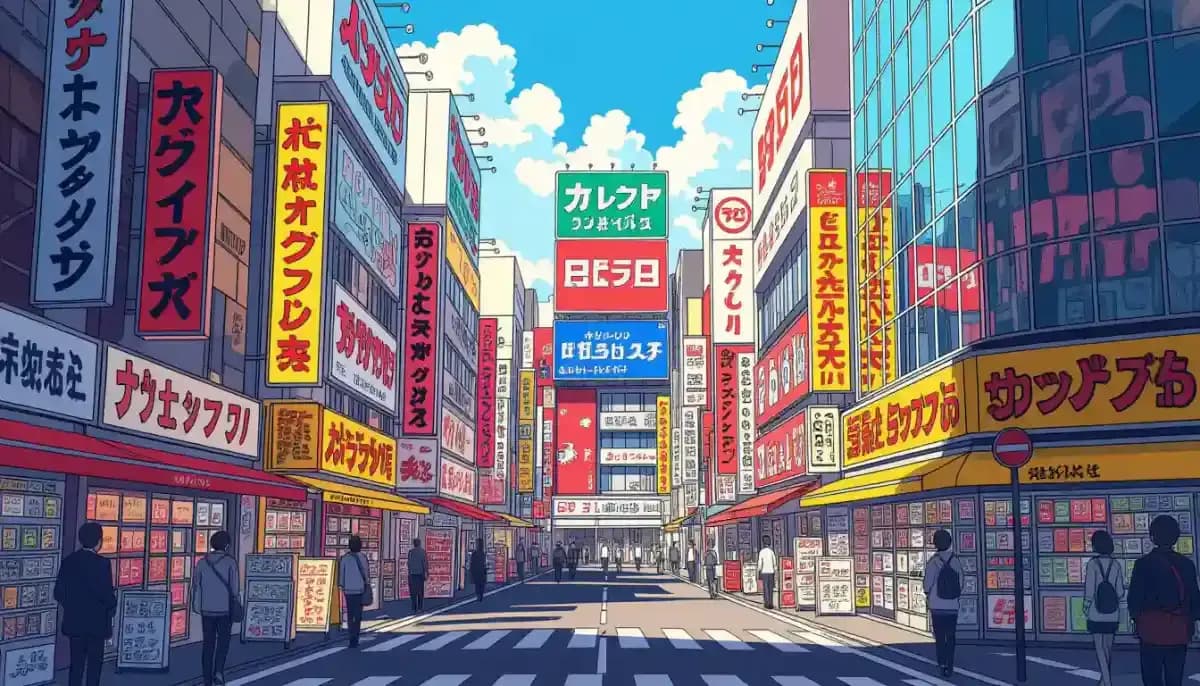
Complete guide to tech shopping in Japan's Akihabara and electronics districts. Learn tax-free shopping tips, store recommendations, voltage compatibility, and smart buying strategies for foreigners.
Tech Shopping in Japan: The Ultimate Akihabara and Electronics Districts Guide
Japan is a paradise for tech enthusiasts. From the neon-lit corridors of Akihabara to the sprawling multi-floor electronics superstores of Osaka's Den Den Town, nowhere else on earth offers such an extraordinary concentration of cutting-edge gadgets, retro hardware, and specialty electronics. Whether you're a visitor on a short trip or a foreigner living in Japan, understanding how to navigate these iconic electronics districts will save you money and help you find items unavailable anywhere else.
This guide covers everything you need to know about tech shopping in Japan—from the best stores in Akihabara to tax-free shopping strategies, voltage compatibility tips, and insider advice for getting the best deals.
Akihabara: Tokyo's Electric Town
Akihabara (秋葉原), nicknamed "Akiba" by locals, is the most famous electronics district in the world. Located just minutes from central Tokyo by train, this iconic neighborhood has a fascinating history dating back to post-WWII Japan, when it emerged as a black market for electrical components. By the 1950s, Akihabara had transformed into a legitimate hub for household appliances, earning the enduring nickname "Electric Town" (電気街, Denki-gai).
Today, Akihabara is a sensory overload of flashing signs, towering electronics stores, anime merchandise shops, maid cafés, and specialty retailers. According to an NHK survey, visitors come for a variety of reasons: 10% to buy electronics, 25% to purchase computers, 30% to pursue otaku hobbies, and 35% to sightsee. But for tech shoppers, it remains the ultimate destination.
How to Get to Akihabara
Akihabara is easily accessible by rail:
- JR Yamanote Line / JR Chuo-Sobu Line: Exit at Akihabara Station (Electric Town exit)
- Tokyo Metro Hibiya Line: Exit at Akihabara Station (Exit 3)
- From central Tokyo, it's approximately 5-10 minutes from Tokyo Station
The main shopping district is concentrated around Chuo Dori (Central Avenue) and the surrounding side streets. On Sundays, Chuo Dori is closed to car traffic from 13:00 to 18:00, creating a lively pedestrian shopping festival atmosphere—perfect for leisurely browsing.
Top Electronics Stores in Akihabara
Knowing which stores to visit will make your shopping trip much more efficient. Here's a breakdown of the must-visit electronics retailers:
| Store | Floors | Best For | Tax-Free | Language Support |
|---|---|---|---|---|
| Yodobashi Camera Multimedia Akiba | 9 floors | Everything - cameras, PCs, appliances | ✅ Yes | English, Chinese, Korean |
| BicCamera AKIBA | 7 floors | Gaming, PCs, home electronics | ✅ Yes | English |
| LAOX Akihabara Main Store | 4 floors | Overseas-compatible electronics | ✅ Yes (all items) | English, Chinese |
| Sofmap AKIBA | Multiple branches | Secondhand & refurbished electronics | ✅ Yes | Limited |
| Dospara Akihabara | 5 floors | PC parts, gaming hardware | ✅ Yes | Limited |
| Janpara Akihabara | 3 floors | Used smartphones, PCs | ✅ Yes | Limited |
| Radio Kaikan | 10 floors | Electronics + anime + collectibles | Varies | Limited |
Yodobashi Camera Multimedia Akiba
The crown jewel of Akihabara shopping, Yodobashi Akiba is a 9-story retail megastore directly connected to Akihabara Station. This is genuinely one of the most impressive electronics stores in the world. Each floor has dedicated multilingual staff, making it foreigner-friendly for first-time visitors. The product selection is staggering—from the latest mirrorless cameras on floor 3 to smart home appliances on floor 5.
Key features:
- Product demonstration areas where you can actually try items before purchasing
- Multilingual staff (English, Chinese, Korean) stationed on every floor
- Comprehensive tax-free shopping desk with streamlined process
- Yodobashi Point card program offering 10%+ points on most purchases
- Uniqlo clothing store and restaurant options on upper floors
BicCamera AKIBA
Spread across 7 floors, BicCamera AKIBA is Yodobashi's main competitor and equally impressive. The second floor features an extensive gaming zone with gaming PCs, custom parts, peripherals, and RGB lighting accessories. BicCamera frequently runs competitive pricing promotions and often matches or beats competitor prices if you show them a cheaper quote.
LAOX Akihabara Main Store
For foreigners concerned about voltage and compatibility issues, LAOX is the most important store to know. Located right on Chuo-dori facing Akihabara Station, all products at LAOX are designed for overseas use with international voltage compatibility. Staff speak multiple languages including English and Chinese, and the entire store operates as a tax-free shop.
Sofmap, Janpara & Used Electronics
One of Akihabara's best-kept secrets is its thriving secondhand electronics market. Sofmap AKIBA sells refurbished computers, smartphones, cameras, and accessories at significant discounts while still offering tax-free purchasing. Janpara is another excellent option for used smartphones and computer equipment. The quality is generally excellent—Japanese consumers take meticulous care of their electronics.
Tax-Free Shopping in Japan: Everything You Need to Know
Tax-free shopping is one of the biggest advantages for foreign visitors buying electronics in Japan. Japan's consumption tax is 10% (reduced rate of 8% applies to food), and eligible foreign visitors can avoid paying this entirely.
Who Qualifies for Tax-Free Shopping?
You qualify for tax-free electronics shopping if:
- You are a foreign national visiting Japan
- Your stay in Japan is less than 6 months
- You present your valid passport at checkout
Japanese residents (including foreigners on long-term visas) generally do not qualify for tourist tax exemptions.
How Tax-Free Shopping Works
The current system at major electronics stores like Yodobashi Camera and BicCamera works as follows:
- Select your item and bring it to the register
- Present your passport to the cashier
- The tax is deducted directly from the purchase price at the point of sale
- Sign the required paperwork (usually attached to your passport)
- You must take the item out of Japan—customs checks passports upon departure
Important: The minimum purchase threshold is usually ¥5,000 (excluding tax) per store visit.
The combined purchase limit is ¥500,000 (excluding tax) when combining electronics ("general goods") and consumables in a single transaction.
⚠️ Major Change Coming in November 2026: Japan's tax-free shopping system is being overhauled. Starting November 2026, the system will shift from point-of-sale exemption to airport refund processing. This means you'll pay the full price including tax and receive your refund at the airport when departing Japan. Plan your shopping trips accordingly if visiting around this transition period.
For more information on shopping rights and consumer protections in Japan, see the comprehensive guide at Living in Nihon's Shopping Consumer Guide.
Voltage and Compatibility: Critical Information for Foreigners
This is perhaps the most important practical consideration when buying Japanese electronics. Japan uses 100V/50-60Hz power, which differs from most other countries:
| Country/Region | Voltage | Compatibility with Japan Electronics |
|---|---|---|
| Japan | 100V | ✅ Native |
| USA / Canada | 120V | ⚠️ Close—many dual-voltage devices work |
| Europe / Australia | 220-240V | ❌ Incompatible without voltage converter |
| China | 220V | ❌ Incompatible without voltage converter |
| Korea | 220V | ❌ Incompatible without voltage converter |
What to Check Before Buying
Always look for the voltage specification label on the device or in its manual:
- "100-240V": Dual-voltage, works worldwide ✅
- "100V only": Japan-specific, needs voltage converter elsewhere
- "AC 100-120V": Works in Japan and North America only
Laptops, phone chargers, and most cameras are typically dual-voltage and safe to bring home. Large appliances (rice cookers, hair dryers, kitchen equipment) are often 100V only.
Solution: Visit LAOX or Akky International (another Akihabara specialist) for guaranteed overseas-compatible models. Ask staff specifically for "海外仕様" (kaigai shiyō = overseas specification) products.
Beyond Akihabara: Other Major Electronics Districts in Japan
Akihabara is the most famous, but Japan has several other exceptional electronics shopping destinations worth knowing about.
Den Den Town, Osaka (日本橋)
Located in Nipponbashi, Osaka's electronics district is sometimes called the "Akihabara of Osaka" or Den Den Town (でんでんタウン). Stretching along Sakaisuji Avenue, it features:
- Major retailers: Yodobashi Camera, Bic Camera, Joshin
- Extensive used and retro electronics shops
- Strong anime and manga merchandise scene
- Generally slightly cheaper prices than Tokyo equivalents
- More relaxed atmosphere with fewer tourists
Nipponbashi, Osaka is ideal if you're already visiting Osaka and prefer a less crowded shopping experience.
Osu Kannon, Nagoya
Nagoya's Osu shopping district has a thriving secondhand electronics scene mixed with vintage clothing, records, and curiosities. While smaller than Akihabara or Den Den Town, it's excellent for hunting used computers, retro gaming hardware, and specialty electronics components.
Yodobashi Camera & BicCamera Nationwide
For convenience shopping without the "district experience," both Yodobashi Camera and BicCamera operate flagship stores near major train stations across Japan:
- Yodobashi Camera Umeda (Osaka) — directly connected to Osaka Station
- BicCamera Shibuya (Tokyo) — in the heart of Shibuya
- Yodobashi Camera Hakata (Fukuoka) — at Hakata Station
- BicCamera Sapporo — at Sapporo Station
These mega-stores offer the same product range and tax-free shopping as Akihabara but are often more conveniently located.
Smart Shopping Strategies for Foreigners
Compare Prices Before You Buy
Japanese electronics prices are generally competitive but not always the cheapest globally. Use these strategies:
- Check Kakaku.com (価格.com) — Japan's largest price comparison website. Even browsing it on your phone while in-store lets you know if you're getting a fair deal.
- Ask about price matching — BicCamera and Yodobashi Camera will often match competitor prices if you show them a lower price from a rival store.
- Check duty-free + point rewards — Combining tax exemption (10%) with loyalty points (8-10%) can mean 18-20% savings compared to full retail price.
Point Card Systems
Both Yodobashi Camera and BicCamera operate popular loyalty point systems:
- Yodobashi Camera Goldpoint Card: Earn 10% points on electronics (20% on some categories)
- BicCamera/Joshin Points: Earn 10% on most items, redeemable immediately on subsequent purchases
Even as a tourist, registering for these cards is worthwhile if you plan multiple purchases.
Best Times to Shop in Akihabara
- Weekday mornings: Least crowded, most attentive staff service
- After 5 PM on weekdays: Good for browsing without crowds
- Sunday pedestrian zone (13:00-18:00): Fun atmosphere but busier; popular items may sell out
- Avoid: Holiday weekends and Golden Week (late April to early May) — extremely crowded
Payment Methods
| Payment Type | Accepted Where | Notes |
|---|---|---|
| Cash (Yen) | Everywhere | Always carry some cash for small shops |
| Visa / Mastercard | Major stores | Widely accepted at Yodobashi, BicCamera, LAOX |
| JCB | Major stores | Japanese card, widely accepted locally |
| Alipay / WeChat Pay | Major stores | Popular option for Chinese visitors |
| Suica / IC Cards | Limited | Some large stores |
| PayPay / LINE Pay | Increasing | Growing acceptance, especially useful app |
What's Worth Buying in Japan's Electronics Districts
Not everything is a bargain in Japan—here's a practical guide to what genuinely offers value:
Best Value Purchases:
- Digital cameras and lenses — Japan often has the best prices globally on Sony, Canon, and Nikon products, especially at tax-free rates
- Used electronics — Japanese secondhand quality is exceptional; Sofmap and Janpara are trustworthy
- Japan-exclusive products — Items not sold overseas (certain NEC laptops, Sharp AQUOS displays, Casio watch models)
- Gaming hardware — Nintendo products, especially limited editions; sometimes available when sold out elsewhere
- Audio equipment — Japan is a hub for hi-fi audio; specialty stores in Akihabara offer rare items
Less Compelling Purchases:
- Smartphones — Often locked to Japanese carriers; international versions may be cheaper elsewhere
- Major appliances — Voltage issues make these problematic unless buying LAOX-certified overseas models
- Laptops — Japanese keyboard layouts differ; check the keyboard configuration before purchasing
Useful Resources and Related Reading
If you're building your life in Japan and want to understand the broader consumer landscape, these resources offer valuable context:
- For Work in Japan — Comprehensive guides for foreigners working and living in Japan
- IT Career Transitions in Japan — For tech professionals considering careers in Japan's IT sector
- Shopping and Consumer Guide for Foreigners — Detailed store-by-store breakdown of Akihabara's best electronics retailers
- Japan Guide: Akihabara — Comprehensive overview of the district's history and current attractions
For broader shopping guidance in Japan—including consumer rights, return policies, and payment systems—check out our Complete Guide to Shopping in Japan for Foreigners. If you're managing your budget while living in Japan, our Cost of Living Guide provides essential context for planning electronics purchases.
For foreigners working in Japan's booming tech sector, understanding the tools and technology available locally is part of daily life. See our guide to Working in Japan as a Foreigner for more on building your professional life here.
Practical Akihabara Shopping Checklist
Before heading to Akihabara or any electronics district in Japan, make sure you have:
- ✅ Passport (required for all tax-free purchases)
- ✅ Sufficient cash (some small specialty shops are cash-only)
- ✅ Credit card (Visa or Mastercard for major stores)
- ✅ Voltage compatibility list of items you want to buy
- ✅ Kakaku.com bookmarked on your phone for price comparison
- ✅ Comfortable walking shoes (the district involves significant walking)
- ✅ Extra storage space in your luggage if bringing items home
Akihabara and Japan's other electronics districts represent a genuinely unique retail experience. Whether you're hunting for the latest Sony mirrorless camera, a vintage Famicom console, or rare PC components, the combination of product diversity, competitive pricing, tax-free savings, and world-class customer service makes Japan's electronics districts unlike anywhere else on earth.

Originally from Vietnam, living in Japan for 16+ years. Graduated from Nagoya University, with 11 years of professional experience at Japanese and international companies. Sharing information about living in Japan for foreigners.
View Profile →Related Articles

Japan My Number Portal and Digital ID Guide
Complete guide to Japan's My Number system for foreign residents. Learn how to get your My Number Card, use the My Number Portal (マイナポータル), and navigate Japan's digital ID services as an expat.
Read more →
Using a VPN in Japan When and Why You Need One
Complete guide to using a VPN in Japan for foreigners and expats. Learn about legality, streaming access, public Wi-Fi security, banking apps, and the best VPN services for Japan in 2025.
Read more →
Japan Online Government Services and E-Gov Guide
Complete guide to Japan's online government services for foreigners: e-Gov portal, My Number Card, Mynaportal, Visit Japan Web, e-Tax filing, and the 2026 Residence Card integration.
Read more →
Cashless Payment Options in Japan Complete Guide
Discover all cashless payment options in Japan for foreigners—IC cards, PayPay, credit cards, and mobile wallets. Practical tips for daily life and travel in Japan.
Read more →
Japan Internet Providers Speed and Price Comparison
Compare Japan's top internet providers for foreigners. Detailed speed, price, and English support breakdown for NTT Docomo, SoftBank, au, NURO Hikari, GTN Hikari, and Sakura Fiber Internet.
Read more →
Smart Home Technology Available in Japan
Discover smart home technology available in Japan: voice assistants, smart appliances, security systems, and tips for expats on setting up a connected home in Japan.
Read more →