
Cashless Payment Options in Japan Complete Guide

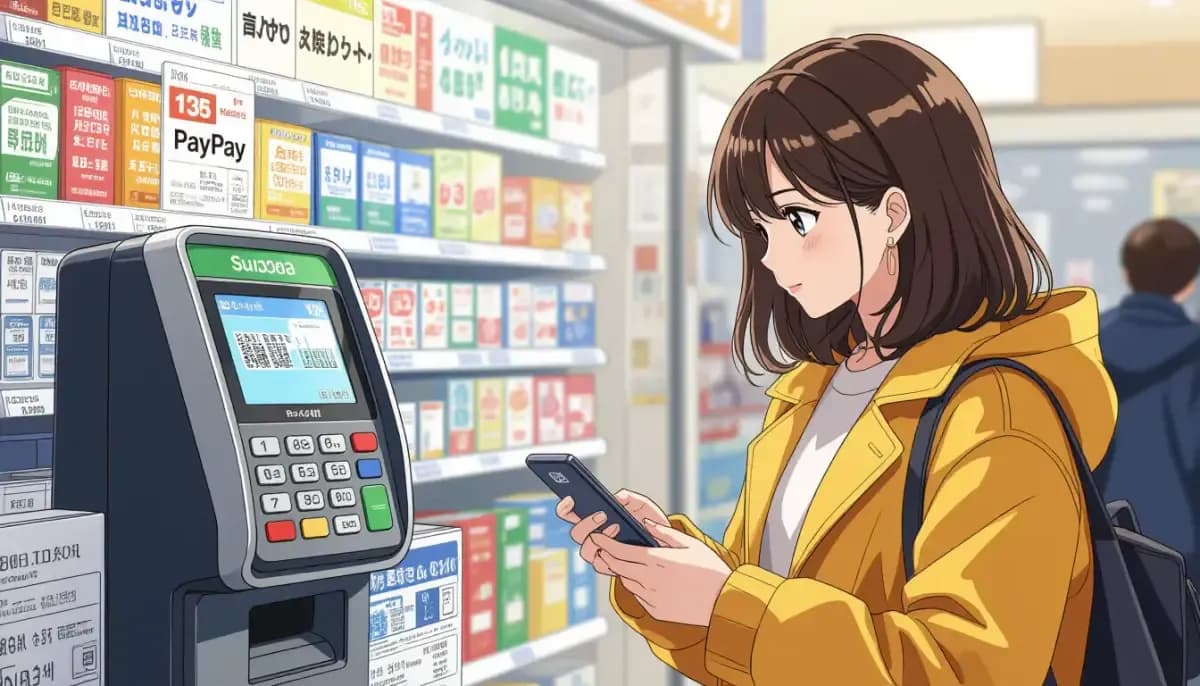
Discover all cashless payment options in Japan for foreigners—IC cards, PayPay, credit cards, and mobile wallets. Practical tips for daily life and travel in Japan.
Cashless Payment Options in Japan: A Complete Guide for Foreigners
Japan has undergone a remarkable transformation in how people pay for goods and services. While the country was once known for being heavily cash-dependent, cashless payments now account for over 42.8% of consumer spending as of 2024—surpassing the Japanese government's original target. For foreigners living in or visiting Japan, understanding the full range of cashless payment options is essential to navigating daily life smoothly.
This guide covers every major cashless payment method available in Japan, explains how each works for foreigners, and provides practical tips to help you pay with ease from day one.
Overview: Japan's Cashless Payment Landscape
Japan's cashless revolution has been rapid but uneven. Urban areas like Tokyo and Osaka have embraced digital payments enthusiastically, while rural towns and small local shops may still prefer cash. Knowing which payment methods work where—and when to carry physical cash—is crucial for anyone living or traveling in Japan.
According to Japan's Ministry of Economy, Trade and Industry (METI), the cashless payment ratio reached 42.8% in 2024. The number of QR code payment app users skyrocketed from just 3.55 million in 2018 to over 75 million in 2023, demonstrating how quickly Japan's payment habits are shifting. A survey found that 84.2% of Japanese consumers now use QR code payments regularly.
Japan's cashless options fall into three main categories:
- IC (Integrated Circuit) Cards – prepaid transit and payment cards like Suica and PASMO
- QR Code Payment Apps – smartphone-based apps like PayPay, Rakuten Pay, and LINE Pay
- Credit and Debit Cards – international cards (Visa, Mastercard, JCB, Amex)
For more information on managing finances in Japan, see our Complete Guide to Banking and Finance in Japan for Foreigners.
IC Cards: Suica, PASMO, and Beyond
IC cards are Japan's most established form of cashless payment. Originally developed for public transportation, they now function as a versatile payment method at convenience stores, vending machines, taxis, restaurants, and supermarkets across the country.
Major IC Cards in Japan
| IC Card | Issued By | Primary Region | Key Features |
|---|---|---|---|
| Suica | JR East | Tokyo/Kanto area | Works nationwide, Apple/Google Wallet compatible |
| PASMO | PASMO Co. | Tokyo area | Interoperable with Suica |
| ICOCA | JR West | Osaka/Kansai area | Works nationwide |
| Manaca | Nagoya area operators | Nagoya area | Regional focus |
| Kitaca | JR Hokkaido | Hokkaido | Works nationwide |
| SUGOCA | JR Kyushu | Kyushu | Works nationwide |
All major IC cards are interoperable across Japan's transportation network. You can use Suica to ride trains in Osaka or a PASMO card to travel in Fukuoka—the system is fully connected.
How to Get and Use an IC Card
You can purchase physical Suica or PASMO cards at station ticket machines (look for English menus). Deposit is ¥500 plus your desired balance; you can load up to ¥20,000 at a time. When leaving Japan, you can refund unused balances at major stations.
For a modern, card-free experience, both Suica and PASMO can be added to Apple Wallet (iPhone 8 or newer) and Google Wallet (select Android devices). This lets you pay by tapping your phone at any IC card reader—no physical card needed.
Where IC Cards Are Accepted:
- All major train and subway lines, buses, and some taxis
- Convenience stores (7-Eleven, Lawson, FamilyMart)
- Vending machines (most of them)
- Some supermarkets and drugstores
- Select restaurants and fast food chains
IC cards are the single most useful payment tool for daily life in Japan, especially for commuters. If you're living and working in Japan, having a Suica or PASMO (physical or digital) is essentially essential.
QR Code Payment Apps: PayPay, Rakuten Pay, LINE Pay
QR code payment apps have exploded in popularity in Japan and are now widely accepted at small shops, restaurants, and even street markets that may not accept foreign credit cards.
PayPay: Japan's #1 Payment App
PayPay, operated by SoftBank and Yahoo Japan, is the dominant QR code payment app in Japan. It is accepted at an overwhelming majority of shops that support cashless payments. From major department stores and chain restaurants to small local izakayas and hair salons—if a shop accepts cashless payments, it almost certainly accepts PayPay.
To register, you need:
- A Japanese mobile phone number
- A Japanese bank account or credit card (for topping up)
Once set up, you simply scan the shop's QR code or show your QR code to the cashier. PayPay frequently offers cashback campaigns and promotional discounts, which can add up to significant savings over time.
Rakuten Pay
Rakuten Pay is tied to Japan's largest e-commerce platform, Rakuten. If you already have a Rakuten account and use Rakuten credit cards or shopping services, Rakuten Pay lets you accumulate Rakuten Points on every purchase. It is widely accepted at major chains and is particularly beneficial for those already embedded in the Rakuten ecosystem.
LINE Pay
LINE Pay is integrated into LINE, Japan's most popular messaging app. Since most people in Japan already use LINE for communication, LINE Pay offers a convenient built-in payment option. It supports both QR code payments and contactless (NFC) payments at compatible terminals.
Merpay
Merpay is the payment service connected to Mercari, Japan's leading secondhand marketplace. Any credits you earn from selling items on Mercari can be used as Merpay balance for real-world purchases—making it appealing for people who use Mercari regularly.
Key Limitation for Foreigners: Most QR code payment apps require a Japanese phone number for registration. Without a local SIM card or eSIM with a Japanese number, signing up can be difficult or impossible for tourists and new arrivals.
For tips on getting a Japanese phone number, see our Complete Guide to Daily Life in Japan for Foreigners.
Credit and Debit Cards: International Cards in Japan
International credit and debit cards bearing Visa, Mastercard, JCB, or American Express logos are accepted at a growing number of merchants throughout Japan, particularly in urban areas and tourist destinations.
Where Foreign Cards Are Commonly Accepted
- Major hotel chains and international hotels
- Department stores (depato) and large shopping malls
- Most convenience stores (7-Eleven, Lawson, FamilyMart)
- Chain restaurants (McDonald's, Yoshinoya, Starbucks, etc.)
- JR ticket machines and transportation IC card reload machines
- Online shopping and e-commerce platforms
Contactless Payments with Foreign Cards
Many international cards support NFC contactless payment (tap-to-pay). However, Japan's domestic contactless payment systems—iD and QUICPay—use a proprietary FeliCa chip format that is incompatible with the international EMV standard used by most foreign cards.
At terminals that accept both domestic and international contactless, look for the "Visa Touch" or "Mastercard Contactless" symbol and specifically request to use it if needed.
Practical tip: Major convenience store chains are your safest bet for using foreign cards. 7-Eleven in particular has excellent international card support at all of its ATMs and payment terminals.
For more tips on using banking services in Japan, visit the detailed guide at Living in Nihon's Banking and Financial Services Guide.
Mobile Wallets: Apple Pay and Google Pay
Apple Pay and Google Pay bring your existing cards to your smartphone and enable tap-to-pay at compatible terminals. However, the experience in Japan is more nuanced than in many other countries.
Apple Pay in Japan
Apple Pay works well in Japan, but with important caveats:
- You can add international Visa/Mastercard cards and use them at iD and QUICPay terminals (if your card is enrolled in these services)
- More importantly, you can add Suica or PASMO directly to Apple Wallet for seamless transit and retail payments
- iPhone 8 and newer models support Suica in Wallet; you can reload your Suica balance directly from the app using an international credit card
Google Pay in Japan
Google Pay supports contactless payments at international EMV-compatible terminals. You can also add PASMO to Google Pay (Android) for transit and retail. The experience is similar to Apple Pay, though compatibility can vary by device.
For comprehensive information about living and working in Japan, resources like For Work in Japan offer helpful guides covering housing, employment, and daily life topics.
Electronic Money (e-Money): nanaco, WAON,楽天Edy
Beyond IC transit cards and QR apps, Japan has several retail-specific prepaid electronic money systems:
| e-Money | Associated Retailer | Best Used At |
|---|---|---|
| nanaco | 7-Eleven / Ito-Yokado | 7-Eleven stores, Ito-Yokado supermarkets |
| WAON | Aeon Group | Aeon supermarkets, MaxValu, Ministop |
| Rakuten Edy | Rakuten | Wide variety of stores nationwide |
| iD | Docomo / partner banks | Wide variety of stores nationwide |
These systems are primarily aimed at residents of Japan who shop regularly at specific retail chains. For foreigners, they are less essential than Suica, PayPay, or international credit cards—but knowing they exist helps when you see unfamiliar payment logos at the checkout.
Practical Tips: Choosing the Right Payment Method
For New Arrivals
- Get a Suica or PASMO (or digital version) immediately – You'll need it for trains and it works at nearly every convenience store.
- Set up PayPay as soon as you have a Japanese phone number – It unlocks access to the widest range of shops.
- Keep your Visa/Mastercard as backup – Accepted widely in urban areas and at all major chains.
For Tourists (Short Visits)
- Digital Suica via Apple Wallet – Load it from your international credit card; works for transit and shopping.
- Contactless foreign card – Works at major tourist-facing businesses.
- Always carry ¥5,000–10,000 in cash – For cash-only shrines, rural restaurants, and small shops.
When to Use Cash
Despite Japan's cashless progress, cash remains important in many situations:
- Small local restaurants and izakayas (especially outside cities)
- Shrines, temples, and traditional markets
- Some taxis (though most major urban taxis now accept cards/IC)
- Rural towns and countryside areas
- Vending machines (some accept IC cards; older ones cash-only)
- Coin-operated laundromats and parking meters
For a broader view of how payments fit into everyday spending in Japan, check our Complete Guide to Cost of Living in Japan.
The Future of Cashless Payments in Japan
Japan's cashless journey is far from over. The government's long-term target is an 80% cashless payment ratio, and the trajectory is firmly upward. The 2025 Osaka Expo was entirely cashless, using a blockchain-enabled digital wallet for payments among its 28 million visitors.
The Japan prepaid card and digital wallet market is expected to reach US$227.19 billion in 2026—reflecting both consumer adoption and merchant investment in payment infrastructure.
Key trends to watch:
- Wider acceptance of international contactless cards (Visa Touch, Mastercard Contactless)
- Growth of PayPay and QR payment apps in rural areas
- Integration of residence card and My Number functions with digital payment systems
- Increased support for tourist-friendly cashless options
For foreigners considering a career move to Japan, understanding the financial landscape is key. Ittenshoku provides comprehensive guides on working and living in Japan that can help you prepare for every aspect of the transition.
Additionally, for practical information on payment methods from a foreigner's perspective, MobalPay's Cashless Japan Guide and Tokyo Cheapo's Contactless Payments Guide are excellent resources.
Summary: Quick Comparison of Cashless Payment Methods
| Payment Method | Best For | Foreigner-Friendly | Requires Japanese SIM |
|---|---|---|---|
| Suica / PASMO (physical) | Transit + daily shopping | Very high | No |
| Digital Suica (Apple/Google Wallet) | Transit + convenience stores | Very high | No |
| PayPay | Small shops, restaurants | Moderate (needs phone number) | Yes |
| Rakuten Pay | Rakuten users | Moderate | Yes |
| LINE Pay | LINE app users | Moderate | Yes |
| Visa/Mastercard (contactless) | Hotels, chains, tourist spots | High | No |
| Apple Pay (with international card) | Urban areas, major chains | High | No |
| nanaco / WAON / Edy | Specific retailer chains | Low | No |
Conclusion
Japan's cashless payment ecosystem is rich, varied, and rapidly evolving. For foreigners, the best strategy is to start with a Suica or PASMO card for everyday transit and convenience store purchases, then add PayPay once you have a Japanese phone number, and keep an international credit card for backup.
Understanding these options not only makes daily life easier—it also helps you take advantage of the loyalty points, cashback offers, and promotions that are built into Japan's payment apps. As Japan continues its push toward an 80% cashless society, foreigners who adapt early will find navigating life in Japan smoother and more convenient than ever.
For more guides on finances, daily life, and living in Japan as a foreigner, explore our Complete Guide to Daily Life in Japan and Complete Guide to Banking and Finance in Japan.

Originally from Vietnam, living in Japan for 16+ years. Graduated from Nagoya University, with 11 years of professional experience at Japanese and international companies. Sharing information about living in Japan for foreigners.
View Profile →Related Articles

Japan My Number Portal and Digital ID Guide
Complete guide to Japan's My Number system for foreign residents. Learn how to get your My Number Card, use the My Number Portal (マイナポータル), and navigate Japan's digital ID services as an expat.
Read more →
Tech Shopping in Japan Akihabara and Electronics Districts
Complete guide to tech shopping in Japan's Akihabara and electronics districts. Learn tax-free shopping tips, store recommendations, voltage compatibility, and smart buying strategies for foreigners.
Read more →
Using a VPN in Japan When and Why You Need One
Complete guide to using a VPN in Japan for foreigners and expats. Learn about legality, streaming access, public Wi-Fi security, banking apps, and the best VPN services for Japan in 2025.
Read more →
Japan Online Government Services and E-Gov Guide
Complete guide to Japan's online government services for foreigners: e-Gov portal, My Number Card, Mynaportal, Visit Japan Web, e-Tax filing, and the 2026 Residence Card integration.
Read more →
Japan Internet Providers Speed and Price Comparison
Compare Japan's top internet providers for foreigners. Detailed speed, price, and English support breakdown for NTT Docomo, SoftBank, au, NURO Hikari, GTN Hikari, and Sakura Fiber Internet.
Read more →
Smart Home Technology Available in Japan
Discover smart home technology available in Japan: voice assistants, smart appliances, security systems, and tips for expats on setting up a connected home in Japan.
Read more →