
Smart Home Technology Available in Japan

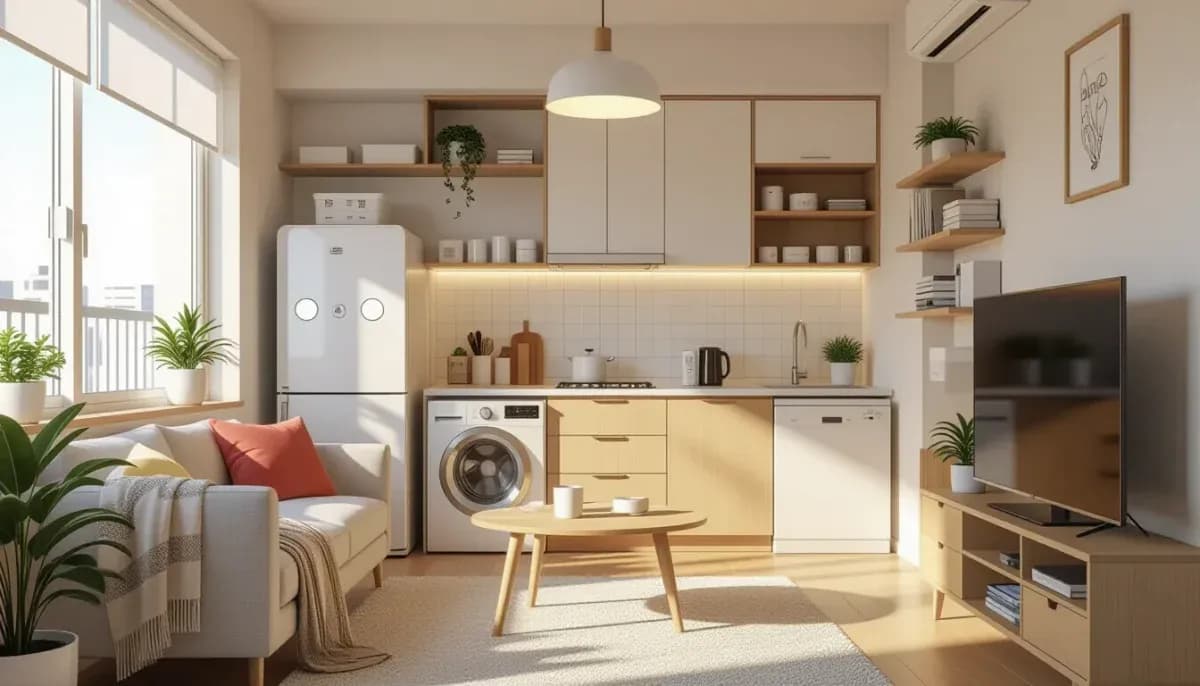
Discover smart home technology available in Japan: voice assistants, smart appliances, security systems, and tips for expats on setting up a connected home in Japan.
Smart Home Technology Available in Japan: A Complete Guide for Foreigners
Japan is often imagined as a nation of gleaming robots, ultra-efficient trains, and cutting-edge gadgets—and when it comes to smart home technology, this reputation is well earned. From AI-powered toilets and earthquake-sensing gas shut-off systems to voice-controlled appliances and energy-monitoring dashboards, Japan offers an impressive ecosystem of home automation tools. If you're a foreigner living in Japan and wondering how to build a smarter living space, this guide covers everything you need to know about smart home technology available in Japan.
Understanding Japan's Smart Home Market
Japan's smart home market is one of the most dynamic in Asia. Revenue in the Smart Home segment is projected to reach US$11.77 billion in 2026 and is expected to grow to US$17.77 billion by 2031, advancing at a CAGR of 8.58% (Mordor Intelligence). This growth is driven by several factors unique to Japan:
- Aging population: Over 28% of Japan's population is 65 or older, creating massive demand for assistive living technology that helps elderly people stay safe and independent at home.
- Energy efficiency mandates: The Japanese government actively promotes zero-energy homes, offering rebates up to JPY 1.4 million (approximately USD 9,500) for qualifying smart energy systems under the Zero Energy House (ZEH) program.
- Security concerns: Following high-profile break-ins in 2024-2025, insurers began offering 5-10% premium discounts for homes equipped with smart locks and cameras, accelerating adoption.
- Cultural norms: Japan's culture of precision, cleanliness, and efficiency makes smart home automation a natural fit.
The largest segment in Japan's smart home market is home security systems, while the fastest-growing is energy management solutions—a trend that aligns with Japan's commitment to reducing carbon emissions.
For a broader picture of technology life in Japan, see our guide on Technology and Apps in Japan.
Voice Assistants and Smart Speakers in Japan
Voice assistants are the central hub of most smart home setups worldwide, and Japan is no exception. However, the market here has some Japan-specific players worth knowing about:
| Voice Assistant | Available in Japan | Japanese Language Support | Best For |
|---|---|---|---|
| Google Nest (Google Home) | ✅ Yes | ✅ Excellent | General use, Android integration |
| Amazon Echo (Alexa) | ✅ Yes | ✅ Excellent | Shopping, wide device compatibility |
| Apple HomePod | ✅ Yes | ✅ Good | Apple ecosystem users |
| LINE Clova | ✅ Japan-focused | ✅ Excellent (native) | Japanese services integration |
| Panasonic Smart Speaker | ✅ Yes | ✅ Excellent | Panasonic appliance control |
LINE Clova deserves special mention for foreigners learning Japanese. Developed by LINE—the dominant messaging app in Japan—Clova integrates deeply with Japanese services including LINE Pay, food delivery, and local weather. However, if your Japanese is limited, Google Home or Amazon Alexa are likely your best starting points, as they offer robust English-language interfaces while still controlling Japanese appliances.
For expats relying on internet-based smart home controls, check our guide on Cost of Living in Japan to budget for high-speed fiber internet, which is essentially a prerequisite for a reliable smart home.
Japan-Specific Smart Home Appliances
Japan's domestic appliance market is world-class, with brands like Panasonic, Daikin, Mitsubishi Electric, Sharp, and TOTO producing some of the most advanced home devices anywhere. Here are the standout categories:
Smart Toilets (Washlets)
Perhaps Japan's most famous smart home feature, the smart toilet (washlet) is practically standard in modern Japanese homes and apartments. Features include:
- Heated seats with adjustable temperature
- Bidet and rear wash functions with pressure and angle control
- Automatic lid opening and closing (with motion sensors)
- Deodorization systems
- Health-monitoring capabilities in premium models (some TOTO and Panasonic models can analyze health metrics)
- Integration with smart home systems for usage logging
TOTO's Neorest series and Panasonic's DL series are market leaders. These are typically already installed in modern Japanese rental apartments—one less thing to buy.
Smart Air Conditioners (エアコン)
Japanese air conditioners (aircon) are a must-have given the country's hot, humid summers and cold winters. Modern units from Daikin, Mitsubishi Electric, Panasonic, and Sharp offer:
- Wi-Fi connectivity for remote control via smartphone apps
- Voice assistant integration (Google Assistant, Alexa, LINE Clova)
- AI-powered scheduling that learns your preferences
- Energy monitoring and automatic energy-saving modes
- Humidity control and built-in air purification
- Pre-cooling/pre-heating before you arrive home
Most modern Japanese apartments come with a wall-mounted aircon unit pre-installed. Upgrading to a smart model with app control typically costs ¥60,000–¥150,000 for a quality unit.
Smart Lighting
Smart lighting in Japan covers a range from affordable Philips Hue-compatible bulbs to fully integrated Japanese systems. Key options:
- Panasonic HH-CX series: Japan-specific smart LED ceiling lights controllable via app
- NEC LIFELED's: Smart lighting integration with other home systems
- Philips Hue: Internationally popular and works well in Japan with a Japanese-spec smart hub
- SwitchBot: Popular among expats for retrofitting existing lights with smart plugs and switches without rewiring
SwitchBot deserves special mention—it's widely popular among foreigners in Japan because its products work in English and integrate with Google Home, Alexa, and Apple HomeKit.
Smart Locks and Security
Security technology has surged in popularity in Japan, especially in urban apartments. Options include:
- Panasonic SmartArchi locks: Fingerprint and card key integration
- MIWA Smart Lock: Popular for apartment buildings (often compatible with building intercoms)
- Qrio Lock: Designed for Japanese door types, works with Alexa and Google Home
- Sesame smart locks: App-controlled, keypad, and fingerprint access
- SwitchBot Lock: Attaches over existing thumbturn locks—popular with renters who can't modify doors
Important for renters: Most Japanese rental agreements prohibit permanent modifications. SwitchBot Lock and Sesame are renter-friendly because they attach to existing locks without drilling.
Smart Home Energy Management
Japan's ZEH (Zero Energy House) program and rising electricity costs have made energy management a top priority. Smart energy products include:
- Eco Cute (エコキュート) heat pump water heaters: Smart scheduling and remote control
- Solar panel inverter systems: Panasonic, Sharp, and Kyocera offer smart solar systems with battery storage
- Smart meters (スマートメーター): Japan's utility companies have been rolling out smart meters nationwide, enabling real-time energy usage monitoring via apps
- Home Energy Management Systems (HEMS): Systems like Panasonic AiSEG2 connect all your smart appliances to a central dashboard, track energy use, and automatically optimize consumption
Setting Up a Smart Home as a Foreign Resident in Japan
Step 1: Assess Your Living Situation
Before buying anything, understand what type of property you're in:
Apartment renters: Most older Japanese apartments (built before 2010) may have limited electrical capacity and older wiring. Focus on plug-in smart devices like smart plugs, portable speakers, and Bluetooth/Wi-Fi bulbs that don't require wiring. Confirm with your landlord before making any permanent modifications.
Modern apartment renters: Newer mansions (マンション) and apartments often come pre-wired for fiber internet and may already have some smart features like intercom systems, automatic ventilation, and floor heating controls. These are easier to expand.
Homeowners: You have the most flexibility. Consider investing in a full HEMS system, solar panels, and integrated smart locks.
Step 2: Set Up Your Internet Connection
A reliable smart home requires fast internet. Japan's fiber optic internet is among the world's best—NTT Flets Hikari and providers like SoftBank Hikari, au Hikari, and NURO Hikari offer gigabit speeds at ¥4,000–¥6,000 per month. See our Daily Life in Japan guide for tips on setting up utilities.
Step 3: Choose Your Ecosystem
Pick your primary voice assistant and stick with it for maximum compatibility. For English-speaking expats, Google Home or Amazon Alexa are the most practical choices. Google Home integrates well with Android phones popular in Japan, while Amazon Alexa has the widest device compatibility.
Step 4: Start with Easy Wins
Recommended starter smart home devices for Japan:
- Smart speaker (Google Nest Mini or Amazon Echo Dot) – ¥5,000–¥8,000
- Smart plugs (SwitchBot or TP-Link Tapo) – ¥2,000–¥3,000 each
- Smart LED bulbs (Philips Hue or SwitchBot) – ¥3,000–¥5,000 per bulb
- Smart lock (Sesame or Qrio Lock) – ¥15,000–¥25,000
Step 5: Add Advanced Devices Gradually
Once comfortable, add:
- Smart aircon controller (if your AC isn't smart-ready): SwitchBot Hub Mini + IR Blaster (¥5,000) can control any IR remote appliance
- Robot vacuum (Roomba, Ecovacs, or Roborock—all available in Japan)
- Smart security camera (Nest Cam, Arlo, or Panasonic)
Legal and Privacy Considerations for Smart Homes in Japan
Japan takes data privacy seriously. The Act on the Protection of Personal Information (APPI) governs how personal data collected by smart devices must be handled. Key points for residents:
- Smart home devices that record audio or video in shared spaces of an apartment building may be regulated. Check your building's rules.
- IoT device manufacturers selling in Japan must comply with APPI data handling requirements.
- Use strong passwords and enable two-factor authentication for all smart home accounts.
- Set up a separate Wi-Fi network (VLAN or guest network) for IoT devices to isolate them from devices containing sensitive data.
- Regularly update firmware on all devices to patch security vulnerabilities.
For more on navigating Japanese regulations, see our Japanese Bureaucracy and Paperwork guide.
Earthquake Safety Features Unique to Japan
Japan's seismic activity has spurred development of smart home safety features you won't find as standard elsewhere:
- Gas leak and earthquake automatic shut-off systems: Required in modern Japanese homes, these sensors cut gas lines automatically during a significant tremor. Smart versions can send phone notifications.
- Earthquake-sensing smart plugs: Automatically cut power to appliances during an earthquake to prevent fires.
- Smart smoke and CO detectors: Modern versions connect to apps and can alert all household members simultaneously.
- Emergency lighting systems: Smart LED lights that automatically activate during power outages.
For comprehensive earthquake and safety preparation, see our Safety and Emergency Preparedness in Japan guide.
Where to Buy Smart Home Products in Japan
| Store | Type | Notes |
|---|---|---|
| Yodobashi Camera | Electronics chain | Huge selection, staff often speak English in major stores |
| Bic Camera | Electronics chain | Similar to Yodobashi, Akihabara flagship is excellent |
| Amazon Japan | Online | Widest selection, fastest delivery, English interface available |
| Rakuten | Online marketplace | Japanese-focused, price comparison often best here |
| Costco Japan | Membership warehouse | International brands like Ring and Arlo available |
| Loft / Tokyu Hands | Lifestyle stores | Smaller smart home gadgets and accessories |
Tip: When buying smart home devices in Japan, check that they're sold in Japan spec (日本仕様) to ensure correct voltage (100V) and frequency compatibility. Most modern smart devices handle 100-240V, but it's worth confirming.
For more tips on shopping in Japan, see our guide on Shopping in Japan.
Additional Resources for Smart Home Technology in Japan
To deepen your knowledge and stay updated on smart home trends in Japan, here are some helpful external resources:
- Living in Nihon - Technology & Digital Life Guide: A comprehensive guide on navigating technology and digital life as a foreigner in Japan.
- For Work in Japan - Housing & Living Guide: Useful information on setting up your home and living infrastructure in Japan.
- Ittenshoku IT Career Resources: Career and technology resources for those working in Japan's tech industry.
- Statista Smart Home Japan Market Forecast: Data-driven insights on the Japanese smart home market.
- MarketsandMarkets - Smart Home Market in Japan: Detailed market growth, innovations, and future trends in Japan's smart home sector.
Conclusion
Japan offers one of the richest smart home technology environments in the world, combining domestic innovation from world-class brands with compatibility for international platforms. For foreigners and expats, the key is understanding your rental situation, choosing an English-friendly ecosystem like Google Home or Amazon Alexa, and starting with flexible, renter-friendly devices like SwitchBot and smart plugs.
As Japan's population ages and energy costs rise, smart home adoption will only accelerate—meaning the products, government support programs, and infrastructure will continue to improve. Whether you're spending a year in a Tokyo apartment or settling into a house for the long term, investing in smart home technology in Japan is not only practical but genuinely enjoyable.
For more on making Japan your home, explore our Complete Guide to Daily Life in Japan and Housing in Japan guide.

Originally from Vietnam, living in Japan for 16+ years. Graduated from Nagoya University, with 11 years of professional experience at Japanese and international companies. Sharing information about living in Japan for foreigners.
View Profile →Related Articles

Japan My Number Portal and Digital ID Guide
Complete guide to Japan's My Number system for foreign residents. Learn how to get your My Number Card, use the My Number Portal (マイナポータル), and navigate Japan's digital ID services as an expat.
Read more →
Tech Shopping in Japan Akihabara and Electronics Districts
Complete guide to tech shopping in Japan's Akihabara and electronics districts. Learn tax-free shopping tips, store recommendations, voltage compatibility, and smart buying strategies for foreigners.
Read more →
Using a VPN in Japan When and Why You Need One
Complete guide to using a VPN in Japan for foreigners and expats. Learn about legality, streaming access, public Wi-Fi security, banking apps, and the best VPN services for Japan in 2025.
Read more →
Japan Online Government Services and E-Gov Guide
Complete guide to Japan's online government services for foreigners: e-Gov portal, My Number Card, Mynaportal, Visit Japan Web, e-Tax filing, and the 2026 Residence Card integration.
Read more →
Cashless Payment Options in Japan Complete Guide
Discover all cashless payment options in Japan for foreigners—IC cards, PayPay, credit cards, and mobile wallets. Practical tips for daily life and travel in Japan.
Read more →
Japan Internet Providers Speed and Price Comparison
Compare Japan's top internet providers for foreigners. Detailed speed, price, and English support breakdown for NTT Docomo, SoftBank, au, NURO Hikari, GTN Hikari, and Sakura Fiber Internet.
Read more →