
Dress Code Guide for Japanese Offices

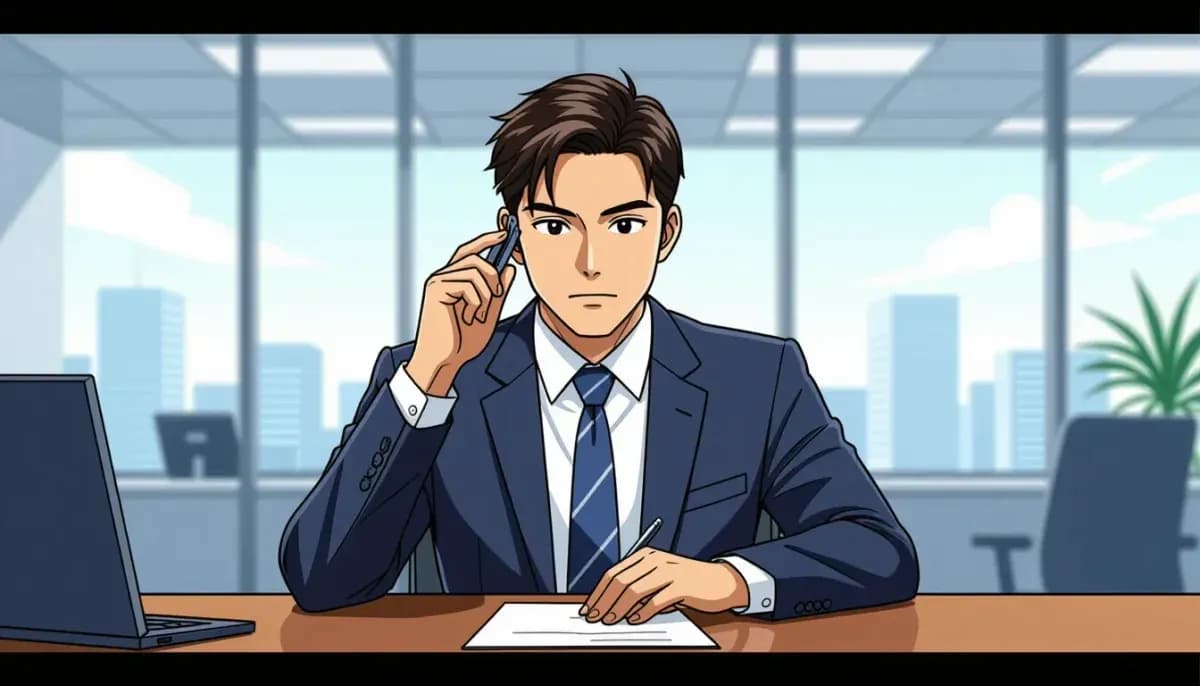
A complete guide to dress codes in Japanese offices for foreigners and expats. Learn what to wear, seasonal Cool Biz rules, industry differences, grooming standards, and common mistakes to avoid.
Dress Code Guide for Japanese Offices: What Every Foreigner Needs to Know
Starting a new job in Japan is exciting, but it also comes with a steep learning curve — especially when it comes to how you dress. Japanese office culture places significant emphasis on appearance and professional attire, and the unspoken rules can be confusing for foreigners. Whether you are heading to your first day of work or preparing for a business meeting, this guide will walk you through everything you need to know about dress codes in Japanese offices.
Understanding the dress code is not just about avoiding embarrassment — it is a key part of integrating into Japanese workplace culture and showing respect for your colleagues and company. This guide covers everything from formal suits to seasonal policies, industry differences, and the cultural concepts that underpin Japanese professional fashion.
The Core Philosophy: Wa (Harmony) and "Kuuki wo Yomu"
Japanese professional attire is shaped by two fundamental cultural concepts. The first is wa (和), meaning harmony — the idea that individuals should blend in with the group rather than stand out. The second is kuuki wo yomu (空気を読む), which translates to "reading the air" — the ability to observe your environment and adapt your behavior (and appearance) accordingly.
In practical terms, this means that when you start a new job in Japan, you should begin with conservative, safe clothing choices and observe how your colleagues dress before making any adjustments. Policies vary enormously between companies, industries, and even between departments within the same organization. Some offices require formal suits every day, while others embrace casual Friday or creative dress codes.
The key rule: when in doubt, err on the side of being more formal. It is far better to be slightly overdressed than to appear too casual for a Japanese workplace.
Standard Business Attire for Men
For men working in Japanese corporate environments, the standard dress code is clear and relatively straightforward.
| Item | Standard | Notes |
|---|---|---|
| Suit | Single-breasted in navy, charcoal, or dark grey | Pinstripes are acceptable |
| Shirt | White or light blue, pressed and clean | Patterns should be subtle |
| Tie | Muted tones in blue, red, or grey | Avoid black (associated with funerals) |
| Shoes | Polished black Oxford shoes | Must be clean and well-maintained |
| Bag | Slim leather briefcase or business bag | Avoid casual backpacks |
| Watch | Analogue watch in classic style | Keep it understated |
| Accessories | Wedding ring if applicable | Minimal — no flashy jewelry |
A few important points for men:
- Ties are standard expectation in most traditional Japanese companies, even in warmer months (with exceptions for Cool Biz season)
- Shoes must be polished — scuffed or dirty shoes are noticed and negatively judged
- Socks should match the trousers — white socks with a dark suit are considered a major fashion error
- Avoid excessive cologne — Japanese workplaces tend to be scent-sensitive
Standard Business Attire for Women
Women's dress codes in Japanese offices have evolved significantly in recent years, largely due to movements like #KuToo (a portmanteau of kutsu meaning shoes and kutsuu meaning pain), which successfully challenged mandatory heel policies. Japan Airlines, for example, updated its uniform requirements in 2020 following this movement.
However, while options have expanded, modesty and conservatism remain the foundation of professional dress for women.
| Item | Standard | Notes |
|---|---|---|
| Suit / Blazer | Tailored, dark tones (navy, black, grey) | Jacket required for client meetings |
| Blouse / Shirt | Opaque, light-colored, modest neckline | Avoid sheer fabrics or deep necklines |
| Skirt / Trousers | Knee-length skirts or tailored trousers | Skirts should not rise more than 10cm above knee when seated |
| Shoes | Closed-toe flats or low to mid heels | Sandals and open-toe shoes are not acceptable |
| Makeup | Natural, professional look | Makeup is generally expected, not optional in many companies |
| Accessories | Small earrings, discreet necklace | Avoid large statement pieces |
| Bag | Professional handbag or briefcase | Neutral tones preferred |
| Hair | Neat and professional | Natural colors standard; foreigners may keep blonde/brown |
Key rules for women:
- Shoulders must be covered — tank tops, camisoles, or sundresses are not appropriate even in summer
- Necklines should remain modest when bowing — a low neckline becomes even lower when you bow
- Avoid black with pearls — in Japanese culture, this combination is associated with funeral attire
- Closed-toe shoes year-round — even in Japan's humid, hot summers, sandals are not acceptable in most offices
Cool Biz: Japan's Summer Dress Code Policy
One of the most practical aspects of Japanese office fashion is the government-promoted Cool Biz (クールビズ) campaign, which runs roughly from June 1 to September 30 each year.
Cool Biz was introduced by the Japanese government in 2005 as an energy-saving initiative, encouraging companies to raise office air conditioning temperatures to 28°C and allow employees to dress more casually to compensate. Under Cool Biz:
- Men can wear short-sleeved shirts without ties or jackets
- Business casual attire becomes more broadly acceptable
- Lightweight, breathable fabrics are encouraged
Similarly, Warm Biz (ウォームビズ) runs in winter, encouraging employees to wear layered, warmer clothing so offices can lower heating temperatures.
Not all companies participate in these campaigns — check with your HR department or observe your colleagues before leaving your jacket and tie at home.
Dress Codes by Industry
Japanese workplaces vary significantly in their dress code expectations depending on the industry. Understanding where your sector falls on the formality spectrum will help you calibrate your wardrobe appropriately.
| Industry | Dress Code Level | Details |
|---|---|---|
| Finance / Banking | Very Formal | Dark suits required, uniforms common |
| Law / Government | Very Formal | Conservative suits, minimal accessories |
| Manufacturing | Formal | Suits for office staff; uniforms for factory workers |
| Healthcare | Uniforms | Hospitals and clinics provide uniforms |
| Teaching (English) | Business Casual | Smart casual typically acceptable |
| IT / Tech | Casual to Business Casual | Startups especially relaxed |
| Fashion / Creative | Creative / Casual | More personal expression allowed |
| Retail | Store Uniform or Casual | Often provided by employer |
If you are working in Japan as a foreigner in an international company or startup, the dress code may be considerably more relaxed than in a traditional Japanese corporation. However, even in casual environments, a neat and tidy appearance remains essential.
The Interview Dress Code: Recruit Suit Rules
Before you start your first day, you will need to dress for the job interview — and Japan has very specific norms here.
The recruit suit (リクルートスーツ) is Japan's standard interview attire:
- Black suit (not navy or charcoal — black is specifically the interview color)
- White shirt (plain, no patterns)
- Black shoes (polished and clean)
- Conservative tie for men (or bow tie for women in some contexts)
- Minimal accessories
- Black bag or portfolio
Even for companies with casual internal dress codes, showing up to an interview in the recruit suit signals that you understand and respect Japanese professional norms. Deviating from this standard (even if the interviewer is wearing jeans) is generally risky for first impressions.
Hair, Grooming, and Appearance Standards
Beyond clothing, appearance standards in Japanese offices extend to grooming and overall presentation.
Hair: Japanese employees are generally expected to maintain natural hair colors. As a foreigner, you have somewhat more latitude — blonde, red, and brown hair are typically accepted. However, unnatural colors such as blue, pink, or bright purple are generally still discouraged, even for foreign employees. If your company has explicit policies, follow them; if not, observe what is accepted among your non-Japanese colleagues.
Makeup: In many traditional Japanese workplaces, light, natural-looking makeup is considered part of professional grooming for women — similar to wearing a pressed shirt. Heavy or dramatic makeup is generally inappropriate. For men, the standard is simply clean-shaven or neatly groomed facial hair (though some companies still prohibit beards).
Tattoos: Visible tattoos are considered taboo in Japanese corporate culture. If you have tattoos, keep them covered in the workplace. This is especially important in client-facing roles.
Fragrance: Japan has a strong culture around scent sensitivity (kaori harassment or fragrance harassment). Avoid wearing heavy perfume or cologne to the office.
Common Mistakes Foreigners Make
Based on insights from expats navigating Japanese workplaces, here are the most common dress code mistakes to avoid:
- Wearing open-toe shoes — Even in summer, sandals are not office-appropriate
- Casual bags — A canvas tote or backpack looks out of place in a formal Japanese office
- Bright or bold colors — Red, orange, and bright patterns draw too much attention
- Ignoring collar and cuff condition — Worn or yellowed shirt collars are highly noticeable
- Short skirts or tight-fitting clothes — Even if technically knee-length, very form-fitting clothing is inappropriate
- Forgetting that every day matters — Unlike some Western offices where Friday is casual, Japanese offices often maintain consistent standards
For a broader understanding of Japanese workplace norms, see our guide to Japanese culture and etiquette.
Practical Tips for Building Your Japanese Office Wardrobe
Getting your wardrobe ready for a Japanese office does not have to be expensive. Here are some practical recommendations:
Start with the basics:
- 2-3 dark suits (navy, charcoal, or black for interviews)
- 5-7 white or pale blue dress shirts
- 3-5 conservative ties (for men)
- 1-2 pairs of quality black leather shoes, well-polished
- A professional bag or briefcase
Shop strategically: Japan has excellent options for professional clothing at various price points. Department stores like Isetan, Takashimaya, and Mitsukoshi carry quality business attire. For more affordable options, Uniqlo offers excellent business casual pieces (their smart ankle trousers and blazers are popular among expats), and Aoyama, Haruyama, and AOKI are affordable suit chains throughout Japan.
Observe before adapting: Your first week, dress formally and watch what your colleagues wear. After a few weeks, you will have a clearer sense of how strict or relaxed your company's actual culture is versus its official policy.
For more guidance on navigating life as a foreigner in Japan, including workplace norms, check out these resources:
- Living in Nihon's guide to Japanese work culture for foreigners
- For Work in Japan's business culture and etiquette guide
- Ittenshoku's career resources for working in Japan
- Savvy Tokyo's office fashion tips for Japanese workplaces
- Hashi Media's guide to what to wear when working in Japan
Understanding Your Company's Specific Culture
While the guidelines in this article reflect broad Japanese workplace norms, every company has its own specific culture. Here is how to read your company's real dress code:
- Read the employee handbook — Some companies have explicit dress code policies
- Ask HR or your recruiter — Before your first day, it is perfectly acceptable to ask what attire is appropriate
- Observe on your first day — Look at what your direct colleagues and team wear
- Follow your manager's lead — Dressing at or slightly below your manager's formality level is generally safe
- Note meeting contexts — Client-facing days often require more formal dress than internal meeting days
Remember that the dress code is not just about following rules — it is a form of cultural etiquette that signals respect and professionalism. Making the effort to dress appropriately, even if it feels different from your home country's norms, goes a long way toward building trust and positive relationships with your Japanese colleagues.
Conclusion
Dressing appropriately for a Japanese office comes down to three principles: conservatism, neatness, and context-awareness. Start formal, observe your environment, and adapt gradually. Pay attention to seasonal policies like Cool Biz, understand the differences between industries, and remember that even small details — polished shoes, a well-pressed shirt, or the right-length skirt — matter more in Japanese workplaces than in many other cultures.
If you are just beginning your journey of working in Japan, getting the dress code right is one of the quickest wins you can achieve. It shows cultural awareness, professionalism, and respect — three qualities that will serve you well throughout your career in Japan.

Originally from Vietnam, living in Japan for 16+ years. Graduated from Nagoya University, with 11 years of professional experience at Japanese and international companies. Sharing information about living in Japan for foreigners.
View Profile →Related Articles

What It Is Like Working in a Japanese Company as a Foreigner
Discover what it's really like working in a Japanese company as a foreigner — workplace hierarchy, Horenso culture, long hours, communication challenges, and tips to thrive in Japan's corporate world.
Read more →
Women in the Japanese Workplace Guide for Foreign Women
A comprehensive guide for foreign women navigating the Japanese workplace — from gender dynamics and dress codes to legal rights, salary negotiation, and building professional networks in Japan.
Read more →
Japanese Business Email and Communication Etiquette
Master Japanese business email etiquette as a foreigner in Japan. Learn the 7-part email format, keigo honorifics, meeting protocols, business card exchange, and essential phrases for professional success.
Read more →
How to Handle Workplace Conflict in Japan
Learn how to navigate workplace conflict in Japan as a foreigner. Discover culturally-appropriate strategies including nemawashi, hourensou, and your legal rights against power harassment.
Read more →
Senpai Kohai Relationship in the Japanese Workplace
Understand the senpai kohai system in Japanese workplaces. This guide covers hierarchy rules, kohai expectations, senpai duties, and practical tips for foreigners navigating Japanese office culture.
Read more →
Japanese Meeting Culture Protocols and Expectations
A complete guide to Japanese meeting culture for foreigners and expats. Learn meishi exchange, seating etiquette, nemawashi, decision-making, and key protocols to succeed in Japanese business meetings.
Read more →