
Best Ways to Send Money from Japan Compared

Compare the best ways to send money from Japan in 2026. Wise, SBI Remit, Revolut, and traditional banks compared by fees, exchange rates, and speed for foreigners and expats.
Best Ways to Send Money from Japan: A Complete Comparison for Foreigners
Sending money home from Japan has never been more important — or more confusing. With Japan's foreign resident population hitting a record 3.41 million and remittances from Japan reaching an unprecedented 506.8 billion yen in just the first half of 2025 (a 38% increase year-over-year), expats and foreign workers are increasingly looking for the cheapest, fastest, and most reliable ways to transfer money internationally.
The good news: you have more options than ever. The bad news: not all of them are created equal, and many banks use deceptive "zero fee" advertising that hides costly exchange rate markups. This guide breaks down every major method — with real numbers — so you can make the smartest choice for your situation.
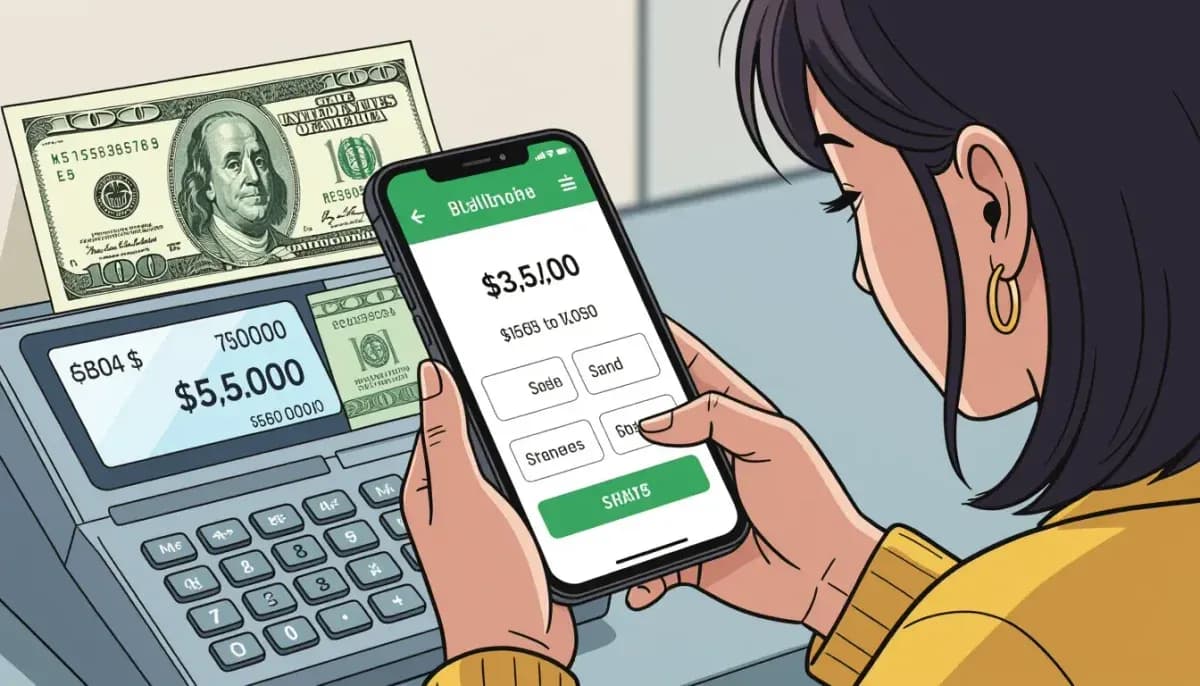
!Person using smartphone to transfer money internationally from Japan

Why Most People Pay Too Much When Sending Money from Japan
Before diving into specific services, it's essential to understand the most common trap: hidden exchange rate markups.
Japanese banks frequently advertise "zero transfer fee" international remittances. This sounds great — until you realize the bank is making money by giving you a worse exchange rate than the market rate (called the "mid-market rate"). For a ¥1,000,000 transfer, this hidden cost can amount to approximately ¥6,600 or more in lost value — far exceeding what a transparent fintech service would charge.
The rule of thumb: always compare the total cost (fee + exchange rate spread), not just the advertised transfer fee.
For a broader understanding of the Japanese banking system and how to set up accounts as a foreigner, check out our Complete Guide to Banking and Finance in Japan.
Comparison Table: Best Money Transfer Services from Japan
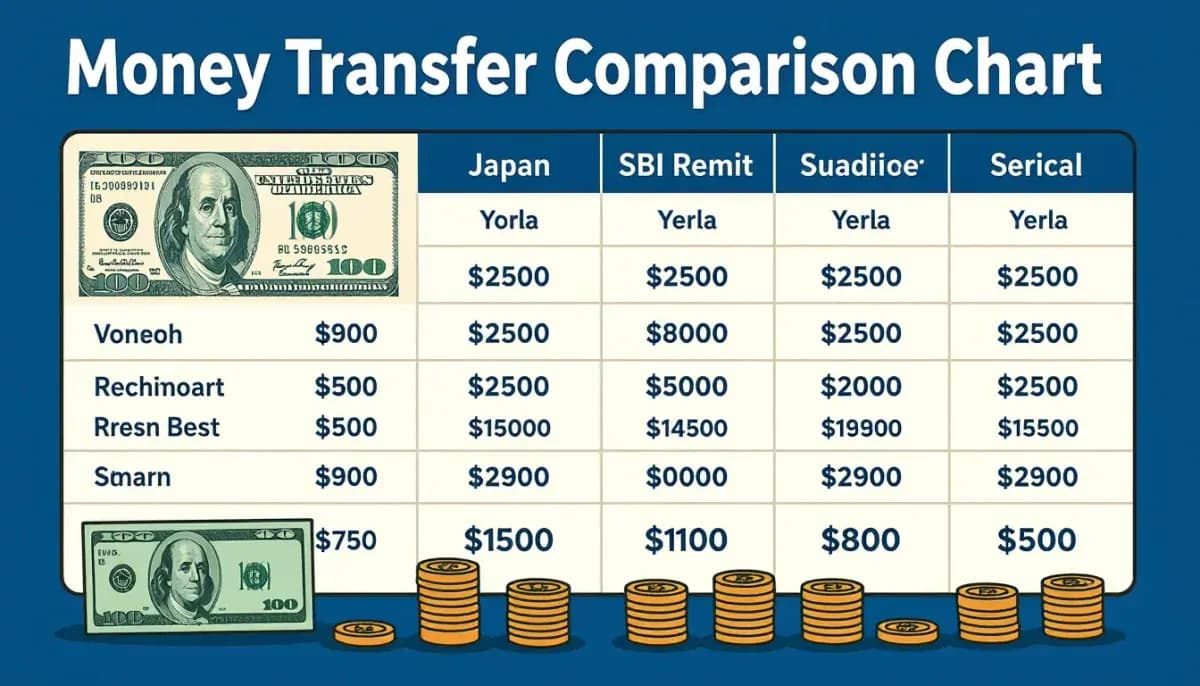
| Service | Transfer Fee | Exchange Rate | Best For | Speed |
|---|---|---|---|---|
| Wise | ~0.5–1% of amount | Mid-market (real rate) | Most transfers | Minutes–1 day |
| SBI Remit | ¥1,980 flat | Slight markup | Cash pickup, Philippines/Vietnam | 10 min–1 day |
| Revolut | 0% weekdays (up to ¥750K/mo) | Mid-market (weekdays) | Regular smaller transfers | Same day |
| Seven Bank | ¥1,950 flat | Moderate markup | Convenience | 1–3 days |
| Sony Bank | ¥3,000 flat | Small markup | Large transfers (>¥1M) | 2–4 days |
| MUFG/Mizuho/SMBC | ¥3,500–¥7,500 | Significant markup | None recommended | 3–5 days |
| Japan Post Bank | ¥2,500+ | Moderate markup | Rural areas without alternatives | 3–5 days |
Real-world example (sending ¥100,000 to USD):
- Wise: $660.94 received (best)
- SBI Remit: $647.00 received
- Seven Bank: $644.01 received
- Sony Bank: $626.04 received
- MUFG (traditional bank): $608.96 received (worst — $52 less than Wise!)
Wise: Best Overall for Most Foreigners
Wise (formerly TransferWise) consistently ranks as the top choice for foreigners sending money from Japan. Here's why:
How it works: Wise uses the mid-market exchange rate — the same rate you see on Google — and charges a transparent fee of approximately 0.5% to 1% of the transfer amount. There are no hidden markups on the exchange rate.
Key features:
- Send up to ¥150 million per transaction (increased from the old ¥1 million cap)
- Transfers typically arrive within minutes to 1 business day
- Pay by bank transfer (no extra fee) or debit card (small surcharge)
- Available in 80+ countries and currencies
- Full app support with real-time tracking
What you'll need: A valid passport or residence card, your My Number Card (required for Japan residents to verify identity), and a Japanese bank account to fund transfers.
Best for: Anyone who wants the lowest total cost for most standard transfers. Whether you're sending ¥50,000 to your family or ¥500,000 for a major expense back home, Wise is almost always the cheapest option.
See the full fee comparison at JapanLifeStart
SBI Remit: Best for Cash Pickup and Southeast Asia
SBI Remit (formerly GoRemit) is a strong second choice, especially for people sending money to the Philippines, Vietnam, and other Southeast Asian countries where recipients may not have bank accounts.
Key features:
- Flat fee of ¥1,980 per transfer
- Partners with MoneyGram for cash pickup — recipients can collect funds at a MoneyGram location within 10 minutes
- App-based sending, available 24/7
- Extensive ID verification required at setup
The trade-off: SBI Remit applies a slight markup to the exchange rate, making it less competitive than Wise for bank-to-bank transfers. For ¥100,000 to USD, you'd receive $647.00 vs. $660.94 with Wise — a $13.94 difference.
Best for: Workers sending money to family in the Philippines, Vietnam, Indonesia, or other countries where cash pickup is important. The speed of cash availability (10 minutes) can be invaluable when a family member needs money urgently.
For information on bringing your family to Japan, see our guide on marriage and relationships in Japan for foreigners.
Revolut: Best for Regular Smaller Transfers
Revolut is a multi-currency digital banking app that lets you hold, exchange, and send money in dozens of currencies from one account. For foreigners who transfer money regularly, Revolut's fee structure can make it very attractive.
Key features:
- 0% exchange fee on weekdays for amounts up to ¥750,000 per month
- 1% fee on weekends — so timing matters
- Send instantly to other Revolut users with zero fees
- Functions as both a transfer platform and a travel debit card
- SWIFT transfers to international bank accounts supported
The catch: Revolut's free tier has limits, and if you transfer on a Saturday or Sunday, you'll pay the 1% weekend markup. For disciplined users who can schedule weekday transfers, Revolut can be very cost-effective.
Best for: Expats making regular monthly transfers (like sending part of their salary home each month) who can time transfers for weekdays. Also great for those who travel frequently and want a single app for both travel spending and international transfers.
!Comparison of money transfer apps for Japan expats

Traditional Japanese Banks: Usually the Worst Option
Let's be direct: for most foreigners, using a traditional Japanese bank (MUFG, Mizuho, SMBC, Resona) for international transfers is the most expensive option available.
Why Japanese banks are expensive:
- Transfer fees range from ¥3,500 to ¥7,500 per transaction
- Exchange rate markups on top of the fee
- Sending ¥100,000 via MUFG yields only $608.96 — that's $52 less than Wise on a relatively small transfer
- Branch visits often required, with paperwork in Japanese
- Processing time: 3–5 business days
The "zero fee" trap: Some banks advertise zero transfer fees while compensating through unfavorable exchange rates. Always check the final amount the recipient will receive, not just the stated fee.
When banks make sense:
- If you need to transfer very large amounts (hundreds of millions of yen) for business purposes
- If you have a premium account with fee waivers
- If you need a paper trail for legal or tax purposes that a traditional bank provides
For help with Japanese taxes on your income and transfers, see our Complete Guide to Taxes in Japan for Foreigners.
Sony Bank and Seven Bank: Niche Use Cases
Sony Bank stands out among Japanese banks for its full English online banking interface — a rarity in Japan. Transfer fees are ¥3,000 flat, and the exchange rate markup is relatively small. For transfers exceeding ¥1 million, Sony Bank can sometimes undercut Wise on total cost.
Warning: Sony Bank transfers may incur "intermediary bank fees" of ¥2,500 or more that are deducted from the amount before it reaches your recipient. This can create unpleasant surprises. Always confirm the final received amount when using SWIFT transfers.
Seven Bank offers international transfers at ¥1,950 flat fee through ATMs and their app. While convenient (7-Eleven ATMs are everywhere in Japan), the exchange rate markup makes it worse than SBI Remit at the same price point. Best used only in a pinch when other options aren't available.
What Documents Do You Need?
Regardless of which service you use, you'll typically need:
- Valid passport (for identity verification)
- Residence card (在留カード) — shows your legal status in Japan
- My Number Card (マイナンバーカード) — increasingly required, especially for Wise and fintech services
- Japanese bank account — to fund your transfers
- Recipient's bank details — full account number, SWIFT/BIC code, and bank address
Some services like SBI Remit require additional documentation at registration. Plan for the setup process to take a few days to a week.
For help with residence cards and your legal status in Japan, see our Japan Visa and Immigration Guide.
Tips for Getting the Best Exchange Rate
- Always compare the total cost: Use a tool like XE.com to check the mid-market rate, then compare what each service offers
- Transfer on weekdays with Revolut: Weekend transfers cost 1% extra
- Avoid peak volatility: Exchange rates fluctuate — transferring when the yen is stronger saves money
- Send larger amounts less frequently: Many services charge flat fees, so fewer larger transfers beat many small ones
- Set up rate alerts: Wise and Revolut both offer notifications when your target rate is reached
- Never use airport or hotel exchange counters: These have among the worst rates anywhere
For more on managing your finances in Japan, the Living in Nihon banking guide is an excellent resource covering everything from account setup to financial planning for foreigners.
Recommended Services by Situation
You want the absolute lowest cost: Use Wise. It's the cheapest for the vast majority of transfers, transparent about fees, and widely trusted.
Your family in the Philippines needs cash quickly: Use SBI Remit. The MoneyGram cash pickup within 10 minutes is unbeatable for urgent situations.
You transfer a regular monthly amount: Use Revolut on weekdays. The zero-fee weekday transfers can save significant money over time.
You need English-language banking support: Sony Bank's English interface makes it the most accessible traditional banking option, though fintech services are still cheaper.
You're already set up with a Japanese bank and it's urgent: Use your existing bank, but accept the higher cost as a convenience fee.
Additional practical information for expats can be found at For Work in Japan and Ittenshoku, both comprehensive resources for foreigners building their lives in Japan.
Conclusion
The difference between the best and worst money transfer services from Japan is substantial. Using a traditional bank instead of Wise for a ¥100,000 transfer costs you the equivalent of over $50 — and that gap scales proportionally with larger amounts. Over a year of monthly transfers, a foreigner could easily save ¥50,000–¥100,000 just by choosing the right service.
The bottom line: Wise is the best choice for most people, most of the time. SBI Remit wins for cash pickup in Southeast Asia. Revolut is excellent for regular weekday transfers. And traditional Japanese banks should generally be avoided unless you have no other option.
Japan's fintech landscape continues to improve for foreigners. With over 3.4 million foreign residents and growing, the demand for affordable international transfers is higher than ever — and the market is responding with better, cheaper options every year.
For more guidance on managing money and daily life in Japan, explore our Complete Guide to Daily Life in Japan for Foreigners and our resources on cost of living in Japan.
Read more about cheapest ways to transfer money out of Japan at Tokyo Cheapo

Originally from Vietnam, living in Japan for 16+ years. Graduated from Nagoya University, with 11 years of professional experience at Japanese and international companies. Sharing information about living in Japan for foreigners.
View Profile →Related Articles
Money Transfer Fees from Japan Complete Comparison
Compare money transfer fees from Japan: Wise, SBI Remit, Revolut, banks and more. Find the cheapest way to send money abroad as a foreigner in Japan with real fee data.
Read more →
GoRemit Shinsei Bank International Transfer Guide
Complete guide to GoRemit Shinsei Bank's international transfer service, its October 2025 discontinuation, and the best alternatives for expats in Japan including SBI Remit and Wise.
Read more →
Tips for Sending Money to Family from Japan
Practical tips for foreigners sending money to family from Japan. Compare Wise, bank transfers, SBI Remit. Save on fees, time transfers, claim tax deductions for overseas dependents.
Read more →
SBI Remit Japan International Transfer Guide
Complete guide to SBI Remit for foreigners in Japan. Learn how to register, compare fees by country (Philippines, Vietnam, China), transfer methods, and tips to save money on international transfers.
Read more →
Comparing Money Transfer Services Available in Japan
Compare the top money transfer services in Japan including Wise, SBI Remit, Western Union, and Revolut. Find the cheapest and fastest option for sending money abroad as a foreigner in Japan.
Read more →
Japan Remittance Tax Rules and Reporting Requirements
Understand Japan's remittance tax rules for non-permanent residents: the ¥1,000,000 reporting threshold, deemed remittance rules, FX gains, and how to file correctly as a foreigner in Japan.
Read more →