
LGBTQ Life and Rights in Japan for Foreigners

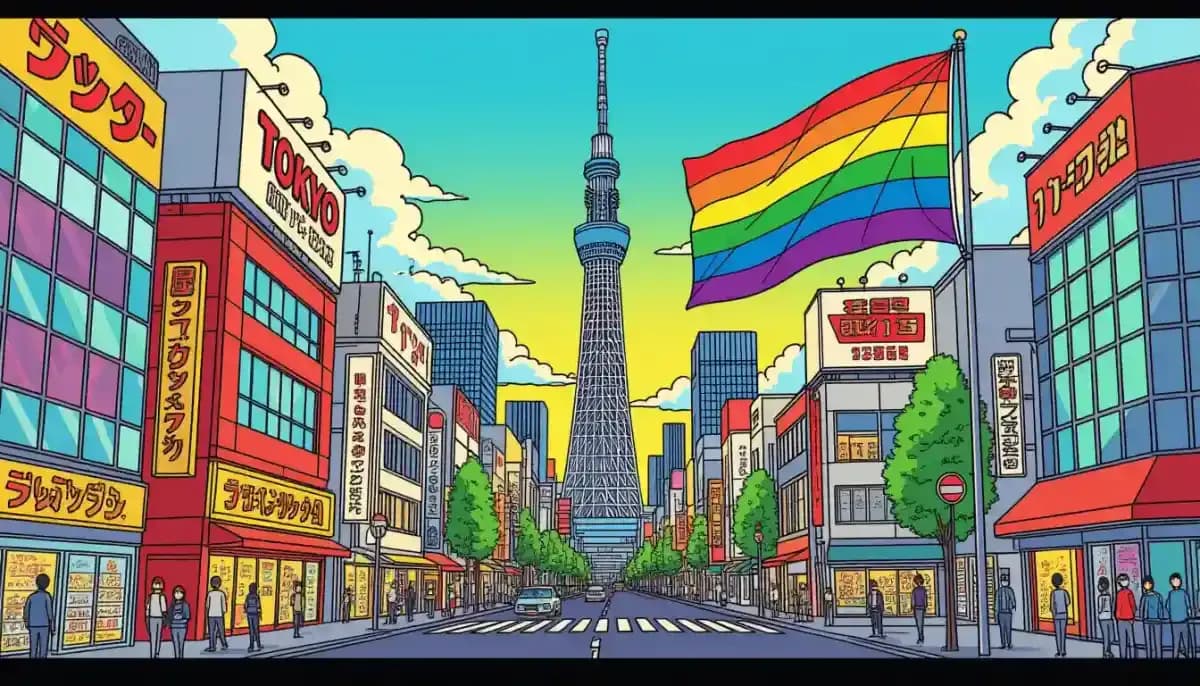
A comprehensive guide to LGBTQ life and rights in Japan for foreigners. Covers legal status, partnership certificates, community life in Shinjuku Ni-chome, workplace rights, visa challenges, and practical tips for LGBTQ expats living in Japan.
LGBTQ Life and Rights in Japan for Foreigners
Japan has long fascinated the world with its blend of ancient tradition and ultra-modern culture. For LGBTQ foreigners considering a move to Japan, the picture is nuanced: the country offers a vibrant queer community, remarkable safety, and increasingly progressive local attitudes—yet national legal protections remain limited. This guide covers everything you need to know about LGBTQ life and rights in Japan as a foreigner, from legal realities and visa concerns to community life and practical tips for day-to-day living.
\!LGBTQ Pride Flag Over Tokyo Skyline

Legal Status of LGBTQ Rights in Japan
Japan does not recognize same-sex marriage at the national level, making it the only G7 country without marriage equality. However, the legal landscape is shifting rapidly. In 2024 and 2025, high courts in Tokyo, Sapporo, and Fukuoka all issued rulings that the lack of legal recognition for same-sex partnerships was unconstitutional, creating mounting pressure on Japan's parliament to act.
In a significant step, the Japanese government announced in January 2025 that it would recognize same-sex couples' relationships in the context of 33 laws—an important signal of change, even if full marriage equality remains elusive. These laws cover areas like social security, housing, and hospital visitation, offering practical benefits even without formal marriage rights.
For LGBTQ foreigners, it's crucial to understand that:
- Same-sex marriages performed abroad are not automatically recognized in Japan
- Same-sex couples cannot obtain a standard spouse visa based on their relationship
- The Ministry of Justice does exercise discretion in issuing a "designated activities" visa to same-sex married foreign spouses, but this is not guaranteed
- Adoption by same-sex couples remains generally unavailable nationwide
Despite these gaps, the direction of change is positive, and each year brings new developments in Japan's LGBTQ legal landscape.
The Partnership Certificate System
One of the most practical tools available to LGBTQ couples in Japan is the Partnership Oath System (パートナーシップ宣誓制度). As of October 2025, an impressive 509 municipalities and 31 prefectures have adopted some form of partnership certification, covering more than 92% of Japan's population.
This system allows same-sex couples to register their relationship with local government, receiving a certificate that can be used for:
- Hospital visitation rights and consent for a partner's medical treatment
- Joint applications for public housing
- Being listed as a family member for company benefit plans (at participating employers)
- Emergency notification and decision-making in some situations
It's important to note that partnership certificates are not legally binding in the same way as marriage. There is no legal obligation for landlords or hospitals to honor them, though many do. The certificate is most useful in cities and regions that have official policies supporting it.
| Municipality | Partnership System | Year Introduced |
|---|---|---|
| Shibuya Ward, Tokyo | Partnership Oath | 2015 (first in Japan) |
| Sapporo | Partnership Certificate | 2017 |
| Osaka | Partnership Certificate | 2018 |
| Fukuoka | Partnership Certificate | 2019 |
| Yokohama | Partnership Certificate | 2020 |
| All Tokyo Wards | Partnership Certificate | 2022 |
For foreigners, obtaining a partnership certificate typically requires a residence card (在留カード) and proof of address. Most municipalities do not require Japanese citizenship, making it accessible to long-term foreign residents.
LGBTQ Community Life in Japan
Despite the legal complexities, Japan has a remarkably vibrant LGBTQ community, particularly in major cities. Foreigners often find the community welcoming and the social scene more open than Japan's conservative reputation might suggest.
Shinjuku Ni-chome: The Heart of Tokyo's LGBTQ Scene
Shinjuku Ni-chome (新宿二丁目) is renowned as one of the world's most concentrated LGBTQ entertainment districts, with over 300 gay bars, clubs, and community spaces packed into a few blocks. From intimate dive bars to trendy clubs, drag shows to lesbian cafes, Ni-chome offers something for everyone.
For foreigners new to Tokyo's LGBTQ scene, Ni-chome is the best starting point. Many establishments have English-speaking staff, and the area is known for being exceptionally welcoming to international visitors. The neighborhood also hosts daytime community spaces, bookstores, and the Akta community center, which serves as an information hub for LGBTQ people in Tokyo (though most services are in Japanese).
LGBTQ Community Resources for Foreigners
- Stonewall Japan – An organization specifically focused on supporting LGBTQ foreigners living in Japan. A great first port of call for newcomers seeking community connections, legal information, and social events
- Tokyo Rainbow Pride – Japan's largest LGBTQ event, held during Golden Week (late April/early May) at and around Yoyogi Park. Attendance has grown to hundreds of thousands of participants
- Akta Community Center – Located in Shinjuku Ni-chome, offering resources, events, and a welcoming space
- JobRainbow – Japan's largest LGBT-friendly job board, connecting job seekers with inclusive employers (650,000+ monthly visitors)
- Osaka and Fukuoka – Both cities have growing LGBTQ communities and scenes, making them attractive alternatives to Tokyo
\!Shinjuku Ni-chome Street at Night

LGBTQ Foreigners and the Workplace in Japan
The workplace remains one of the most challenging environments for LGBTQ people in Japan. Studies show that more than 70% of LGBTQ individuals conceal their identity at work, with about 40% reporting having a difficult time professionally.
The national landscape for workplace protections is limited—sexual orientation and gender identity are not explicitly protected by Japan's civil rights laws. However, there is significant variation:
- Tokyo and Osaka have introduced anti-discrimination ordinances covering employment
- Nearly 40% of major Japanese corporations (per a 2022 Japan Business Federation survey) have implemented some form of pro-LGBTQ+ policy
- Large international companies operating in Japan typically offer strong LGBTQ+ inclusion policies
- Traditional Japanese corporate culture remains more conservative
For LGBTQ foreigners job hunting in Japan, resources like JobRainbow can help identify genuinely inclusive employers. Many multinational companies—especially in tech, finance, and creative industries—operate openly LGBTQ+-friendly workplaces in Japan.
For more on navigating Japanese workplace culture as a foreigner, see our guide to Working in Japan as a Foreigner.
Safety and Social Acceptance
Japan is considered one of Asia's safest countries for LGBTQ people. While overt hostility and violence are rare, social dynamics can take adjustment for foreigners accustomed to more openly expressive queer cultures.
Key safety and social considerations:
- Public displays of affection between same-sex couples are uncommon, even in Tokyo. Conservative social norms around public expression of affection apply to all couples, but LGBTQ couples may feel additional pressure
- Urban vs. rural divide – Major cities (Tokyo, Osaka, Sapporo, Fukuoka) are significantly more accepting than rural areas
- Younger generations show the strongest support for LGBTQ+ rights, with surveys showing acceptance levels rising steadily year over year
- Transgender travelers may face additional challenges at ID checks, as Japan's passport and ID systems are based on legal gender markers. Carrying supporting documentation is advisable
- Housing discrimination is a concern, particularly from older landlords. Cities with partnership certificates provide some protection, but enforcement is limited
Overall, most LGBTQ foreigners in Japan report feeling safe and accepted, especially within the expat and LGBTQ community bubbles in major cities.
For more on navigating daily life as a foreigner in Japan, see our Daily Life in Japan Guide for Foreigners.
Visa and Immigration for LGBTQ Couples
This is one of the most complex and important issues for LGBTQ foreigners in Japan. The short answer: same-sex couples face significant legal barriers that different-sex couples do not.
Current situation for LGBTQ foreign couples:
- No formal spouse visa pathway exists for same-sex couples
- The Ministry of Justice has the authority to grant a "designated activities" visa to same-sex spouses of Japanese residents, and has done so in documented cases (including a landmark 2023 case involving a U.S. citizen)
- Applications are reviewed case-by-case, and approval is not guaranteed
- Evidence typically required includes proof of legal marriage or registered partnership in your home country, long-term cohabitation, and financial ties
Practical advice for LGBTQ couples:
- Consult with an immigration lawyer experienced in LGBTQ+ cases before applying
- Document your relationship thoroughly (photos, joint finances, travel history)
- Consider which of you will hold the primary visa and structure visa applications accordingly
- Check whether your home country recognizes Japanese municipal partnership certificates for any visa purposes
For comprehensive visa information, see our Japan Visa and Immigration Guide.
Key Organizations and Resources
| Organization | Focus | Website |
|---|---|---|
| Stonewall Japan | LGBTQ foreigners support | stonewalljapan.org |
| Tokyo Rainbow Pride | Annual pride event | tokyorainbowpride.com |
| Akta (Shinjuku) | Community center | akta.jp |
| JobRainbow | LGBT-friendly job board | jobrainbow.jp |
| OCCUR | LGBTQ advocacy | occur.or.jp |
| NIJIIRO DIVERSITY | Workplace inclusion | nijiiro-diversity.com |
For further reading on Japanese law and culture relevant to foreigners, our guides to Marriage and Relationships in Japan and Making Friends and Social Life in Japan offer additional context.
The Future of LGBTQ Rights in Japan
The momentum for change in Japan is real. Court rulings, municipal policies, and shifting public opinion—especially among younger generations—point toward eventual marriage equality. The rapid expansion of the partnership certificate system from just one ward in 2015 to 509 municipalities in 2025 demonstrates how quickly change can happen when there is social will.
For LGBTQ foreigners considering Japan as a destination, the honest picture is this: Japan offers remarkable safety, a vibrant community, and genuine warmth—alongside legal structures that have not yet caught up with its social progress. With the right resources, community connections, and legal guidance, many LGBTQ foreigners build happy, fulfilling lives in Japan.
For broader guidance on living in Japan as a foreigner, explore resources at Living in Nihon, For Work in Japan, and Ittenshoku for career support. For detailed LGBTQ+ rights information, JoynTokyo's LGBTQ+ Rights Guide and Japan Gay Guide are excellent English-language resources.
The path ahead for LGBTQ rights in Japan may be gradual, but for those ready to embrace the journey, Japan remains one of the most fascinating and rewarding places to call home.

Originally from Vietnam, living in Japan for 16+ years. Graduated from Nagoya University, with 11 years of professional experience at Japanese and international companies. Sharing information about living in Japan for foreigners.
View Profile →Related Articles

Managing Long Distance Relationships When Moving to Japan
Moving to Japan doesn't have to end your relationship. Learn how to manage a long-distance relationship after relocating to Japan: communication tools, time zone tips, visit planning, and visa pathways to close the gap.
Read more →
Cultural Differences in Japanese Romantic Relationships
Discover the key cultural differences in Japanese romantic relationships: kokuhaku confessions, amae dependence, gift-giving customs, gender roles, PDA norms, and family expectations — a complete guide for foreigners dating in Japan.
Read more →
Marriage Registration Documents Required in Japan
Complete guide to marriage registration documents required in Japan for foreigners. Learn what documents you need, how to get the Certificate of No Impediment, and the step-by-step registration process at city hall.
Read more →
Common Law and Domestic Partnership in Japan Explained
Learn everything about common law partnerships (jijitsu-kon) and domestic partnership certificates in Japan. Understand visa implications, legal rights, inheritance, and what foreigners need to know.
Read more →
Wedding Ceremony Options in Japan for Foreign Couples
Discover all wedding ceremony options in Japan for foreign couples: Shinto shrine rituals, chapel ceremonies, and civil weddings. Compare costs, legal requirements, and tips for planning your Japan wedding.
Read more →
Best Dating Apps and Sites in Japan for Foreigners
Discover the best dating apps and sites in Japan for foreigners and expats. Compare Tinder, Bumble, Pairs, Omiai, and more with tips on Japanese dating culture, costs, and what actually works.
Read more →