
Managing Long Distance Relationships When Moving to Japan

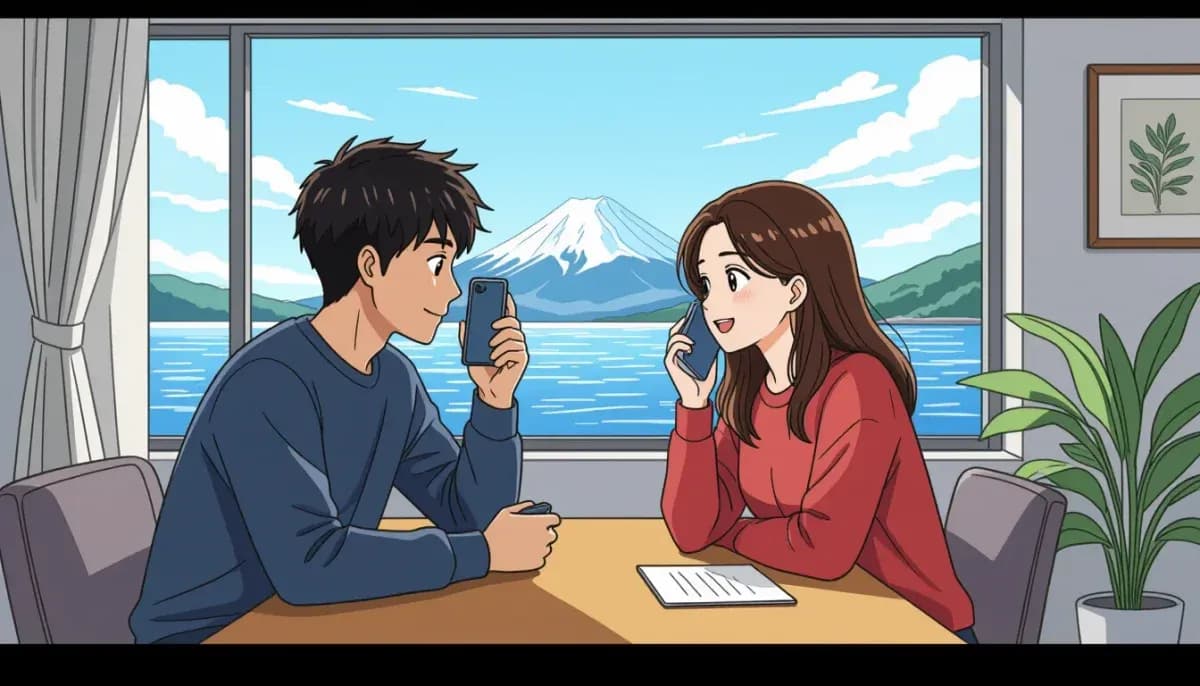
Moving to Japan doesn't have to end your relationship. Learn how to manage a long-distance relationship after relocating to Japan: communication tools, time zone tips, visit planning, and visa pathways to close the gap.
Managing Long Distance Relationships When Moving to Japan
Moving to Japan is an exciting life change, but if you're leaving a partner behind — even temporarily — the shift to a long-distance relationship (LDR) can feel overwhelming. The good news: research shows that 60% of long-distance relationships succeed in the long run, and 65% of couples report that the experience actually made their bond stronger. With the right strategies, you can maintain and even deepen your connection across thousands of miles and multiple time zones.
This guide covers everything you need to know about managing a long-distance relationship when relocating to Japan — from communication tools and scheduling to visa pathways for eventually closing the gap.
Understanding the Unique Challenges of Japan LDRs
Not all long-distance relationships are created equal. Japan presents some specific hurdles that couples should prepare for:
Time Zone Differences Japan Standard Time (JST, UTC+9) does not observe daylight saving time. This means:
- Japan is 13–17 hours ahead of the US (East Coast: 14 hours; West Coast: 17 hours)
- Japan is 8–9 hours ahead of Western Europe
- Japan is 1–2 hours ahead of Southeast Asia
For US-based partners, a workable overlap window might be 7–9 AM EST (8–10 PM JST), requiring one partner to adjust their schedule significantly.
Cultural Communication Styles Japanese communication culture tends toward indirectness and restraint in expressing emotions verbally. If your partner is Japanese, don't interpret less frequent "I love you" messages as a sign of fading interest — actions and consistency often speak louder than words in Japanese relational culture. Open, early conversations about communication expectations can prevent significant misunderstandings.
Loneliness in a Foreign Country Japan can be intensely isolating, especially in the early months. Language barriers, a demanding work culture, and unfamiliar social norms can create stress that strains relationships. Understanding this emotional landscape helps both partners extend patience.
Communication Tools That Actually Work
Staying connected across the Japan time zone gap requires both the right tools and the right habits.
Must-Have Apps for Japan LDRs
| App | Best For | Cost | Notes |
|---|---|---|---|
| LINE | Messaging, voice & video calls | Free | Dominant in Japan; most Japanese people use this |
| Zoom / Google Meet | Video "date nights" | Free / Paid | Better quality for longer calls |
| Messaging if partner prefers | Free | Less common in Japan | |
| Skype | International calls to landlines | Low cost | Useful if calling non-smartphone users |
| Notion / Google Docs | Shared journals, planning | Free | Great for async connection |
| Marco Polo | Async video messages | Free | Send video messages without needing live overlap |
LINE is essential if your partner is Japanese or if you're building a social life in Japan. Even non-Japanese partners find it ubiquitous in the country.
Communication Habits That Sustain LDRs
- Schedule a weekly video "date night" — pick a consistent day and time, treat it like a real date
- Send good morning / good night messages — small daily touchpoints maintain emotional proximity
- Use async tools like Marco Polo or voice messages when time zones make live calls impractical
- Share your daily life — photos of your meals, neighborhood, and new experiences help your partner feel included
- Agree on a maximum gap rule — many successful LDR couples commit to a 24-hour maximum without contact
Research shows that 82% of successful LDR couples emphasize clear, open communication as their foundation, while 85% cite trust as their primary pillar. Both require active, intentional effort.
Planning Visits: Making In-Person Time Count
Physical visits are the lifeblood of a long-distance relationship. Having a concrete plan dramatically increases success — studies show that having a defined "end date" for the distance increases success probability by 30%.
Realistic Visit Frequency
- From the US or Europe: 2–3 visits per year is realistic given flight costs (typically $600–$1,500 USD round-trip from the US; €500–€1,200 from Europe)
- From Southeast Asia: Monthly visits may be possible given shorter flight times and lower costs
- From Australia: 3–4 visits per year is achievable
Maximizing Your Time Together
When your partner visits Japan (or you return home):
- Mix tourist experiences with daily life — show them your actual routine, not just highlights
- Plan activities in advance to reduce decision fatigue during short visits
- Discuss the future — every visit is an opportunity to align on timeline and goals
- Acknowledge the goodbye — create a ritual around departures to honor the emotion rather than suppress it
For information on visa options for bringing your partner to Japan, see our guide to Japan visa and immigration.
!Partners reuniting at a Japanese airport after months of long-distance relationship
Financial Planning for International LDRs
48% of international LDR couples cite financial strain as a major stressor. Flights, international calls, and gift-sending add up quickly.
Estimated Annual LDR Costs
| Expense | Low Estimate | High Estimate |
|---|---|---|
| 2 round-trip flights (US ↔ Japan) | $1,200 | $3,000 |
| 3 round-trip flights (SE Asia ↔ Japan) | $300 | $900 |
| Gifts and care packages | $200 | $600 |
| Communication apps (premium plans) | $0 | $120 |
| Total (US-based partner) | $1,400 | $3,720 |
Budget tips:
- Book flights 2–3 months in advance for best prices
- Use Wise or Revolut for sending money internationally without heavy fees
- Consider splitting visit costs proportionally based on each partner's income
- Set a dedicated "relationship fund" and contribute monthly
For more on managing money in Japan, check out our guide to banking and finance in Japan.
Building Your Life in Japan While Staying Connected
A common mistake in LDRs is putting your life on "pause" until the distance closes. This breeds resentment and stagnation. Instead, embrace your new life in Japan while keeping your partner emotionally involved.
Strategies for Thriving Individually
- Build a local support network — join expat communities, language exchange groups, and hobby clubs
- Establish routines — predictable schedules make it easier to carve out regular couple time
- Share your Japan experience — blog, send postcards, or create a shared photo album so your partner can follow your journey
- Pursue language learning — investing in Japanese skills builds confidence and opens social doors (see our Complete Guide to Learning Japanese)
Keeping Your Partner Involved
- Give them a "virtual tour" of your apartment and neighborhood when you arrive
- Cook Japanese meals together over video call
- Watch the same show or movie simultaneously and discuss it (Netflix Party / Teleparty)
- Set shared goals — a trip together, a language milestone, a future date for reuniting
Navigating Cultural and Family Expectations
If you're in a relationship with a Japanese partner, cultural context matters enormously.
Japanese Family Approval
In Japan, family approval — particularly parental blessing — plays a significant role in serious relationships. If your relationship is heading toward marriage or cohabitation, initiating contact with your partner's family early (even via video call) demonstrates respect and seriousness.
Navigating Communication Differences
Japanese partners may express care through actions (sending gifts, planning future visits, handling practical tasks) rather than frequent verbal declarations. Understanding this love language prevents misinterpretation. At the same time, many Japanese people adapt their communication style significantly for international relationships — ask your partner what works best for them rather than assuming.
For more context, our guide to Japanese culture and etiquette covers communication norms in depth.
The Endgame: Closing the Distance
Every LDR needs a roadmap to reunification. Without one, motivation erodes and the relationship can feel directionless.
Visa Pathways to Living Together in Japan
- Spouse/Partner Visa: If you get married, your partner can apply for a Spouse of Japanese National visa or, if you're the foreign national, a Spouse of Foreign National in Status of Residence visa
- Dependent Visa: If your work visa permits, your partner may qualify as a dependent
- Student or Work Visa: Your partner might independently qualify for a work or student visa if they find employment or enroll in a Japanese institution
Note that upon closing the gap, approximately 1 in 3 LDR couples break up within three months. The transition from distance to cohabitation is its own adjustment — communicate openly about expectations, living arrangements, and personal space as you plan the move.
For detailed guidance on bringing a partner to Japan, see our Japan visa and immigration guide and the complete guide to moving to Japan.
Additional Resources
Several communities and resources exist specifically for expats and long-distance couples navigating Japan-based relationships:
- Savvy Tokyo offers first-person accounts of relationship navigation in Japan: savvytokyo.com
- Expat.com Japan forums provide community advice from people who've lived the experience: expat.com
- My Japan Slice shares practical LDR tips specific to Japanese relationships: myjapanslice.com
- Living in Nihon covers expat life including relationships and partnership in Japan: livinginnihon.com
- For Work in Japan provides guidance on working in Japan, which affects your ability to afford visits and eventually reunite: forworkinjapan.com
- Ittenshoku offers career transition resources for those building a life in Japan: ittenshoku.com
Key Takeaways
Long-distance relationships when moving to Japan are challenging but absolutely survivable — and often relationship-strengthening — with the right approach:
- Address time zones proactively — find your overlap window and schedule around it
- Use the right tools — LINE for Japan-based communication, video calls for depth
- Plan visits and commit to an end date — direction keeps motivation alive
- Budget for the relationship — treat LDR costs as a line item in your financial plan
- Build your Japan life fully — don't put your life on hold; involve your partner in your new world
- Discuss the path to closing the gap — understand your visa options and timeline
The distance is temporary. With communication, trust, and a clear plan, your relationship can not only survive the move to Japan — it can grow stronger for it.

Originally from Vietnam, living in Japan for 16+ years. Graduated from Nagoya University, with 11 years of professional experience at Japanese and international companies. Sharing information about living in Japan for foreigners.
View Profile →Related Articles

LGBTQ Life and Rights in Japan for Foreigners
A comprehensive guide to LGBTQ life and rights in Japan for foreigners. Covers legal status, partnership certificates, community life in Shinjuku Ni-chome, workplace rights, visa challenges, and practical tips for LGBTQ expats living in Japan.
Read more →
Cultural Differences in Japanese Romantic Relationships
Discover the key cultural differences in Japanese romantic relationships: kokuhaku confessions, amae dependence, gift-giving customs, gender roles, PDA norms, and family expectations — a complete guide for foreigners dating in Japan.
Read more →
Marriage Registration Documents Required in Japan
Complete guide to marriage registration documents required in Japan for foreigners. Learn what documents you need, how to get the Certificate of No Impediment, and the step-by-step registration process at city hall.
Read more →
Common Law and Domestic Partnership in Japan Explained
Learn everything about common law partnerships (jijitsu-kon) and domestic partnership certificates in Japan. Understand visa implications, legal rights, inheritance, and what foreigners need to know.
Read more →
Wedding Ceremony Options in Japan for Foreign Couples
Discover all wedding ceremony options in Japan for foreign couples: Shinto shrine rituals, chapel ceremonies, and civil weddings. Compare costs, legal requirements, and tips for planning your Japan wedding.
Read more →
Best Dating Apps and Sites in Japan for Foreigners
Discover the best dating apps and sites in Japan for foreigners and expats. Compare Tinder, Bumble, Pairs, Omiai, and more with tips on Japanese dating culture, costs, and what actually works.
Read more →