
Stages of Culture Shock When Living in Japan

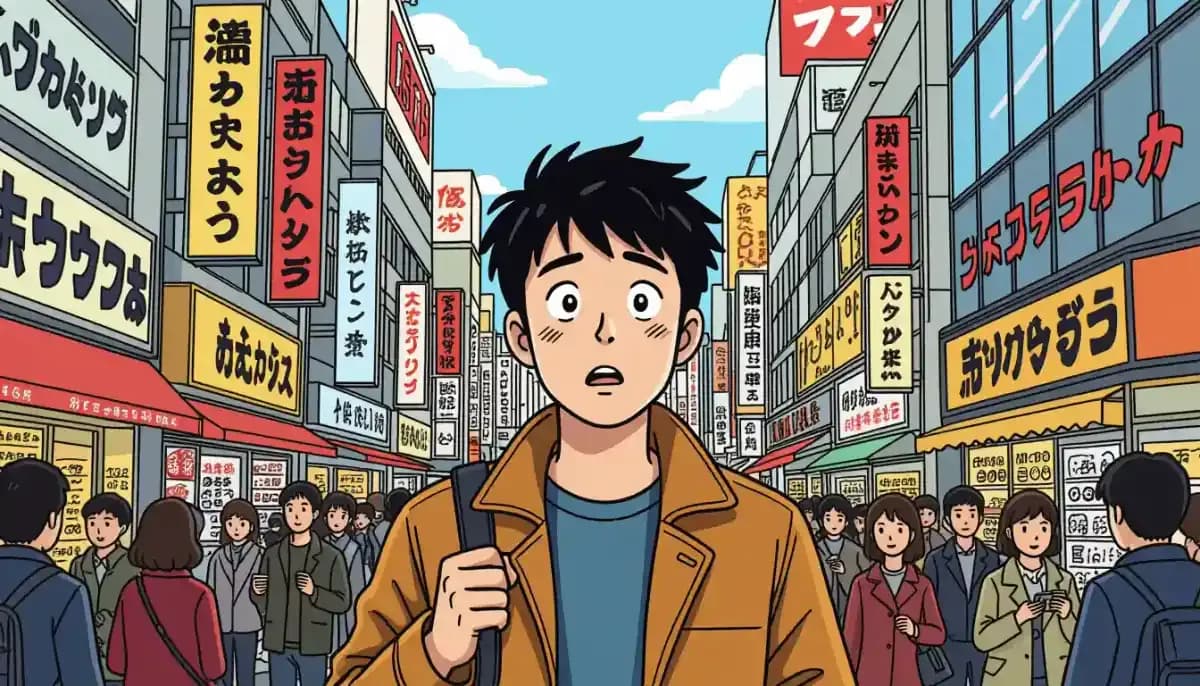
Understand the 4 stages of culture shock when living in Japan — from honeymoon to acceptance. Practical tips for expats and foreigners to adjust and thrive.
Stages of Culture Shock When Living in Japan: A Complete Guide for Foreigners
Moving to Japan is one of the most exciting decisions you can make. The country offers a unique blend of ancient traditions and cutting-edge modernity, world-class cuisine, exceptional safety, and remarkable efficiency. But along with the excitement comes a very real psychological challenge: culture shock.
Culture shock is not a sign of weakness or failure — it is a natural, well-documented psychological response to being immersed in an unfamiliar environment. Nearly every foreigner who has lived in Japan has experienced some version of it. Understanding the stages of culture shock, recognizing its symptoms, and knowing how to move through them can make the difference between thriving in Japan and burning out.
This guide walks you through the four main stages of culture shock when living in Japan, the unique cultural factors that make Japan particularly challenging to adjust to, and practical strategies to help you reach genuine comfort and integration.
What Is Culture Shock?
Culture shock refers to the anxiety, disorientation, and emotional distress that arise when a person is exposed to a culture significantly different from their own. It occurs because we rely on unconscious social cues — body language, norms, language, humor, routines — to navigate daily life. When those familiar cues disappear, we feel lost.
Japan, with its deeply specific etiquette system, indirect communication style, language barrier, and strong in-group/out-group social dynamics, is considered one of the more challenging countries for foreigners to adjust to. A Ministry of Justice survey in 2017 found that 30% of foreign residents in Japan had experienced discrimination, with 40% having been turned away when seeking housing and 25% denied a job due to their nationality. These real-world challenges add another layer to the normal adjustment process.
Despite the challenges, Japan employed 2.3 million foreign workers in 2024, a 12% rise from the previous year, and hundreds of thousands of expats have made Japan their long-term home. The key is understanding what you will go through and preparing accordingly.
The Four Stages of Culture Shock in Japan
The most widely accepted model of culture shock identifies four main stages. Most people pass through all of them, though the intensity and duration of each stage varies greatly depending on personality, language ability, social support, and prior travel experience.
Stage 1: The Honeymoon Phase
When you first arrive in Japan, everything feels magical. The vending machines, the cleanliness of the streets, the politeness of strangers, the extraordinary food, the temples and shrines tucked between skyscrapers — all of it feels like a dream.
During the honeymoon phase, you are energized and curious. Language barriers feel like fun puzzles rather than frustrating obstacles. You overlook inconveniences and interpret everything with a sense of wonder. Social media posts from this period tend to be glowing.
This phase typically lasts from a few weeks to a few months, depending on the individual. Enjoy it — but know that it will not last forever, and that is perfectly normal.
Common honeymoon phase experiences in Japan:
- Being delighted by vending machines selling hot and cold drinks
- Marveling at the punctuality and cleanliness of public transport
- Feeling charmed by the politeness and helpfulness of Japanese people
- Overindulging in ramen, sushi, and izakaya food
- Exploring shrines, parks, and neighborhoods with boundless enthusiasm
Stage 2: The Frustration and Rejection Phase
This is the stage most people mean when they say "culture shock." As the initial excitement fades, the real challenges of living in Japan start to surface. What once seemed charming now feels exhausting or alienating.
Research suggests that the most challenging period of cultural adjustment typically occurs between two and six months after arrival. This is when many foreigners hit an emotional wall.
Common symptoms during this stage include:
- Irritability and being quick to anger over small inconveniences
- Intense homesickness
- Anxiety, depression, or a persistent sense of hopelessness
- Panic attacks or physical symptoms like insomnia, headaches, and appetite loss
- Loss of motivation and self-confidence
- Withdrawing from social activities and spending time only with other foreigners
- Frustration with language barriers that now feel insurmountable
- Feeling invisible or perpetually "other"
Japan-specific frustrations that commonly emerge during this phase include:
- Indirect communication: Japanese people often express disagreement or discomfort through silence, vague language, or subtle nonverbal cues. Foreigners who are used to direct communication can misread situations and feel confused or excluded.
- The "foreigner ceiling": Some foreigners feel that no matter how hard they try, they will always be treated as an outsider — asked where they are from even after years in Japan, spoken to in English even when their Japanese is fluent.
- Bureaucratic complexity: Registering your address, opening a bank account, setting up a phone plan, and dealing with government offices can be genuinely difficult for non-Japanese speakers.
- Social isolation: While Japanese people are polite, building deep friendships can take much longer than in many other cultures. The concept of uchi (inside group) and soto (outside group) means foreigners often feel stuck on the outside.
- Work culture: If you are working in a Japanese company, the long hours, hierarchical structure, and expectation of group harmony over individual expression can be deeply disorienting.
It is important to recognize this stage for what it is: a temporary psychological adjustment process, not a sign that you made the wrong decision moving to Japan.
Stage 3: The Adjustment Phase
Gradually — sometimes imperceptibly — things begin to get easier. You start to understand Japan's social logic. The language barrier becomes less terrifying as you pick up key phrases and patterns. You develop routines. You find your favorite local restaurant, your preferred walking route, your go-to supermarket.
During the adjustment phase, you begin to regain a sense of control over your environment. You stop comparing every aspect of Japan unfavorably to your home country and begin to appreciate the differences on their own terms.
Signs you are in the adjustment phase:
- You navigate trains, shops, and government offices with increasing confidence
- You understand more Japanese than you expected
- You have a small but meaningful social circle
- You have developed routines that give your days structure
- You find humor in situations that once frustrated you
- You feel genuine enjoyment during local festivals, seasons, and daily rituals
Language study is one of the most powerful accelerants for this phase. Even a basic conversational ability in Japanese — greetings, shopping phrases, navigating restaurants — dramatically changes how you experience daily life. For a complete resource, see our guide on learning Japanese as a foreigner.
Stage 4: The Acceptance Phase
The acceptance phase does not mean you agree with everything about Japanese culture or that you never feel frustrated. It means you have developed a functional, comfortable relationship with the country and culture.
At this stage, many long-term Japan residents develop what is sometimes called a "bicultural identity" — they maintain their home culture values while genuinely integrating elements of Japanese culture into their daily life. They can move fluidly between both worlds.
What acceptance looks like:
- Japan feels like home, not a foreign place you are visiting indefinitely
- You can articulate what you love about Japan and what you genuinely disagree with — without either blind admiration or resentment
- You have meaningful relationships with both Japanese people and fellow expats
- You handle unexpected challenges (illness, bureaucracy, natural disasters) without catastrophizing
- You mentor newer arrivals who are going through their own honeymoon or frustration phases
Research supports the long view: studies of Brazilian workers in Japan found that those who had lived there more than five years had significantly fewer mental health issues compared to those who had been there for a shorter time. Adjustment is real and it does happen — but it takes time.
Japan-Specific Culture Shocks: What Surprises Foreigners Most
Understanding the specific cultural differences that trigger culture shock in Japan can help you prepare mentally before you arrive. Here is a breakdown of the most commonly reported culture shocks:
| Cultural Aspect | Japan | Many Western Countries |
|---|---|---|
| Tipping | Never — considered rude | Expected and important |
| Garbage disposal | Strict sorting rules, few public bins | Simpler, more bins available |
| Shoes indoors | Always removed at the door | Varies widely |
| Noise in public | Generally quiet — talking loudly is frowned upon | More relaxed about noise |
| Communication style | Indirect, nonverbal, context-heavy | Often direct and explicit |
| Work hours | Often long; presenteeism common | Varies by country |
| Customer service | Extraordinarily attentive (omotenashi) | More casual |
| Public bathing | Common at onsen and sento | Rare |
| Social hierarchy | Strongly felt; honorifics matter | Flatter social structures |
| Emergency preparedness | High — regular earthquake drills | Less ingrained |
Understanding these differences intellectually before you arrive can reduce the shock when you encounter them in real life. For deeper context on Japanese customs and etiquette, see our guide on Japanese culture and etiquette for foreigners.
How to Cope With Culture Shock in Japan: Practical Strategies
Knowing that culture shock is coming is not enough — you need concrete strategies to move through it.
1. Build a Routine Early
A predictable daily structure is one of the most powerful antidotes to culture shock. Even something as simple as a morning walk, a regular coffee spot, or weekly language exchange attendance creates a sense of stability and belonging in an unfamiliar environment.
2. Learn Japanese — Even a Little
Language ability is consistently identified in research as one of the strongest predictors of successful cross-cultural adjustment. You do not need to become fluent, but basic conversational Japanese will transform your daily experience. Start with hiragana, essential phrases, and numbers. See our complete guide to learning Japanese for resources and strategies.
3. Connect With Others — Both Expats and Japanese People
Social isolation is one of the biggest risk factors for severe culture shock. Seek out communities — language exchanges, sports clubs, hobby groups, foreigner meetups, neighborhood associations (chonaikai). Both expat connections (who understand what you are going through) and Japanese friendships (who help you integrate) are valuable. Our guide to making friends and social life in Japan has practical tips for both.
4. Stay Connected to Home — But Not Too Much
Regular video calls with family and friends back home provide emotional anchoring. However, spending all your emotional energy in your home country while physically living in Japan can actually delay adjustment. Balance connection to home with active investment in your life in Japan.
5. Explore Japan's Nature and Culture Intentionally
When frustration peaks, one of the best responses is to reconnect with what drew you to Japan in the first place. Visit an onsen, attend a local matsuri, hike in the mountains, find a beautiful shrine. Japan's natural beauty and cultural richness are always there as a resource.
6. Maintain Physical Health
The link between physical wellbeing and mental resilience is direct. Regular exercise, proper sleep, and eating well — even in a new food environment — significantly reduce the psychological impact of culture shock.
7. Seek Professional Support If Needed
If culture shock symptoms persist or intensify — particularly if you are experiencing depression, anxiety disorders, or thoughts of self-harm — professional support is available. Japan has English-speaking counselors, therapists, and psychiatrists, particularly in major cities. For a comprehensive list of resources, see our guide to healthcare in Japan for foreigners.
For additional strategies and community resources, Living in Nihon's guide to culture shock stages offers helpful perspectives from long-term Japan residents. For those navigating work-related adjustment challenges, For Work in Japan provides resources specifically focused on professional integration in Japan. Career-transition resources like Ittenshoku can also be useful for those exploring the Japanese job market during their adjustment process.
How Long Does Culture Shock Last?
There is no universal answer. For some people, the frustration phase passes in weeks. For others, it persists for years — particularly if they remain socially isolated, avoid learning the language, or never build meaningful Japanese relationships.
General timeframes based on research and expat accounts:
| Phase | Typical Duration |
|---|---|
| Honeymoon | 2 weeks – 3 months |
| Frustration | 2 – 12 months |
| Adjustment | Gradual; often 6 months – 2 years in |
| Acceptance | Ongoing; typically solidifies after 2-3 years |
These are averages, not rules. Many factors influence the timeline: language ability, social connections, previous international experience, the similarity of your home culture to Japanese culture, and your employment situation.
Reverse Culture Shock: Returning Home After Japan
One aspect of the cultural adjustment journey that is often overlooked is reverse culture shock — the disorientation that occurs when you return to your home country after living in Japan.
Many long-term Japan residents report that reverse culture shock is actually more intense than the original culture shock in Japan. After years of experiencing Japan's efficiency, safety, cleanliness, and social harmony, returning to your home country can feel jarring in unexpected ways.
This is worth knowing before you move to Japan. The experience changes you — and that is not a bad thing.
Final Thoughts: Culture Shock Is Part of the Journey
Culture shock is not a problem to be solved — it is a process to be moved through. Every foreigner who has built a meaningful life in Japan has gone through some version of what this article describes.
The key insights to carry with you:
- It is normal. You are not failing. You are adjusting.
- It is temporary. The frustration phase does not last forever.
- Language is your greatest tool. Even basic Japanese changes everything.
- Community matters. Isolation makes it worse; connection makes it better.
- It takes 2-3 years. Genuine comfort and acceptance takes time — be patient with yourself.
Japan rewards patience and genuine engagement. The country's culture is rich, complex, and unlike anywhere else on earth. The culture shock you experience moving there is proportional to the depth and uniqueness of what you are stepping into.
For more on navigating daily life in Japan as a foreigner, explore our comprehensive guides on daily life in Japan for foreigners and the complete guide to moving to Japan.
Additional reading:

Originally from Vietnam, living in Japan for 16+ years. Graduated from Nagoya University, with 11 years of professional experience at Japanese and international companies. Sharing information about living in Japan for foreigners.
View Profile →Related Articles
Counseling Services in Japan Available in English
Find English-speaking counseling and therapy services in Japan. Complete guide for foreigners including TELL Japan, Tokyo Mental Health, cost information, crisis hotlines, and online therapy options.
Read more →
Maintaining Overall Wellbeing as an Expat in Japan
A complete guide to maintaining physical, mental, and social wellbeing as an expat in Japan. Covers healthcare, mental health resources, work-life balance, and community building.
Read more →
Meditation and Mindfulness Practices in Japan
Discover how to practice meditation and mindfulness in Japan as a foreigner. From zazen at Zen temples to shinrin-yoku forest bathing, find your practice in Japan.
Read more →
Japanese Attitudes Toward Mental Health Explained
Understand Japanese attitudes toward mental health, stigma culture, and practical resources for foreigners seeking mental health support in Japan. Complete guide for expats.
Read more →
Seasonal Affective Disorder in Japan How to Manage
Struggling with seasonal mood changes in Japan? Learn how to recognize, treat, and manage Seasonal Affective Disorder (SAD) as a foreigner, including Japan-specific tips for tsuyu, gogatsubyou, and winter depression.
Read more →
Self Care Practices and Wellness in Japan
Discover the best self-care practices and wellness traditions in Japan for foreigners — from onsen and shinrin-yoku to mental health resources and meditation. Build your routine today.
Read more →