
Prescription Medicine in Japan How It Works

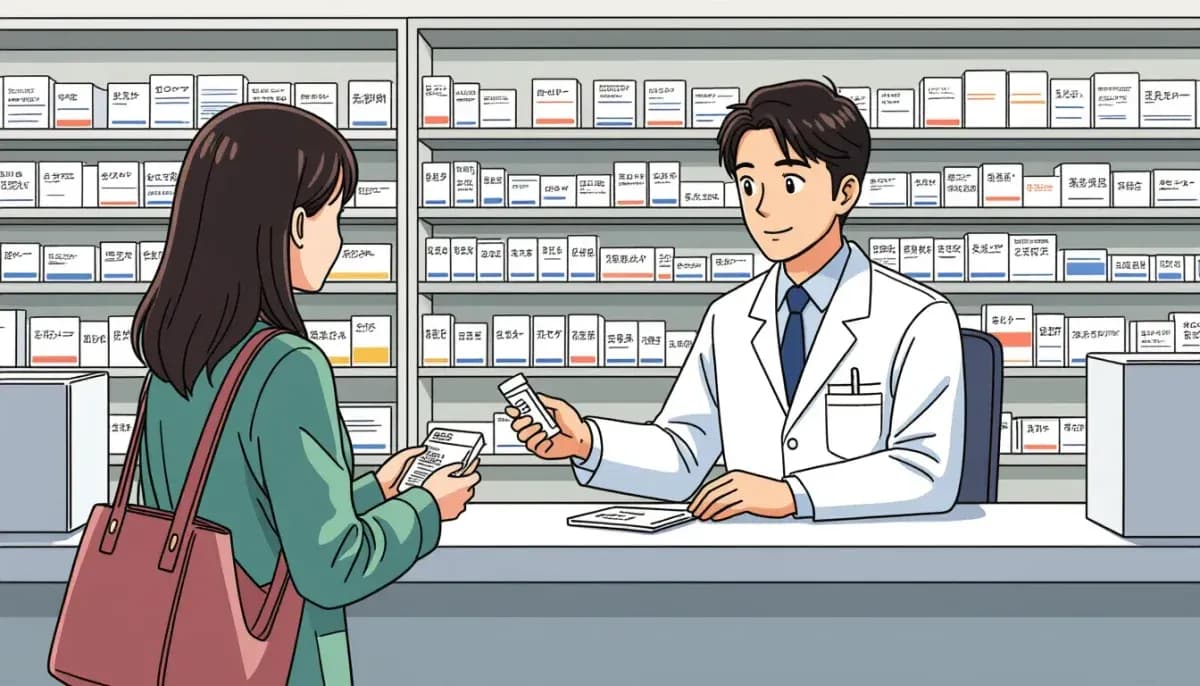
Learn how prescription medicine works in Japan as a foreigner. Covers costs, insurance coverage, banned medications, pharmacy system, and tips for getting prescriptions filled.
Prescription Medicine in Japan: How It Works
Getting prescription medicine in Japan can feel overwhelming when you first arrive as a foreigner. The system works differently from most Western countries, with a strict separation between prescribing and dispensing, unique rules about what medications are available, and a surprisingly affordable cost structure thanks to universal health insurance. This guide walks you through everything you need to know about obtaining prescription medication in Japan.
How the Japanese Prescription System Works
Japan uses a separated prescribing and dispensing system (医薬分業, iyaku bungyō). Unlike countries where your doctor hands you medication directly, in Japan you follow a two-step process:
- Visit a clinic or hospital — The doctor examines you and writes a prescription (処方箋, shohōsen)
- Take the prescription to a pharmacy — A separate pharmacy (調剤薬局, chōzai yakkyoku) fills your prescription
This separation exists to prevent conflicts of interest and ensure proper medication checks. You will almost always find pharmacies clustered near clinics and hospitals for convenience.
One critical rule to remember: prescriptions are only valid for 4 days, including the day they are issued. Weekends and holidays count toward this deadline. If you miss the window, you will need to visit the doctor again for a new prescription.
What You Need to See a Doctor
Before visiting a clinic, prepare the following:
- Health insurance card (健康保険証) or My Number card linked to insurance
- Medication notebook (お薬手帳, okusuri techō) if you have one
- List of current medications you are taking
- Photo ID (residence card or passport)
For your first visit to any clinic, you will need to fill out a medical questionnaire (問診票, monshin-hyō). Many clinics in major cities like Tokyo and Osaka have English-speaking doctors available, though appointments may be needed at international clinics.
Walk-in visits are common at neighborhood clinics. However, visiting a large hospital directly without a referral incurs an extra fee of ¥5,000 to ¥7,000, so always start with a local clinic.
Costs and Insurance Coverage
Japan's health insurance system makes prescription medication remarkably affordable. Here is a breakdown of typical costs:
| Item | Cost with Insurance (30% copay) | Cost without Insurance |
|---|---|---|
| Clinic visit (general) | ¥1,000–¥3,000 | ¥3,000–¥10,000 |
| Specialist consultation | ¥2,000–¥5,000 | ¥7,000–¥15,000 |
| Common prescription (2 weeks) | ¥500–¥2,000 | ¥1,500–¥6,000 |
| Pharmacy dispensing fee | ¥200–¥500 | ¥600–¥1,500 |
| Monthly out-of-pocket cap | ~¥80,000–¥90,000 | N/A |
Working-age adults enrolled in National Health Insurance (NHI) or Employee Health Insurance (Shakai Hoken) pay 30% of all medical and prescription costs. Children and elderly patients pay even less — typically 10% to 20%.
Foreign residents staying in Japan for 3 months or longer are required by law to enroll in health insurance. If you are employed, your company enrolls you in Shakai Hoken automatically. Self-employed or freelance workers enroll in NHI through their local ward office.
For detailed information about the insurance enrollment process, check out the health insurance guide on Living in Nihon.
Prescription Supply Limits and Refills
Doctors in Japan typically prescribe limited supplies per visit:
- 14 days is the most common prescription length for new medications
- 28 to 30 days is the maximum for most established prescriptions
- 90 days is possible for some chronic conditions with stable patients
Since 2022, Japan introduced a refill prescription system (リフィル処方箋) for patients with stable chronic conditions. This allows you to use the same prescription up to 3 times within a doctor-specified period, with a flexible pickup window of ±7 days. This means fewer clinic visits for ongoing medications like blood pressure or cholesterol drugs.
Your pharmacist will track your prescriptions in your medication notebook (お薬手帳). This small booklet records every prescription you receive, helping prevent dangerous drug interactions. Most pharmacies also offer digital versions through smartphone apps.
Generic Medications and Cost Savings
Japan actively promotes the use of generic medications (ジェネリック医薬品) to reduce healthcare costs. When filling a prescription, your pharmacist will typically ask whether you prefer the brand-name drug or a generic alternative.
Generic drugs in Japan contain the same active ingredients and must meet the same safety standards, but cost 30% to 80% less than brand-name equivalents. Switching to generics is one of the easiest ways to reduce your cost of living in Japan.
Japan's pharmaceutical market — the third largest globally at approximately $74.8 billion — offers over 22,000 types of prescription medications. This means most common medications you might need are readily available.
Banned and Restricted Medications
Some medications that are perfectly legal in other countries are strictly prohibited in Japan. Understanding these restrictions is essential to avoid serious legal trouble.
Completely banned substances:
- Amphetamines and methamphetamines (including Adderall and Dexedrine for ADHD)
- Lisdexamfetamine (Vyvanse/Elvanse)
- Codeine in large quantities
- Cannabis-derived products (including CBD oil with trace THC)
Restricted but importable with documentation:
- Certain sleeping pills and anti-anxiety medications
- Strong painkillers containing opioids
- Methylphenidate (Concerta) — available in Japan but regulated
If you currently take ADHD medication, consult the Accessible Japan guide on banned medications and speak with your doctor about alternative treatments available in Japan before moving.
For the official import rules, visit the Ministry of Health, Labour and Welfare website or the U.S. Embassy medication import guide.
Bringing Your Own Medication to Japan
If you are moving to Japan and currently take prescription medication, here are the import rules:
- Up to 1 month supply of prescription medicine can be brought without special permission
- Up to 2 months supply of over-the-counter medicine is allowed
- More than 1 month supply requires a Yunyu Kakunin-sho (輸入確認証, Import Confirmation Certificate)
To apply for the Import Confirmation Certificate, contact the Narcotics Control Department at least 4 weeks before departure. The application requires a doctor's letter, prescription details, and identification documents.
Important tips for carrying medication into Japan:
- Keep all medicine in original labeled containers
- Carry a doctor's letter explaining the medical need
- Bring a copy of your prescription in English
- Declare medications at customs if asked
Remember that Japanese pharmacies do not honor foreign prescriptions. For ongoing medication needs, you will need to find a local doctor who can prescribe the Japanese equivalent. Many common medications have direct equivalents available in Japan.
Finding English-Speaking Medical Care
Navigating the healthcare system is easier when you can communicate with your doctor. Here are resources for finding English-speaking medical professionals:
- AMDA International Medical Information Center — Free multilingual medical consultation hotline
- JNTO Medical Institution Search — Find hospitals with foreign language support
- Your local ward office — Can provide lists of English-friendly clinics
- Hospital international departments — Large hospitals in major cities often have dedicated international patient services
For those working in healthcare and nursing fields in Japan, understanding the prescription system from a professional perspective is equally valuable.
When visiting a doctor, bring a list of your medications using their generic names rather than brand names, as brand names differ between countries. Your doctor can look up the generic name and find the Japanese equivalent.
Tips for Managing Prescriptions Long-Term
Living in Japan long-term means building a routine around the prescription system. Here are practical tips:
- Choose a regular pharmacy (かかりつけ薬局) — Building a relationship with one pharmacy ensures better medication management and interaction checks
- Download a digital medication notebook app — Apps like ePark or your pharmacy's app make tracking easier
- Set calendar reminders — With the 4-day prescription validity rule, do not delay picking up your medications
- Ask about generics — Always inquire about cheaper generic alternatives
- Keep your medication notebook updated — Bring it to every doctor visit and pharmacy trip
- Learn basic medical Japanese — Knowing terms like 痛み (itami, pain) and アレルギー (arerugī, allergy) helps communicate symptoms
For those exploring career transitions in Japan's growing healthcare IT sector, understanding the pharmaceutical infrastructure provides valuable industry context.
Managing your daily life in Japan becomes much smoother once you understand how the prescription system works. With affordable costs, accessible clinics, and a well-organized pharmacy network, Japan's healthcare system is one of the best in the world — you just need to know how to use it.
Frequently Asked Questions
Can I get my home country prescription filled in Japan? No. Japanese pharmacies only accept prescriptions written by doctors licensed in Japan. You will need to visit a local doctor to get a new prescription.
How much does a typical doctor visit cost? With insurance, expect to pay ¥1,000 to ¥5,000 depending on the type of consultation. Without insurance, costs are 3 to 4 times higher.
What if I run out of medication before seeing a doctor? In emergencies, some pharmacies can provide a small emergency supply. However, this is not guaranteed. Always plan refill visits in advance.
Can I order prescription medicine online in Japan? Online prescriptions became more accessible after COVID-19 telemedicine reforms. Some clinics offer online consultations followed by medication delivery, though availability varies by region and medication type.
Where can I learn more about Japan's healthcare system? For a comprehensive overview, read our complete guide to healthcare in Japan for foreigners and the detailed E-Housing healthcare guide.

Originally from Vietnam, living in Japan for 16+ years. Graduated from Nagoya University, with 11 years of professional experience at Japanese and international companies. Sharing information about living in Japan for foreigners.
View Profile →Related Articles
Vision Care and Getting Glasses in Japan
Complete guide to buying prescription glasses in Japan as a foreigner. Learn about free eye exams, top stores like JINS and Zoff, prices from ¥5,000, contact lenses, and insurance coverage.
Read more →
Private Health Insurance Options in Japan
Complete guide to private health insurance options in Japan for foreigners. Compare IPMI, Japanese private insurance, costs, providers, and how to apply alongside mandatory NHI coverage.
Read more →
Over the Counter Medicine in Japan Guide
Complete guide to buying OTC medicine in Japan as a foreigner. Learn about popular Japanese medicines, drugstore chains, banned medications, and essential pharmacy phrases for expats.
Read more →
How to Use Your Japan Health Insurance Card
Learn how to use your Japan health insurance card (hokensho) as a foreigner. Covers Myna Hokensho transition, co-payment rates, NHI vs SHI, enrollment steps, and cost-saving tips for expats.
Read more →
Having a Baby in Japan as a Foreign Parent
Complete guide to having a baby in Japan as a foreign parent. Learn about prenatal care, hospital costs, the ¥500,000 birth grant, maternity leave, and essential steps for registering your newborn.
Read more →
Emergency Medical Care in Japan What Foreigners Need to Know
Learn how to access emergency medical care in Japan as a foreigner. Covers ambulance services, ER procedures, costs, insurance coverage, and essential preparation tips for expats and tourists.
Read more →