
Finding Office Space in Japan Guide for Startups

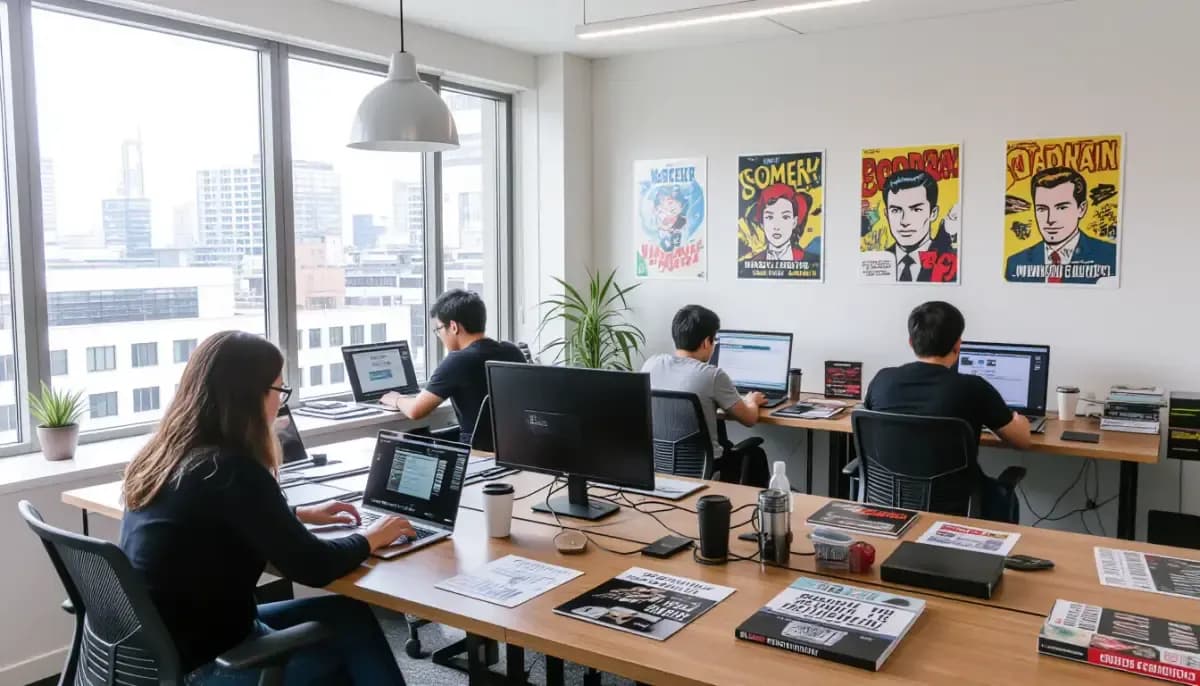
Complete guide to finding office space in Japan for startups and foreign founders. Compare costs, types, visa requirements, and get tips for renting as a foreigner in Tokyo, Fukuoka, and beyond.
Finding Office Space in Japan: A Complete Guide for Startups
Starting a business in Japan as a foreigner is an exciting journey — but finding the right office space can feel overwhelming. Between navigating Japanese lease contracts, understanding unfamiliar cost structures, and meeting visa requirements, the process differs significantly from what most Western entrepreneurs are used to. This guide breaks down everything startups need to know about finding office space in Japan, from choosing the right type of space to negotiating your lease and staying on the right side of immigration requirements.
Japan's co-working office space market is growing fast, with a projected CAGR of 15.70% from 2025 to 2033 — great news for startups looking for flexible, affordable options.
Types of Office Space Available in Japan
Understanding your options is the first step. Japan offers five main types of office space, each suited to a different stage of business growth.
Virtual Offices
A virtual office gives your company a registered business address without requiring you to pay for physical space. Costs run approximately ¥4,000–¥5,000 per month even in Tokyo. This is ideal if you're just getting started or need a corporate address for mail handling purposes. However, virtual offices may not satisfy all visa application requirements — particularly the Business Manager Visa, which typically demands a dedicated physical space.
Coworking Spaces
Coworking spaces are open-plan environments where multiple businesses work side by side. Monthly fees range from ¥10,000 to ¥30,000 per person, with daily passes also available (some spaces charge as little as ¥300–¥1,500 per hour). Providers like Fabbit offer day passes from ¥1,980 and monthly memberships from ¥15,400, with corporate address registration available across 23 nationwide locations.
Benefits include built-in networking, flexible terms, and no need for large upfront deposits. Downsides include limited privacy and potential noise in busy spaces.
Shared Offices
Shared offices are a step up from coworking spaces, typically involving a dedicated desk or small private area within a larger facility. Costs range from ¥10,000–¥30,000 per person monthly, utilities and internet often included. These are popular with early-stage startups that need some consistency without signing a long-term lease.
Serviced Offices
Serviced offices offer fully equipped private suites with receptionist services, meeting rooms, and business support. Expect to pay ¥30,000–¥50,000 per person per month. You can move in almost immediately, without buying furniture or setting up IT infrastructure. Regus has 62+ Tokyo locations; international options like WeWork continue to expand as well.
Traditional Rental Offices
Traditional leases give you the most freedom to customize your workspace and build a professional image. Monthly rent ranges widely: ¥100,000–¥500,000+ depending on size and location. However, upfront costs are significant — deposits of 6–12 months' rent, non-refundable key money (reikin) of 1–2 months' rent, and agency fees of approximately one month's rent. Leases are typically 2 years with renewal options.
Cost Comparison: Office Space Options for Startups
| Type | Monthly Cost (per person) | Upfront Costs | Best For |
|---|---|---|---|
| Virtual Office | ¥4,000–¥5,000 | Minimal | Address registration only |
| Coworking Space | ¥10,000–¥30,000 | None to minimal | Early-stage founders |
| Shared Office | ¥10,000–¥30,000 | Small deposit | Small teams needing consistency |
| Serviced Office | ¥30,000–¥50,000 | 1–2 months deposit | Growing teams needing private space |
| Traditional Lease | ¥100,000–¥500,000+ | 6–12 months deposit + key money | Established businesses |
Tokyo central five wards average rent in Q1 2025: JPY 33,100 per tsubo (approximately 3.3 sqm), up 1.7% quarter-on-quarter.
Office Space and Your Business Visa
Office requirements are directly tied to your Japan visa status — and this is one of the most critical considerations for foreign startup founders.
Business Manager Visa Requirements
The Business Manager Visa (経営・管理ビザ) requires a physical dedicated office space separate from your home. Your visa application must include a signed lease agreement and photos of the office. The Immigration Services Agency has tightened standards around what qualifies as a legitimate business location, particularly following regulatory reforms.
This means a virtual office or home office will generally not satisfy Business Manager Visa requirements. You'll need a real, rentable space — though many serviced offices and some coworking spaces qualify if they provide private desks or offices with your name on the lease.
Fukuoka City Startup Visa
If you're not yet at the Business Manager Visa stage, the Fukuoka City Startup Visa is a valuable pathway. Under this program, entrepreneurs can legally operate from approved coworking spaces and incubation facilities for up to one year while establishing their business. During the transition to a Business Manager Visa, immigration authorities may allow continued use of such facilities while a permanent office is secured.
Fukuoka has positioned itself as Japan's startup capital, offering not only the startup visa but also tax incentives, office rent subsidies, and a strategic location near Asian markets.
For more on Japan visa pathways for entrepreneurs, see our complete guide: The Complete Guide to Japan Visa and Immigration.
Challenges for Foreign Founders Renting in Japan
Renting office space in Japan as a foreigner involves real hurdles that you need to prepare for in advance.
Guarantor requirements: Most traditional leases require a Japanese resident to act as a guarantor (保証人). As a foreign national without established ties in Japan, this can be difficult to arrange. Corporate guarantee services exist for a fee, or some international-friendly landlords may waive this requirement.
Language barriers: Lease contracts are written in Japanese, and the real estate sector predominantly operates in Japanese. Misunderstandings about terms like shikikin (deposit), reikin (key money), or cancellation clauses are common. Working with a bilingual agent is strongly recommended.
Business history requirements: Landlords often decline applications from foreign businesses that lack an established track record in Japan. Prepare your business plan, financial statements, and proof of funding in advance. Showing multi-year financial projections and evidence of reliable backing significantly improves your chances.
Discrimination: Some landlords simply will not rent to foreign nationals or foreign-owned companies. Don't be discouraged — focus on international-friendly property management companies and coworking providers.
For context on working in Japan more broadly, check out our guide: The Complete Guide to Working in Japan as a Foreigner.
Where to Find Office Space in Japan
Tokyo
Tokyo remains Japan's primary business hub with a dense concentration of startup ecosystems, accelerators, and talent. Major coworking providers include:
- Fabbit: 23 nationwide locations with corporate address registration; day passes from ¥1,980
- Regus: 62+ locations across the Tokyo area, including Haneda Airport
- WeWork: Major international coworking provider with multiple Tokyo locations
- Tensho Office: Affordable private serviced offices in Tokyo
For startup-focused resources, JETRO (Japan External Trade Organization) provides free, fully-furnished office space for up to 3 months in Tokyo and several other cities for companies entering the Japanese market. This is an excellent landing pad for early-stage foreign founders.
Fukuoka
Fukuoka offers a dramatically more affordable alternative to Tokyo. Office rental costs run approximately ¥225,570 per square meter compared to Tokyo's ¥1,230,000 per square meter — a fraction of the cost. The city has become Japan's de facto startup capital, with government programs, international talent, and an active expat business community.
Regional Cities
Sapporo, Nagoya, Osaka, and Kyoto all have active coworking scenes with costs well below Tokyo. As remote and hybrid work models become more accepted in Japan, regional startup hubs are attracting founders who want quality of life alongside lower operating costs.
For a broader look at living costs across Japan, see: The Complete Guide to Cost of Living in Japan.
Tips for Successfully Renting Office Space in Japan
Start with a coworking or serviced office: Unless your business is well-established, avoid locking into a traditional lease immediately. Start flexible, prove your concept, then upgrade when needed.
Use a bilingual real estate agent: A bilingual agent can negotiate key money down or eliminate it, secure shorter lease terms, and ensure you fully understand what you're signing. They can also bridge cultural gaps with landlords.
Prepare documentation early: Assemble your business plan, financial statements, company registration documents, and proof of funding before you start searching. Landlords will want to see all of these.
Check address registration rules: If you need your office address for your company registration or visa, confirm explicitly with the space provider that address registration is permitted. Not all coworking spaces allow this.
Consider JETRO's free office space: JETRO's Global Startup Ecosystem program includes free office space in six major cities and mentorship access. Apply early — these spots are competitive.
Negotiate, then negotiate again: Japanese landlords can be persuaded to offer better terms, especially if you can demonstrate financial stability or commit to a longer initial lease. Don't accept the first offer as final.
For detailed information on the financial side of setting up a business, see: The Complete Guide to Banking and Finance in Japan for Foreigners.
Helpful Resources for Finding Office Space in Japan
- Living in Nihon – Guides for Foreigners in Japan — Comprehensive resource covering all aspects of life and work in Japan for expats
- For Work in Japan – Starting a Business Guide — In-depth guide on starting a business and freelancing in Japan as a foreigner
- IT転職 – Career and Business Resources Japan — Business and career resources for professionals working in Japan
- Wagaya Japan – Office Types and Leasing Guide — Detailed breakdown of office types and Japanese lease methods
- MailMate – Renting an Office in Japan — Practical guide to the Japanese office rental process
- Japan Dev – Best Cities for Startups — Guide to top startup cities in Japan for 2025
Final Thoughts
Finding the right office space in Japan is a critical early decision for any startup. The options are genuinely plentiful — from free JETRO spaces for new entrants to affordable coworking in Fukuoka to premium serviced offices in Shinjuku. The key is understanding the visa implications of your choice, preparing your documentation thoroughly, and starting flexible rather than locking into a costly long-term lease before your business is established.
Japan's startup ecosystem is increasingly open to foreign founders, and the office infrastructure has never been better. With the right approach, you can find a workspace that supports your visa, fits your budget, and positions your business for growth.
For everything you need to know about life as a foreign entrepreneur in Japan, explore our related guides on Moving to Japan and Daily Life in Japan.

Originally from Vietnam, living in Japan for 16+ years. Graduated from Nagoya University, with 11 years of professional experience at Japanese and international companies. Sharing information about living in Japan for foreigners.
View Profile →Related Articles

Sole Proprietorship vs Corporation in Japan Compared
Compare sole proprietorship (kojin jigyo) and corporations (KK/GK) in Japan. Covers tax rates, setup costs, liability, visa implications, and when to incorporate as a foreigner.
Read more →
Best Coworking Spaces in Japan for Foreign Entrepreneurs
Discover the best coworking spaces in Japan for foreign entrepreneurs and digital nomads. Prices, locations, tips, and top picks in Tokyo, Osaka, Fukuoka, and more.
Read more →
Japan E-Commerce Business Guide for Foreign Entrepreneurs
Complete guide to starting an e-commerce business in Japan as a foreigner. Covers platforms (Amazon, Rakuten), legal setup, taxes, logistics, marketing, and common mistakes to avoid.
Read more →
Funding Options for Startups in Japan Guide
Discover every funding option for startups in Japan — government grants up to ¥100M, JFC loans, venture capital, and angel investors. Essential guide for foreign founders.
Read more →
Japanese Business Culture Tips for Foreign Entrepreneurs
Learn essential Japanese business culture tips for foreign entrepreneurs: meishi etiquette, hierarchy, relationship-building, startup visas, and how to succeed in Japan's growing market.
Read more →
Hiring Employees in Japan as a Foreign Business Owner
Complete guide to hiring employees in Japan as a foreign business owner. Learn about employment contracts, labor laws, social insurance, work visas, and payroll obligations.
Read more →