
Japan Immigration Office Procedures and Visits Guide

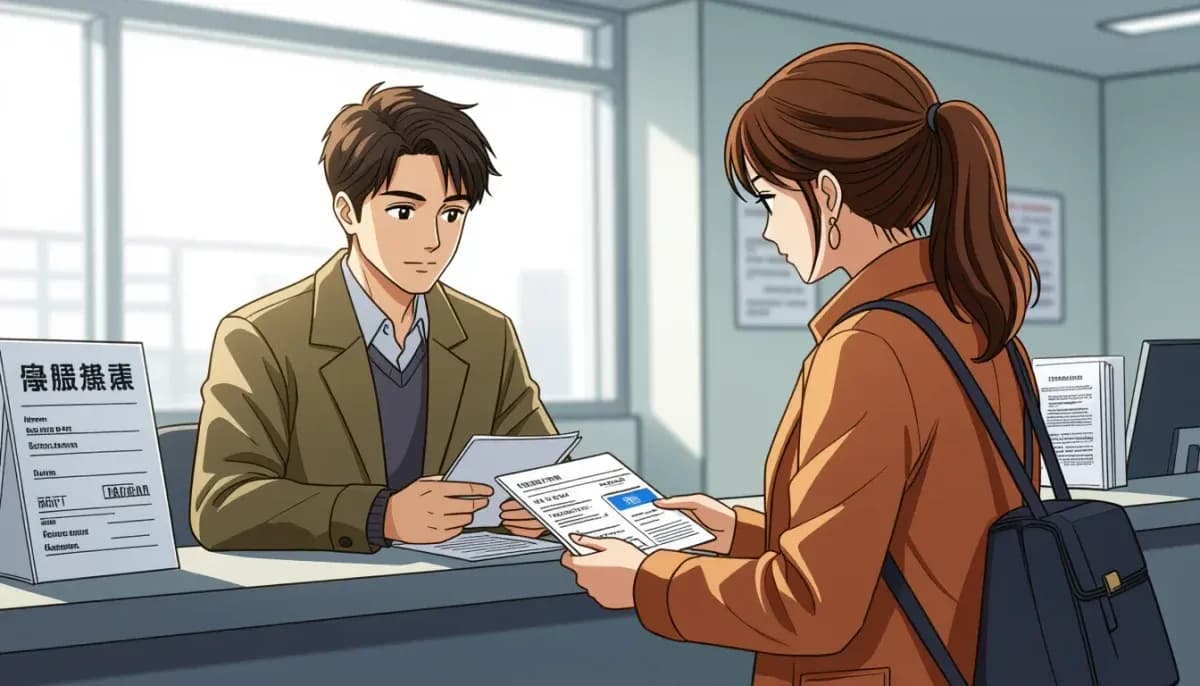
Complete guide to visiting Japan's immigration bureau: appointments, required documents, fees, wait times, and step-by-step procedures for visa extension and status change.
Japan Immigration Office Procedures and Visits Guide
If you live in Japan on a long-term visa, sooner or later you will need to visit your local Regional Immigration Services Bureau. Whether you are extending your period of stay, changing your status of residence, applying for a re-entry permit, or handling other visa-related matters, knowing how the immigration office works makes the experience far less stressful. This guide walks you through everything you need to know — from booking an appointment to walking out the door with your paperwork complete.
What Procedures Require an Immigration Office Visit?
Not every immigration task requires a trip to the bureau. It is important to know what each government office handles so you go to the right place.
Tasks handled at the immigration office:
- Extension of period of stay (visa renewal)
- Change of status of residence
- Regular re-entry permit (for stays over one year)
- Application for permanent residence
- Certificate of Eligibility (COE)
- Changing personal information tied to your residence status
Tasks NOT handled at the immigration office:
- Notifying a change of address — this goes to your city or ward office
- Short-term re-entry using the Special Re-entry Permit (handled at the airport)
- Registering your My Number — also the city/ward office
If you recently moved, visit your city hall first to update your address on the Basic Resident Register before going to the immigration bureau. For a full overview of city hall procedures, see our guide on City Hall Procedures Every Foreigner Needs to Know in Japan.
When to Apply: Timing Your Immigration Visit
Visa Extensions
You can submit an application for extension of your period of stay from three months before your current visa expires. Do not wait until the last moment. If your application is submitted before the expiry date, your current status is automatically extended by up to two months while the immigration bureau reviews it, so you can continue living and working legally in Japan during this period.
Peak Seasons to Avoid
The busiest periods at immigration offices are:
- March to April — new graduates starting jobs and many visa renewals
- September to October — mid-year employment changes and renewals
During these times, even a trip that normally takes one hour can stretch to five or six hours. If possible, schedule your visit outside these peak months. The immigration bureau revised its fee schedule on April 1, 2025, so make sure you have up-to-date information before visiting.
How to Book an Appointment
Major immigration bureaus in Tokyo (Shinagawa), Osaka, and Nagoya operate online reservation systems for many procedures. Here is how to use them:
- Visit the official website of the Regional Immigration Services Bureau for your area
- Select the procedure type (extension, status change, etc.)
- Choose an available date and time slot
- Note or screenshot your reservation number — you will need it on the day
Not every branch uses online reservations for all procedures. Smaller regional offices may handle some cases by walk-in ticket only. Always check your specific bureau's website to confirm.
Counter hours at most offices:
- Morning session: 9:00 to 12:00
- Afternoon session: 13:00 to 16:00
- Closed on weekends, public holidays, and the year-end/New Year period
Arriving right when the office opens (or immediately after lunch break) usually results in shorter waits than arriving mid-morning or mid-afternoon.
What Documents to Bring
Being prepared with the right documents the first time saves you from having to return for a second visit — one of the most common frustrations foreigners face.
| Document | Details |
|---|---|
| Application form | Specific form for each procedure; download from ISA website |
| Passport | Original; bring photocopies as well |
| Residence Card | Original; bring photocopies as well |
| Visa photograph | 4 cm × 3 cm, color, taken within the last 6 months |
| Employment letter | From your company on company letterhead |
| Income / tax documents | Certificate of taxation or income certificate from city hall |
| School enrollment letter | For student visa holders |
| Revenue stamps | For fee payment; purchased at a post office |
| Reservation number | If using the online appointment system |
Always prepare photocopies of every key document before you arrive. Staff may ask for copies and there is often no on-site photocopier easily available to the public.
Immigration fees as of April 2025:
- Extension of period of stay or change of status: ¥6,000 (counter) / ¥5,500 (online)
- Single-entry re-entry permit: ¥4,000
- Multiple re-entry permit: ¥7,000
- Part-time work permit (Shikakugai katsudo kyoka): Free
Revenue stamps (shunyu inshi) for the fee are not always available at the immigration office itself. Purchase them at a post office in advance and attach them only at the collection step, not when you submit.
What Happens on the Day of Your Visit
Submitting Your Application
When you arrive, take a queue number or check in using your reservation. A staff member at the counter reviews your form, checks your original documents, and confirms that everything is in order. They may ask quick clarifying questions or request an additional document on the spot. After submission, you will receive a receipt.
Waiting for a Decision
Immigration decisions are not made on the same day. After your application is accepted, the bureau sends a postcard or email notification when your result is ready — typically within a few weeks to a few months depending on the procedure and workload. Processing times for straightforward extensions are usually within one month, but complex cases or peak periods can take longer.
Collecting Your Result
When the notification arrives, you return to the immigration office, pay the fee (using your pre-purchased revenue stamps), and collect your new residence card or permit. This is a separate visit from your submission day.
For more detail on residence card rules and validity periods, see our Residence Card Rules and Renewal Guide in Japan.
Tokyo Immigration Office: Practical Tips
The main Tokyo Regional Immigration Services Bureau is located in Shinagawa. A few practical notes:
- The office is a 10-15 minute walk from Shinagawa Station (or a short bus ride). Plan extra travel time.
- An alternative branch in Tachikawa serves western Tokyo and is sometimes less crowded.
- English support at the counters is limited. Bring written questions in Japanese or use a translation app for communication.
- Waiting times commonly range from 1 to 5 hours during busy periods. Bring water, snacks, and something to read.
Online Alternatives to Visiting in Person
Japan's Online Residence Application System (available through the ISA website) allows certain applicants to submit applications without visiting the immigration bureau in person. Eligible users include:
- Registered staff of host organizations (companies, universities)
- Certified immigration attorneys and administrative scriveners (gyoseishoshi)
- Some individuals who meet specific prerequisites
If your employer's HR department or a registered immigration attorney manages your application online, you may not need to visit the office at all for the submission step. Check whether your company offers this service — it is increasingly common at larger international companies in Japan.
For a comprehensive look at the Certificate of Eligibility process (often handled online through sponsoring companies), see our guide on How to Get a Certificate of Eligibility for Japan.
Re-Entry Permits: When Do You Need to Visit?
If you are leaving Japan for less than one year and hold a valid residence card, you can use the Special Re-entry Permit at the airport — no prior visit to the immigration office required. Simply fill in the form at the airport on your departure day.
If you are leaving for more than one year, you must obtain a regular re-entry permit from the immigration bureau before you depart. This requires an in-person visit. Our dedicated guide on Japan Re-Entry Permit: Do You Still Need One covers this in full detail.
Using an Immigration Attorney or Administrative Scrivener
If your case is complex — for example, you are applying for permanent residence, you have had a gap in your employment, or you have overstayed a previous visa — you may benefit from professional assistance.
Immigration attorneys (nyukoku kanri bengoshi) and administrative scriveners (gyoseishoshi) who specialize in immigration can:
- Prepare your documents and forms
- Submit applications online on your behalf if authorized
- Handle communication with the immigration bureau
- Advise on the strongest way to present your case
Fees vary but typically range from ¥30,000 to ¥100,000+ depending on the complexity of the procedure. For a related overview of Japanese paperwork vocabulary you will encounter during immigration procedures, visit our Essential Japanese Paperwork Vocabulary for Foreigners guide.
Additional Resources
For broader guidance on navigating Japanese bureaucracy and paperwork as a foreign resident, Living in Nihon's Japanese Paperwork and Documents Navigation Guide is an excellent companion resource covering documentation procedures across multiple government systems.
If you are also navigating Japan's work visa landscape, For Work in Japan's Japan Visa and Residence Status Guide provides detailed information on status of residence categories and how they connect to immigration office procedures.
For those considering career transitions in Japan's IT sector alongside immigration planning, Ittenshoku offers resources on IT career changes that often intersect with visa status considerations.
Additional in-depth guides are available at Japan Handbook's Immigration Office Visit Tips and Wise's Visa Renewal Guide for Japan.
Frequently Asked Questions
Can I send someone else to submit my application? In most cases, no. The applicant must appear in person at the immigration bureau unless using an authorized representative such as a certified immigration attorney or the company's registered HR representative through the online system.
What happens if my visa expires while I am waiting for the result? As long as you submitted your application before your visa expiry date, your current status is automatically extended for up to two months. You can continue working and living in Japan legally during this extension period.
Is English available at the immigration office? Limited English support is available at some major offices, but Japanese is the primary language. Bring important questions written in Japanese or use a translation app.
How long does visa extension processing take? For standard work and study visas, processing typically takes two to four weeks. Complex cases or applications submitted during peak seasons can take longer. The ISA website provides general processing time estimates.
Understanding Japan's immigration office procedures takes the anxiety out of what can feel like an overwhelming process. Go prepared, arrive early, and keep your documents organized — and you will find the experience far more manageable than the horror stories you may have heard. For related paperwork information, also see our guides on National Pension Enrollment and How to Apply for My Number Card.

Originally from Vietnam, living in Japan for 16+ years. Graduated from Nagoya University, with 11 years of professional experience at Japanese and international companies. Sharing information about living in Japan for foreigners.
View Profile →Related Articles

Power of Attorney and Legal Representation in Japan
Learn how to create, notarize, and use a Power of Attorney in Japan as a foreigner. Covers legal representation, apostille process, costs, and how to find the right attorney.
Read more →
Japan Re-Entry Permit Do You Still Need One
Everything foreigners in Japan need to know about re-entry permits in 2025. Learn the difference between Special Re-Entry Permission and regular permits, how to apply, fees, and what happens if you forget.
Read more →
How to Get a Certificate of Eligibility for Japan
Complete guide to Japan's Certificate of Eligibility (COE): who needs it, how to apply, required documents, processing time, costs, and tips to avoid common mistakes.
Read more →
Essential Japanese Paperwork Vocabulary for Foreigners
Master the Japanese vocabulary you need to fill out official forms and administrative documents in Japan. Covers personal info, visa terms, tax forms, banking, and municipal registration with kanji, readings, and meanings.
Read more →
Name Change Procedures in Japan for Foreigners
A complete guide to name change procedures in Japan for foreigners. Learn how to update your residence card, register a Japanese alias (tsushomei), and navigate name changes after marriage or divorce.
Read more →
Japan Postal Savings and Official Mail Procedures
Complete guide to Japan Post services for foreigners: send domestic and international mail, open a Yucho Bank savings account, handle official mail, and manage address changes in Japan.
Read more →