
Cat Ownership in Japan Complete Guide

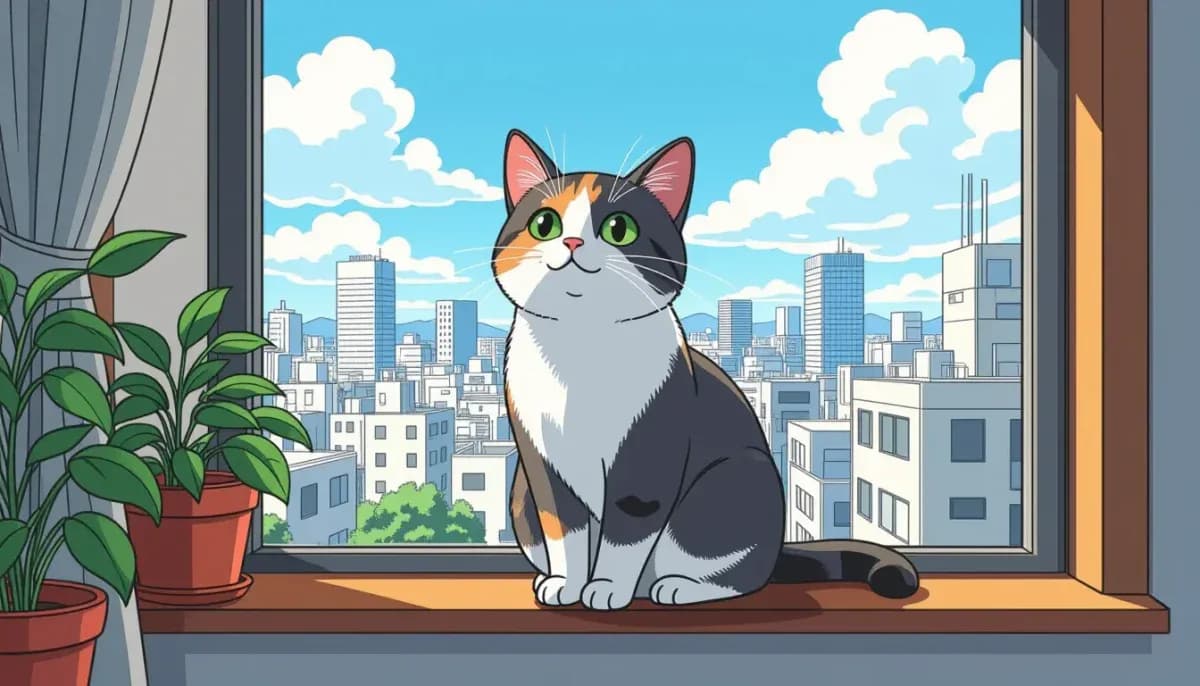
Everything foreigners need to know about owning a cat in Japan — pet-friendly apartments, microchipping laws, vet costs, adoption, and daily life tips for expat cat owners.
Cat Ownership in Japan: The Complete Guide for Foreigners
Japan is a nation of cat lovers. From the iconic lucky cat figurines (maneki-neko) adorning shop entrances to the dozens of cat cafés in every major city, felines hold a special place in Japanese culture. Cat ownership surpassed dog ownership in Japan for the first time in 2017, and the trend has only continued — with an estimated 8.847 million pet cats as of 2025 and cat-related spending approaching ¥2.9 trillion annually.
For foreigners living in Japan, owning a cat can be an incredibly rewarding experience. But it also comes with real challenges: finding a pet-friendly apartment, navigating Japanese registration requirements, understanding veterinary costs, and knowing how to be a considerate neighbor in Japan's apartment culture. This guide covers everything you need to know about cat ownership in Japan as a foreigner.
Finding a Pet-Friendly Apartment in Japan
This is the single biggest hurdle for cat owners in Japan. Only 10–20% of rentals in major cities like Tokyo and Osaka officially allow pets. In central areas, the number can drop to 5–10%. The further you move from city centers — toward outer wards or suburbs like Yokohama, Saitama, or Chiba — the more pet-friendly options you'll find.
When apartment hunting, look for these key terms:
- ペット可 (petto ka) – "Pets allowed." This is the green light, but read the contract carefully. There may be restrictions on pet type, number, or size.
- ペット相談可 (petto sōdan ka) – "Pet negotiable." The landlord is open to discussion, but you must get explicit written approval before moving in with your cat.
Practical tips for cat owners:
- Inform your real estate agent upfront that you have a cat. Never try to hide a pet — if discovered, you could face eviction and significant financial penalties.
- Cat owners often face higher security deposits compared to dog owners, due to concerns about scratching and odors.
- Expect to pay an additional ¥3,000–¥5,000 per month in pet rent on top of standard rent.
- Cats are accepted in fewer properties than dogs, because scratches on walls/floors and litter odors are viewed as high-damage risks.
For more advice on navigating Japan's rental market as a foreigner, see our complete guide to finding housing in Japan.
Legal Requirements and Registration
Microchipping (Mandatory Since 2022)
Since June 2022, microchipping newly purchased or adopted dogs and cats in Japan is legally mandatory. If you buy or adopt a cat from a pet shop or breeder after this date, the seller is required to provide a microchipped pet. For cats already owned before the law changed, microchipping is strongly recommended but not compulsory.
If you bring a cat from abroad, the ISO 11784/11785 standard microchip is required as part of the import process — more on that below.
Municipal Registration
Unlike dogs (which require annual registration and a tag), cats do not need to be formally registered with your city or ward office under national law. However, some municipalities have local ordinances requiring cat registration, so it's worth checking with your local government. Registration is typically free.
Vaccinations
Japan does not legally require annual vaccinations for cats the way it does for dogs (rabies shots for dogs are mandatory). However, veterinarians strongly recommend the following:
- Core vaccines: Feline panleukopenia (distemper), herpesvirus, calicivirus — given as a combination shot starting from 8 weeks of age, with boosters every 3–4 weeks until 16 weeks, then annually.
- Optional vaccines: Feline leukemia virus (FeLV), chlamydia — recommended based on lifestyle.
For indoor-only cats, some vets may suggest every 3-year boosters rather than annual ones. Discuss the best schedule with your veterinarian.
Importing a Cat to Japan
Japan has some of the world's strictest pet import regulations, primarily to prevent rabies from entering the country (Japan is rabies-free). The process can take over 7 months if not started early.
Key requirements for importing a cat from most countries:
- ISO-standard microchip implanted before the first rabies vaccination
- Two rabies vaccinations at least 30 days apart
- Rabies antibody titer test showing adequate immunity (≥0.5 IU/mL)
- 180-day waiting period after the titer test shows adequate results
- Health certificate issued by an accredited veterinarian within 10 days of departure
- Advance notification to the Animal Quarantine Service of Japan
Upon arrival, cats are inspected at the airport's animal quarantine facility. If documentation is complete, they may be released within a few hours. If not, quarantine of up to 180 days applies — at your expense, which can reach hundreds of thousands of yen.
Important: Start the process as early as possible. Contact Japan's Animal Quarantine Service and your country's USDA/APHA-equivalent office for country-specific guidance.
Veterinary Care and Costs in Japan
Japan has excellent veterinary care, especially in urban areas. Many clinics in Tokyo, Osaka, Kyoto, and other major cities have English-speaking staff or at least staff who can manage basic communication with foreign clients.
Typical Veterinary Costs
| Service | Estimated Cost (¥) |
|---|---|
| Basic examination | ¥5,000 – ¥8,000 |
| Annual vaccination (combo) | ¥3,000 – ¥5,000 |
| Spay/neuter surgery | ¥20,000 – ¥50,000 |
| Dental cleaning | ¥30,000 – ¥80,000 |
| Emergency consultation | ¥10,000 – ¥30,000+ |
| Blood panel / health check | ¥5,000 – ¥15,000 |
| Annual average (healthy cat) | ¥37,000 – ¥60,000 |
Annual veterinary costs for cats in Japan averaged approximately ¥37,250 according to recent surveys. Costs for illness or injury treatment have risen significantly, with average insurance claim amounts for cats reaching ¥31,848 — up over 33% in recent years.
Pet Insurance in Japan
Pet insurance is not mandatory but is highly recommended, especially as cats age. The market leader is Anicom Holdings, which has over 1.1 million active policies. Their system allows direct billing at partner clinics, so you pay only your portion at the vet rather than filing for reimbursement later.
Other popular insurers include iPet and Docter Pet Insurance. Premiums are age-banded — a young cat might cost ¥1,800–¥3,000/month, while senior cats pay significantly more.
Adopting vs. Buying a Cat in Japan
Pet Stores
Japan has many pet stores (ペットショップ), particularly in areas like Shinjuku's Kabukicho or Osaka's Namba. Cats are typically sold with pedigrees and health documentation. Prices vary widely: a mixed-breed kitten may cost ¥30,000–¥80,000, while purebred cats (Scottish Fold, Munchkin, Maine Coon) can run ¥150,000–¥500,000+.
Adoption (Rescue Organizations)
Adoption is a wonderful option and is increasingly encouraged. Organizations to contact include:
- Animal Refuge Kansai (ARK) – Operates in both Osaka and Tokyo
- Japan Animal Trust – Based in Osaka
- Rencontrer Mignon – Tokyo-based rescue
- Neko no Kyūsai Dantai – Various local cat rescue groups
One note: some shelters are hesitant to adopt to foreigners, particularly those on short-term visas, due to concerns about what happens to the cat if the owner leaves Japan. Being transparent about your long-term plans and demonstrating commitment to animal welfare will help your application.
Online Platforms
Websites like Jumo (ジュモ) and Nyanzu (にゃんず) connect cat owners with adopters. You can also find cats for adoption through local Facebook groups for expats in Japan.
For broader advice on daily life in Japan as a foreigner, including how to settle in and find community, check our daily life guide for foreigners in Japan.
Living with a Cat in a Japanese Apartment
Apartment Rules and Etiquette
Japanese apartment culture places a strong emphasis on consideration for neighbors. Even in pet-allowed buildings, you'll want to follow these unwritten rules:
- Keep cats strictly indoors unless the building explicitly allows outdoor access. Even shared balconies are often off-limits.
- Use a litter box enclosure to contain odors. Ventilate regularly.
- Install scratch guards on walls and furniture. If your cat damages tatami mats or floor/wall surfaces, repair costs can exceed ¥100,000.
- No cats in hallways — even brief hallway appearances can cause complaints from neighbors with allergies or fears.
- One cat per household is the rule in many pet-friendly buildings, even if the lease doesn't explicitly state it.
Necessary Supplies
| Item | Notes |
|---|---|
| Litter box + enclosure | Enclosed boxes reduce odor significantly |
| Scratch posts (multiple) | Essential to protect walls and furniture |
| Window screens (網戸 amido) | Japanese windows often lack screens; cats can fall |
| Cat tree | Vertical space is crucial in small apartments |
| Water fountain | Encourages hydration; important for indoor cats |
| Carrier | Required for vet visits; useful for emergencies |
Finding Pet Supplies in Japan
Major international cat food brands — Royal Canin, Hill's Science Diet, Purina ONE — are widely available at:
- Amazon Japan (most convenient, often best prices)
- AEON and AEON PET (large supermarkets with pet sections)
- Cainz (home improvement chain with great pet sections)
- PetsMart Japan / Aniok (dedicated pet stores)
Japanese brands like Inaba Ciao (チャオ) and Aixia (アイシア) are popular and high-quality. Wet food in Japan tends to be high-quality and reasonably priced.
Cat Cafés and Japanese Cat Culture
Even if you're not ready to own a cat, Japan's cat café (猫カフェ, neko kafe) culture offers a wonderful way to experience feline companionship. Most charge by the hour (typically ¥1,000–¥2,000 for 30–60 minutes) and have resident cats you can interact with.
Popular cat café chains include Neko no Jikan (猫の時間), Calico (キャリコ), and various independent establishments. Many also serve drinks and snacks, making for a relaxing afternoon.
Japan also celebrates cats through the cultural concept of maneki-neko (招き猫), the beckoning cat believed to bring good fortune. You'll find these everywhere from convenience stores to shrines — another reminder of just how deeply cats are embedded in Japanese life.
Resources and Support for Cat Owners in Japan
Navigating cat ownership in Japan is much easier with the right resources. These sites offer useful information for foreign residents:
- Living in Nihon – Comprehensive lifestyle guides for foreigners living in Japan
- For Work in Japan – Practical guides for expats building a life in Japan
- Ittenshoku – Resources for foreigners navigating daily life in Japan
- Navigator Japan – Expat Pet Guide 2025 – Detailed guide to living in Japan with pets
- Guidable – Pet Ownership in Japan – Do's and don'ts for pet owners in Japan
For healthcare questions that come up as a new resident, including finding English-speaking doctors and navigating the Japanese health insurance system, see our healthcare guide for foreigners in Japan.
Summary: Monthly Costs of Cat Ownership in Japan
| Expense | Estimated Monthly Cost (¥) |
|---|---|
| Premium cat food (wet + dry) | ¥3,000 – ¥8,000 |
| Litter | ¥1,500 – ¥3,000 |
| Pet rent surcharge | ¥3,000 – ¥5,000 |
| Vet fund (monthly average) | ¥3,000 – ¥5,000 |
| Pet insurance | ¥1,800 – ¥4,000 |
| Treats, toys, accessories | ¥500 – ¥2,000 |
| Total (estimated) | ¥12,800 – ¥27,000 |
Owning a cat in Japan as a foreigner is entirely doable — and for many expats, their cat becomes an irreplaceable source of comfort and companionship in a new country. The key is doing your homework before you get a pet: securing a pet-friendly apartment, understanding the registration and microchipping requirements, budgeting for veterinary care, and being a considerate neighbor.
Japan's deep cultural appreciation for cats means you'll find plenty of resources, communities, and fellow cat lovers to support you. Welcome to the club of Japan's 8+ million cat owners.

Originally from Vietnam, living in Japan for 16+ years. Graduated from Nagoya University, with 11 years of professional experience at Japanese and international companies. Sharing information about living in Japan for foreigners.
View Profile →Related Articles

Pet Friendly Parks and Facilities in Japan
Complete guide to pet-friendly parks, dog runs, and facilities in Japan for foreigners. Learn about Yoyogi Park dog run, pet etiquette, rules, and the best neighborhoods for pet owners in Tokyo and beyond.
Read more →
How to Take Your Pet Out of Japan Export Guide
Complete guide to exporting your dog or cat from Japan. Learn the step-by-step process, required documents, AQS inspection requirements, destination country rules, and costs for taking your pet out of Japan.
Read more →
Exotic Pet Ownership Rules in Japan
Complete guide to exotic pet ownership rules in Japan for foreigners. Learn which animals are banned, which require permits, CITES regulations, import process, and safety tips.
Read more →
Pet Sitting and Boarding Services in Japan
Complete guide to pet sitting and boarding in Japan for foreigners and expats. Covers top platforms like HappyWanNyan and Pet Backer, pricing, tips, and English-friendly facilities.
Read more →
Traveling with Pets in Japan Transportation Guide
A complete guide to traveling with pets in Japan. Learn the rules for trains, shinkansen, buses, flights, pet taxis and car rentals. Essential tips for foreigners with dogs and cats.
Read more →
Pet Stores and Animal Adoption Centers in Japan
Complete guide to finding a pet in Japan as a foreigner. Compare pet stores vs adoption centers, discover foreigner-friendly shelters like ARK and Buddies, and learn about costs and the adoption process.
Read more →